
Sep . 04, 2025 15:00 Back to list
Engine V Belt Load Distribution Performance
In the complex ecosystem of automotive engineering, the engine v belt stands as a critical component, responsible for transmitting power to essential auxiliary systems like the water pump, air - conditioning compressor, and more. Proper load distribution performance of the engine v belt is pivotal for the seamless operation of a vehicle. Xingtai Hake rubber and plastic products Co., LTD specializes in manufacturing high - quality engine v belt products, including eco drive v belt and car v belt solutions. This article, from a wholesaler’s perspective, delves into the intricacies of engine v belt load distribution performance, exploring the consequences of belt failure, signs of wear, and the impact of improper tension on load distribution.
Understanding Engine V Belt Systems by Xingtai Hake rubber and plastic products Co., LTD
Xingtai Hake rubber and plastic products Co., LTD is at the forefront of producing engine v belt products that are integral to automotive functionality. An engine v belt, whether it’s an eco drive v belt designed for efficiency or a standard car v belt, is engineered to distribute the load from the engine to various auxiliary components. These belts are crafted with precision to ensure that the load is evenly spread, enabling each component to operate at its optimal capacity.
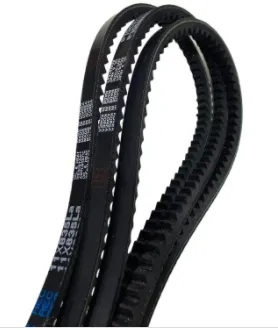
The company’s engine v belt offerings are designed to withstand the rigors of continuous engine operation. However, to maintain optimal load distribution performance, it’s essential to understand the factors that can impact the belt’s functionality, such as wear, tension, and proper installation.
Precursors to Engine V Belt Replacement
Audible and Visual Cues
- Sliding Grinding Sound: When an engine v beltemits a sliding grinding sound during operation, it’s often a sign of a loose belt or an incorrect installation position. This can disrupt the load distribution, as the belt may not be able to transfer power efficiently to the auxiliary components. Prompt inspection is crucial to rectify the issue and restore proper load distribution.
- Cracks, Peeling: The appearance of cracks, peeling, or other forms of damage on the engine v beltcan be attributed to factors like incorrect installation (leading to uneven force distribution), corrosion, or simply aging. As the belt deteriorates, its ability to distribute the load evenly is compromised, which can lead to premature failure of the belt or the auxiliary components.
Time and Mileage Thresholds
The typical service life of an engine v belt is around 2 years or 60,000 kilometers. When an engine v belt reaches this threshold, it’s imperative to replace it. Waiting for the belt to break before replacement is a dangerous practice, as it can lead to sudden load distribution failures and the associated risks. Xingtai Hake rubber and plastic products Co., LTD recommends adhering to these replacement intervals to ensure the continued proper load distribution and overall safety of the vehicle.
Impact of Improper Tension on Engine V Belt Load Distribution
Too Tight Engine V Belt
- Increased Horsepower Demand: A too - tight engine v beltcan cause the belt to become “stuck,” requiring more horsepower to rotate. This additional load on the engine can disrupt the normal load distribution, as the engine has to work harder to drive the auxiliary components.
- Motor Shaft Fatigue: Excessive tension leads to a large radial load on the motor shaft, making it prone to fatigue. This not only affects the lifespan of the shaft but also disrupts the load distribution balance between the engine and the auxiliary components.
- Reduced Belt Life: The excessive tension accelerates the wear and tear of the engine v belt, reducing its service life. A worn - out belt is less capable of distributing the load evenly, which can lead to further operational issues.
- Engine Bearing Damage: There is a heightened risk of damage to engine bearings due to the increased stress from a too - tight belt. This can have a cascading effect on the load distribution, as damaged bearings can disrupt the smooth operation of the engine and its auxiliary systems.
Too Loose Engine V Belt
- Slipping and Abnormal Noise: A too - loose engine v beltwill slip, producing abnormal noise. This slipping disrupts the load distribution, as the belt is unable to transfer power efficiently to the auxiliary components.
- Early Belt Wear: The loose belt will wear prematurely, which in turn affects its ability to distribute the load evenly. As the belt wears, it may not be able to maintain consistent contact with the pulleys, leading to erratic load distribution.
- Battery Charging Issues: A loose engine v beltcan cause the engine to insufficiently charge the battery, affecting the battery’s service life. This is a result of the alternator not receiving the proper power due to the disrupted load distribution.
- Engine Performance Problems: Engine jitter, insufficient power, high fuel consumption, and abnormal water temperature can occur. These issues arise because the auxiliary components are not receiving the correct amount of power due to the improper load distribution caused by the loose belt.
Car V Belt Load Distribution in Different Vehicles
Car v belt load distribution can vary depending on the type of vehicle. In a compact car, the car v belt may be responsible for driving a relatively simple set of auxiliary components, such as the water pump and alternator. In a larger vehicle, like an SUV or a truck, the car v belt may have to drive additional components, such as a more powerful air - conditioning compressor or a power - steering pump.
Xingtai Hake rubber and plastic products Co., LTD manufactures car v belt products that are tailored to the specific load distribution requirements of different vehicle types. For example, a car v belt for a heavy - duty truck will be designed to handle a higher load and distribute power more robustly to accommodate the additional auxiliary components. This ensures that regardless of the vehicle type, the car v belt can effectively distribute the load and maintain optimal performance.
Table of Engine V Belt Performance Indicators
|
Aspect |
Issue |
Impact on Load Distribution |
Solution |
|
Belt Breakage |
Sudden power loss, component failure |
Complete disruption of load distribution to auxiliaries |
Regular inspection, replace at 2 years/60,000 km |
|
Sliding Grinding Sound |
Loose belt, incorrect installation |
Inefficient power transfer, uneven load |
Prompt inspection and adjustment |
|
Cracks/Peeling |
Aging, incorrect installation, corrosion |
Compromised load - carrying capacity, uneven distribution |
Replace belt, check installation |
|
Too Tight |
Increased engine load, shaft fatigue |
Disrupted load balance, reduced belt life |
Adjust tension, use quality belts from Xingtai Hake |
|
Too Loose |
Slipping, early wear |
Erratic power transfer, component underperformance |
Adjust tension, use quality belts from Xingtai Hake |
Engine V Belt FAQS
What are the dangers of a broken engine v belt in terms of load distribution?
A broken engine v belt completely disrupts the load distribution to auxiliary components like the water pump and air - conditioning compressor. This can lead to engine overheating (due to a non - functioning water pump) and loss of comfort features (like air - conditioning). In a driving scenario, it can also cause sudden power loss, increasing the risk of traffic accidents. Regular maintenance and timely replacement, as recommended by Xingtai Hake rubber and plastic products Co., LTD, can prevent such load distribution failures.
How can I tell if my engine v belt is affecting load distribution?
Signs that an engine v belt is affecting load distribution include a sliding grinding sound (indicating inefficient power transfer), cracks or peeling on the belt (compromising load - carrying capacity), and performance issues like engine jitter or insufficient power. These symptoms suggest that the belt is not distributing the load evenly to the auxiliary components. Prompt inspection and potential replacement, using quality belts from Xingtai Hake rubber and plastic products Co., LTD, can restore proper load distribution.
What role does tension play in engine v belt load distribution?
Tension is crucial for engine v belt load distribution. A too - tight belt disrupts the load balance by increasing the engine’s load and causing shaft fatigue, while a too - loose belt leads to erratic power transfer and component underperformance. Maintaining the correct tension ensures that the load is evenly distributed to the auxiliary components, allowing them to operate at their optimal capacity. Products like eco drive v belt from Xingtai Hake rubber and plastic products Co., LTD are designed to help maintain proper tension for optimal load distribution.
Can an eco drive v belt improve load distribution efficiency?
Yes, an eco drive v belt can improve load distribution efficiency. These belts are engineered to minimize energy loss during power transmission, ensuring that a greater proportion of the engine’s power is effectively distributed to the auxiliary systems. By reducing friction and optimizing material usage, eco drive v belt from Xingtai Hake rubber and plastic products Co., LTD enhances the overall efficiency of load distribution, contributing to better vehicle performance and fuel economy.
How does Xingtai Hake rubber and plastic products Co., LTD ensure proper load distribution in their car v belt products?
Xingtai Hake rubber and plastic products Co., LTD ensures proper load distribution in their car v belt products through precise engineering and quality manufacturing. Their car v belt products are designed to match the specific load requirements of different vehicle types, ensuring that the load is evenly distributed to the auxiliary components. By using high - quality materials and advanced manufacturing techniques, the company produces car v belt products that can effectively transmit power and maintain optimal load distribution, contributing to the reliable operation of the vehicle.
In conclusion, the load distribution performance of the engine v belt is a critical factor in the reliable operation of a vehicle. Xingtai Hake rubber and plastic products Co., LTD plays a vital role in providing high - quality engine v belt products, including eco drive v belt and car v belt solutions, that are designed to ensure proper load distribution.
By understanding the consequences of belt failure, recognizing the precursors to replacement, and addressing the impact of improper tension on load distribution, wholesalers can educate their customers on the importance of maintaining optimal engine v belt performance. Adhering to replacement intervals, promptly addressing signs of wear or tension issues, and leveraging specialized products like eco drive v belt can maximize the service life of engine v belt products and ensure the seamless operation of vehicles. As the automotive industry continues to evolve, the role of proper load distribution in engine v belt systems and the quality offerings of Xingtai Hake rubber and plastic products Co., LTD will remain essential in ensuring the reliability and efficiency of vehicles on the road.
-
Comprehensive Guide to Selecting High Performance drive belts
NewsApr.16,2026
-
Guide to Choosing the Right Fan Belt for Car Performance
NewsApr.09,2026
-
Understanding and Maintaining Your Vehicle's Serpentine Belt for Optimal Performance
NewsApr.07,2026
-
Choosing the Right Steering Belt for Optimal Vehicle Performance and Safety
NewsApr.04,2026
-
Understanding the Serpentine Belt for Optimal Vehicle Performance
NewsMar.31,2026
-
Comprehensive Guide to Understanding Your Fan Belt Car and Maintenance
NewsMar.28,2026