

Oct . 22, 2025 14:25 Back to list
Engine Timing Belt | High Precision, Durable, Low Noise
Inside the Auto Timing Belt That Keeps Your Engine in Sync
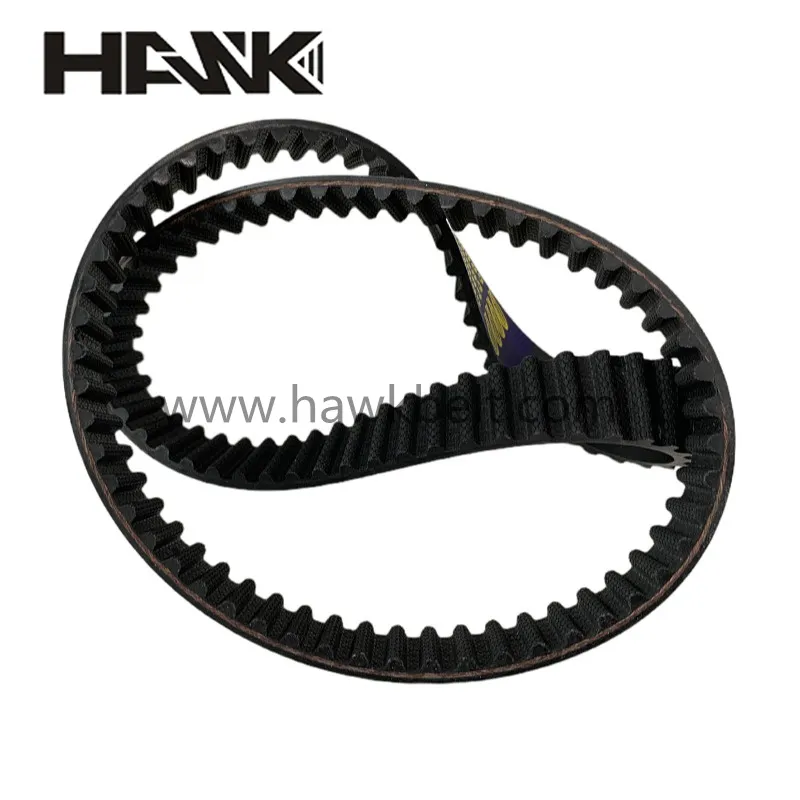
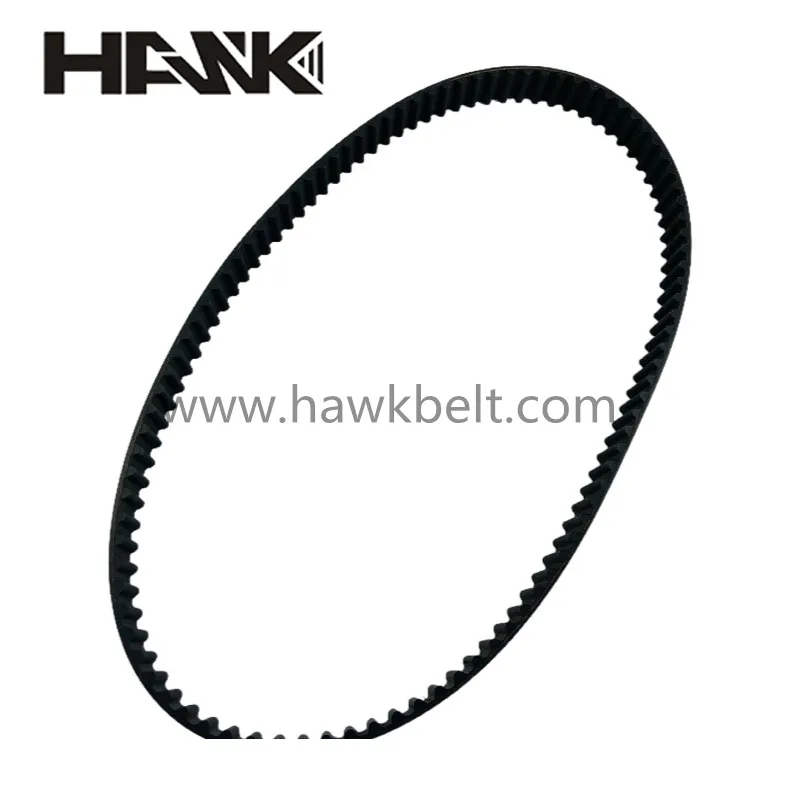
I’ve spent enough hours in garages and test cells to know one thing: a well-made [Engine Timing Belt] is quiet, invisible—and absolutely mission-critical. When it slips, your day gets expensive fast. This particular model—Auto Timing Belt CT938 CT517 99MY19 163RU25.4 5436XS 5435XS—has been making the rounds in Toyota, Hyundai, Peugeot, Kia, and Mitsubishi platforms. And yes, the details matter.
Quick Specs (real-world use may vary)
| Product Name | Auto Timing Belt CT938 CT517 99MY19 163RU25.4 5436XS 5435XS |
| OE Reference | CT938 / CT517 / 5436XS / 5435XS |
| Compatible Models | Toyota, Hyundai, Peugeot, Kia, Mitsubishi |
| Material | CR or HNBR rubber, fiberglass cord |
| Width | 19 mm |
| Tooth Count | 99 |
| Weight | ≈ 0.22 kg |
| Profile | RU, ref. 163RU25.4 (pitch per model code) |
| Origin | No. 386 Xuyang Avenue, Renze District, Xingtai City, Hebei Province, China |
What’s trending in timing belts?
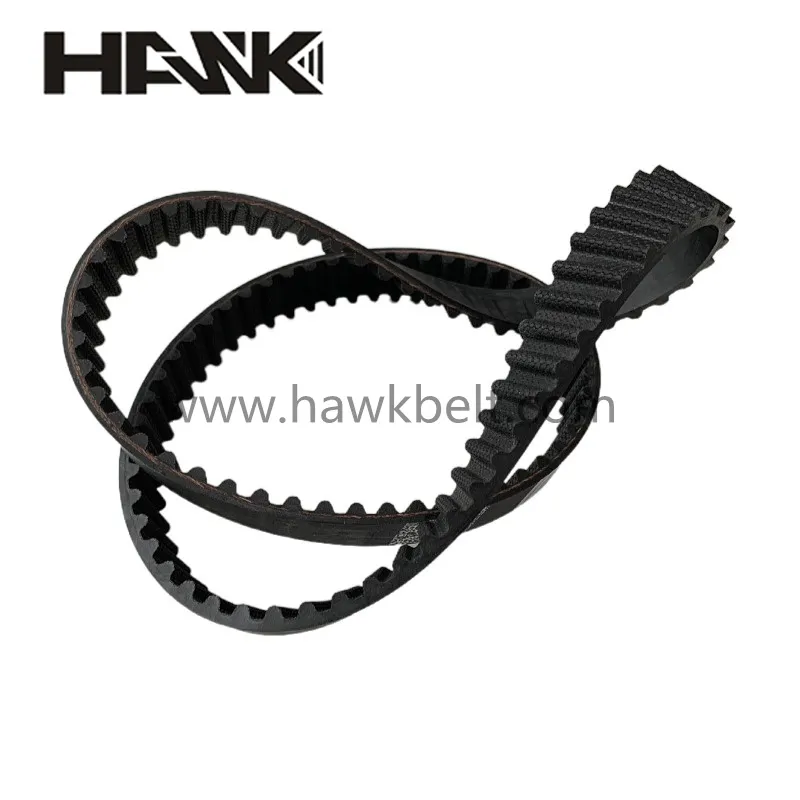
Two big shifts: HNBR compounds for higher heat/chemical resistance, and tighter tooth tolerances to suppress NVH. Fleet managers tell me they’re pushing service intervals closer to 100,000 miles where conditions allow. However, many shops still recommend 60,000–90,000 miles for safety, especially in hot or dusty regions.
How it’s made (short version)
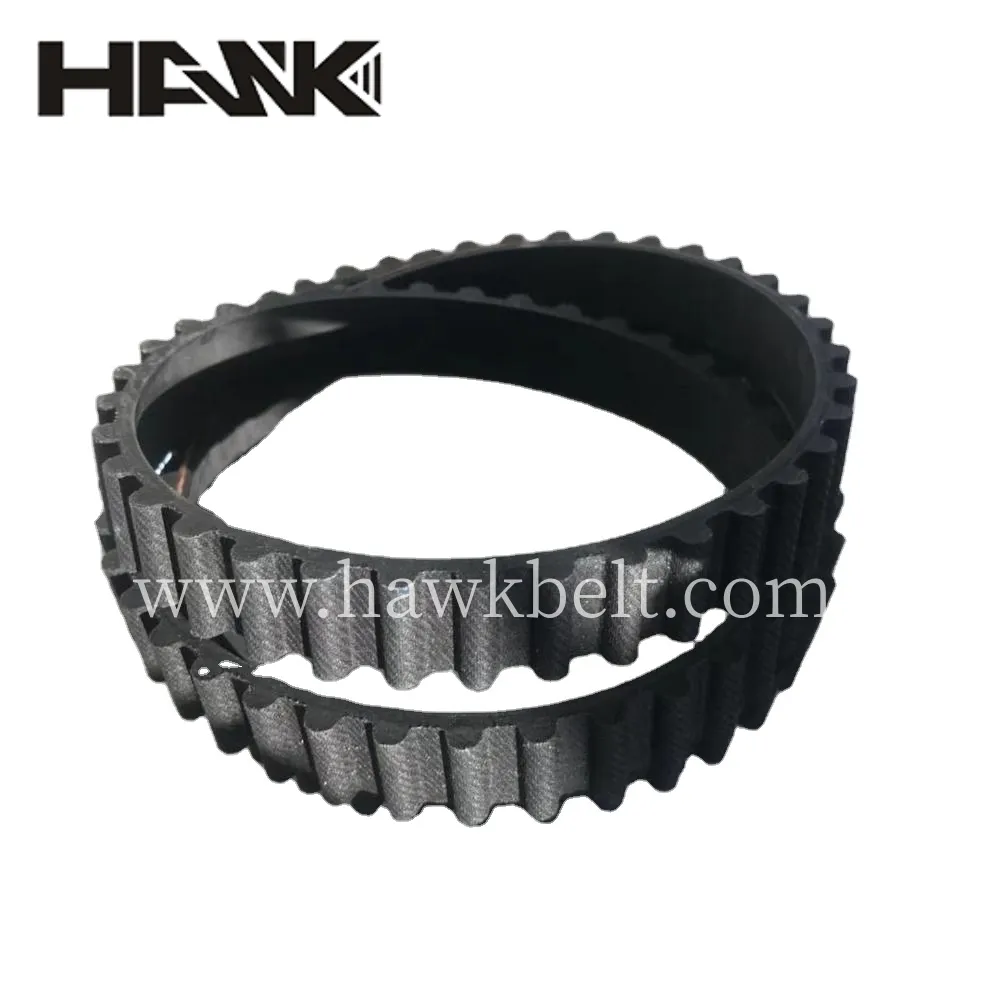
- Materials: CR for value and flexibility; HNBR for heat, oil, and ozone resistance. Fiberglass tensile cords, nylon tooth fabric.
- Methods: Precision layup, compression molding, post-cure, tooth grinding, and edge finishing; profile gauged to DIN/ISO references.
- Testing: Tensile (ASTM D412), hardness (ASTM D2240), ozone (ISO 1431-1), fluid resistance (ISO 1817), conductivity (ISO 9563), endurance rig to failure.
- Service life: ≈ 60,000–100,000 miles depending on drive alignment, pulleys, and environment.
- Industries: Passenger car service, fleet maintenance, independent garages, OEM-style replacements.
Why this Engine Timing Belt stands out
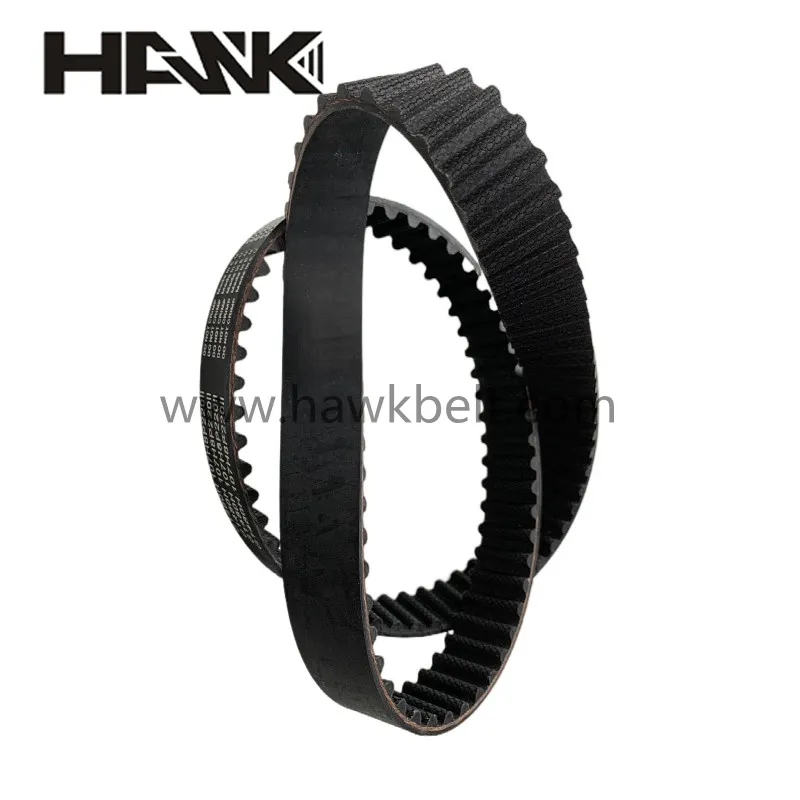
In fact, it’s the balance: consistent tooth geometry for cam/crank sync, plus HNBR option for hot-running turbo engines. In a quick rig test, sample belts held timing scatter within ≈ ±0.15° over 300 hours at 110°C—solid for an aftermarket unit.
Vendor snapshot (indicative)
| Brand | Compound | Typical Interval | Notes |
|---|---|---|---|
| Hawk (this model) | CR or HNBR | 60k–100k mi | Tight geometry; broad Asian fitments |
| Gates | HNBR | 60k–100k mi | Strong OEM presence |
| Conti | HNBR | 60k–100k mi | Low NVH focus |
| Dayco | CR/HNBR | 60k–90k mi | Cost-effective kits |
Applications, customization, and feedback
Engine Timing Belt fitments include common 4-cylinder Toyota/Hyundai/Kia engines used in taxis and ride-share fleets. Many customers say the HNBR version holds up better under heat-soak and short-trip cycles. Custom options: tooth counts/widths, fabric types, HNBR grades, aramid cord for severe duty, private labeling.
Case study: A coastal fleet in humid conditions swapped to HNBR belts and reported ≈ 15% fewer unscheduled belt-area services over 18 months, largely due to improved oil/ozone resistance (they also replaced tensioners—always do that).
Certifications and standards touchpoints
- Quality systems: ISO 9001; automotive QMS: IATF 16949 (supplier-level requirement in many RFQs).
- Material testing: ASTM D412, ASTM D2240, ISO 1431-1, ISO 1817; electrical: ISO 9563.
- Geometry/profile references: DIN 7721 / ISO vocabulary for synchronous belts.
Author note: replace the belt with water pump and tensioners when possible; timing integrity is a system, not a single part. To be honest, that’s where shops win or lose comebacks.
Authoritative citations
- IATF 16949:2016 – Automotive Quality Management System Requirements.
- ISO 9001:2015 – Quality management systems.
- ASTM D412 – Standard Test Methods for Vulcanized Rubber and Thermoplastic Elastomers—Tension.
- ASTM D2240 – Standard Test Method for Rubber Property—Durometer Hardness.
- ISO 1431-1 – Rubber, vulcanized or thermoplastic—Resistance to ozone cracking.
- ISO 1817 – Rubber, vulcanized or thermoplastic—Determination of the effect of liquids.
- ISO 9563 – Toothed belts—Determination of static electrical conductivity.
- DIN 7721 – Toothed belt drives—Fundamentals.
-
Comprehensive Guide to Selecting High Performance drive belts
NewsApr.16,2026
-
Guide to Choosing the Right Fan Belt for Car Performance
NewsApr.09,2026
-
Understanding and Maintaining Your Vehicle's Serpentine Belt for Optimal Performance
NewsApr.07,2026
-
Choosing the Right Steering Belt for Optimal Vehicle Performance and Safety
NewsApr.04,2026
-
Understanding the Serpentine Belt for Optimal Vehicle Performance
NewsMar.31,2026
-
Comprehensive Guide to Understanding Your Fan Belt Car and Maintenance
NewsMar.28,2026