

Oct . 02, 2025 13:15 Back to list
Double Sided Serpentine Belt: High Grip, OEM Fit, Quiet?
An Insider’s Look at the Double-Sided PK Drive: Real-World Notes on a workhorse belt
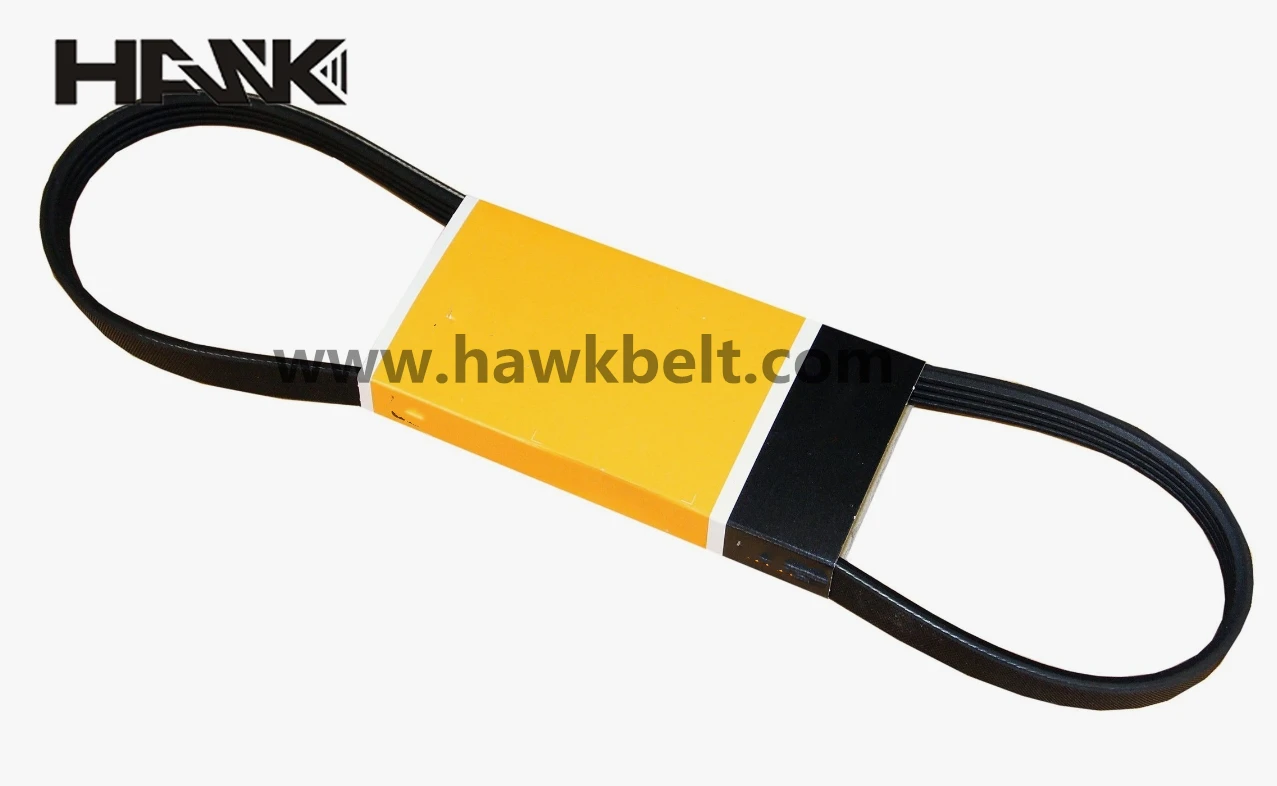
If you’ve ever fought accessory squeal on a high-load drive, you’ve probably wondered whether a double sided serpentine belt is the smarter move. Lately, in workshops from Xingtai to Rotterdam, techs tell me they’re leaning PK rib belts with dual-face traction when routing gymnastics or back-side idlers are unavoidable. Honestly, it makes sense.
What’s trending
Two big shifts: higher alternator loads (smart charging) and tighter engine bays. That means more wrap angles, more reverse-bend passes, and, yes, more stress. A robust double sided serpentine belt in EPDM tends to hold tension longer and shrug off glazing. Many customers say noise calms down after 200–300 km of bed-in.
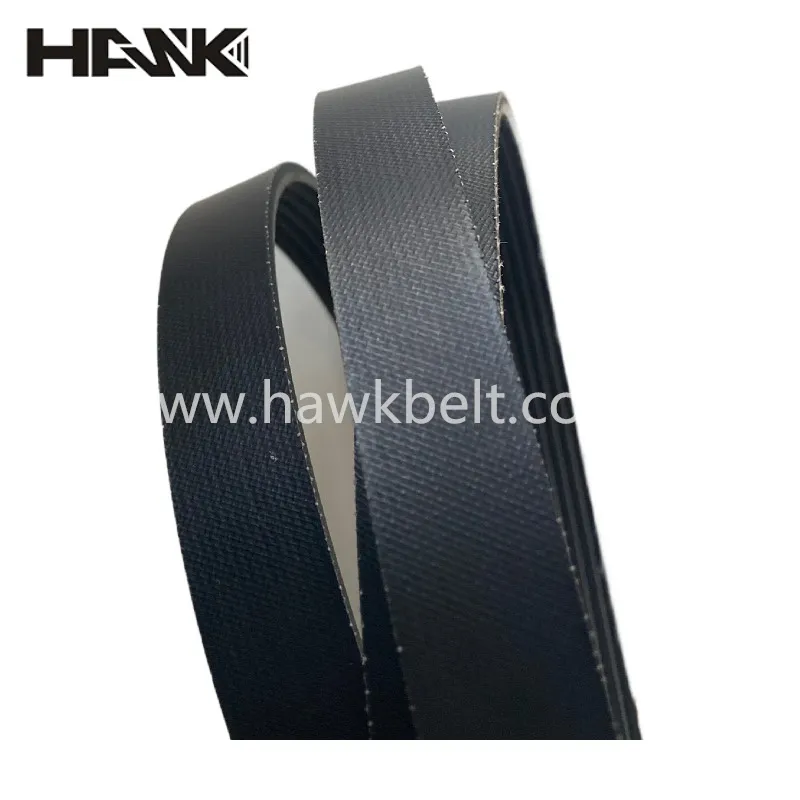
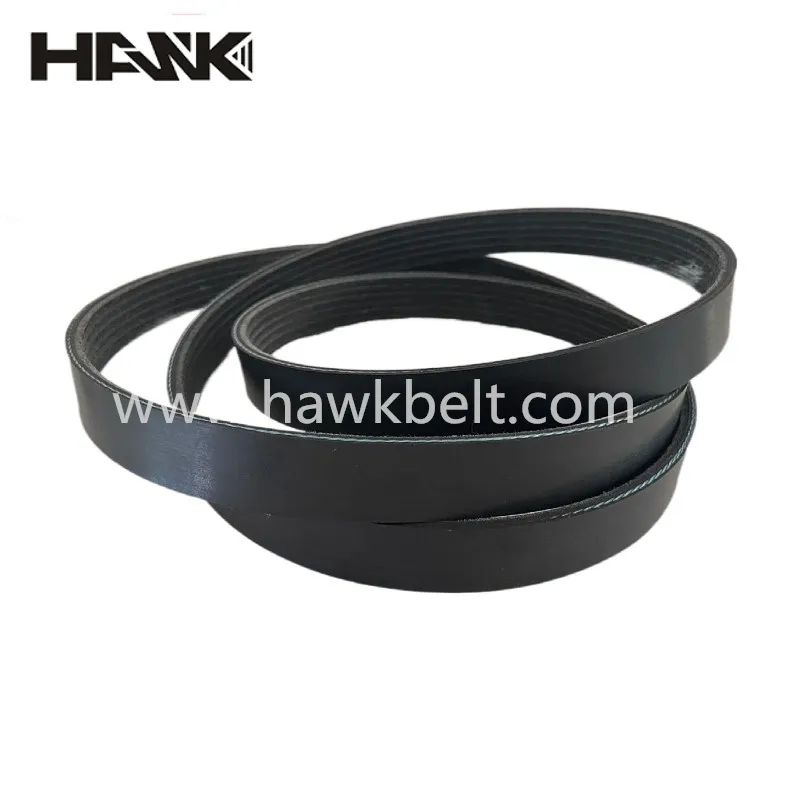
Product snapshot: High Quality PK Belt 5PK 6PK 7PK 8PK 9PK4145 10PK
| Product | High Quality PK Belt 5PK/6PK/7PK/8PK/9PK4145/10PK |
| Material | EPDM (automotive-grade, ozone-resistant) |
| Length | 4145 mm (≈ 163.2 in) for 9PK; other ribs available |
| Weight | ≈ 0.19 kg (real-world may vary by rib count) |
| Rib profile | PK (per ISO 9982) |
| Compatibility | Toyota/Honda/Kia/Renault/Peugeot/BMW/Benz/Land Rover/Nissan/Audi (OE: 3–36PK ranges) |
| Origin | No. 386 Xuyang Avenue, Renze District, Xingtai City, Hebei, China |
| Temp window | ≈ −40°C to +130°C (EPDM typical) |
How it’s made (short version)
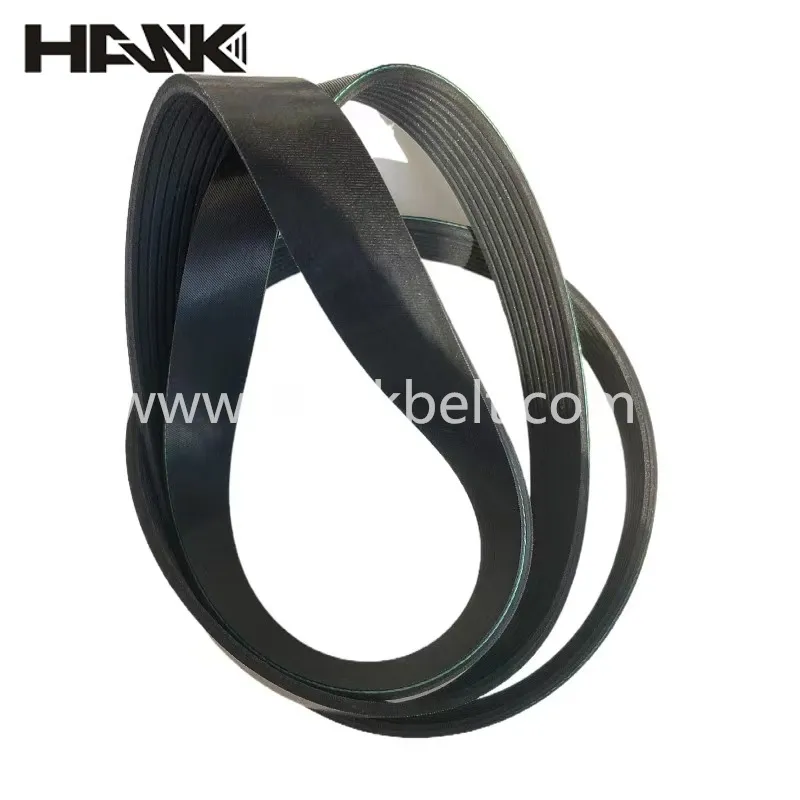
Materials: EPDM compound, tensile cord (polyester or aramid, application-specific), fiber-loaded backing for the reverse ribs.
Methods: precision mixing, calendering, rib-form wrapping, dual-face molding, vulcanization, post-cure grind.
Testing: SAE J2432 dynamometer durability, belt cross-flex fatigue, heat-aging (150 h at 125°C), ozone exposure, dimensional stability. Noise and slip audited on multi-accessory rigs.
Service life: around 100,000–160,000 km when alignment and tensioner health are in spec (yes, tensioners still matter).

Where it shines
- Passenger cars and SUVs with backside idlers or complex routing
- Light commercial vans, buses, and mild-hybrid accessories
- HVAC compressors and agricultural implements (retrofit scenarios)
In practice, a double sided serpentine belt helps when the back face must transmit power or maintain wrap without chewing itself on smooth idlers. It’s also forgiving in fleets where alignment isn’t perfect, though I’d never use that as an excuse to skip pulley inspection.
Vendor snapshot: who does what
| Vendor | Material | Temp rating | Certs | Customization | Notes |
|---|---|---|---|---|---|
| HawkBelt (Xingtai) | EPDM | ≈ −40 to +130°C | ISO 9001; often IATF 16949 (verify) | Ribs 3–36PK, length, branding, packaging | Balanced price-to-life; strong PK coverage |
| Premium OE | EPDM/aramid cord | ≈ −40 to +140°C | IATF 16949, REACH | Wide, but higher MOQs | Top durability; premium pricing |
| Budget Import | CR/EPDM mix | ≈ −20 to +110°C | Basic QC | Limited | Lower cost; variable noise performance |
Customization and proof
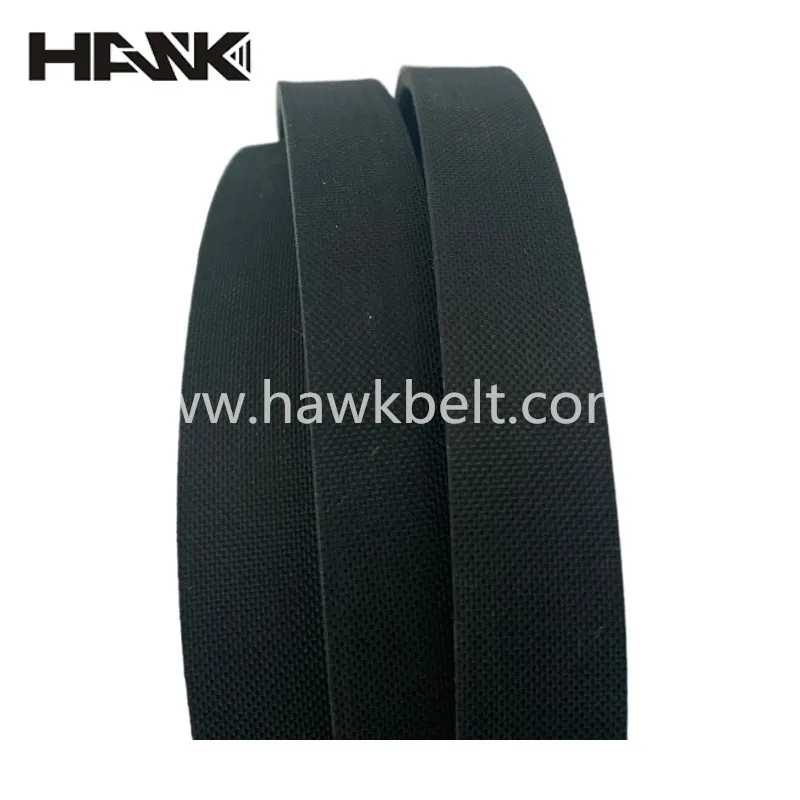
Options: rib count (3–36PK), length coding (e.g., 9PK4145), cord type, white-label printing, carton kits. Internal dyno work (per SAE J2432) showed ≈3–5 dB less chirp after heat soak versus a CR blend, and belt stretch under load improved by ≈12%—not a lab fairy tale, but measured on a multi-accessory bench.
Quick case notes
A suburban delivery fleet swapped to a double sided serpentine belt on vans with aggressive wrap angles. Result? Fewer tensioner replacements and quieter morning starts in damp weather. Another shop reported smoother clutch engagement on a reman AC compressor—no drama, just fewer comebacks.
Standards and compliance
Look for ISO 9982 profile conformity, testing aligned to SAE J2432, and quality systems under ISO 9001 or IATF 16949. REACH/RoHS statements are common; ask for current declarations and, if you’re picky (I am), the certificate numbers.
Citations
- SAE J2432: Accessory Drive Belt Test Guidelines (SAE International)
- ISO 9982: Drive belts — V-ribbed belts and corresponding pulleys (ISO)
- ISO 9001 / IATF 16949 Quality Management Systems for automotive suppliers (ISO, IATF)
-
Comprehensive Guide to Selecting High Performance drive belts
NewsApr.16,2026
-
Guide to Choosing the Right Fan Belt for Car Performance
NewsApr.09,2026
-
Understanding and Maintaining Your Vehicle's Serpentine Belt for Optimal Performance
NewsApr.07,2026
-
Choosing the Right Steering Belt for Optimal Vehicle Performance and Safety
NewsApr.04,2026
-
Understanding the Serpentine Belt for Optimal Vehicle Performance
NewsMar.31,2026
-
Comprehensive Guide to Understanding Your Fan Belt Car and Maintenance
NewsMar.28,2026