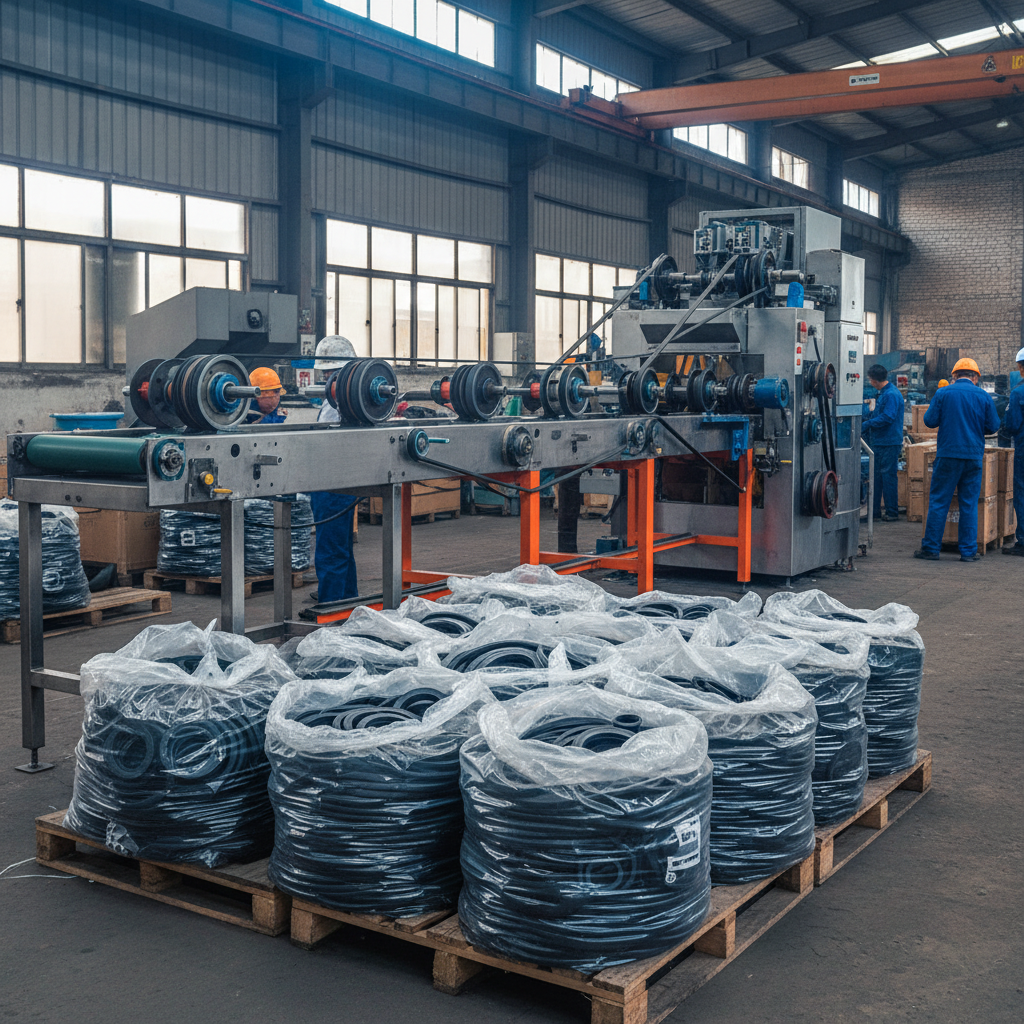
The global demand for efficient engine components drives a significant market for wholesale timing belt machines. These machines are crucial for the mass production of timing belts, essential for synchronizing the crankshaft and camshaft in internal combustion engines. Understanding the intricacies of these machines – their capabilities, maintenance requirements, and technological advancements – is paramount for automotive manufacturers, suppliers, and repair facilities worldwide. This understanding impacts production efficiency, cost-effectiveness, and the overall reliability of vehicles.
The wholesale timing belt machine industry is directly influenced by the automotive industry’s growth, particularly in emerging economies. Factors like increasing vehicle ownership, stricter emission regulations driving engine innovation, and the demand for higher performance engines all contribute to the need for consistent, high-quality timing belt production. The scale of this production necessitates robust and efficient wholesale timing belt machines.
Investing in a thorough understanding of wholesale timing belt machine technology isn’t just about mechanical expertise; it's about streamlining manufacturing processes, reducing downtime, and ensuring a steady supply of a critical component. This, in turn, impacts the global automotive supply chain and the accessibility of reliable transportation. Understanding the nuances of these machines can unlock substantial economic benefits.
The Importance of Wholesale Timing Belt Machines
Wholesale timing belt machines represent the backbone of timing belt production, a critical component in the automotive and industrial sectors. These machines aren’t simply about output quantity; they are about precision, reliability, and the ability to meet the ever-increasing demands of a global market. The quality of the timing belts produced directly impacts engine performance and longevity, making the machine’s capabilities paramount.
The significance extends beyond automotive. Timing belts are also used in various industrial applications, including conveyor systems, packaging machinery, and even certain types of robotics. Therefore, the performance and efficiency of wholesale timing belt machines have far-reaching consequences across multiple industries. A robust machine translates to fewer production errors, reduced waste, and ultimately, a more competitive market position.
Defining Wholesale Timing Belt Machines
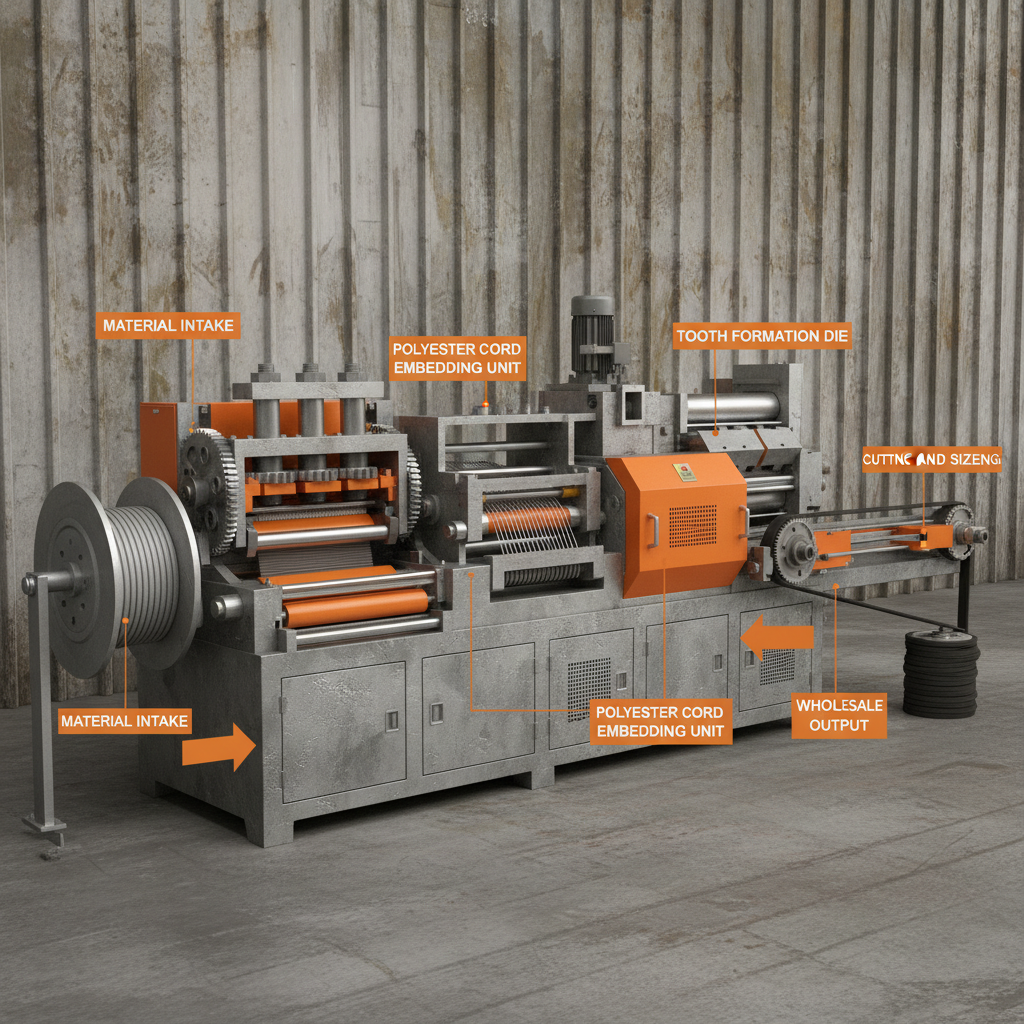
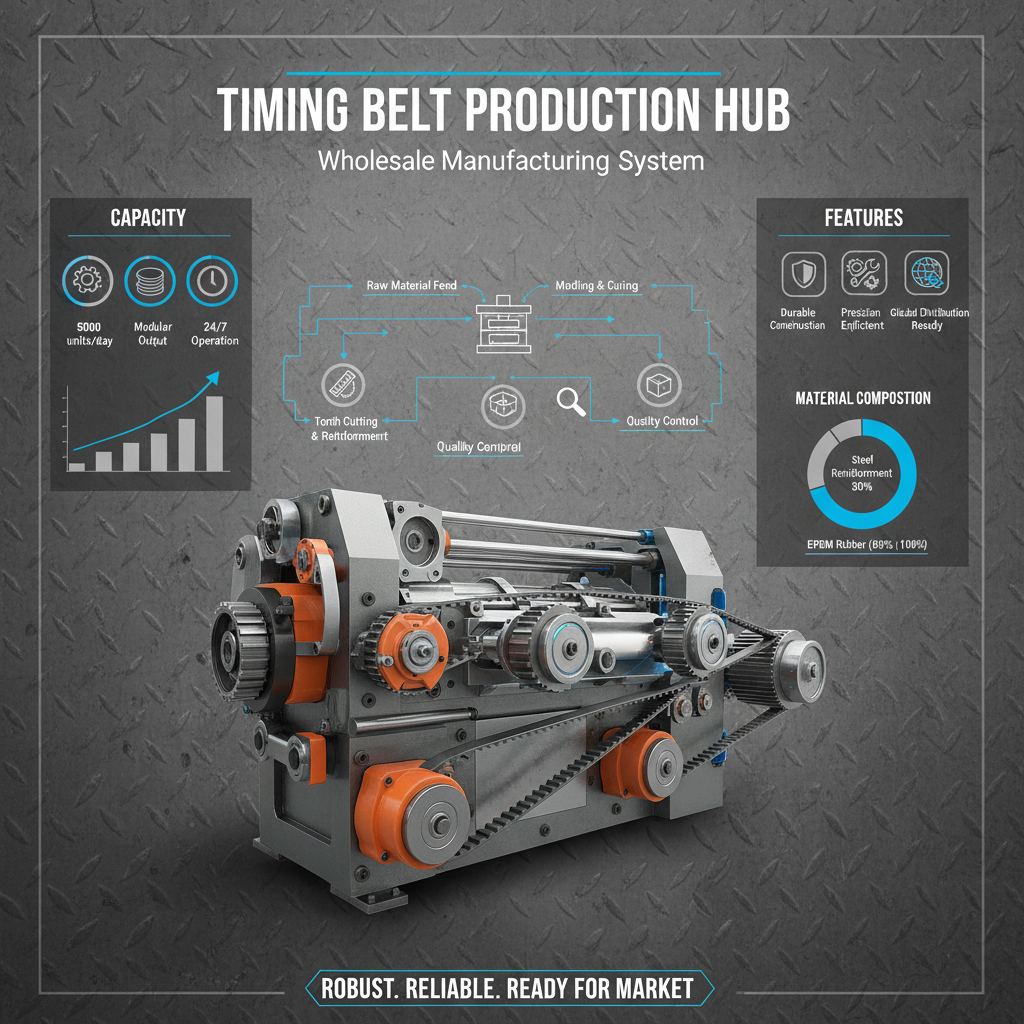
A wholesale timing belt machine is a specialized industrial system designed for the large-scale production of timing belts. These machines typically encompass several key stages: material feeding, belt forming, vulcanization (curing), cooling, and quality control. They often feature automated components, sophisticated control systems, and high-precision tooling to ensure consistent quality and output.
Unlike machines designed for small-scale production or repair, wholesale timing belt machines are built for continuous operation and high-volume output. They are frequently customized to accommodate different belt profiles, materials (rubber, polyurethane, etc.), and production specifications. The investment in such a machine signifies a commitment to large-scale manufacturing and a significant role in the automotive or industrial supply chain.
The connection to modern industry lies in the increasing complexity of engines and machinery requiring highly precise synchronization. Timing belts facilitate this synchronization, and wholesale timing belt machines enable the consistent, mass production of these critical components to meet global demands.
Core Components and Operational Aspects
The operation of a wholesale timing belt machine hinges on several core components. The feeding system precisely delivers raw materials, often rubber compounds or polyurethane, to the forming stage. This is followed by the shaping and molding of the belt profile, which is then vulcanized – a process of heating and curing that gives the belt its final strength and elasticity. Automated control systems, including PLCs and sensors, monitor and regulate these processes with precision.
Key operational aspects include maintaining consistent material ratios, controlling temperature and pressure during vulcanization, and implementing rigorous quality control checks throughout the production process. Effective maintenance, including regular cleaning, lubrication, and component replacement, is also crucial for ensuring long-term machine reliability and minimizing downtime. Sophisticated machines often feature predictive maintenance capabilities, utilizing sensors and data analysis to anticipate potential issues before they arise.
A central component is the cooling system, designed to rapidly solidify the vulcanized belt, maintaining its shape and structural integrity. Finally, a quality inspection system verifies dimensions, tensile strength, and other critical parameters before the belts are packaged and shipped.
Performance Metrics & Production Capacity
Evaluating the performance of a wholesale timing belt machine requires examining several key metrics. Production capacity, measured in belts per hour or day, is a primary indicator of efficiency. However, it's equally important to consider the rate of defects – the percentage of belts that fail to meet quality standards. Energy consumption per belt produced is another vital metric, reflecting the machine’s operational cost and environmental impact.
Wholesale Timing Belt Machine Performance Comparison
Global Applications and Industry Sectors
Wholesale timing belt machines are integral to automotive manufacturing hubs globally, including regions in China, Germany, Japan, and the United States. These areas represent significant concentrations of vehicle production and, consequently, a high demand for timing belts. Beyond automotive, these machines serve industries utilizing precision synchronization in processes like textile manufacturing, packaging, and materials handling.
In post-disaster relief operations, the rapid production of conveyor belts – often reliant on timing belt technology – can be crucial for distributing aid and supplies. Similarly, in remote industrial zones, where maintaining a reliable supply chain can be challenging, on-site timing belt production facilities powered by wholesale machines can provide a critical advantage.
Advantages of Investing in Advanced Machines
Investing in advanced wholesale timing belt machines yields several tangible benefits. Cost savings are realized through increased production efficiency, reduced material waste, and lower labor costs. Sustainability is enhanced by optimizing energy consumption and minimizing environmental impact. Improved product quality leads to greater customer satisfaction and reduced warranty claims.
From a logical perspective, the precision and reliability of these machines translate to fewer production errors and a more consistent supply of high-quality components. Emotionally, these factors build trust with customers and reinforce a company’s reputation for excellence. Automation features also improve worker safety by reducing exposure to hazardous materials and repetitive tasks.
Future Trends and Technological Innovations
The future of wholesale timing belt machine technology is poised for significant advancements. Increased automation, driven by advancements in robotics and AI, will further streamline production processes and reduce the need for manual intervention. The integration of Industry 4.0 technologies, such as real-time data analytics and predictive maintenance, will optimize machine performance and prevent costly downtime.
The development of new materials, including more durable and eco-friendly rubber compounds and high-performance polymers, will also drive innovation in timing belt design and manufacturing. Furthermore, a growing emphasis on sustainability will lead to the development of machines with lower energy consumption and reduced waste generation. The trend towards customization and the production of specialized timing belts will necessitate machines with greater flexibility and adaptability.
Digital twin technology, creating virtual replicas of the machines for simulation and optimization, is also emerging as a powerful tool for enhancing performance and troubleshooting issues remotely.
FAQS
Lead times for wholesale timing belt machines vary depending on customization requirements, order volume, and the manufacturer’s production schedule. Generally, standard machines may take 8-12 weeks for delivery, while highly customized solutions can require 16-20 weeks or longer. It's crucial to discuss specific needs with the supplier to obtain an accurate timeline.
Regular maintenance is crucial for ensuring the longevity and performance of wholesale timing belt machines. This includes daily cleaning, weekly lubrication of moving parts, monthly inspections of critical components (like bearings and belts), and annual professional servicing. Implementing a preventative maintenance schedule is highly recommended.
Modern machines incorporate several safety features, including emergency stop buttons, safety guards around moving parts, light curtains to prevent access during operation, and interlock systems that halt the machine if guards are removed. They often comply with international safety standards (e.g., CE marking).
Many wholesale timing belt machines offer a degree of adaptability, allowing them to produce belts of varying widths, profiles, and materials. However, the extent of this adaptability depends on the machine's design and the complexity of the different belt types. It’s important to specify the range of belt types you intend to produce during the initial consultation.
Operating a wholesale timing belt machine requires a skilled and trained workforce. Training should cover machine operation, safety procedures, routine maintenance, and troubleshooting techniques. Manufacturers typically offer comprehensive training programs, ranging from on-site instruction to remote learning modules.
Energy consumption varies depending on the machine’s size, production rate, and level of automation. Newer, more efficient models incorporate energy-saving technologies like variable frequency drives and optimized heating systems. However, expect substantial power requirements, often necessitating dedicated electrical infrastructure.
Conclusion
Wholesale timing belt machines are fundamental to the global automotive and industrial sectors, enabling the efficient, high-volume production of a critical component. Understanding their core components, performance metrics, and emerging trends is paramount for manufacturers seeking to optimize their operations, reduce costs, and maintain a competitive edge. Investing in advanced technology and prioritizing preventative maintenance are crucial for maximizing machine lifespan and ensuring consistent product quality.
Looking ahead, the integration of Industry 4.0 technologies, the development of sustainable materials, and a focus on automation will shape the future of wholesale timing belt machine technology. Businesses that embrace these innovations will be well-positioned to thrive in a rapidly evolving market. For reliable wholesale timing belt machine solutions, visit our website: wholesale timing belt machine.