

Mar . 19, 2026 02:05 Back to list
Comprehensive Guide to Understanding and Maintaining Your Engine Belt System
Understanding Your Engine Belt: A Comprehensive Guide
Your engine belt is a critical component of your vehicle’s operation, responsible for transferring power from the engine to various accessories. A failing engine belt can lead to serious mechanical issues and costly repairs. This article will cover everything you need to know about engine belts, including types, signs of wear, replacement, and how to choose the right belt for your needs. Maintaining a healthy engine belt is crucial for ensuring the longevity and performance of your vehicle.
Types of Engine Belts
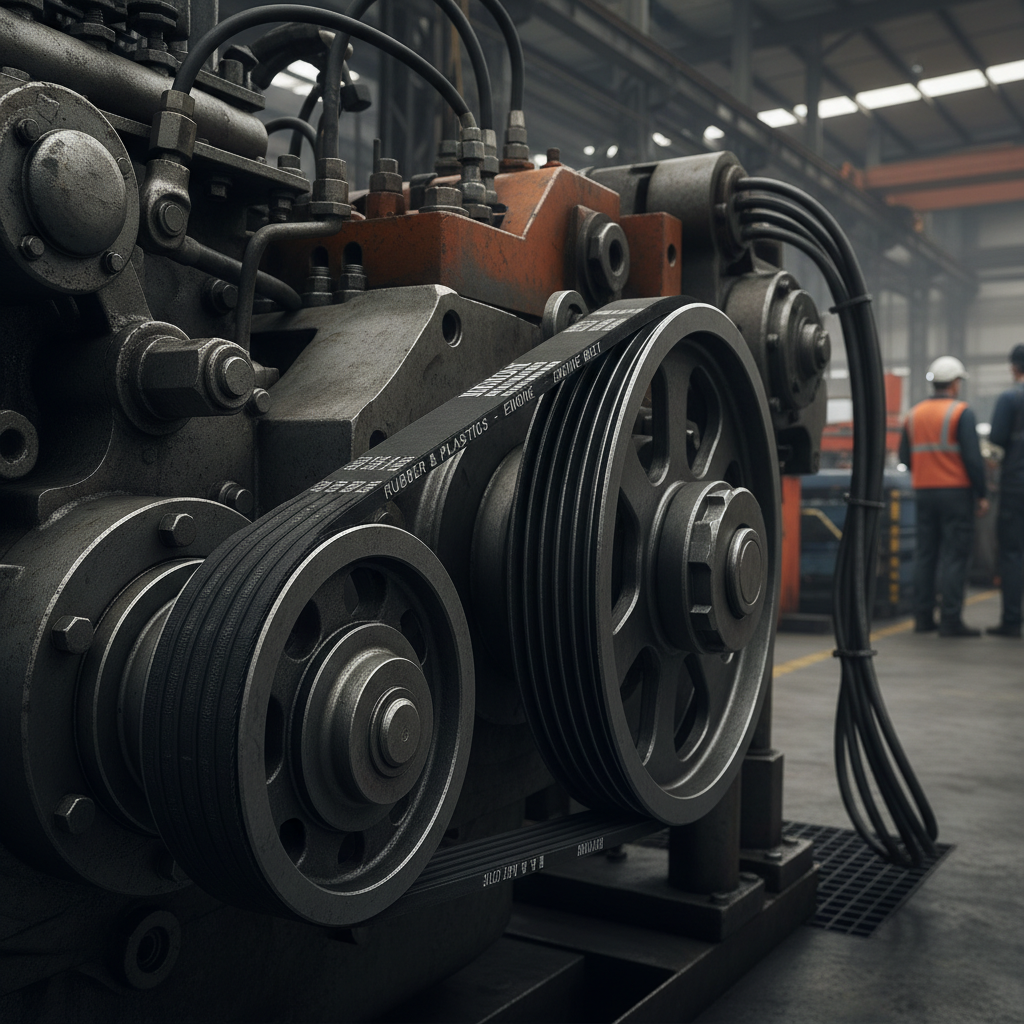
Engine belts have evolved over time, with several different types available today. The most common are V-belts, serpentine belts, and timing belts (though timing belts are a separate system). V-belts were traditionally used in older vehicles, featuring a V-shaped cross-section. Serpentine belts are now the standard, combining multiple functions into a single, winding belt. These belts are more efficient and require less maintenance than older V-belt systems. Understanding the type of belt your vehicle uses is vital for proper maintenance and replacement. HawkBelt offers a wide range of belts to meet various vehicle specifications.
Key Takeaway: Serpentine belts are the most commonly used type today, offering increased efficiency and reduced maintenance.
Recognizing the Signs of a Worn Engine Belt
Identifying a failing engine belt early can prevent further damage. Common signs include: squealing or chirping noises (especially when starting the engine or using accessories like the AC), visible cracks or fraying on the belt's surface, a glazed or shiny appearance (indicating wear), and difficulty starting the engine. If you notice any of these symptoms, it's crucial to have your belt inspected and potentially replaced. Ignoring these signs can lead to a complete belt failure, leaving you stranded and potentially causing engine damage. Don’t wait for a breakdown – proactive maintenance is key.
Warning Signs Checklist:
• Squealing or chirping noises
• Visible cracks or fraying
• Glazed or shiny appearance
• Difficulty starting the engine
Serpentine Belt vs. V-Belt: A Side-by-Side Comparison
While both serpentine and V-belts serve the same general purpose, there are key differences to consider. Serpentine belts are typically more durable and efficient due to their construction and ability to drive multiple accessories. V-belts are older technology and often require more frequent replacement. Here's a detailed comparison:
Choosing the Right Engine Belt for Your Vehicle
Selecting the correct engine belt is crucial for optimal performance and longevity. Always refer to your vehicle’s owner’s manual for the manufacturer’s recommended belt type and specifications. Consider the vehicle’s make, model, and year, as well as the engine type. When purchasing a new belt, opt for a reputable brand known for quality and durability. HawkBelt provides a comprehensive selection of belts designed to meet or exceed OEM specifications.
Engine Belt Replacement: DIY or Professional?
Replacing an engine belt can range from a relatively simple DIY task to a more complex job requiring specialized tools and knowledge. If you're comfortable working on cars and have the necessary tools, you may be able to replace the belt yourself. However, if you're unsure or lack experience, it's best to consult a qualified mechanic. Improper installation can lead to serious engine damage. HawkBelt also provides helpful resources and guides to aid in the installation process.
Conclusion: Prioritizing Your Engine's Health
Regularly inspecting and replacing your engine belt is a vital component of preventative vehicle maintenance. By understanding the different types of belts, recognizing the signs of wear, and choosing the right replacement, you can ensure the reliable performance and longevity of your engine. Don't neglect this critical part of your vehicle!
Frequently Asked Questions (FAQs)
How often should I replace my engine belt?
The recommended replacement interval for an engine belt varies depending on the vehicle and driving conditions. Generally, it’s advisable to inspect the belt every 30,000 miles and replace it every 60,000 to 100,000 miles. However, if you notice any signs of wear, such as cracks, fraying, or glazing, it's best to replace the belt sooner. Severe driving conditions, such as frequent stop-and-go traffic or exposure to extreme temperatures, may necessitate more frequent replacements. Always consult your vehicle’s owner’s manual for specific recommendations.
Can a worn engine belt cause other problems?
Yes, a worn or failing engine belt can cause a cascade of other problems. If the belt breaks, it can leave you stranded and potentially cause damage to the engine and other components it drives, such as the alternator, power steering pump, and air conditioning compressor. A slipping belt can also cause these accessories to malfunction, leading to issues like a dead battery, loss of power steering, or a non-functioning air conditioner. Preventative maintenance and timely belt replacement can avoid these costly repairs.
What tools do I need to replace an engine belt?
The tools required for engine belt replacement vary depending on the vehicle. Commonly needed tools include a wrench or socket set, a belt tensioner tool (to relieve tension on the belt), a screwdriver, and potentially a pulley alignment tool. It's also helpful to have gloves, safety glasses, and a flashlight. Always consult your vehicle’s repair manual for specific instructions and tool requirements.
Where can I find high-quality engine belts?
You can find high-quality engine belts at automotive parts stores, online retailers, and directly from manufacturers. HawkBelt offers a wide selection of durable and reliable engine belts designed to meet or exceed OEM specifications. We prioritize quality and performance to ensure your vehicle operates smoothly and efficiently.
-
Comprehensive Guide to Selecting High Performance drive belts
NewsApr.16,2026
-
Guide to Choosing the Right Fan Belt for Car Performance
NewsApr.09,2026
-
Understanding and Maintaining Your Vehicle's Serpentine Belt for Optimal Performance
NewsApr.07,2026
-
Choosing the Right Steering Belt for Optimal Vehicle Performance and Safety
NewsApr.04,2026
-
Understanding the Serpentine Belt for Optimal Vehicle Performance
NewsMar.31,2026
-
Comprehensive Guide to Understanding Your Fan Belt Car and Maintenance
NewsMar.28,2026