

Mar . 21, 2026 02:05 Back to list
Comprehensive Guide to Lathe Drive Belts for Optimal Machining Performance
Understanding Lathe Drive Belts: A Comprehensive Guide
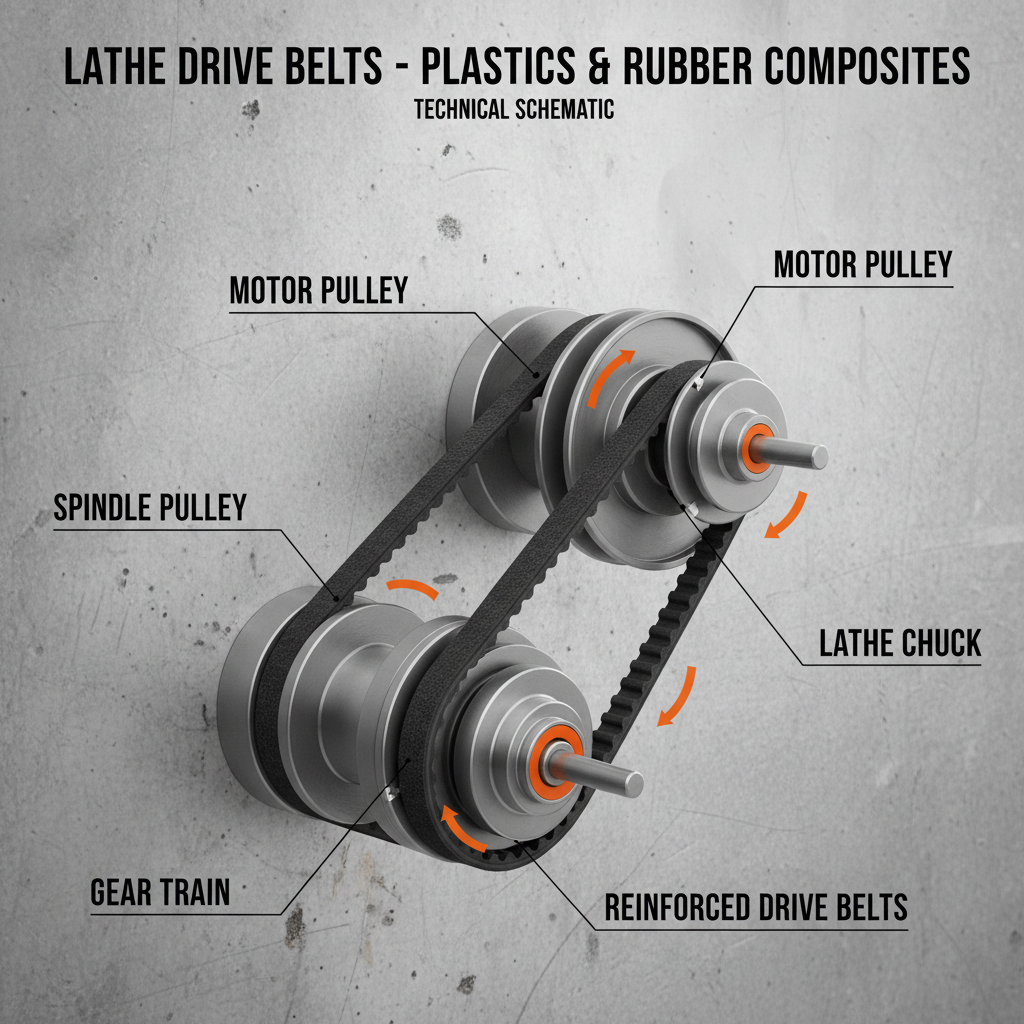
Lathe drive belts are crucial components in the smooth and efficient operation of any lathe machine. These belts transfer power from the motor to the spindle, enabling precise cutting and shaping of materials. Selecting the right lathe drive belt can significantly impact performance, reduce downtime, and extend the life of your equipment. This article will delve into the types, materials, selection criteria, and maintenance of lathe drive belts, offering a detailed overview for machinists, engineers, and anyone involved in lathe operations. Proper belt selection and maintenance are key to maximizing productivity and ensuring consistent results.
Types of Lathe Drive Belts
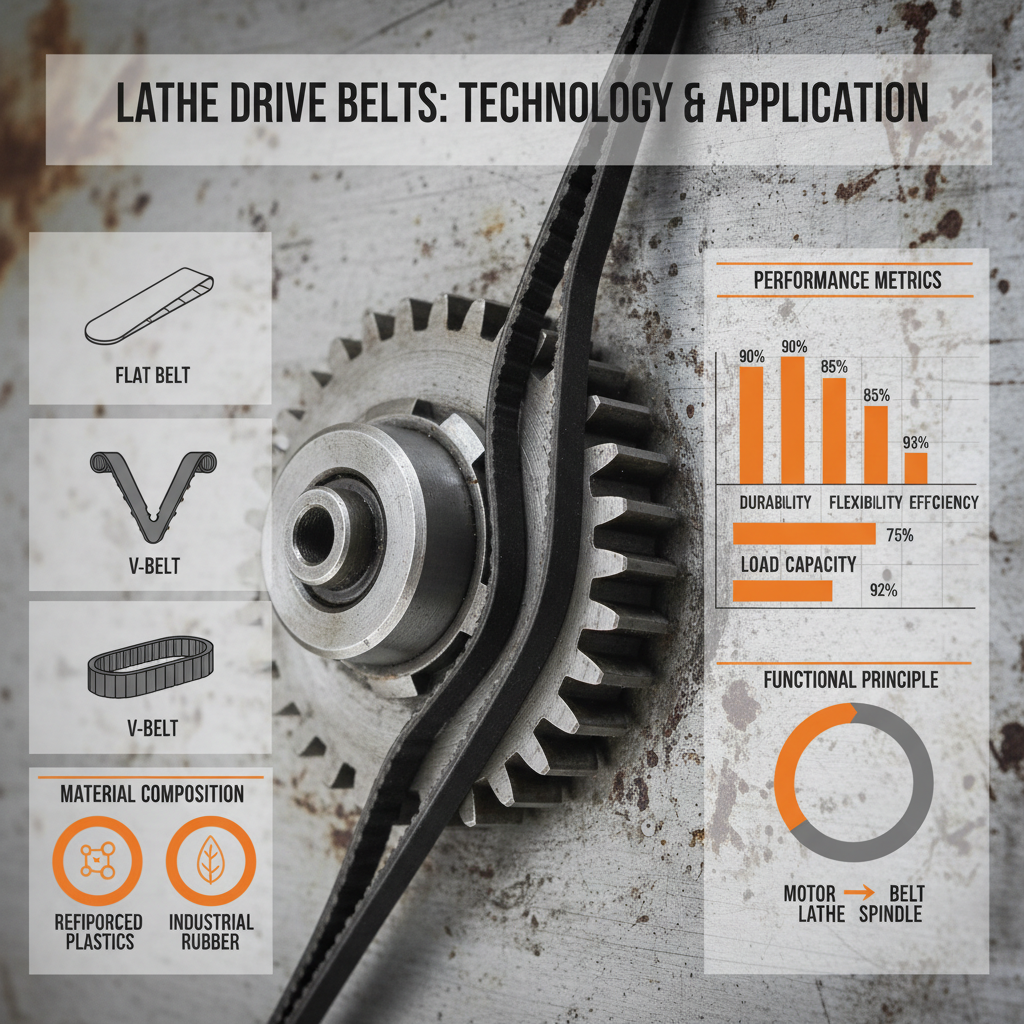
Several types of belts are commonly used in lathe applications, each with its own advantages and disadvantages. These include V-belts, flat belts, and banded V-belts. V-belts are the most prevalent choice due to their efficient power transmission and ability to handle shock loads. Flat belts are less common in modern lathes but can be suitable for lower-speed applications. Banded V-belts provide increased stability and are often used in heavy-duty applications. Choosing the right type depends on the lathe's power requirements, speed, and operating conditions. At Hawkbelt, we offer a comprehensive range of lathe drive belts to suit diverse needs.
Key Takeaway: Understanding the different belt types and their characteristics is essential for optimal performance and longevity.
Belt Materials and Their Properties
The material of a lathe drive belt significantly impacts its performance and durability. Common materials include rubber, polyurethane, and synthetic blends. Rubber belts are cost-effective but may be less resistant to oil and heat. Polyurethane belts offer superior strength, abrasion resistance, and chemical resistance, making them ideal for demanding applications. Synthetic blends provide a balance of performance and cost. The optimal material depends on the specific operating environment and the materials being machined. Choosing the right material extends the belt’s life and minimizes downtime.
Material Comparison:
• Rubber: Cost-effective, good grip, susceptible to oil & heat.
• Polyurethane: High strength, abrasion resistant, chemical resistant.
• Synthetic Blends: Balanced performance & cost.
Selecting the Right Lathe Drive Belt: Key Considerations
Choosing the correct belt involves several factors. First, determine the required belt length and width based on your lathe’s pulley diameters and center distance. Second, consider the power transmission requirements – higher power needs necessitate wider and thicker belts. Third, assess the operating environment. If the belt will be exposed to oil, heat, or chemicals, choose a material resistant to those elements. Finally, ensure the belt's load capacity matches or exceeds the lathe's maximum load. Using the wrong belt can lead to slippage, reduced efficiency, and premature failure. At Hawkbelt, our experts can help you select the ideal belt for your specific application.
Proper Installation and Maintenance of Lathe Drive Belts
Correct installation is crucial for belt longevity. Ensure the pulleys are aligned properly to prevent premature wear. Avoid over-tightening the belt, as this can stress the bearings. Regularly inspect the belt for cracks, fraying, or glazing. Keep the belt clean and free from oil and debris. Periodically check the belt tension and adjust as needed. Following these maintenance practices will extend the belt’s life and ensure optimal performance. Hawkbelt provides detailed installation guides and maintenance tips on our website.
Understanding Belt Tension and Its Impact
Maintaining proper belt tension is paramount for efficient power transfer and preventing premature wear. Too loose a belt will slip, reducing power and generating heat. Too tight a belt will strain the bearings and potentially cause damage. The optimal tension allows for slight deflection when pressed between the pulleys. Regularly checking and adjusting the tension, as outlined in your lathe’s manual, is a simple yet effective maintenance step. Using a belt tension gauge can provide accurate measurements and ensure consistent performance.
Conclusion: Ensuring Reliable Lathe Performance with Quality Belts
Investing in high-quality lathe drive belts from a reputable supplier like Hawkbelt is essential for maintaining optimal lathe performance and minimizing downtime. Understanding the different belt types, materials, and maintenance practices will help you make informed decisions and ensure long-lasting reliability. Don't compromise on quality – choose the right belt for your needs.
Frequently Asked Questions (FAQs)
How often should I replace my lathe drive belt?
The replacement frequency depends on usage and operating conditions. Generally, inspect belts every 6-12 months for signs of wear, such as cracks, fraying, or glazing. Replace the belt if any damage is detected, or if it's been in continuous use for 2-3 years. Heavy-duty applications or harsh environments may require more frequent replacements. Always consult your lathe’s manual for specific recommendations.
What causes lathe drive belts to slip?
Belt slippage can occur due to several factors, including insufficient tension, worn pulleys, oil or grease contamination, or improper belt alignment. Insufficient tension prevents the belt from gripping the pulleys effectively. Worn pulleys have reduced friction surfaces. Oil or grease reduces the coefficient of friction. Proper tensioning, cleaning, and alignment are crucial for preventing slippage.
Can I use a belt that is slightly longer than the original?
No, using a belt that is too long is not recommended. An overly long belt will not have sufficient tension, even at its tightest adjustment, leading to slippage and reduced efficiency. Always use a belt that matches the specified length for your lathe model. Using the wrong belt length can also damage the pulleys and other components.
Where can I find compatible lathe drive belts for my machine?
Hawkbelt offers a wide selection of lathe drive belts compatible with various lathe models. You can browse our online catalog or contact our knowledgeable team for assistance in finding the right belt for your specific machine. We also provide detailed specifications and installation guides.
-
Comprehensive Guide to Selecting High Performance drive belts
NewsApr.16,2026
-
Guide to Choosing the Right Fan Belt for Car Performance
NewsApr.09,2026
-
Understanding and Maintaining Your Vehicle's Serpentine Belt for Optimal Performance
NewsApr.07,2026
-
Choosing the Right Steering Belt for Optimal Vehicle Performance and Safety
NewsApr.04,2026
-
Understanding the Serpentine Belt for Optimal Vehicle Performance
NewsMar.31,2026
-
Comprehensive Guide to Understanding Your Fan Belt Car and Maintenance
NewsMar.28,2026