
Jan . 30, 2026 14:35 Back to list
Comprehensive Guide to Choosing the Right Motorcycle Drive Belts for Optimal Performance
Choosing the Right Motorcycle Drive Belts: A Comprehensive Guide
Motorcycle drive belts are a crucial component for smooth and efficient power transmission. Selecting the correct belt for your bike impacts performance, longevity, and overall riding experience. This article dives deep into the world of motorcycle drive belts, covering types, materials, maintenance, and how to choose the best option for your specific needs. Understanding the nuances of drive belts will help you make an informed decision and ensure optimal performance on the road.
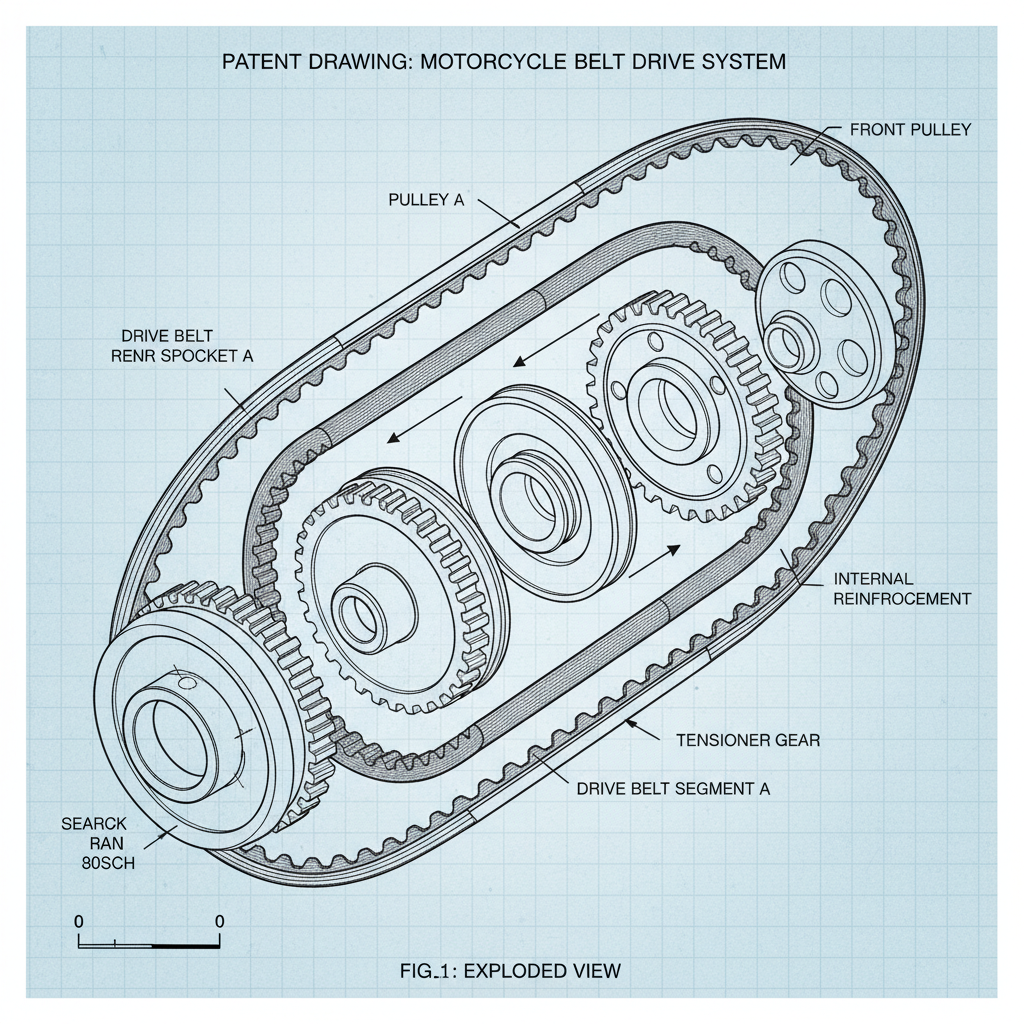
Understanding Motorcycle Drive Belt Types
There are primarily two types of motorcycle drive belts: carbon fiber reinforced and fiberglass reinforced. Carbon fiber belts offer superior tensile strength, reduced stretch, and higher heat resistance, making them ideal for high-performance motorcycles. Fiberglass belts are more cost-effective and provide good performance for standard motorcycles and scooters. The choice depends on your motorcycle's power output, riding style, and budget. HawkBelts offers both options, engineered for durability and performance.
Key Takeaway: Carbon fiber belts excel in high-performance applications while fiberglass belts offer a balance of performance and affordability.
Materials and Construction: What Makes a Quality Motorcycle Drive Belt?
The quality of a motorcycle drive belt depends heavily on the materials used in its construction. The core reinforcement (carbon fiber or fiberglass) provides tensile strength. The outer fabric, typically made of polyurethane or chloroprene rubber, protects the core from abrasion, oil, and other contaminants. High-quality belts also feature precision-molded cog profiles for efficient power transfer and reduced noise. HawkBelt utilizes premium materials and rigorous quality control to ensure superior belt performance and longevity.
Key Material Considerations:
• Core Reinforcement: Carbon Fiber or Fiberglass
• Outer Fabric: Polyurethane or Chloroprene Rubber
• Cog Profile: Precision-molded for efficient power transfer
Motorcycle Drive Belts Comparison: Carbon Fiber vs. Fiberglass
Choosing between carbon fiber and fiberglass drive belts requires understanding their strengths and weaknesses. The table below provides a detailed comparison.
Proper Maintenance for Extended Belt Life
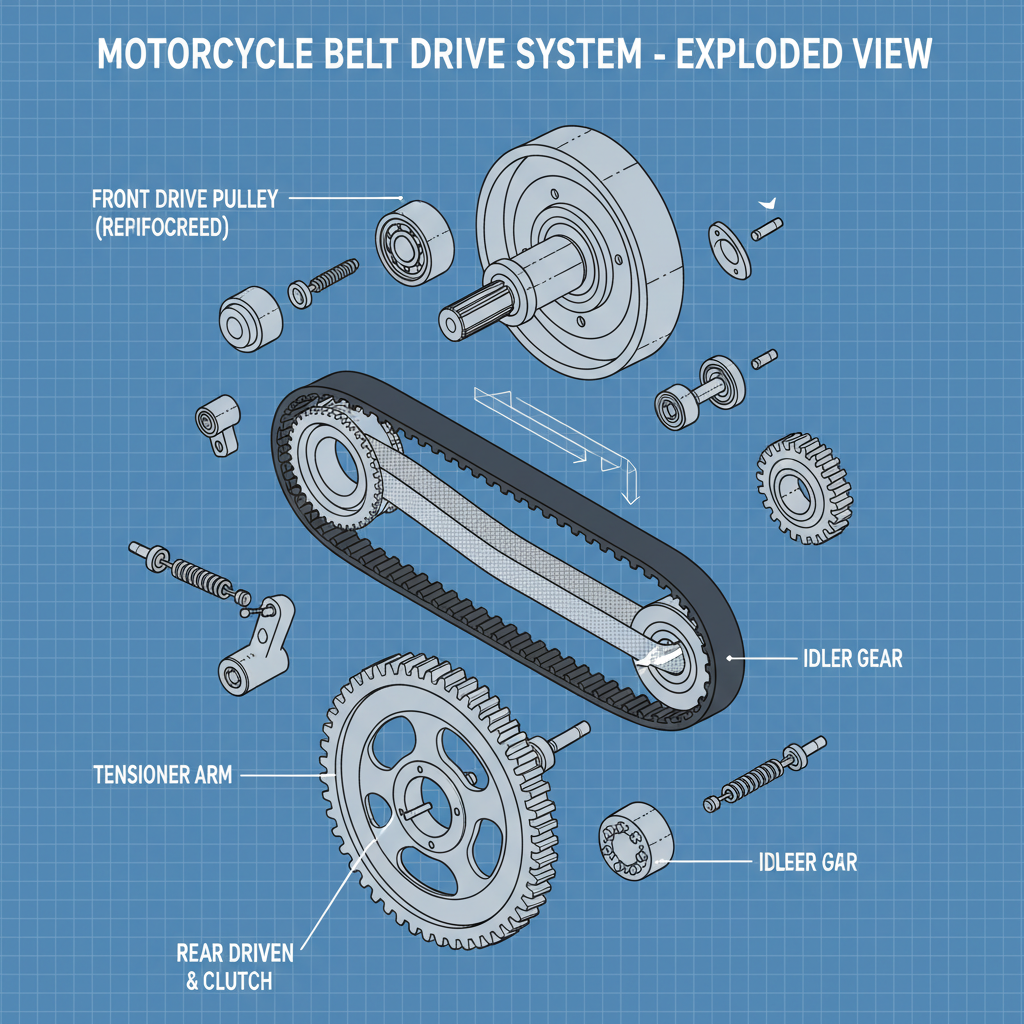
Regular maintenance is crucial for maximizing the lifespan of your motorcycle drive belt. This includes periodic cleaning to remove dirt and debris, checking belt tension, and inspecting for signs of wear and tear (cracks, fraying, or missing teeth). Proper lubrication can also reduce friction and extend belt life. Consult your motorcycle's owner's manual for specific maintenance recommendations. Ignoring maintenance can lead to premature belt failure and potential damage to your motorcycle.
Choosing the Right Motorcycle Drive Belt: A Summary
Selecting the ideal motorcycle drive belt requires careful consideration of your motorcycle's specifications, riding style, and budget. Carbon fiber belts are best for high-performance bikes, while fiberglass belts offer a cost-effective solution for everyday riding. Prioritize quality materials, precise construction, and regular maintenance to ensure optimal performance and longevity. HawkBelts offers a wide range of high-quality drive belts to meet your specific needs.
Conclusion: Investing in Quality for Peace of Mind
Choosing the right motorcycle drive belt is a critical investment in your bike's performance and your riding safety. By understanding the different types, materials, and maintenance requirements, you can ensure a smooth, reliable, and enjoyable riding experience. Don't compromise on quality – choose HawkBelts for superior performance and peace of mind.
Frequently Asked Questions (FAQs)
How often should I replace my motorcycle drive belt?
The recommended replacement interval varies depending on riding conditions and belt type. As a general guideline, inspect your belt annually or every 5,000 miles. Replacement is typically needed every 20,000 to 30,000 miles for fiberglass belts and 30,000 to 50,000 miles for carbon fiber belts. However, any signs of damage (cracks, fraying, or missing teeth) warrant immediate replacement. HawkBelts offers durable belts designed for long-lasting performance.
What causes a motorcycle drive belt to fail?
Several factors can contribute to drive belt failure, including improper tension, contamination from oil or chemicals, wear and tear from mileage, and harsh riding conditions. Overly tight belts can strain the belt and components, while loose belts can slip and wear prematurely. Regular maintenance and inspection can help prevent premature failure.
Can I use a belt tensioner to adjust my drive belt?
Yes, most modern motorcycles are equipped with a belt tensioner to allow for easy adjustment. Follow the manufacturer's recommendations for proper tension. Over-tightening or under-tightening can lead to premature belt failure. If you are unsure about the correct tension, consult a qualified motorcycle mechanic.
What is the best way to clean a motorcycle drive belt?
Use a mild detergent and warm water to gently clean the belt. Avoid harsh chemicals or solvents, as these can damage the rubber. Apply the cleaning solution with a soft cloth and wipe clean. After cleaning, ensure the belt is thoroughly dry before riding.
-
Comprehensive Guide to Selecting High Performance drive belts
NewsApr.16,2026
-
Guide to Choosing the Right Fan Belt for Car Performance
NewsApr.09,2026
-
Understanding and Maintaining Your Vehicle's Serpentine Belt for Optimal Performance
NewsApr.07,2026
-
Choosing the Right Steering Belt for Optimal Vehicle Performance and Safety
NewsApr.04,2026
-
Understanding the Serpentine Belt for Optimal Vehicle Performance
NewsMar.31,2026
-
Comprehensive Guide to Understanding Your Fan Belt Car and Maintenance
NewsMar.28,2026