
Feb . 11, 2026 02:05 Back to list
Choosing the Right Motorcycle Belt for Optimal Performance and Longevity
Choosing the Right Motorcycle Belt: A Comprehensive Guide
A durable and reliable motorcycle belt is crucial for ensuring optimal performance and longevity of your bike's transmission. Whether you're a seasoned rider or new to the world of motorcycles, understanding the different types, materials, and maintenance requirements is essential. This article will provide a detailed overview of motorcycle belts, helping you make an informed decision when selecting the right belt for your needs. We’ll cover everything from understanding belt drive systems to recognizing signs of wear and tear.
Understanding Motorcycle Belt Drive Systems
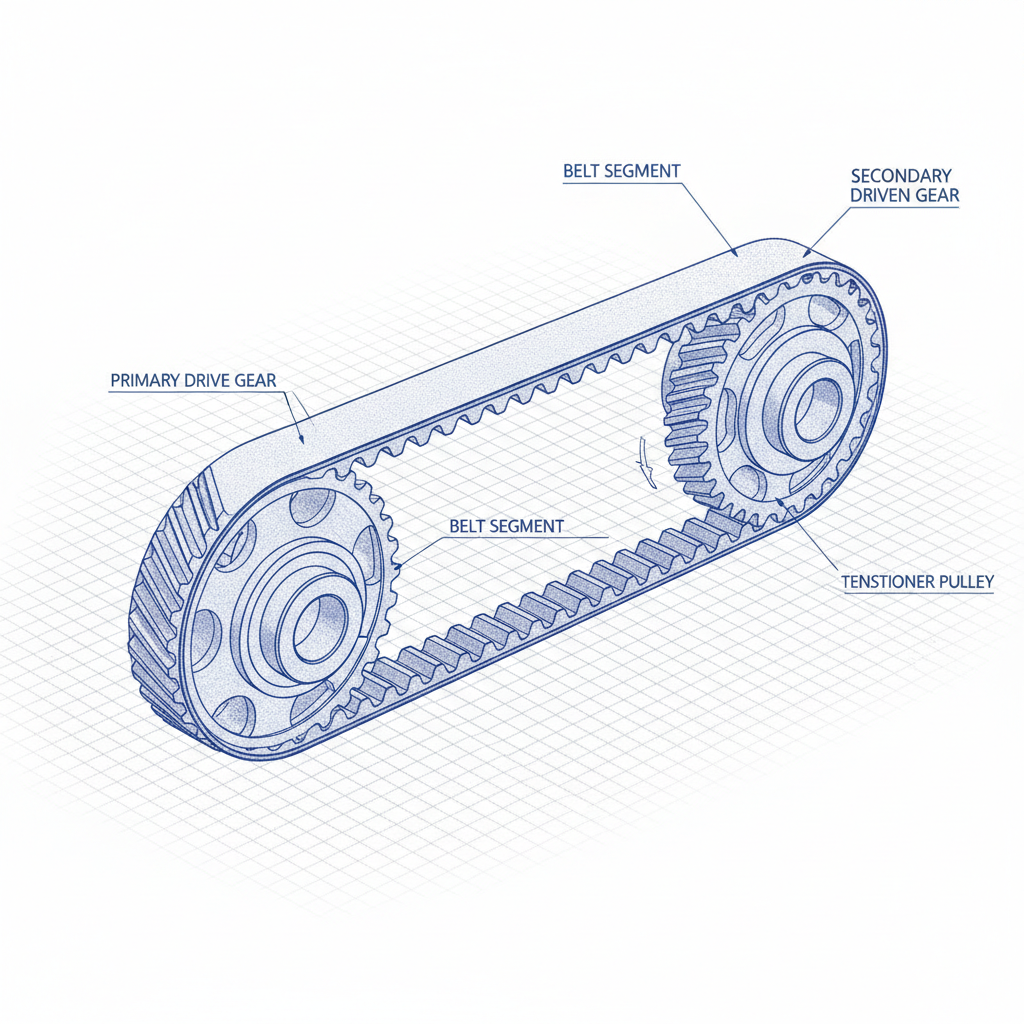
Motorcycle belt drives have become increasingly popular due to their smooth, quiet operation and relatively low maintenance compared to chain drives. Unlike chains, belts don't require regular lubrication and are less prone to stretching. They offer a clean and efficient power transfer, making them a favored choice for touring bikes and cruisers. The system consists of the front and rear pulleys and the belt itself, which transmits power from the engine to the rear wheel. Choosing a high-quality motorcycle belt like those offered at HawkBelt.com ensures efficient and reliable performance.
Key Benefits: Smooth, quiet operation; Reduced maintenance; Clean power transfer; Long lifespan when properly maintained.
Types of Motorcycle Belts
Motorcycle belts aren't one-size-fits-all. They come in various materials and constructions, each offering different levels of performance and durability. Common types include reinforced rubber belts, carbon fiber reinforced belts, and Kevlar reinforced belts. Reinforced rubber belts are typically more affordable but may have a shorter lifespan. Carbon fiber belts offer superior strength and heat resistance, making them ideal for high-performance motorcycles. Kevlar belts strike a balance between cost and performance, providing good durability and strength.
Belt Material Comparison:
• Rubber: Cost-effective, suitable for standard motorcycles.
• Kevlar: Excellent strength and durability.
• Carbon Fiber: Superior strength, heat resistance, and performance.
Motorcycle Belt vs. Chain & Sprocket: A Detailed Comparison
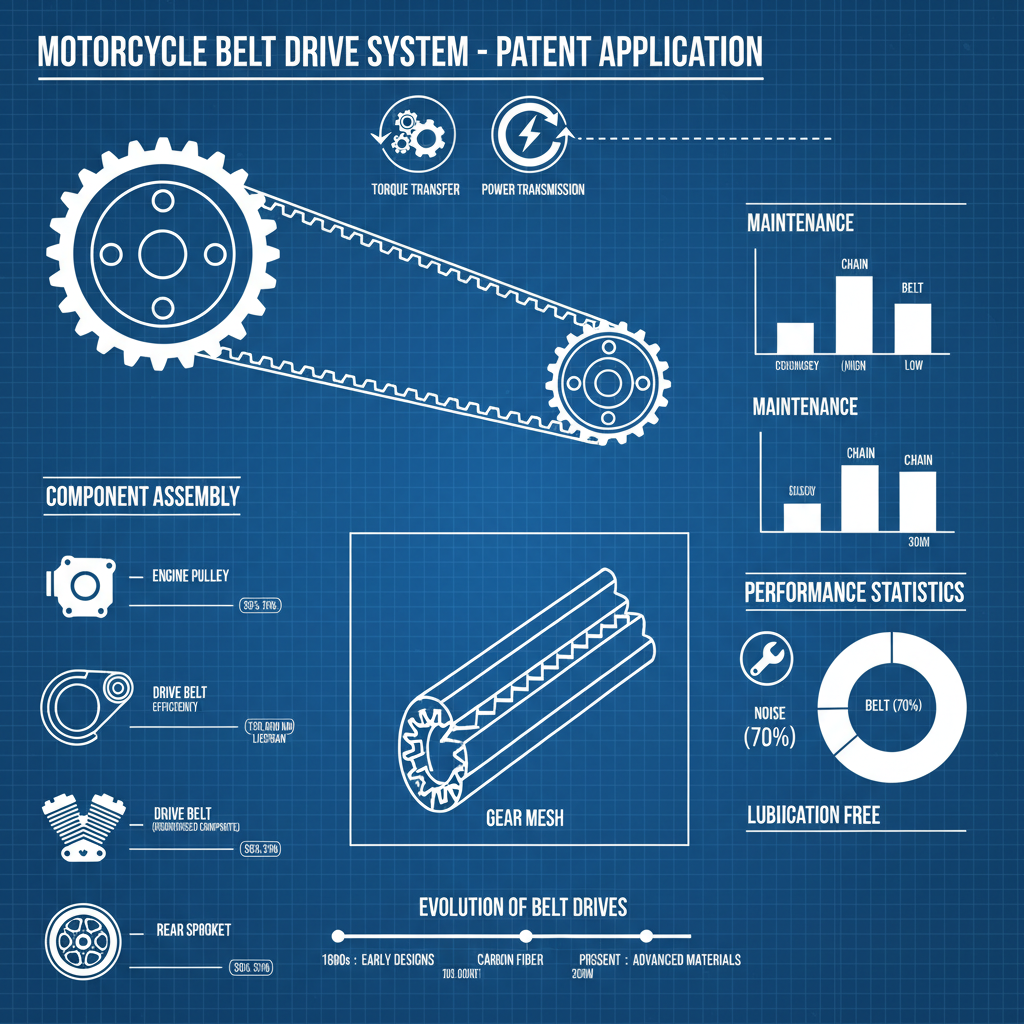
Choosing between a belt drive and a chain drive is a significant decision. Chain drives are traditionally more common, but belt drives are gaining popularity. Chains require regular lubrication, cleaning, and adjustment, while belts offer a cleaner, quieter, and lower-maintenance alternative. However, chains are generally more robust and can handle higher horsepower applications. The initial cost of a belt drive system is often higher, but the reduced maintenance can offset this over time. Selecting the right drive system depends on your riding style, motorcycle type, and budget. Investing in a quality motorcycle belt can significantly reduce long-term maintenance costs.
Selecting the Right Motorcycle Belt for Your Bike
When choosing a motorcycle belt, consider your bike's make and model, your riding style, and the amount of power your engine produces. Refer to your motorcycle's service manual for the correct belt specifications. Ensure the belt is the right length and width for your bike's pulleys. If you are unsure, consult with a qualified motorcycle mechanic. HawkBelt.com offers a wide range of belts compatible with various motorcycle brands and models.
Motorcycle Belt Maintenance and Lifespan
Proper maintenance is key to maximizing the lifespan of your motorcycle belt. Regularly inspect the belt for cracks, wear, and damage. Keep the pulleys clean and free of debris. Avoid over-tightening the belt, as this can cause premature wear. Replace the belt when it shows signs of significant wear or damage. A well-maintained motorcycle belt can last for many miles, providing reliable performance and peace of mind.
Conclusion: Invest in Quality and Reliability
Choosing the right motorcycle belt is a critical component of ensuring a safe and enjoyable riding experience. By understanding the different types of belts, their benefits, and proper maintenance procedures, you can make an informed decision that suits your needs and budget. HawkBelt.com provides high-quality belts designed for performance and durability. Don’t compromise on quality – choose HawkBelt for a reliable and long-lasting solution.
Frequently Asked Questions (FAQs)
How often should I replace my motorcycle belt?
The replacement interval for a motorcycle belt depends on several factors, including riding conditions, maintenance practices, and the quality of the belt. As a general guideline, it’s recommended to inspect the belt every 6,000-10,000 miles and replace it every 20,000-30,000 miles or sooner if signs of wear are detected. Signs of wear include cracks, fraying, missing teeth, or excessive stretch. Always refer to your motorcycle's service manual for specific recommendations. Using a quality belt from a reputable manufacturer, such as HawkBelt.com, can help extend the belt's lifespan.
What causes a motorcycle belt to wear out prematurely?
Several factors can contribute to premature wear of a motorcycle belt. These include improper tension (too tight or too loose), misalignment of the pulleys, contamination with oil or chemicals, and exposure to harsh weather conditions. Regularly cleaning the belt and pulleys, ensuring proper tension, and addressing any misalignment issues can significantly extend the belt's lifespan. Using a belt guard can also help protect the belt from debris and contaminants.
How do I properly tension a motorcycle belt?
Proper belt tension is crucial for optimal performance and longevity. Consult your motorcycle's service manual for the specific tension specifications. Typically, tension is adjusted using an adjuster mechanism on the swingarm. The belt should have a slight amount of deflection when pressed with your thumb. Over-tightening can damage the belt and pulleys, while under-tightening can cause slippage and reduced power transfer. If you’re unsure about the process, it's best to have a qualified motorcycle mechanic adjust the belt tension.
Can I use a belt tensioner tool to help with adjustment?
Yes, a belt tensioner tool can be a valuable aid in achieving accurate belt tension. These tools measure the deflection of the belt, helping you ensure it’s within the manufacturer's recommended specifications. They eliminate guesswork and provide a more consistent and reliable adjustment. However, always refer to your motorcycle’s service manual and follow the recommended procedures for belt tensioning.
-
Comprehensive Guide to Selecting High Performance drive belts
NewsApr.16,2026
-
Guide to Choosing the Right Fan Belt for Car Performance
NewsApr.09,2026
-
Understanding and Maintaining Your Vehicle's Serpentine Belt for Optimal Performance
NewsApr.07,2026
-
Choosing the Right Steering Belt for Optimal Vehicle Performance and Safety
NewsApr.04,2026
-
Understanding the Serpentine Belt for Optimal Vehicle Performance
NewsMar.31,2026
-
Comprehensive Guide to Understanding Your Fan Belt Car and Maintenance
NewsMar.28,2026