

Mar . 24, 2026 02:15 Back to list
Choosing the Right Lathe Belt for Optimal Performance and Longevity
Choosing the Right Lathe Belt: A Comprehensive Guide
A high-quality lathe belt is essential for optimal performance and longevity of your lathe machine. Selecting the correct belt ensures efficient power transmission, reduces vibration, and minimizes wear and tear. This article delves into the key considerations when choosing a lathe belt, covering different types, materials, sizing, and maintenance tips. Whether you're a seasoned machinist or new to lathe operation, understanding the nuances of lathe belts will help you maximize your machine's capabilities.
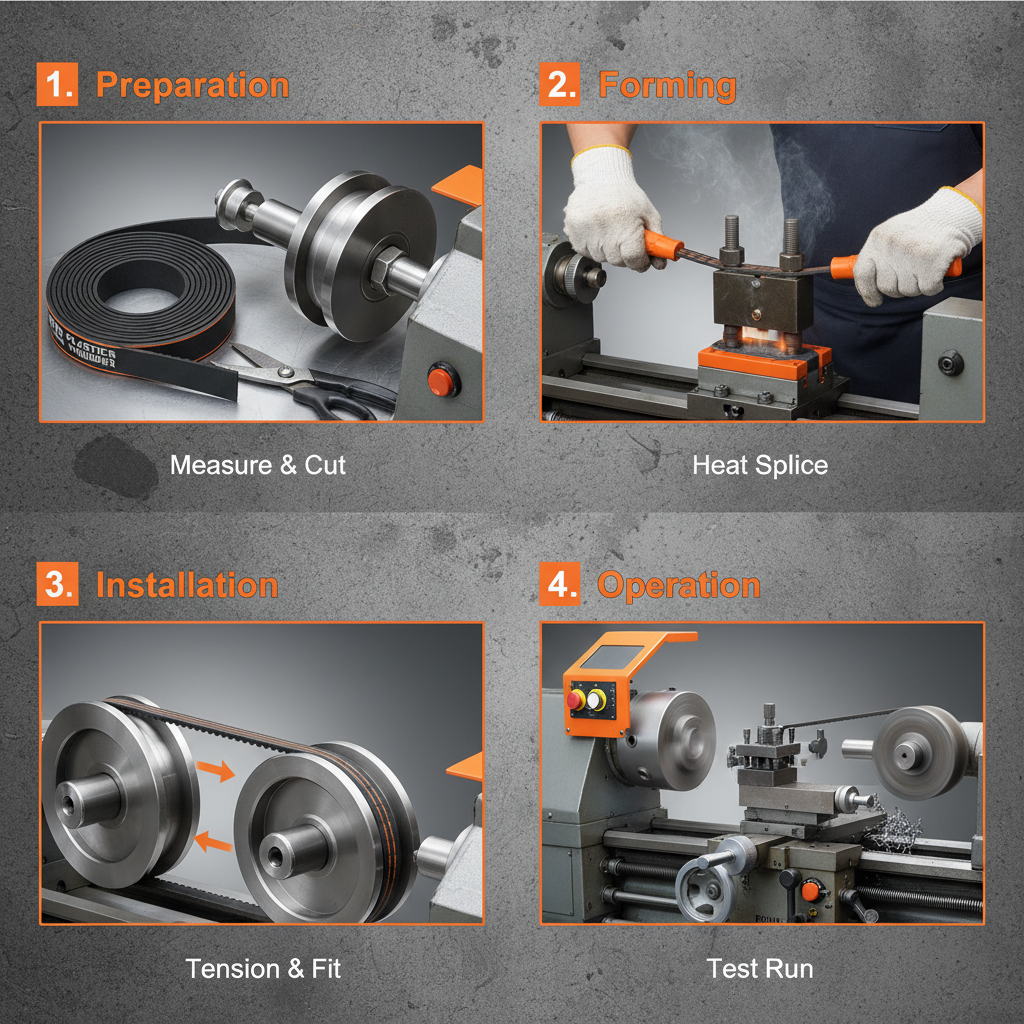
Understanding Different Types of Lathe Belts
Lathe belts come in various types, each suited for specific applications and power transmission requirements. The most common types include V-belts, banded V-belts, and timing belts. V-belts are known for their versatility and ability to handle shock loads. Banded V-belts provide increased stability and reduced vibration. Timing belts, also known as synchronous belts, offer precise power transmission and are ideal for applications requiring accurate speed control. Understanding the advantages and disadvantages of each type is crucial for selecting the best belt for your lathe. Consider the horsepower requirements, operating speed, and potential for slippage when making your decision.
Key Considerations: Selecting the proper belt material, construction, and dimensions is important for optimizing your lathe’s performance and lifespan.
Materials Used in Lathe Belt Manufacturing
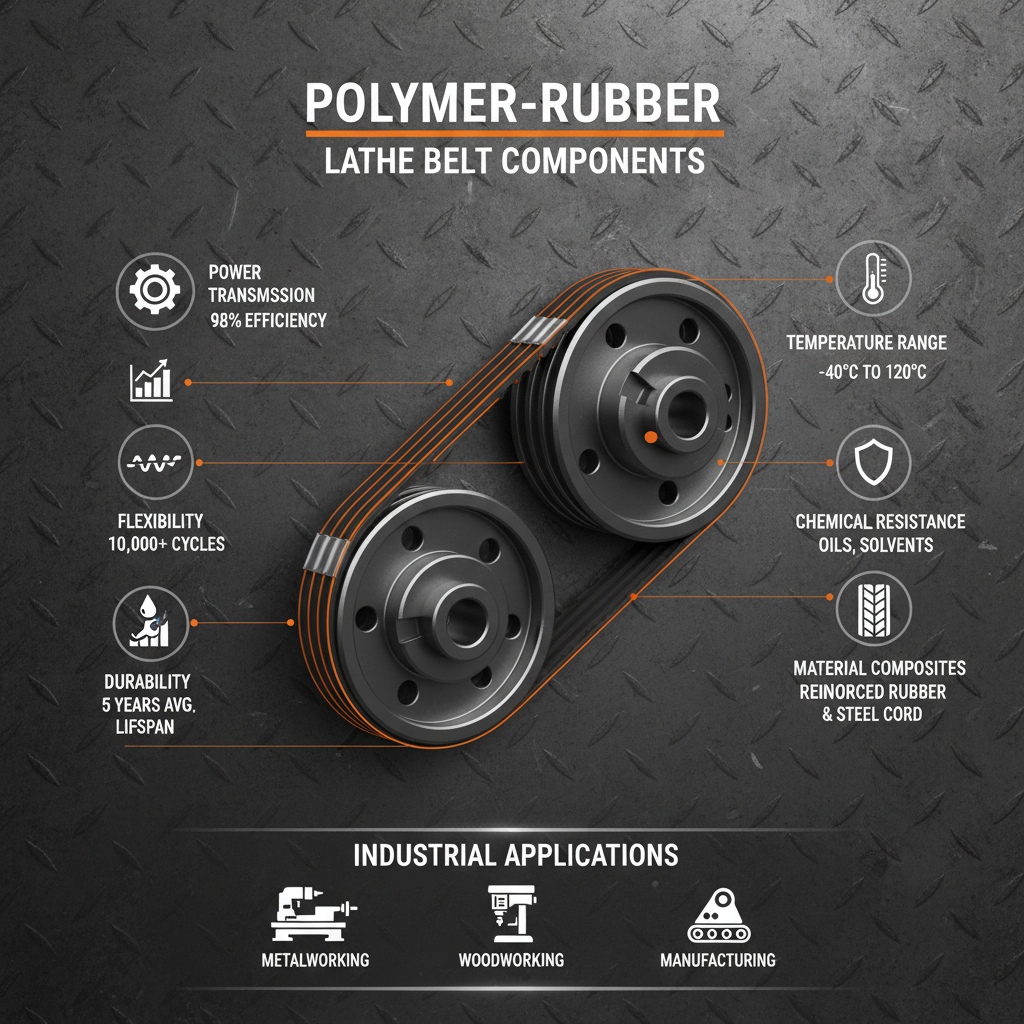
The material of a lathe belt significantly impacts its performance, durability, and resistance to wear and tear. Common materials include rubber, polyurethane, and reinforced composites. Rubber belts are cost-effective and provide good flexibility, but they may be susceptible to cracking and deterioration over time. Polyurethane belts offer superior abrasion resistance and can withstand higher temperatures. Reinforced composite belts combine the strength of synthetic fibers with the flexibility of rubber or polyurethane, providing exceptional durability and performance. Consider the operating environment and potential exposure to oil, chemicals, and extreme temperatures when selecting a belt material.
Material Comparison:
• Rubber: Cost-effective, good flexibility, susceptible to deterioration.
• Polyurethane: Superior abrasion resistance, high-temperature tolerance.
• Reinforced Composites: Exceptional durability, high strength.
Sizing and Dimensions for Optimal Fit of Your Lathe Belt
Accurate sizing is crucial for ensuring proper belt fit and performance. Lathe belt sizes are typically designated by their top width, pitch length, and angle. The top width refers to the belt's outer dimension. The pitch length is the effective length of the belt's neutral axis. The angle denotes the wedge shape of the V-belt. To determine the correct belt size, consult your lathe's manual or measure the existing belt. Using the wrong size belt can lead to slippage, overheating, and premature failure. It is always recommended to use the manufacturer’s recommended belt size for optimal performance and safety.
Maintenance and Longevity of Your Lathe Belt
Proper maintenance can significantly extend the life of your lathe belt. Regularly inspect the belt for signs of wear, such as cracks, fraying, or glazing. Keep the belt clean and free from oil and debris. Ensure proper belt tension – too loose, and it will slip; too tight, and it will stress the bearings. Consider using a belt dressing specifically designed for V-belts to improve grip and reduce slippage. Replace the belt promptly when signs of significant wear are detected.
Where to Purchase High-Quality Lathe Belts
Choosing a reputable supplier is key to obtaining a durable and reliable lathe belt. HawkBelt offers a wide selection of high-quality lathe belts in various sizes and materials. We are committed to providing our customers with superior products and exceptional customer service. Explore our comprehensive catalog and find the perfect belt for your specific lathe application today! We offer competitive pricing and fast shipping.
Conclusion: Ensuring Optimal Performance with the Right Lathe Belt
Investing in a high-quality lathe belt from a trusted supplier like HawkBelt is crucial for maintaining the performance, efficiency, and longevity of your lathe machine. By understanding the different types, materials, sizing considerations, and maintenance practices outlined in this article, you can make an informed decision and select the perfect belt for your specific needs.
Frequently Asked Questions (FAQs)
What is the typical lifespan of a lathe belt?
The lifespan of a lathe belt varies depending on usage, operating conditions, and the quality of the belt. Generally, a well-maintained lathe belt can last between 1 to 3 years. However, frequent use, exposure to extreme temperatures, oil contamination, or excessive tension can shorten its lifespan. Regular inspection for signs of wear and tear is essential for determining when to replace the belt. Replacing the belt proactively can prevent unexpected downtime and costly repairs. A visual inspection for cracks and glazing should be done monthly, and the belt replaced if any damage is seen.
How do I determine the correct belt tension?
Proper belt tension is crucial for optimal performance. Too loose, and the belt will slip, reducing power transmission. Too tight, and it will stress the bearings and potentially damage the belt itself. A general rule of thumb is to allow for approximately 1/64 inch of deflection per inch of span between pulleys. There are also belt tension gauges available that can provide more precise measurements. Refer to your lathe's manual for specific tensioning recommendations.
What are the signs that a lathe belt needs to be replaced?
Several signs indicate that a lathe belt needs to be replaced. These include visible cracks, fraying, or glazing on the belt surface, slipping during operation, excessive noise, and a noticeable decrease in power transmission. If you observe any of these symptoms, it's time to replace the belt to prevent further damage to your lathe machine. Ignoring these signs can lead to more significant and expensive repairs down the line.
-
Comprehensive Guide to Selecting High Performance drive belts
NewsApr.16,2026
-
Guide to Choosing the Right Fan Belt for Car Performance
NewsApr.09,2026
-
Understanding and Maintaining Your Vehicle's Serpentine Belt for Optimal Performance
NewsApr.07,2026
-
Choosing the Right Steering Belt for Optimal Vehicle Performance and Safety
NewsApr.04,2026
-
Understanding the Serpentine Belt for Optimal Vehicle Performance
NewsMar.31,2026
-
Comprehensive Guide to Understanding Your Fan Belt Car and Maintenance
NewsMar.28,2026