

Oct . 29, 2025 02:35 Back to list
Belts Timing Experts: Durable, Quiet, OEM-Grade Kits
Belts Timing is a key solution in the car industry, specifically within auto parts and Automotive engine components. This article explores how Xingtai Hake rubber and plastic products Co., LTD supports professionals with durable, high-performance products, and explains why this product is an ideal choice for businesses in these sectors.
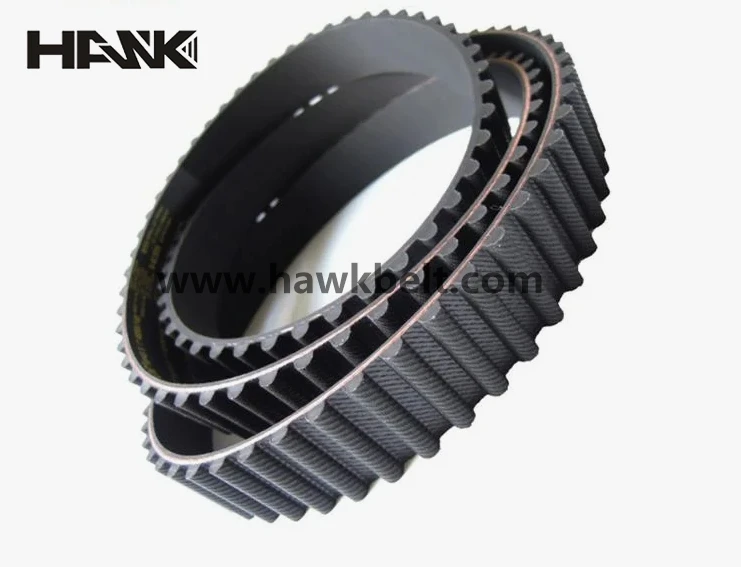
Table of Contents
- Belts Timing Overview
- Benefits & Use Cases of Belts Timing in Automotive engine components
- Cost, Maintenance & User Experience
- Sustainability & Market Trends in car
- Conclusion on Belts Timing from Xingtai Hake rubber and plastic products Co., LTD
Belts Timing Overview
In an internal combustion engine, the timing belt—also called a cam belt—synchronizes the crankshaft and camshaft(s) so valves open and close precisely. Belts Timing solutions are engineered synchronous belts that transfer motion with exact tooth engagement, minimizing slip and ensuring accurate valve timing. Compared with timing chain drives, belts are lighter, quieter, and can reduce parasitic losses, which supports fuel economy and emissions targets. Today’s production and aftermarket demand spans “timing belt and timing chain” platforms; many OEMs choose belts for their low NVH and efficiency advantages, while others specify chains for lifetime packaging. Xingtai Hake rubber and plastic products Co., LTD manufactures high-performance synchronous belts using CR/HNBR compounds, fiberglass/aramid tensile cords, and precision-ground tooth profiles for stable timing accuracy over service life. Typical specs include curvilinear profiles (e.g., HTD/STD), pitches from 3 to 9.525 mm, widths tailored to engine load, and compound options for high heat, oil mist, and ozone exposure. For reference, their CR/HNBR synchronous belt (part ref. 06A109119J) demonstrates robust tooth shear strength and controlled elongation, helping reduce warranty returns for distributors and engine rebuilders.
- Core role in car/auto parts/Automotive engine components: precise cam/crank synchronization and accessory timing.
- Technical notes: HNBR tooth compound for heat/oil resistance; low-stretch cords; precision tooth geometry for low noise.
- Reliable source: Xingtai Hake rubber and plastic products Co., LTD supplies stable quality and consistent batches for B2B buyers.
Benefits & Use Cases of Belts Timing in Automotive engine components
Belts Timing products are specified for camshaft drive, balance shaft synchronization, and—in some platforms—oil pump drives. For the aftermarket, complete kits paired with tensioners and idlers streamline bay time and reduce comebacks. Hake’s timing belt and chain ecosystem understanding helps align belt design with OE-style load cases, achieving stable meshing under temperature swings and torsional pulses. The HNBR compound resists hot oil vapors, while CR options provide cost-effective durability for standard duty. Low-friction fabric on the tooth face reduces wear and audible whine, supporting stringent NVH expectations. Where a program requires “timing belt and timing chain” cross-strategy planning, Hake advises on belt width, tooth profile, and cord selection to meet target life without overspecification. Competitive advantages include consistent tooth pitch tolerance for accurate timing, tear/shear resistant tooth design to protect the valve train, and robust adhesion between backing, cords, and teeth to control elongation. In short, whether the specification is a dry cam drive or a belt architecture designed for oil exposure, the timing belt from Xingtai Hake delivers the precision B2B engine programs demand.
- Applications: cam drive, balance shaft, and auxiliary drives in ICE and hybrid ICE modules.
- Advantages: lighter mass vs. chains, lower friction, quiet operation, and proven tooth engagement accuracy.
- Expertise: Xingtai Hake engineers tune tooth geometry, compound, and cord for each duty cycle and region.
Cost, Maintenance & User Experience
For B2B decision makers, total cost of ownership centers on uptime, predictable maintenance, and warranty risk. Compared with chains, Belts Timing solutions typically provide a lower system cost, reduced NVH, and improved fuel efficiency. Paired with best-practice replacement intervals (commonly 60,000–120,000 miles/100,000–200,000 km depending on platform), the ROI is compelling: lower acquisition cost, shorter service time, and fewer noise-related customer complaints. Distributors report that Hake’s consistent batch-to-batch quality reduces returns and simplifies inventory planning. Installers appreciate clear directional markings, stable cord elongation for accurate tension setting, and fabric-faced teeth that seat quickly without chatter. For fleets and rebuilders, bundling the timing belt with matched tensioners, idlers, and water pump kits minimizes bay rework and helps standardize service procedures. The result is lower lifetime cost per vehicle and improved customer satisfaction. By selecting HNBR for high-heat duty cycles or CR for cost-optimized programs, buyers can match performance and budget targets without overengineering the drive.
- TCO drivers: lower part cost than chains, shorter install time, quiet operation, and predictable service intervals.
- User feedback highlights: fewer NVH comebacks, stable timing at high mileage, and clean fit with OE-style pulleys.
Sustainability & Market Trends in car
While EV adoption is growing, global ICE and hybrid engines will remain in market for decades, sustaining demand for the timing belt cam belt category. Belts Timing contributes to efficiency by reducing rotating mass and friction versus some timing chain systems—an incremental but meaningful factor in meeting CO2 and fuel-economy targets. Materials innovation—such as optimized HNBR formulations and low-friction tooth fabrics—extends belt life, reducing material throughput and service waste. Regulatory expectations across major markets continue to emphasize durability, emissions, and chemical compliance. Xingtai Hake rubber and plastic products Co., LTD takes a forward-looking approach: process control that minimizes scrap, compounds engineered for durability in high-heat regions (reducing premature replacements), and packaging options that cut single-use materials. For purchasing teams, supplier resilience is crucial; Hake supports flexible MOQs, stable lead times, and program continuity planning to mitigate supply risk. As aftermarket channels digitize, consistent product data, clear application catalogs, and OE-style markings help installers select and fit “the timing belt” quickly and correctly—reducing returns and environmental impact from misorders.
- Trendline: durable, low-NVH belts supporting hybrid ICE modules and long-life service strategies.
- Positioning: Xingtai Hake invests in materials and process efficiency to deliver reliable, eco-conscious timing solutions.
Conclusion on Belts Timing from Xingtai Hake rubber and plastic products Co., LTD
For auto parts buyers and engine program leaders, Belts Timing provides precise valve-train control, quiet operation, and dependable lifecycle economics. Xingtai Hake rubber and plastic products Co., LTD combines CR/HNBR materials, low-stretch cords, and accurate tooth geometry to deliver stable timing and confident installations across global platforms. If you are evaluating timing belt and chain strategies or specifying the next generation of the timing belt drives, partner with a supplier focused on quality and consistency. Contact us: email: mike@hawkbelt.com — Visit our website: https://www.hawkbelt.com
-
Comprehensive Guide to Selecting High Performance drive belts
NewsApr.16,2026
-
Guide to Choosing the Right Fan Belt for Car Performance
NewsApr.09,2026
-
Understanding and Maintaining Your Vehicle's Serpentine Belt for Optimal Performance
NewsApr.07,2026
-
Choosing the Right Steering Belt for Optimal Vehicle Performance and Safety
NewsApr.04,2026
-
Understanding the Serpentine Belt for Optimal Vehicle Performance
NewsMar.31,2026
-
Comprehensive Guide to Understanding Your Fan Belt Car and Maintenance
NewsMar.28,2026