
Mar . 04, 2026 02:05 Back to list
Understanding the Engine Accessory Drive Belt for Optimal Vehicle Performance
Understanding the Importance of an Engine Accessory Drive Belt
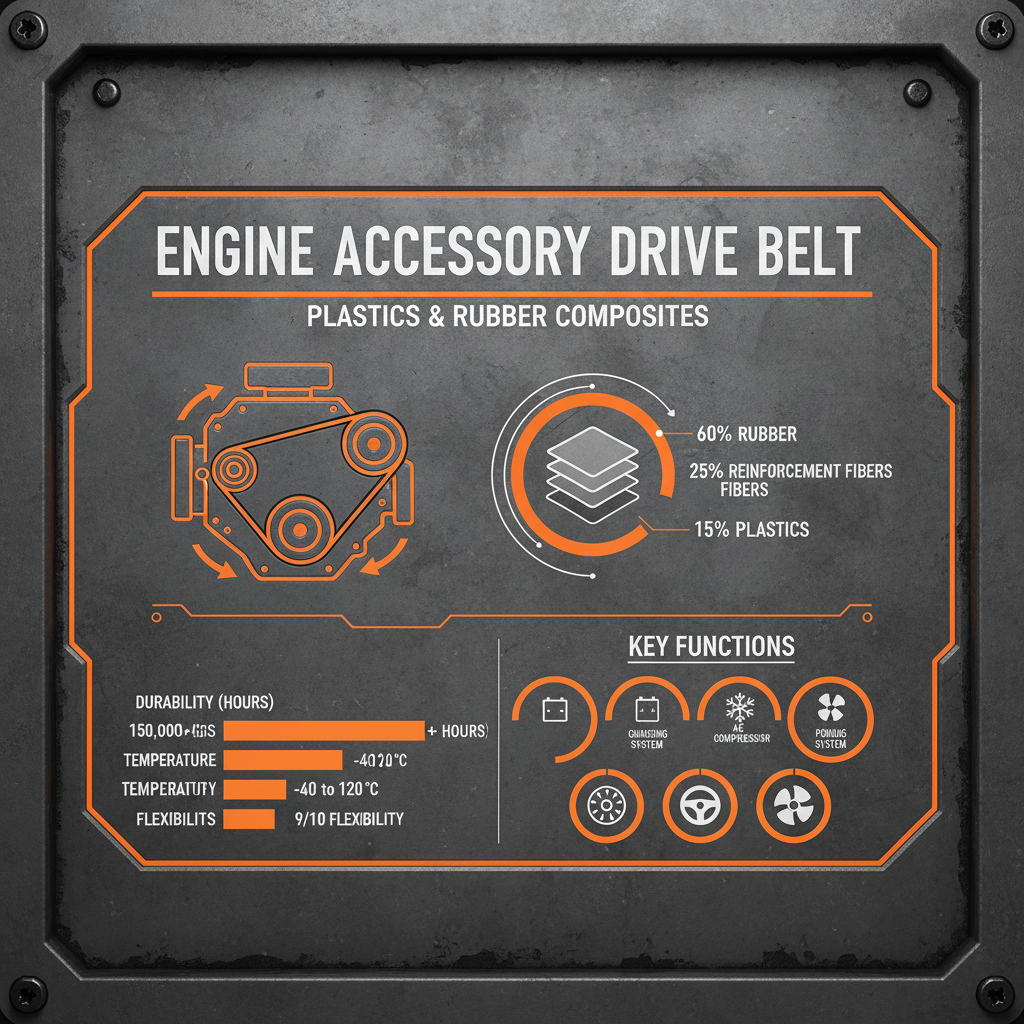
The engine accessory drive belt is a critical component in modern vehicles, responsible for powering essential systems like the alternator, power steering pump, air conditioning compressor, and sometimes even the water pump. A failing drive belt can lead to a variety of issues, from a reduced charging system to complete system failure. Ensuring you have a high-quality, reliable belt is crucial for vehicle longevity and safety. At HawkBelt, we specialize in providing durable and performance-driven drive belts for a wide range of applications. Choosing the right belt directly impacts your vehicle's performance and prevents costly repairs.
What Does an Engine Accessory Drive Belt Do?
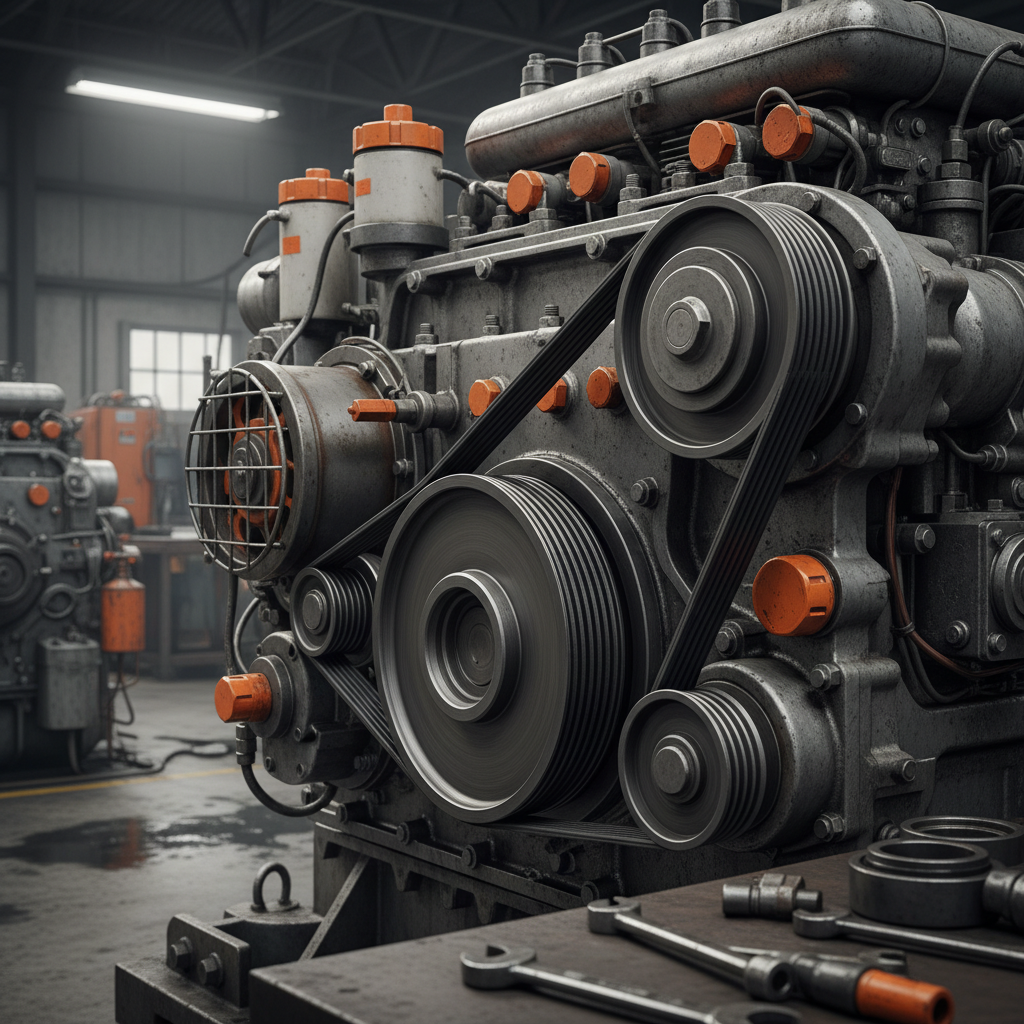
The engine accessory drive belt, also known as a serpentine belt, is a single, continuously looped belt that replaces multiple individual belts in older vehicles. Its primary function is to transmit power from the engine's crankshaft to various accessory components. This allows these components to operate, providing services like electrical power (alternator), steering assistance (power steering pump), and climate control (air conditioning compressor). Without a functioning drive belt, these essential systems would cease to operate, potentially rendering your vehicle undrivable. Regular inspection and replacement of the engine accessory drive belt are vital preventative maintenance steps.
Key Functionality: Transmits power from the crankshaft to vital engine accessories, ensuring proper operation of the alternator, power steering, and air conditioning.
Signs of a Worn or Failing Engine Accessory Drive Belt
Recognizing the signs of a failing engine accessory drive belt is critical for preventing unexpected breakdowns. Common indicators include: squealing or chirping noises, especially when starting the engine or accelerating; visible cracks, fraying, or glazing on the belt surface; difficulty steering; reduced air conditioning performance; and a dimming of the headlights. Ignoring these symptoms can lead to a complete belt failure, potentially damaging other components and leaving you stranded. A proactive approach to belt maintenance will save you time and money in the long run.
Warning Signs:
• Squealing or chirping noises
• Visible cracks or fraying
• Difficulty steering
• Dimming headlights
Engine Accessory Drive Belt Materials: A Comparison
Drive belts are constructed from various materials, each offering different levels of durability and performance. The most common materials include rubber (often with fabric reinforcement), EPDM (ethylene propylene diene monomer) rubber, and hybrid materials. EPDM rubber is known for its superior resistance to heat, cracking, and wear, making it a popular choice for modern vehicles. Choosing a belt made from high-quality materials like those offered by HawkBelt ensures a longer lifespan and reliable operation.
Choosing the Right Engine Accessory Drive Belt for Your Vehicle
Selecting the correct engine accessory drive belt for your vehicle is paramount. Factors to consider include your vehicle's make, model, and year, as well as the specific engine type. Refer to your vehicle's owner's manual for the recommended belt specifications. When purchasing a belt, opt for a reputable brand like HawkBelt, known for its quality and durability. A properly fitted and high-quality belt will ensure optimal performance and prevent premature failure.
Conclusion: Invest in a Reliable Drive Belt
Investing in a high-quality engine accessory drive belt from a trusted manufacturer like HawkBelt is a small price to pay for peace of mind and long-term vehicle reliability. Don't wait for a belt to fail and cause significant damage – proactive maintenance is the key to avoiding costly repairs. Choose quality, choose durability, and choose HawkBelt.
Frequently Asked Questions (FAQs)
How often should I replace my engine accessory drive belt?
Most manufacturers recommend replacing the engine accessory drive belt every 60,000 to 100,000 miles, or every 3 to 5 years, whichever comes first. However, this can vary depending on driving conditions and the belt's material. Regularly inspecting the belt for signs of wear and tear is crucial. Severe conditions, such as extreme temperatures or frequent stop-and-go driving, may necessitate more frequent replacements. HawkBelt recommends checking your vehicle’s manual and inspecting the belt regularly.
Can I replace the drive belt myself?
Replacing an engine accessory drive belt can be a DIY project for experienced mechanics with the proper tools and knowledge. However, it requires understanding of the engine layout and proper belt routing. Incorrect installation can lead to belt slippage, damage to other components, or even engine failure. If you are not comfortable performing the replacement yourself, it is best to consult a qualified mechanic.
What are the benefits of using an EPDM drive belt?
EPDM (ethylene propylene diene monomer) rubber drive belts offer several advantages over traditional rubber belts. They exhibit superior resistance to heat, cracking, wear, and oil contamination. This translates to a longer lifespan, reduced maintenance, and improved reliability. EPDM belts are also more environmentally friendly as they do not contain chloroprene, a material found in some traditional rubber belts.
How can I extend the life of my drive belt?
Several practices can help extend the life of your engine accessory drive belt. Regularly inspect the belt for signs of wear, keep the belt and pulleys clean, and ensure proper belt tension. Avoid excessive exposure to oil or chemicals, and address any pulley misalignment promptly. Using a high-quality belt from a reputable manufacturer like HawkBelt is also crucial.
-
Comprehensive Guide to Selecting High Performance drive belts
NewsApr.16,2026
-
Guide to Choosing the Right Fan Belt for Car Performance
NewsApr.09,2026
-
Understanding and Maintaining Your Vehicle's Serpentine Belt for Optimal Performance
NewsApr.07,2026
-
Choosing the Right Steering Belt for Optimal Vehicle Performance and Safety
NewsApr.04,2026
-
Understanding the Serpentine Belt for Optimal Vehicle Performance
NewsMar.31,2026
-
Comprehensive Guide to Understanding Your Fan Belt Car and Maintenance
NewsMar.28,2026