
Mar . 05, 2026 02:05 Back to list
Emergency Serpentine Belt Guide Navigating Roadside Assistance and Prevention
Navigating Emergency Situations with an Emergency Serpentine Belt
A broken serpentine belt can quickly turn a routine drive into an emergency roadside situation. Understanding the importance of having an emergency serpentine belt on hand, knowing how to identify a failing belt, and being prepared for replacement are vital for any driver. This article delves into the critical role of these belts, provides guidance on choosing the right replacement, and outlines the steps you can take to handle this common automotive emergency. Don't be caught off guard – proactive preparation is key to avoiding costly repairs and ensuring your safety.
Understanding the Vital Role of the Serpentine Belt
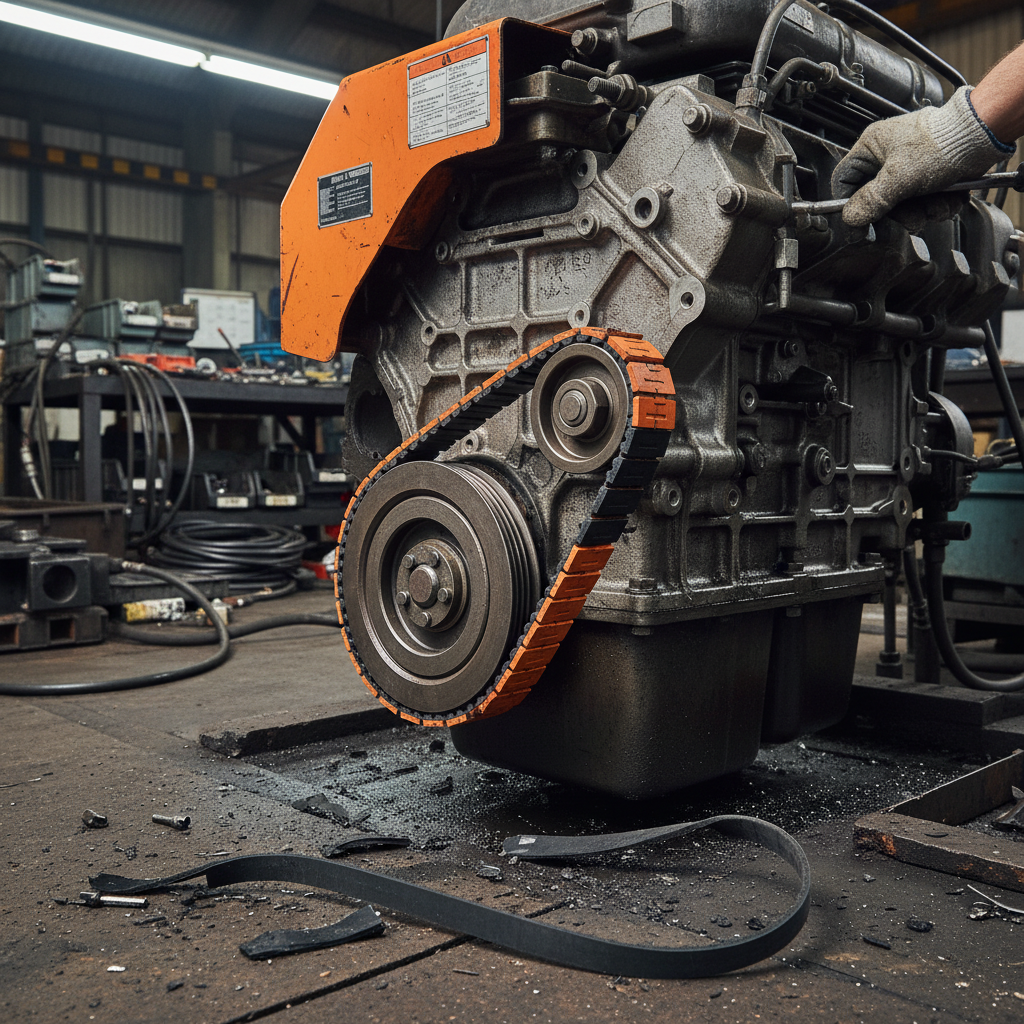
The serpentine belt is a single, continuously looped belt that powers multiple accessory systems in your vehicle. These systems typically include the alternator, power steering pump, air conditioning compressor, and sometimes the water pump. A failing belt can cause a cascade of problems, ranging from loss of power steering and air conditioning to a complete engine shutdown due to overheating. Regular inspection and timely replacement are crucial for preventing these issues. Ignoring warning signs can lead to more significant and expensive damage down the road. The HawkBelt emergency serpentine belt is designed to help you regain functionality quickly.
Key Takeaway: The serpentine belt is essential for maintaining your vehicle’s key functions. Regular checks and a readily available replacement can prevent unexpected breakdowns.
Identifying Signs of a Failing Serpentine Belt
Recognizing the early signs of a failing serpentine belt can save you from a complete breakdown. Common indicators include a squealing or chirping noise, especially when starting the engine or using accessories like the air conditioner. Visible cracks, fraying, or glazing on the belt's surface are also warning signs. If you notice any of these symptoms, it’s essential to inspect the belt closely and consider replacement. Ignoring these signals could lead to a sudden belt failure, leaving you stranded. An emergency serpentine belt can provide a temporary solution until you can get a professional repair.
Warning Signs Checklist:
• Squealing or chirping noises
• Visible cracks or fraying
• Glazing on the belt surface
• Diminished accessory performance (e.g., weak A/C)
Choosing the Right Emergency Serpentine Belt
Selecting the correct emergency serpentine belt is crucial for a successful roadside repair. It's vital to ensure the belt is compatible with your vehicle's make, model, and year. Using the wrong belt can cause further damage to your engine and accessory systems. HawkBelt offers a range of belts designed to fit a wide variety of vehicles. When choosing, consider the belt’s material (e.g., EPDM rubber) and its tensile strength. A high-quality belt will provide reliable performance and durability.
Step-by-Step: Replacing Your Serpentine Belt in an Emergency
While a professional replacement is always recommended, knowing how to temporarily replace a serpentine belt in an emergency can be invaluable. First, ensure the engine is cool. Locate the belt tensioner and use a wrench to relieve the tension on the old belt. Carefully remove the old belt, being mindful of the routing. Install the emergency serpentine belt, ensuring it's properly seated in all the pulleys. Release the tensioner and double-check the belt's alignment. Start the engine and verify that all accessories are functioning correctly. This is a temporary fix; a full inspection and replacement by a qualified mechanic are essential.
Preventative Maintenance and Long-Term Reliability
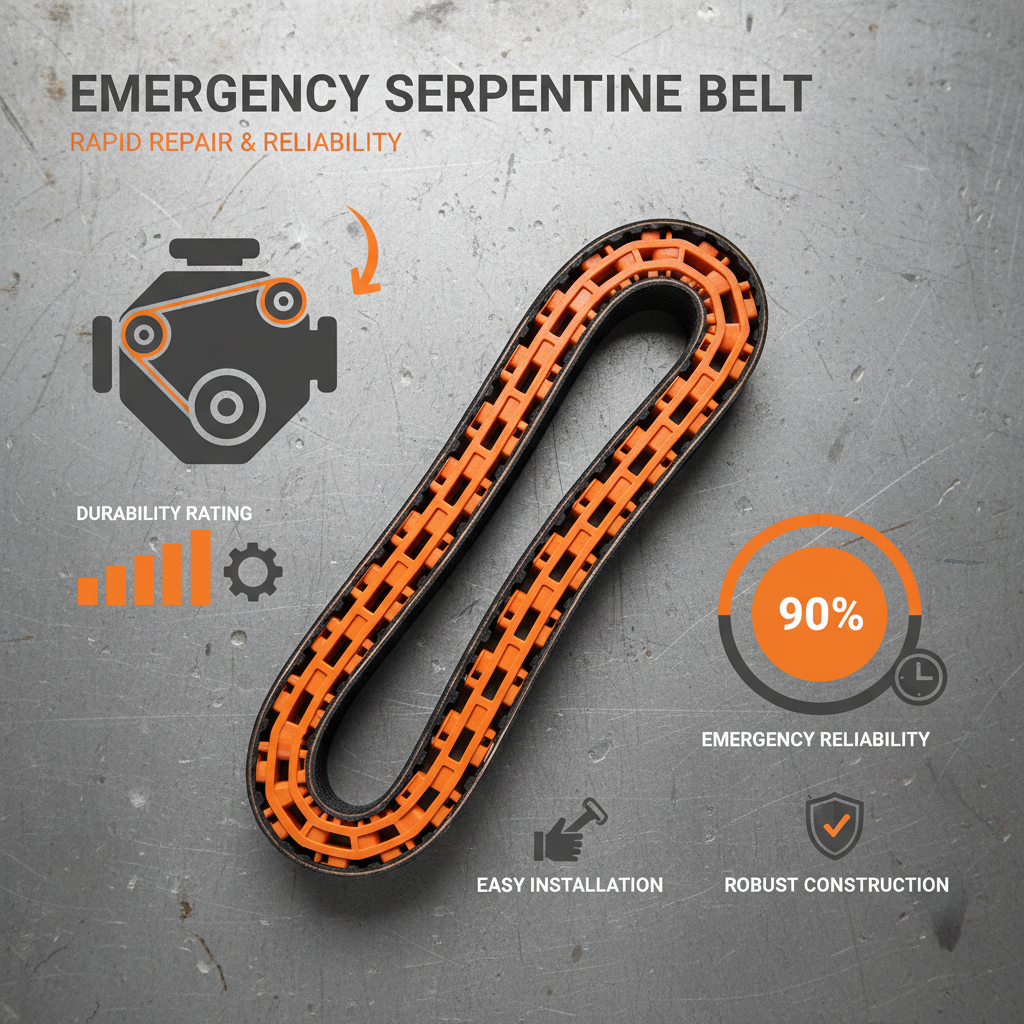
Preventative maintenance is key to extending the life of your serpentine belt. Regularly inspect the belt for wear and tear, and keep the pulleys clean and free of debris. Avoid using harsh chemicals that can degrade the belt material. Consider replacing the belt as part of your routine maintenance schedule, typically every 60,000 to 100,000 miles, or as recommended by your vehicle’s manufacturer. Carrying an emergency serpentine belt provides peace of mind and can help you avoid unexpected breakdowns.
Conclusion: Be Prepared for the Unexpected
Don't let a broken serpentine belt ruin your day. Being prepared with an emergency serpentine belt from HawkBelt and understanding the basics of belt replacement can save you time, money, and stress. Proactive maintenance and regular inspections are also vital for preventing failures and ensuring reliable vehicle performance.
Frequently Asked Questions (FAQs)
What tools do I need to replace a serpentine belt in an emergency?
Typically, you'll need a wrench or socket set to relieve tension on the belt tensioner, a flashlight for better visibility, and gloves to protect your hands. It’s also helpful to have a diagram of the belt routing for your specific vehicle. A good emergency serpentine belt kit from HawkBelt may include some of these tools for added convenience. While a temporary fix is possible, having the vehicle inspected by a professional mechanic afterward is crucial to ensure all systems are functioning correctly and to prevent future issues.
How often should I inspect my serpentine belt?
It's a good practice to visually inspect your serpentine belt at least every six months, or whenever you change your engine oil. Look for cracks, fraying, glazing, or missing chunks of rubber. Also, check for any unusual noises, such as squealing or chirping, when the engine is running. Early detection of wear and tear can prevent a sudden failure and potentially save you from being stranded.
Can a loose serpentine belt cause other engine problems?
Yes, a loose serpentine belt can definitely cause other engine problems. If the belt isn’t properly tensioned, it may slip, reducing the efficiency of the accessories it powers. This can lead to a reduced charging rate from the alternator, resulting in a dead battery. It can also affect the performance of the power steering pump and air conditioning compressor. Prolonged slipping can cause excessive wear on the belt and pulleys, leading to even more significant damage.
-
Comprehensive Guide to Selecting High Performance drive belts
NewsApr.16,2026
-
Guide to Choosing the Right Fan Belt for Car Performance
NewsApr.09,2026
-
Understanding and Maintaining Your Vehicle's Serpentine Belt for Optimal Performance
NewsApr.07,2026
-
Choosing the Right Steering Belt for Optimal Vehicle Performance and Safety
NewsApr.04,2026
-
Understanding the Serpentine Belt for Optimal Vehicle Performance
NewsMar.31,2026
-
Comprehensive Guide to Understanding Your Fan Belt Car and Maintenance
NewsMar.28,2026