
Feb . 28, 2026 02:05 Back to list
Comprehensive Guide to Choosing the Right PK Belt for Toyota Vehicles
Choosing the Right PK Belt for Toyota: A Comprehensive Guide
Maintaining your Toyota's engine efficiency and longevity relies heavily on the quality of its components, and the PK (Poly-V) belt is no exception. A worn or damaged PK belt for Toyota can lead to a range of issues, from reduced fuel economy to complete engine failure. This guide will explore the importance of PK belts, how to identify wear, and how to choose the right replacement from Hawk Belt, ensuring optimal performance and peace of mind for your Toyota.
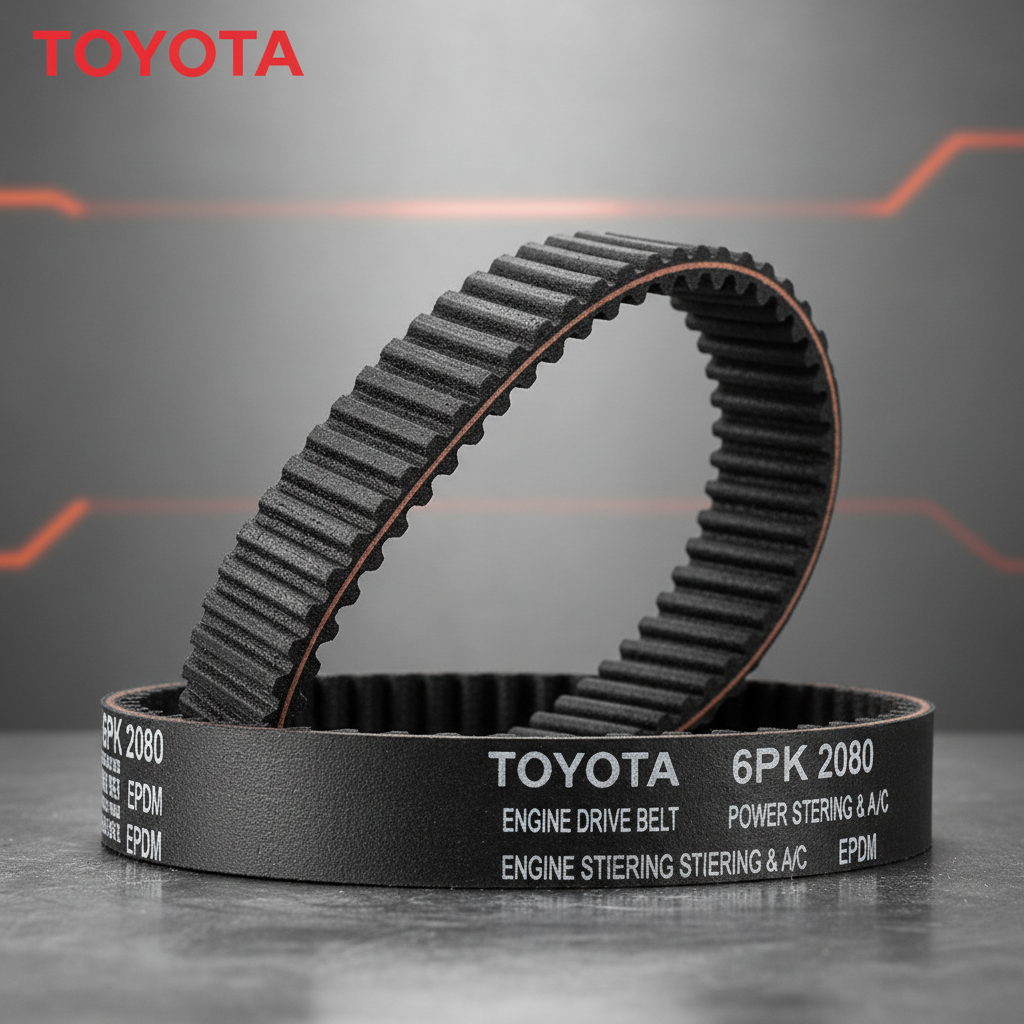
Understanding the Role of a Toyota PK Belt
The PK belt, also known as a Poly-V belt, is a crucial component of your Toyota's engine. It’s responsible for driving essential accessories such as the alternator, power steering pump, air conditioning compressor, and water pump. These components are vital for the overall operation of your vehicle, and a failing PK belt can compromise their functionality. A properly functioning PK belt ensures consistent power delivery to these accessories, maintaining their optimal performance and preventing potential damage. Regular inspection and timely replacement are key to avoiding costly repairs and ensuring your Toyota runs smoothly.
Key Functions: Driving accessories like the alternator, power steering pump, air conditioning compressor, and water pump. Ensuring consistent power delivery and preventing potential damage.
Identifying Wear and Tear on Your Toyota's PK Belt
Recognizing the signs of a worn PK belt is crucial for preventative maintenance. Common indicators include visible cracks on the belt surface, fraying edges, glazing (a shiny, hardened appearance), or a noticeable squealing sound, especially during engine start-up or when using accessories like the air conditioning. If you observe any of these symptoms, it's time to inspect the belt closely and consider replacement. Ignoring these signs can lead to a belt failure, potentially causing significant engine damage. Don't wait for a breakdown; proactive maintenance is always the best approach.
Warning Signs:
• Visible cracks and fraying
• Glazing or hardening of the belt surface
• Squealing noises during engine operation
Choosing the Right PK Belt for Toyota: Hawk Belt Options
Selecting the correct PK belt for your Toyota is paramount for optimal performance and longevity. Hawk Belt offers a wide range of PK belts specifically designed for various Toyota models and engine types. Factors to consider include the belt’s length, width, and rib profile. Using a belt that doesn't match your Toyota's specifications can lead to slippage, noise, and premature wear. Hawk Belt's website provides detailed compatibility information to help you find the perfect fit for your vehicle. Investing in a high-quality belt from a reputable brand like Hawk Belt ensures reliable performance and minimizes the risk of future issues.
The Benefits of Choosing Hawk Belt for Your Toyota
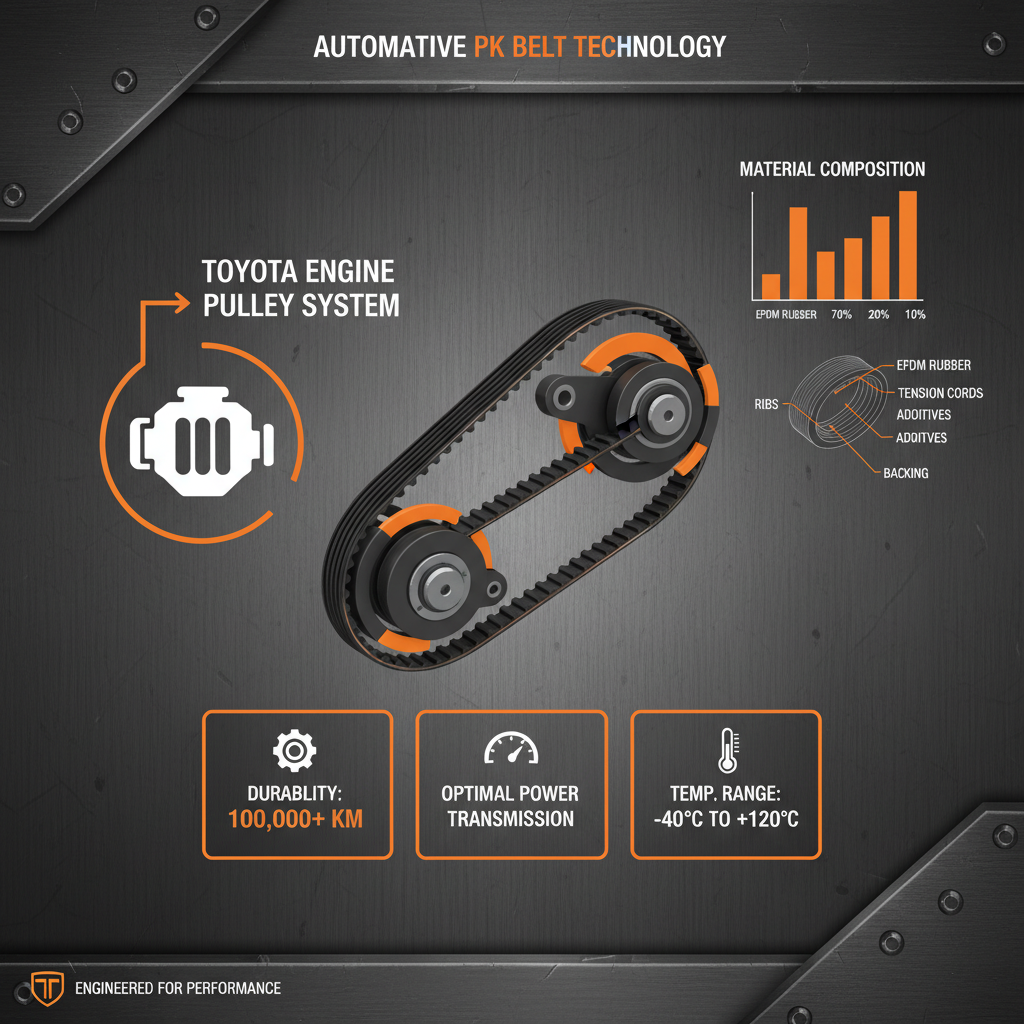
Hawk Belt stands out as a premier provider of high-quality PK belts for Toyota vehicles. Their belts are manufactured using durable materials, ensuring long-lasting performance and reliability. Hawk Belt’s commitment to quality control and precision engineering guarantees a perfect fit and optimal functionality. Furthermore, Hawk Belt offers competitive pricing and excellent customer service, making them a trusted choice for Toyota owners and mechanics alike. Choosing Hawk Belt is an investment in your vehicle's health and longevity.
Installation and Maintenance Tips
While some experienced DIY enthusiasts may choose to replace their PK belt themselves, it’s generally recommended to have it installed by a qualified mechanic. Incorrect installation can lead to premature wear or belt failure. After installation, periodically inspect the belt for any signs of wear or damage. Keep the belt clean and free of oil or other contaminants. Regularly check the belt tension to ensure proper operation. Following these simple maintenance tips can significantly extend the lifespan of your PK belt for Toyota and ensure continued optimal performance.
Conclusion: Maintaining Peak Performance with a Quality PK Belt
Investing in a high-quality PK belt for Toyota from Hawk Belt is a smart and cost-effective way to ensure your vehicle's reliability and longevity. Regular inspection, timely replacement, and proper maintenance are essential for preventing costly engine repairs. Choose Hawk Belt for superior quality, performance, and peace of mind.
Frequently Asked Questions (FAQs)
How often should I replace the PK belt on my Toyota?
Generally, it's recommended to replace your Toyota's PK belt every 60,000 to 100,000 miles, or approximately every 5 to 7 years, whichever comes first. However, this can vary depending on driving conditions and the belt's exposure to heat and contaminants. Regular visual inspections can help determine if replacement is needed sooner. If you notice any signs of wear or damage, such as cracks or fraying, it’s best to replace the belt immediately to prevent potential engine issues. Consult your Toyota’s owner’s manual for specific recommendations.
What happens if a PK belt breaks while driving?
If a PK belt breaks while driving, you'll likely experience a sudden loss of power steering, a noticeable increase in engine temperature (due to the water pump stopping), and the battery will start to discharge as the alternator stops functioning. In some cases, the engine may overheat and potentially suffer significant damage. It’s crucial to pull over to a safe location immediately and have your vehicle towed to a mechanic for repair. Driving with a broken PK belt can cause further damage and is not recommended.
Can I replace the PK belt myself?
Replacing a PK belt can be a challenging task, especially for those without prior mechanical experience. It requires specific tools and knowledge of your Toyota's engine layout. While it’s possible to do it yourself, it's generally recommended to have it replaced by a qualified mechanic to ensure proper installation and tensioning. Incorrect installation can lead to premature wear, noise, or even belt failure. If you’re unsure, it’s best to leave it to the professionals.
What makes Hawk Belt PK belts superior to other brands?
Hawk Belt PK belts are manufactured using high-quality materials and undergo rigorous testing to ensure durability and performance. They are designed to withstand extreme temperatures, resist cracking and wear, and provide optimal power transmission. Hawk Belt also offers a comprehensive range of belts specifically engineered for various Toyota models, guaranteeing a perfect fit. Their commitment to quality and customer satisfaction makes them a leading choice for Toyota owners.
-
Comprehensive Guide to Selecting High Performance drive belts
NewsApr.16,2026
-
Guide to Choosing the Right Fan Belt for Car Performance
NewsApr.09,2026
-
Understanding and Maintaining Your Vehicle's Serpentine Belt for Optimal Performance
NewsApr.07,2026
-
Choosing the Right Steering Belt for Optimal Vehicle Performance and Safety
NewsApr.04,2026
-
Understanding the Serpentine Belt for Optimal Vehicle Performance
NewsMar.31,2026
-
Comprehensive Guide to Understanding Your Fan Belt Car and Maintenance
NewsMar.28,2026