

Apr . 04, 2026 02:05 Back to list
Choosing the Right Steering Belt for Optimal Vehicle Performance and Safety
Choosing the Right Steering Belt for Your Vehicle
A properly functioning steering belt is crucial for the smooth and safe operation of your vehicle. It's responsible for powering essential components like the power steering pump, alternator, and air conditioning compressor. This article will explore the importance of steering belts, different types available, signs of wear and tear, and how to choose the right belt for your specific needs. Ignoring a worn steering belt can lead to significant mechanical problems and even leave you stranded. HawkBelt offers a range of high-quality steering belts designed for durability and performance.
The Vital Role of a Steering Belt
The steering belt, often referred to as a serpentine belt in modern vehicles, is a single, continuous belt that drives multiple peripheral devices. These devices include the power steering pump (assisting with steering effort), the alternator (charging the battery), the air conditioning compressor, and sometimes even the water pump. A failing belt can cause a cascade of issues, starting with difficulty steering, followed by a diminished battery charge, and ultimately, complete failure of the affected components. Regular inspection and timely replacement are essential to prevent these problems. HawkBelt emphasizes the importance of preventative maintenance and offers belts designed to withstand demanding conditions.
Key Takeaway: A properly functioning steering belt ensures safe steering, a charged battery, and reliable air conditioning.
Types of Steering Belts
Several types of steering belts are available, each with its own characteristics. Traditionally, vehicles used multiple V-belts for individual components. However, the serpentine belt has become the standard in most modern cars. Here’s a breakdown:
- V-Belts: Older style, requiring specific sizes for each application.
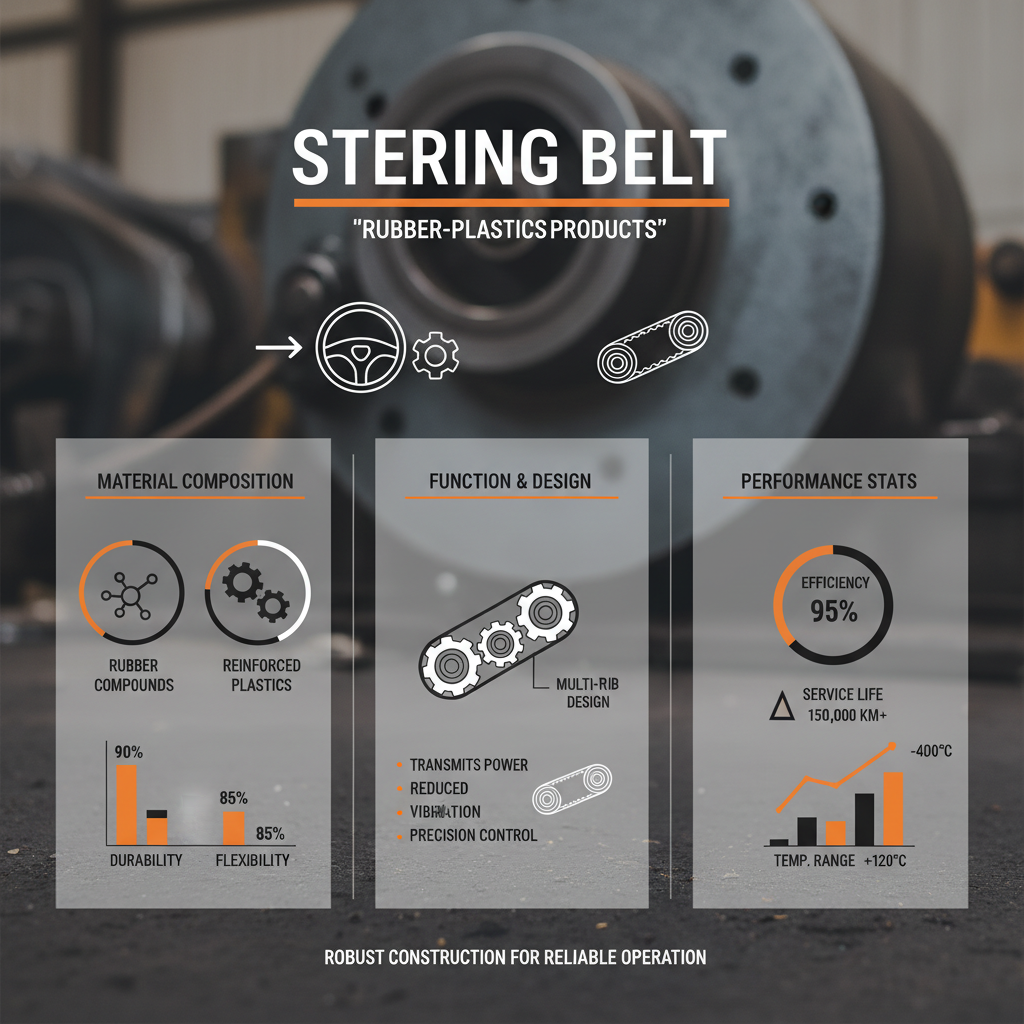
- Serpentine Belts: A single, multi-ribbed belt driving several components. They are generally more efficient and require less maintenance than V-belts.
- Timing Belts (Not Steering Belts, but often confused): These synchronize the crankshaft and camshaft, crucial for engine timing. Replacing a timing belt is a separate maintenance task.
Choosing the correct belt type is vital for optimal performance and longevity. HawkBelt provides belts for both older vehicles using V-belts and newer vehicles equipped with serpentine belts.
Belt Material Advantages:
• Rubber: Common and cost-effective, but susceptible to wear and tear.
• EPDM (Ethylene Propylene Diene Monomer): More durable and resistant to heat, ozone, and cracking.
• Fiber Reinforced: Provides increased strength and longevity.
Recognizing Signs of a Worn Steering Belt
Identifying a failing steering belt early can save you from costly repairs. Here are some common signs to watch out for:
- Visible Cracks or Fraying: Inspect the belt for any signs of damage.
- Squealing or Chirping Noise: A slipping belt often produces a high-pitched noise, especially when starting the engine or turning the steering wheel.
- Difficulty Steering: A weakening belt may cause increased steering effort.
- Dim Headlights or Weak Battery: A failing alternator belt can lead to insufficient charging.
- AC Not Blowing Cold Air: A slipping AC compressor belt will reduce cooling performance.
If you notice any of these symptoms, it’s crucial to have your steering belt inspected and replaced promptly. HawkBelt offers durable belts designed to resist these common failure points.
Comparing Belt Materials: Rubber vs. EPDM
The material of your steering belt significantly impacts its lifespan and performance. Rubber belts are traditional and less expensive, but EPDM belts offer superior durability. The table below highlights the key differences:
Choosing the Right Steering Belt for Your Vehicle
Selecting the correct steering belt involves considering your vehicle's make, model, and year. Always refer to your owner's manual for the recommended belt type and specifications. Using the wrong belt can lead to premature failure and potential damage to other components. When in doubt, consult a qualified mechanic. HawkBelt offers a convenient online catalog with compatibility information and expert support.
Conclusion: Prioritize Your Vehicle's Health with a Quality Steering Belt
A reliable steering belt is essential for the safe and efficient operation of your vehicle. By understanding the different types of belts, recognizing the signs of wear and tear, and choosing a high-quality replacement from a trusted source like HawkBelt, you can ensure a smooth and trouble-free driving experience. Don't wait until a belt breaks down – proactive maintenance is the key to preventing costly repairs and staying safe on the road.
Frequently Asked Questions (FAQs)
How often should I replace my steering belt?
Generally, steering belts should be inspected every 30,000 miles and replaced every 60,000 to 100,000 miles, depending on the material and driving conditions. However, it’s best to consult your vehicle's owner's manual for specific recommendations. Factors like extreme temperatures, excessive engine load, and dusty environments can accelerate wear and tear, requiring more frequent replacements. Regular visual inspections for cracks, fraying, or glazing are crucial. HawkBelt recommends using EPDM belts for extended lifespan and durability.
Can I replace a steering belt myself?
Replacing a steering belt can be a DIY project for experienced mechanics with the right tools and knowledge. However, it involves routing the belt correctly around multiple pulleys and ensuring proper tension. Incorrect installation can lead to belt slippage, damage to components, or even engine failure. If you are not comfortable performing this task, it's best to have it done by a qualified professional. HawkBelt offers detailed installation guides and resources on their website.
What causes a steering belt to squeal?
A squealing steering belt is typically caused by slippage due to insufficient tension, a worn belt, or a contaminated belt surface. Contamination can include oil, coolant, or debris. A loose belt cannot grip the pulleys effectively, resulting in the characteristic squealing sound, especially during acceleration or when turning the steering wheel. Adjusting the belt tension or replacing the belt with a new one can usually resolve the issue. HawkBelt belts are designed with high-friction materials to minimize slippage and reduce noise.
What are the benefits of using an EPDM steering belt?
EPDM (Ethylene Propylene Diene Monomer) steering belts offer several advantages over traditional rubber belts. They are more resistant to heat, ozone cracking, and wear, resulting in a longer lifespan. EPDM belts also require less frequent tension adjustments. This makes them a more reliable and cost-effective option in the long run. HawkBelt specializes in high-quality EPDM belts designed for optimal performance and durability.
-
Comprehensive Guide to Selecting High Performance drive belts
NewsApr.16,2026
-
Guide to Choosing the Right Fan Belt for Car Performance
NewsApr.09,2026
-
Understanding and Maintaining Your Vehicle's Serpentine Belt for Optimal Performance
NewsApr.07,2026
-
Choosing the Right Steering Belt for Optimal Vehicle Performance and Safety
NewsApr.04,2026
-
Understanding the Serpentine Belt for Optimal Vehicle Performance
NewsMar.31,2026
-
Comprehensive Guide to Understanding Your Fan Belt Car and Maintenance
NewsMar.28,2026