

Apr . 07, 2026 01:55 Back to list
Understanding and Maintaining Your Vehicle's Serpentine Belt for Optimal Performance
Understanding the Serpentine Belt: A Comprehensive Guide
The serpentine belt is a critical component of modern automotive engines, responsible for driving multiple accessories. Understanding its function, recognizing signs of wear, and knowing when to replace it can save you from costly repairs and ensure your vehicle operates smoothly. This guide will cover everything you need to know about serpentine belts, from their purpose to maintenance tips. A properly functioning serpentine belt is essential for maintaining the optimal performance and longevity of your engine. Ignoring its condition can lead to serious engine damage.
What Does a Serpentine Belt Do?
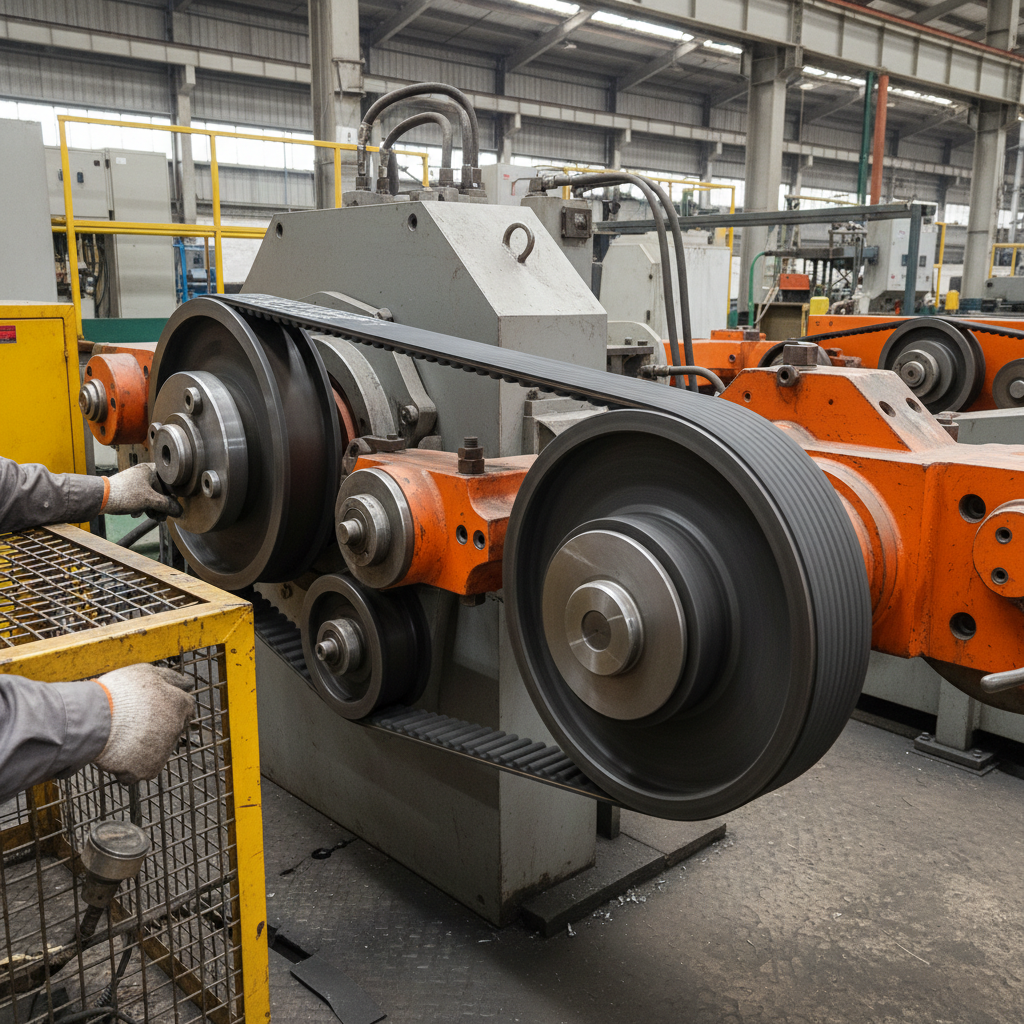
Unlike older vehicles that used multiple belts to drive individual accessories, the serpentine belt is a single, continuous belt that powers several essential components. These typically include the alternator (charging the battery), power steering pump, air conditioning compressor, and water pump. By combining these functions into one belt, it simplifies the engine design and increases efficiency. A well-maintained serpentine belt ensures all these accessories operate correctly, keeping your vehicle running reliably.
Key Benefit: A single serpentine belt design offers improved engine efficiency and simplified maintenance compared to older multi-belt systems.
Recognizing Signs of a Worn Serpentine Belt
Identifying a failing serpentine belt early can prevent more significant issues. Common signs of wear include: squealing or chirping noises (especially when starting the engine or using accessories like the A/C), visible cracks or glazing on the belt surface, fraying edges, and a generally worn or faded appearance. If you notice any of these symptoms, it's crucial to inspect the belt and consider replacement. A damaged serpentine belt can break unexpectedly, leaving you stranded and potentially causing engine overheating.
Warning Signs:
• Squealing or chirping noises
• Visible cracks or glazing
• Fraying edges
• Worn or faded appearance
Serpentine Belt Materials: A Comparative Look
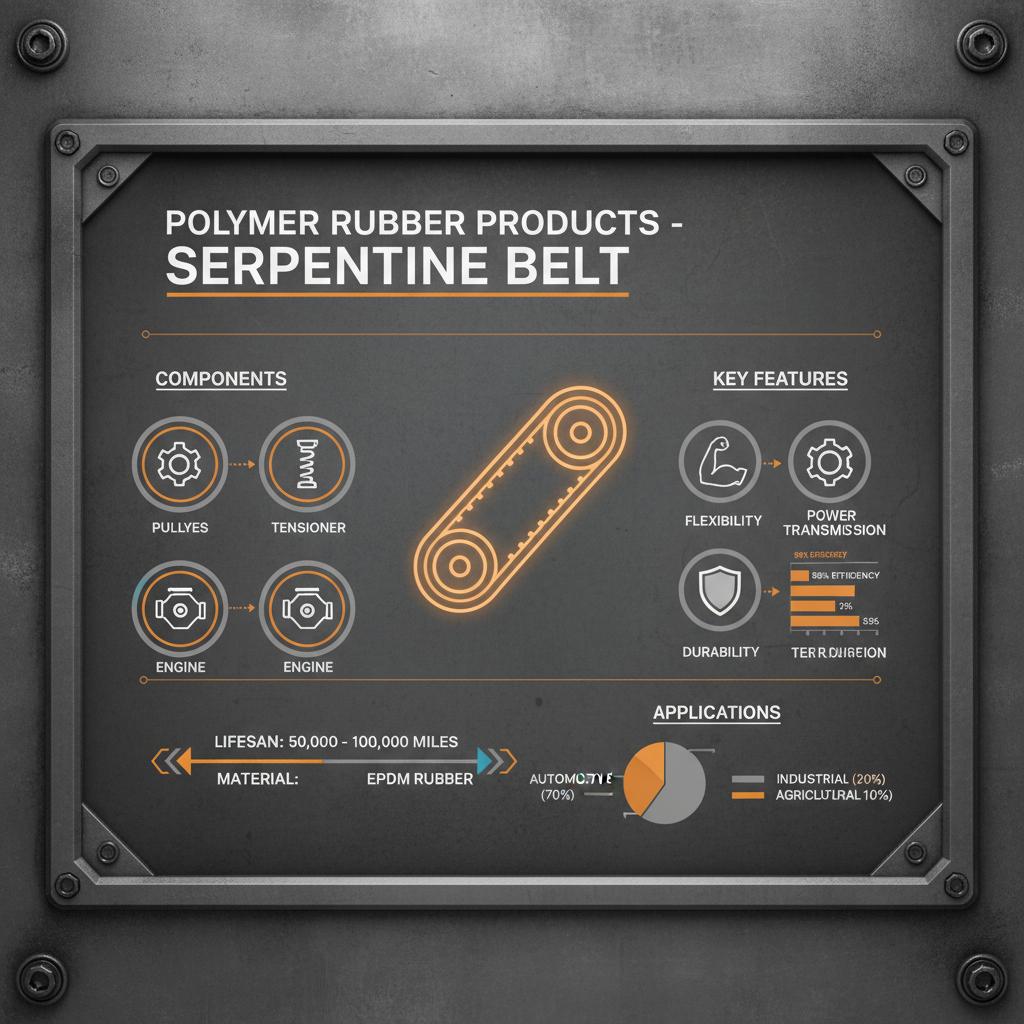
Serpentine belts are typically made from a combination of materials, with the most common being rubber compounds reinforced with fibers like polyester or aramid. Different materials offer varying levels of durability, heat resistance, and flexibility. EPDM (ethylene propylene diene monomer) rubber is a popular choice for its excellent resistance to heat, ozone, and weathering. Aramid-reinforced belts are generally more durable and can withstand higher loads, making them suitable for heavy-duty applications. Choosing the right material for your vehicle and driving conditions is crucial for maximizing belt life and performance. You can find high quality materials at Hawkbelt.
Proper Serpentine Belt Maintenance & Replacement
Regular inspection is the best way to prevent serpentine belt failure. Check the belt for cracks, fraying, or glazing at least twice a year, or more frequently if you drive in harsh conditions. Ensure the belt is properly tensioned; a loose belt can slip and cause accessory malfunctions. When replacing the serpentine belt, it’s often recommended to also replace the tensioner pulley, as a worn tensioner can contribute to premature belt failure. Professional installation is recommended to ensure proper tension and alignment. Hawkbelt offers a range of high-quality serpentine belts and components.
Choosing the Right Serpentine Belt: Key Considerations
When selecting a replacement serpentine belt, consider your vehicle's make and model, as well as your driving conditions. Refer to your owner's manual for the correct belt specification. Look for a belt made from high-quality materials like EPDM rubber or aramid-reinforced rubber. Choose a reputable brand known for its durability and performance. Avoid using generic or low-quality belts, as they may not meet your vehicle's requirements and could fail prematurely. Hawkbelt provides detailed product information and fit guides to help you find the perfect belt for your vehicle.
Conclusion: Maintaining Your Engine's Lifeline
The serpentine belt is a vital component of your vehicle's engine. Regular inspection, proper maintenance, and timely replacement are crucial for ensuring optimal performance and preventing costly repairs. By understanding the signs of wear and choosing a high-quality belt, you can keep your engine running smoothly and reliably. Don’t neglect this essential part of your vehicle!
Frequently Asked Questions (FAQs)
How often should I replace my serpentine belt?
Typically, serpentine belts should be replaced every 60,000 to 100,000 miles or every 5 years, whichever comes first. However, this can vary depending on driving conditions, climate, and the quality of the belt. Regular visual inspections are essential. If you notice any signs of wear, such as cracks, fraying, or glazing, it's best to replace the belt proactively. Ignoring a failing belt can lead to more serious engine damage.
Can a broken serpentine belt cause engine damage?
Yes, a broken serpentine belt can absolutely cause engine damage. If the belt breaks while driving, the alternator will stop charging the battery, the power steering will fail, and the water pump may stop circulating coolant. This can lead to overheating and potential engine failure. It's crucial to address a failing serpentine belt immediately to prevent these issues.
Is serpentine belt replacement a DIY job?
Serpentine belt replacement can be a DIY job for experienced mechanics with the right tools and knowledge. However, it can be challenging due to the belt's tension and the need to access tight spaces. If you're not comfortable working on your vehicle's engine, it's best to leave this task to a qualified mechanic. Improper installation can lead to belt slippage or premature failure.
What are the benefits of using a high-quality serpentine belt?
Using a high-quality serpentine belt offers several benefits, including increased durability, improved performance, and reduced risk of failure. These belts are typically made from superior materials and are designed to withstand extreme temperatures and loads. Investing in a quality belt can save you money in the long run by preventing premature replacement and potential engine damage.
-
Comprehensive Guide to Selecting High Performance drive belts
NewsApr.16,2026
-
Guide to Choosing the Right Fan Belt for Car Performance
NewsApr.09,2026
-
Understanding and Maintaining Your Vehicle's Serpentine Belt for Optimal Performance
NewsApr.07,2026
-
Choosing the Right Steering Belt for Optimal Vehicle Performance and Safety
NewsApr.04,2026
-
Understanding the Serpentine Belt for Optimal Vehicle Performance
NewsMar.31,2026
-
Comprehensive Guide to Understanding Your Fan Belt Car and Maintenance
NewsMar.28,2026