

Apr . 16, 2026 02:05 Back to list
Comprehensive Guide to Selecting High Performance drive belts
The Ultimate Guide to High-Performance Drive Belts
In the world of industrial machinery and automotive engineering, the efficiency of power transmission is the heartbeat of productivity. drive belts serve as the critical link that transfers mechanical energy between pulleys, ensuring that motors and driven components work in perfect harmony. Whether you are managing a large-scale manufacturing plant or maintaining precision equipment, understanding the nuances of belt selection, tensioning, and maintenance can mean the difference between seamless operation and costly downtime. This comprehensive guide explores everything you need to know about choosing the right belts to maximize your equipment's lifespan.
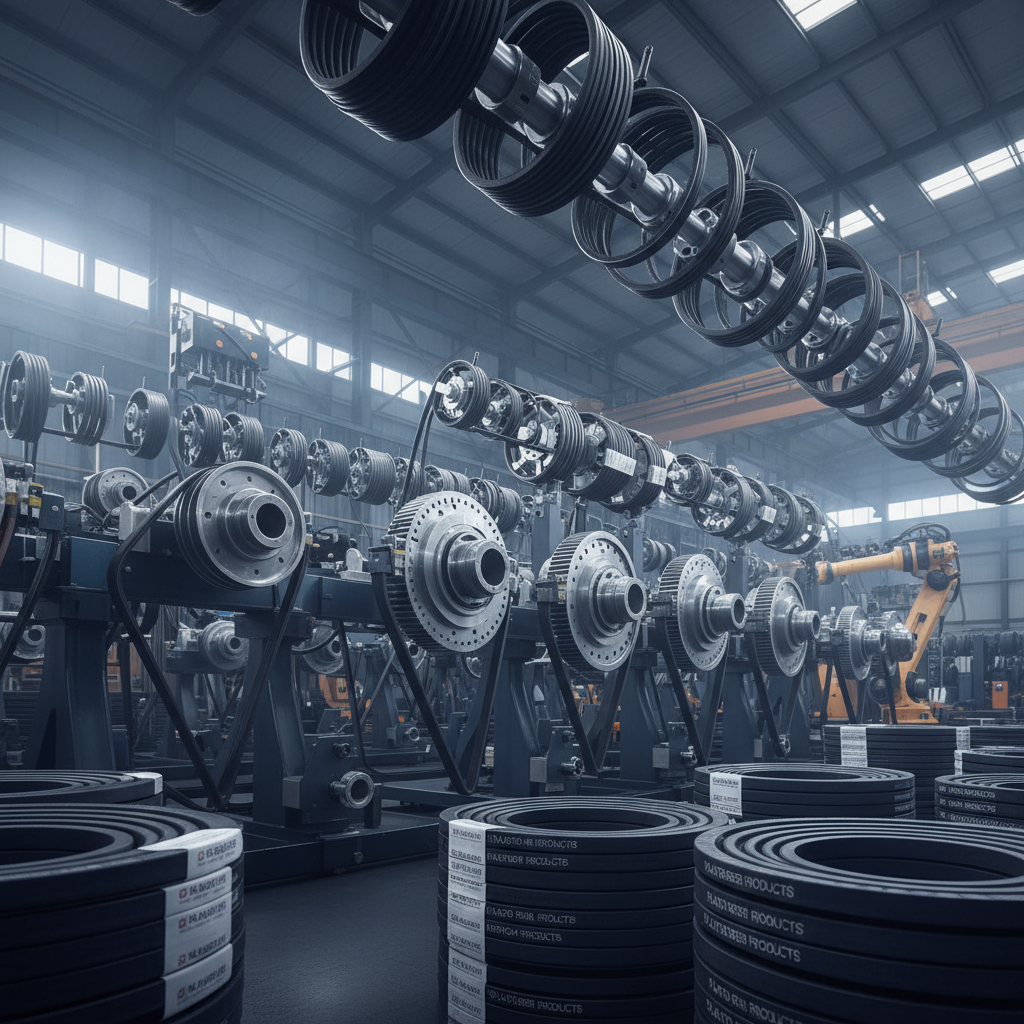
Types of Drive Belts and Their Applications
Not all drive belts are created equal. Depending on the load, speed, and environmental conditions, different profiles are required. V-belts are the most common, utilizing a wedge shape to increase friction and prevent slippage. Synchronous (Timing) belts feature teeth that lock into pulleys, ensuring precise timing and zero slip, which is essential for engine camshafts and CNC machinery. Meanwhile, Flat belts are preferred for high-speed, low-torque applications or long-distance drives where flexibility is key. Choosing the wrong type can lead to premature wear and energy loss.
Pro Tip: Always match the belt material (Rubber, Polyurethane, or Kevlar) to the chemical exposure and temperature of your operating environment to prevent cracking or melting.
How to Choose the Right Drive Belts for Your Machinery
Selecting the ideal drive belts requires a technical analysis of your system's requirements. You must consider the center distance between shafts, the torque requirements, and the RPM of the drive pulley. High-tension applications require belts with reinforced cords to prevent stretching over time. Additionally, the environment plays a huge role; for instance, food-grade machinery requires FDA-approved materials, while mining equipment needs abrasion-resistant compounds. By balancing these factors, you can ensure maximum energy efficiency and reduce the frequency of replacements.
Comparing Popular Drive Belts Specifications
To help you make an informed decision, we have compiled a comparison of the most widely used belt types. Understanding these specifications allows engineers to optimize the power-to-weight ratio of their machines. While V-belts offer great torque, timing belts are unrivaled in precision. The following table highlights the technical trade-offs between these common drive belts.
Common Causes of Drive Belts Failure
Understanding why drive belts fail is the first step toward preventative maintenance. Over-tensioning is a frequent mistake, leading to excessive bearing load and premature belt snapping. Conversely, under-tensioning causes slippage, which generates heat and glazes the belt surface, reducing grip. Environmental factors such as oil contamination or extreme heat can degrade the rubber compounds, leading to cracks. Regular audits and the use of laser alignment tools can significantly extend the operational life of your power transmission system.
Maintenance Best Practices for Drive Belts
To ensure your drive belts perform at peak efficiency, a strict maintenance schedule is mandatory. First, implement a routine inspection every 500 operating hours to check for fraying, cracks, or glazing. Second, ensure pulleys are cleaned of debris and correctly aligned; misaligned pulleys cause uneven wear and "tracking" issues. Third, always replace belts in matched sets when using multiple V-belts to ensure an even load distribution. By following these industrial standards, you reduce energy waste and avoid catastrophic machine failure.
Industrial Standards and Product Specifications
Professional-grade drive belts are manufactured according to international standards (such as ISO or DIN) to ensure interchangeability and quality. When reviewing specifications, pay close attention to the tensile strength and coefficient of friction. High-quality belts utilize a combination of synthetic rubber and high-tenacity polyester cords to maintain stability under heavy loads. Below are the typical specifications for industrial-grade belt series:
Conclusion: Optimizing Performance with Quality Belts
Selecting high-quality drive belts is not just about finding a replacement part; it is about optimizing the efficiency of your entire mechanical system. From the precision of timing belts to the raw power of V-belts, the right choice reduces energy costs, minimizes downtime, and extends the life of your pulleys and bearings. By adhering to strict maintenance protocols and choosing belts that meet industrial specifications, you ensure that your operations remain productive and reliable. Trust in professional engineering to keep your business moving forward.
Frequently Asked Questions (FAQs)
How often should I replace my industrial drive belts?
Replacement intervals vary based on the load and environment, but as a general rule, belts should be inspected monthly and replaced every 12 to 24 months in standard industrial applications. However, if you notice visible cracking, fraying of the edges, or a significant drop in power transmission efficiency (slippage), they should be replaced immediately. Using a preventative replacement strategy is always more cost-effective than dealing with an unplanned machine failure during peak production.
What is the difference between a V-belt and a Timing belt?
The primary difference is the method of engagement. A V-belt relies on friction between the belt's wedge shape and the pulley groove; it is excellent for high-torque loads but can slip under extreme stress. A Timing belt uses teeth that mesh with the pulley, providing a "positive drive" that eliminates slippage entirely. This makes timing belts essential for applications where synchronization is critical, such as in engine valves or precise robotic arms. You can find both options at Hawkbelt.
How do I know if my drive belt is too loose or too tight?
A belt that is too loose will often produce a high-pitched squealing noise during startup or under load, and you may notice "glazing" (a shiny appearance) on the belt surface due to friction heat. A belt that is too tight may not make noise, but it puts excessive pressure on the motor and driven bearings, which can lead to premature bearing failure or a snapped belt. The best way to check is the "thumb pressure test" or by using a sonic tension meter to ensure the belt meets the manufacturer's specified tension frequency.
Can I mix different brands of belts in a multi-belt drive?
It is strongly discouraged to mix different brands or even different batches of the same belt in a multi-belt drive. Even slight variations in length (manufacturing tolerances) can cause one belt to carry the majority of the load while others remain loose. This leads to the "overloaded" belt failing prematurely, which then cascades to the other belts. For optimal performance and longevity, always replace all belts in a set with matched belts from a trusted supplier like Hawkbelt.
-
Comprehensive Guide to Selecting High Performance drive belts
NewsApr.16,2026
-
Guide to Choosing the Right Fan Belt for Car Performance
NewsApr.09,2026
-
Understanding and Maintaining Your Vehicle's Serpentine Belt for Optimal Performance
NewsApr.07,2026
-
Choosing the Right Steering Belt for Optimal Vehicle Performance and Safety
NewsApr.04,2026
-
Understanding the Serpentine Belt for Optimal Vehicle Performance
NewsMar.31,2026
-
Comprehensive Guide to Understanding Your Fan Belt Car and Maintenance
NewsMar.28,2026