

- Arabic
- French
- Russian
- Spanish
- Portuguese
- Turkish
- Armenian
- English
- Albanian
- Amharic
- Azerbaijani
- Basque
- Belarusian
- Bengali
- Bosnian
- Bulgarian
- Catalan
- Cebuano
- Corsican
- Croatian
- Czech
- Danish
- Dutch
- Afrikaans
- Esperanto
- Estonian
- Finnish
- Frisian
- Galician
- Georgian
- German
- Greek
- Gujarati
- Haitian Creole
- hausa
- hawaiian
- Hebrew
- Hindi
- Miao
- Hungarian
- Icelandic
- igbo
- Indonesian
- irish
- Italian
- Japanese
- Javanese
- Kannada
- kazakh
- Khmer
- Rwandese
- Korean
- Kurdish
- Kyrgyz
- Lao
- Latin
- Latvian
- Lithuanian
- Luxembourgish
- Macedonian
- Malgashi
- Malay
- Malayalam
- Maltese
- Maori
- Marathi
- Mongolian
- Myanmar
- Nepali
- Norwegian
- Norwegian
- Occitan
- Pashto
- Persian
- Polish
- Punjabi
- Romanian
- Samoan
- Scottish Gaelic
- Serbian
- Sesotho
- Shona
- Sindhi
- Sinhala
- Slovak
- Slovenian
- Somali
- Sundanese
- Swahili
- Swedish
- Tagalog
- Tajik
- Tamil
- Tatar
- Telugu
- Thai
- Turkmen
- Ukrainian
- Urdu
- Uighur
- Uzbek
- Vietnamese
- Welsh
- Bantu
- Yiddish
- Yoruba
- Zulu
Sep . 10, 2025 13:58 Khutlela lethathamong
Optimize Safety and Style with the Right Motorcycle Belt Setup
For every rider, whether a daily commuter or an enthusiast of long-haul adventures, the choice of accessories and components plays a pivotal role in ride quality and personal safety. Among those essentials, the lebanta la sethuthuthu stands out as both a functional necessity and a potential upgrade path. From the mechanical transmission capabilities of the motorcycle primary chain belt to the protective and stylish elements offered by the motorcycle tank belt and motorcycle reflective belt, riders now have access to a comprehensive range of belt solutions tailored to performance, safety, and aesthetics. In this article, we explore these belts' individual functions, proper maintenance techniques, and how to choose the right belt combination to ensure peak performance on and off the road.
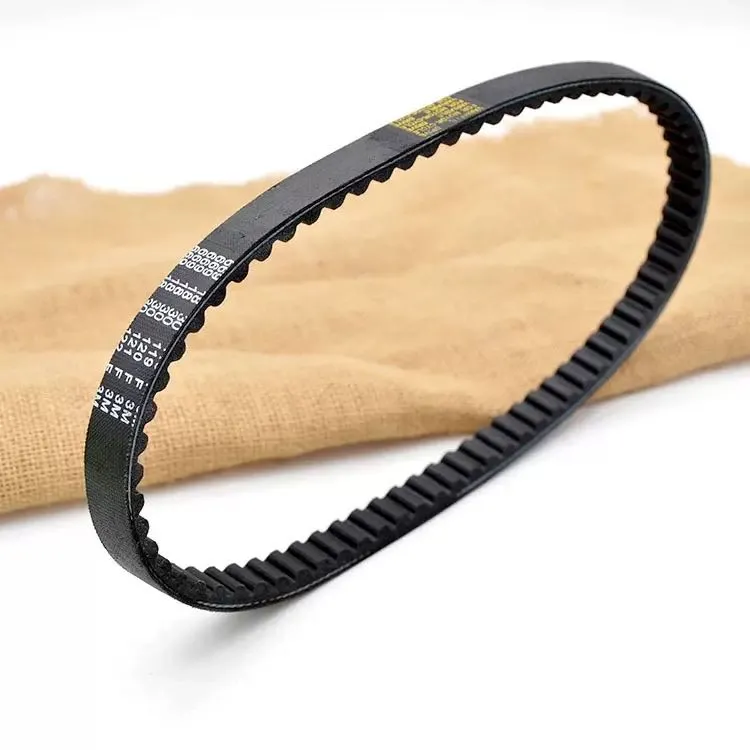
Understanding the Mechanical Function of the Motorcycle Belt
The lebanta la sethuthuthu plays a crucial role in transmitting engine power to the rear wheel, facilitating acceleration, and maintaining a smooth ride. Unlike chain-driven systems that depend on metallic links and demand regular lubrication, modern belt drives are made from high-strength synthetic materials, often reinforced with carbon or Kevlar. This makes them quieter, cleaner, and more durable under various road conditions. Belts are particularly popular in touring and cruiser motorcycles, where rider comfort and long-term durability are prioritized. However, even the best belts require careful attention. One of the most important aspects of motorcycle belt maintenance is tension adjustment. If the belt is too tight, it may strain the bearings and sprockets, leading to premature wear. If it's too loose, it can slip, resulting in jerky motion or power loss. Regular inspection using a belt tension gauge or manual press test helps ensure that the tension remains within the manufacturer's specified range. A properly adjusted lebanta la sethuthuthu ensures seamless power transmission, minimizes noise, and extends the overall life of the drivetrain system.
The Role and Replacement of the Motorcycle Primary Chain Belt
In many motorcycle models, particularly those built for higher torque output, the motorcycle primary chain belt serves as the critical link between the engine crankshaft and the transmission input. This belt (or sometimes a hybrid chain-belt assembly) must withstand constant rotational force and dynamic stress under varying throttle conditions. Due to its vital role, any sign of slippage, chattering, or vibration from the transmission area can indicate problems with the motorcycle primary chain belt. Over time, these belts can stretch, crack, or fray due to repeated thermal expansion and mechanical strain. When such wear becomes visible or if the belt emits high-pitched squeals during acceleration, replacement becomes necessary. Replacing this belt requires proper tools and attention to belt routing and tensioner positioning. After removing the old unit, the new belt should match the original specifications exactly—both in length and width. Once installed, careful adjustment of the tensioner is required to achieve optimal grip without over-stressing the belt. Riders who ignore these signs risk losing power delivery efficiency or causing collateral damage to the transmission case. Therefore, keeping the motorcycle primary chain belt in top condition is key to engine-transmission harmony.
Combining Protection and Storage with a Motorcycle Tank Belt
Unlike functional drive belts, the motorcycle tank belt is an accessory designed to improve protection, provide storage, and add character to your bike. Placed over the fuel tank, it serves primarily as a protective shield against scratches, which often come from jackets, buckles, or zippers during long rides. But the modern motorcycle tank belt offers more than just aesthetic appeal. Many designs feature built-in pouches or pockets, allowing riders to carry small essentials such as mobile phones, key fobs, documents, or wallets without adding bulk. These belts are crafted from weather-resistant materials, including synthetic leather, ballistic nylon, or thick canvas, ensuring they stand up to sun exposure and light rain. A well-fitted tank belt not only preserves the integrity of your motorcycle's paintwork but also makes your gear more accessible, reducing the need for cumbersome backpacks. Additionally, it can be matched with the bike’s styling, offering a vintage, rugged, or sport-inspired look. Riders who value utility, style, and tank protection will find the motorcycle tank belt to be a smart, multi-functional upgrade.
Enhanced Visibility and Safety with a Motorcycle Reflective Belt
While high-speed performance and engine modifications are popular upgrades among motorcyclists, personal visibility is an equally crucial safety element. The motorcycle reflective belt directly addresses this concern by adding a layer of visibility without interfering with mobility or comfort. This belt is designed to be worn over the rider’s torso, waist, or jacket, and it reflects ambient light from vehicle headlights, making the rider more visible in low-light or nighttime conditions. Often made from fluorescent materials such as neon green or orange and lined with reflective tape, the motorcycle reflective belt is lightweight, adjustable, and highly effective. It is particularly beneficial for urban riders, early morning commuters, and those traveling in foggy or rainy environments. Many models include LED light strips powered by small batteries for added visibility. Riders can wear these belts during every ride without modifying their gear, making them a low-effort but high-impact safety tool. The belt’s minimalistic design ensures that it can be worn comfortably over armored jackets, vests, or riding suits, giving riders an added layer of protection against poor visibility incidents.
Preventing and Diagnosing Motorcycle Belt Abnormalities
Even the most durable lebanta la sethuthuthu is susceptible to abnormal noise, slippage, and wear without proper care. The most common source of belt noise is tension imbalance. A belt that’s too tight may produce whining or humming sounds, while a loose one can squeak during acceleration or braking. To address this, riders should routinely check belt tension using either a tension tool or by applying manual pressure to measure deflection. Adjustments are made using the belt tensioner, which should be tightened or loosened gradually to reach optimal tension. Once adjusted, it's crucial to test the belt through low-speed operation to ensure that the noise has been eliminated. Another issue is material degradation. Over time, exposure to heat, water, and dirt causes belts to lose elasticity, develop cracks, or even break. In such cases, replacement is the only solution.
Motorcycle Belt FAQs
What causes abnormal noise in a motorcycle belt?
Abnormal noise in a lebanta la sethuthuthu is typically caused by incorrect tension, misalignment, or contamination from dirt and debris. A loose belt may slip and squeal, while an overly tight belt may create humming or whining sounds. Dust and grime buildup increases friction, which can also result in squeaking. Regular cleaning and tension adjustments help eliminate these issues and restore smooth, quiet operation.
How do I know when to replace my motorcycle primary chain belt?
Signs that a motorcycle primary chain belt needs replacement include visible cracks, frayed edges, loss of tension, or noticeable performance changes like power lag or vibration. If the belt shows signs of wear after 20,000–30,000 miles, or if it emits noise during acceleration, it should be replaced with a factory-specified replacement. Routine inspection helps catch these symptoms early before serious damage occurs.
What are the benefits of using a motorcycle tank belt?
A motorcycle tank belt protects the tank from scratches and wear while adding functionality through storage compartments. Riders can keep small essentials within easy reach without affecting aerodynamics or comfort. It also enhances the motorcycle’s appearance and provides a simple way to personalize the bike without major modifications.
How can a motorcycle reflective belt improve safety?
The motorcycle reflective belt enhances rider visibility during night rides or in poor weather. It reflects light from vehicle headlights, making the rider more noticeable to other drivers. This belt is a lightweight, comfortable addition to any gear setup and provides peace of mind for those riding in low-light environments or urban traffic.
How often should motorcycle belt tension be checked?
The tension of a lebanta la sethuthuthu should be checked at least once a month or every 500 to 1,000 miles, depending on usage frequency. Belt tension can shift over time due to thermal changes or mechanical stress. Consistent inspection and adjustment using a tension tool help avoid premature belt wear and maintain optimal ride performance.
-
Comprehensive Guide to Selecting High Performance drive belts
LitabaApr.16,2026
-
Guide to Choosing the Right Fan Belt for Car Performance
LitabaApr.09,2026
-
Understanding and Maintaining Your Vehicle's Serpentine Belt for Optimal Performance
LitabaApr.07,2026
-
Choosing the Right Steering Belt for Optimal Vehicle Performance and Safety
LitabaApr.04,2026
-
Understanding the Serpentine Belt for Optimal Vehicle Performance
LitabaMar.31,2026
-
Comprehensive Guide to Understanding Your Fan Belt Car and Maintenance
LitabaMar.28,2026