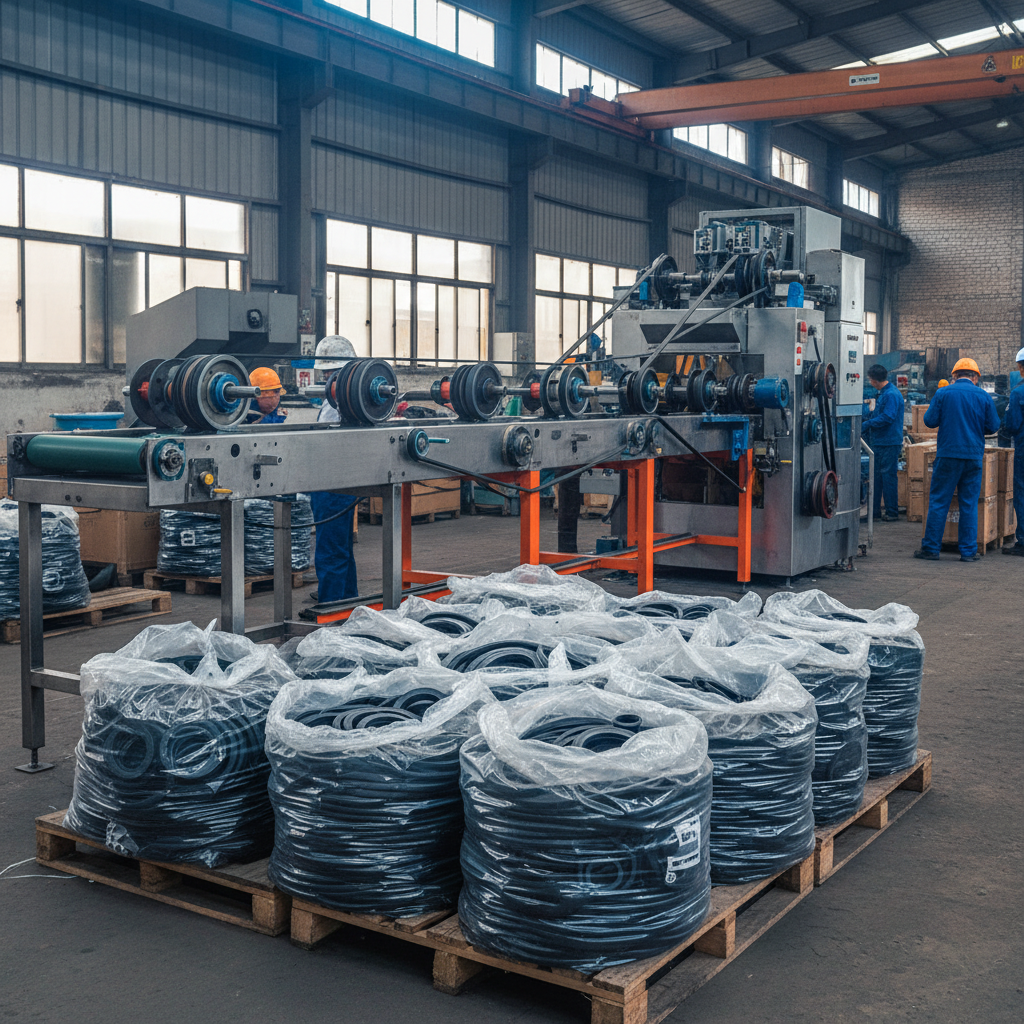
Wholesale timing belt rubber is a critical component in the global automotive industry, impacting everything from vehicle maintenance costs to engine reliability. Its consistent quality and availability are paramount for both original equipment manufacturers (OEMs) and the aftermarket sector. Understanding the nuances of wholesale sourcing, material properties, and manufacturing processes is therefore essential for businesses operating within this supply chain. This knowledge allows for proactive inventory management, cost optimization, and the ability to meet fluctuating demand efficiently.
The demand for wholesale timing belt rubber is directly linked to global vehicle production and the lifespan of existing vehicles. Emerging markets with rapidly growing automotive sectors present significant opportunities for suppliers. However, navigating complex international trade regulations, ensuring consistent product quality, and mitigating supply chain disruptions are key challenges. A robust understanding of these factors is vital for success in this competitive landscape.
The efficient and reliable operation of internal combustion engines relies heavily on the integrity of the timing belt. Wholesale suppliers play a crucial role in providing the necessary materials to manufacturers and distributors, ensuring a continuous flow of this essential part. Proper selection and sourcing of wholesale timing belt rubber are therefore integral to the functionality and longevity of countless vehicles worldwide.
Introduction to Wholesale Timing Belt Rubber
The wholesale market for timing belt rubber is a complex network connecting raw material suppliers, manufacturers, distributors, and automotive service providers. Efficient wholesale operations are essential to ensuring a consistent supply of high-quality timing belts for a vast array of vehicles. Selecting a reputable wholesale supplier is paramount for maintaining reliability and performance.
The critical function of the timing belt, synchronizing the crankshaft and camshaft, directly impacts engine performance and prevents catastrophic damage. Wholesale timing belt rubber must meet stringent specifications to withstand extreme temperatures, tensile stress, and prolonged use. Reliable sourcing ensures that automotive professionals and consumers alike can trust in the longevity and safety of this vital component.
Global Relevance and Industry Context
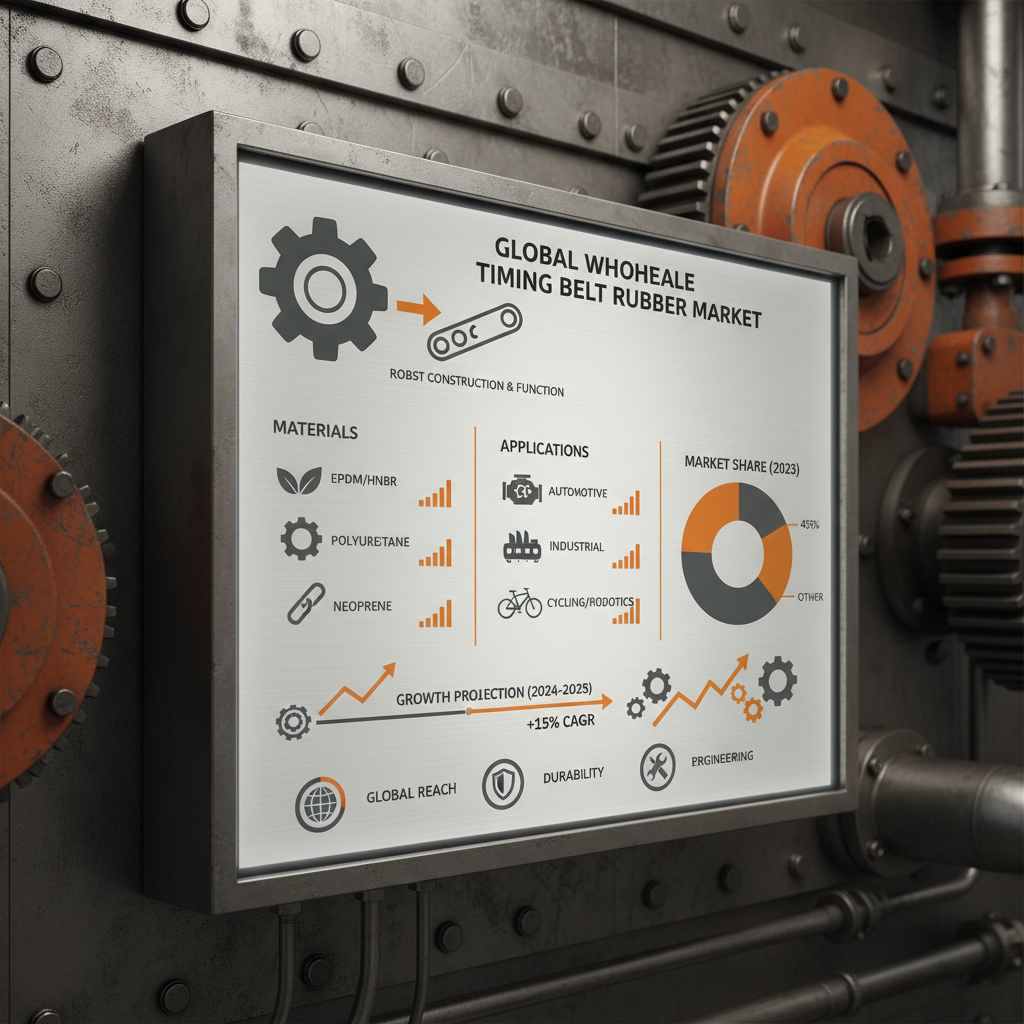
The global automotive industry is a multi-trillion-dollar market, and the demand for timing belts remains robust despite the rise of alternative engine technologies. According to recent UN statistics, global vehicle production exceeded 80 million units in 2023, driving significant demand for components like timing belts. The aftermarket segment, catering to vehicle maintenance and repair, represents a substantial portion of the wholesale timing belt rubber market.
Emerging economies, such as India and Southeast Asian nations, are experiencing rapid growth in vehicle ownership, fueling increased demand for automotive parts. However, challenges remain in ensuring consistent quality control and ethical sourcing practices across the global supply chain. The ISO 9001 standard is often used to assess supplier quality and compliance.
A major challenge confronting the wholesale timing belt rubber market is supply chain volatility, exacerbated by geopolitical events and natural disasters. Sourcing diversification, strategic inventory management, and strong relationships with suppliers are crucial for mitigating these risks and ensuring uninterrupted supply to meet global demand.
Defining Wholesale Timing Belt Rubber
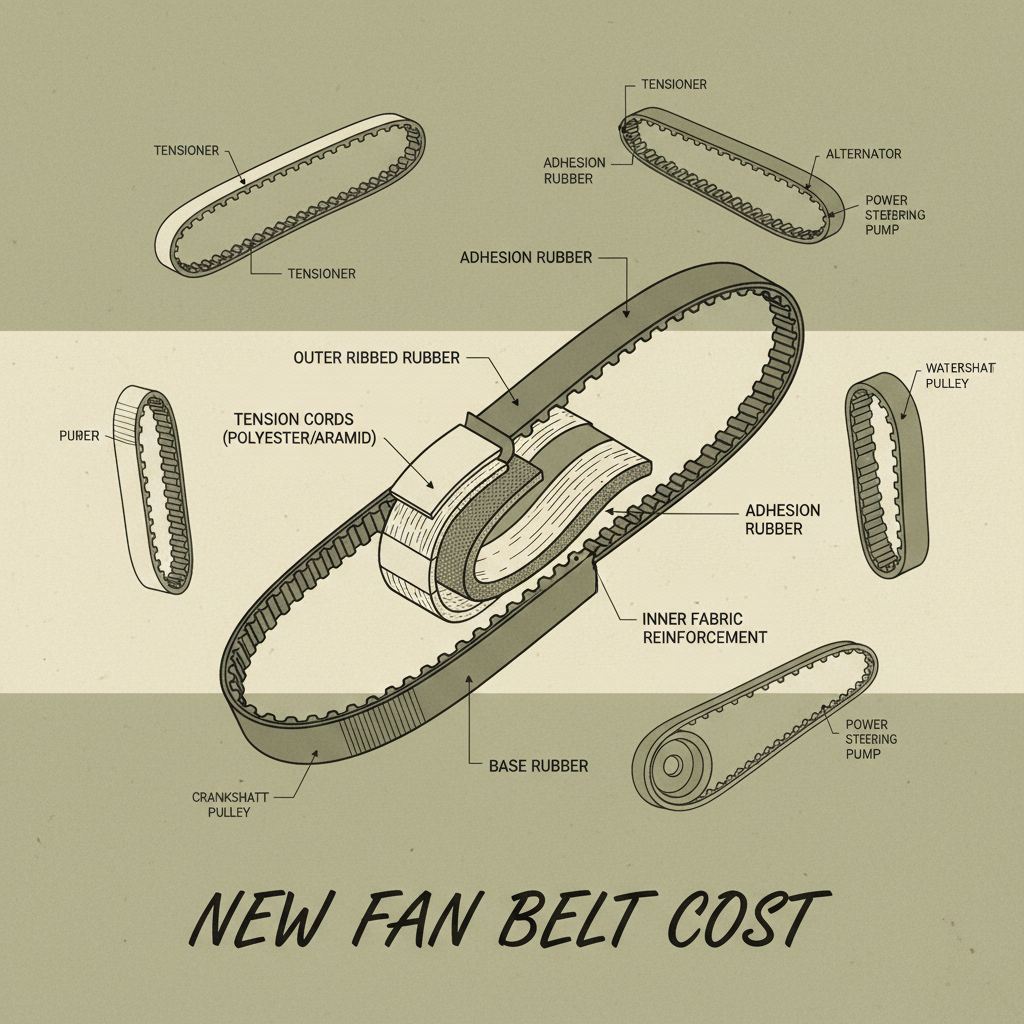
Wholesale timing belt rubber refers to the raw rubber compounds and semi-finished materials used in the manufacture of timing belts. This isn't simply a single type of rubber; it's typically a carefully formulated blend of materials designed to withstand the demanding conditions within an engine. These materials commonly include synthetic rubbers like HNBR (Hydrogenated Nitrile Butadiene Rubber), EPDM (Ethylene Propylene Diene Monomer), and Chloroprene.
The term “wholesale” implies bulk purchasing directly from manufacturers or large distributors, often at significantly lower prices than retail. This allows automotive part manufacturers, repair shops, and other businesses to secure the necessary materials for production or servicing without the markups associated with smaller-scale purchases.
The connection to modern industry is undeniable. The reliable operation of internal combustion engines, still the predominant power source for transportation globally, depends on the integrity of the timing belt. By providing the essential rubber components, wholesale suppliers contribute directly to the functionality of millions of vehicles and the smooth operation of the global transportation network.
Key Factors in Wholesale Timing Belt Rubber Quality
Durability is paramount. Wholesale timing belt rubber must resist cracking, stretching, and degradation from oil, heat, and constant flexing. The choice of rubber compound, its formulation, and the manufacturing process significantly influence this characteristic.
Tensile strength determines the belt’s ability to withstand the significant forces exerted during engine operation. High tensile strength is critical to prevent premature failure and potential engine damage. Different applications may require varying levels of tensile strength, so understanding the intended use is important.
wholesale timing belt rubber Quality Ratings
Applications and Use Cases Worldwide
Wholesale timing belt rubber is used extensively by automotive manufacturers worldwide, supplying the raw materials for both OEM production and replacement parts. Key automotive manufacturing regions like China, Germany, Japan, and the United States are major consumers.
The aftermarket sector relies heavily on wholesale suppliers to provide timing belts for vehicle repair and maintenance. This includes independent repair shops, auto parts retailers, and online distributors. In remote industrial zones, consistent access to reliable wholesale timing belt rubber is crucial for maintaining operational efficiency in fleets of vehicles.
Advantages and Long-Term Value
Cost efficiency is a significant benefit of sourcing wholesale timing belt rubber. Bulk purchasing directly from manufacturers or distributors reduces per-unit costs, leading to increased profitability for businesses. This cost saving can be passed on to consumers, enhancing competitiveness.
Reliability and performance are paramount. High-quality wholesale timing belt rubber ensures the longevity and safe operation of engines, reducing the risk of costly repairs and potential accidents. This builds trust with customers and enhances brand reputation.
Future Trends and Innovations
The development of more durable and heat-resistant rubber compounds is a key area of innovation. Research into bio-based and sustainable rubber alternatives is gaining momentum, driven by environmental concerns and a desire to reduce reliance on fossil fuels.
Digital transformation is impacting the wholesale timing belt rubber market, with online platforms and data analytics enabling greater transparency, efficiency, and traceability in the supply chain. Automation in manufacturing processes is also improving quality control and reducing production costs.
The increasing adoption of electric vehicles may eventually reduce demand for timing belts in passenger cars, but internal combustion engines are expected to remain prevalent in commercial vehicles and other applications for the foreseeable future, sustaining demand for wholesale timing belt rubber.
Challenges and Solutions
One common challenge is ensuring consistent quality across different suppliers. Implementing rigorous quality control procedures, including material testing and supplier audits, is crucial. Establishing clear specifications and performance standards is also essential.
Supply chain disruptions, caused by geopolitical events or natural disasters, can lead to shortages and price volatility. Diversifying sourcing, building strategic inventory reserves, and developing strong relationships with multiple suppliers can mitigate these risks.
Maintaining ethical sourcing practices and ensuring compliance with environmental regulations are increasingly important. Transparency in the supply chain and adherence to international standards, such as REACH and RoHS, are essential for building trust with customers and stakeholders.
Summary of Challenges and Solutions for Wholesale Timing Belt Rubber
| Challenge |
Impact on Wholesale Timing Belt Rubber |
Proposed Solution |
Implementation Difficulty (1-10) |
| Quality Consistency |
Variations in rubber compound performance lead to premature failures. |
Rigorous supplier audits and material testing protocols. |
7 |
| Supply Chain Disruptions |
Shortages and price increases impact production schedules. |
Diversified sourcing and strategic inventory reserves. |
6 |
| Ethical Sourcing |
Reputational damage and potential legal issues. |
Supply chain transparency and adherence to international standards. |
8 |
| Price Volatility |
Fluctuations in raw material costs impact profitability. |
Long-term contracts with suppliers and hedging strategies. |
5 |
| Environmental Regulations |
Non-compliance leads to fines and restricted market access. |
Adherence to REACH, RoHS, and other relevant regulations. |
9 |
| Technological Advancements |
Need to adapt to new rubber formulations and manufacturing processes. |
Investment in R&D and employee training. |
4 |
FAQS
HNBR (Hydrogenated Nitrile Butadiene Rubber) offers superior heat and oil resistance compared to EPDM (Ethylene Propylene Diene Monomer). HNBR is generally preferred for higher-performance engines and applications where exposure to oil is significant. EPDM is a more cost-effective option suitable for standard engines and less demanding environments. Choosing between the two depends on the specific application requirements and budget constraints when sourcing wholesale timing belt rubber.
Essential quality certifications include ISO 9001, which demonstrates a commitment to quality management systems, and IATF 16949, specifically for the automotive industry. These certifications ensure that the supplier adheres to rigorous quality control standards throughout the manufacturing process. TS 16949 is becoming increasingly important as well. Additionally, verifying compliance with REACH and RoHS regulations is crucial for environmental responsibility.
Conduct thorough visual inspections upon receipt of the rubber. Look for any cracks, blemishes, or inconsistencies in the material. Request material test reports from the supplier, verifying the rubber’s tensile strength, elongation, and hardness. Consider performing your own independent testing to confirm the quality and performance characteristics of the wholesale timing belt rubber.
Lead times vary depending on the quantity ordered, the supplier’s production capacity, and shipping logistics. Generally, standard orders may take 2-4 weeks for delivery, while larger custom orders can take 6-8 weeks or longer. It’s essential to communicate your requirements clearly and confirm lead times with the supplier before placing your order to avoid production delays.
Store rubber in a cool, dry, and dark place, away from direct sunlight, ozone sources, and extreme temperatures. Avoid contact with oils, solvents, and other chemicals that can cause degradation. Keep rubber covered and protected from dust and moisture. Proper storage is critical for maintaining the rubber’s quality and extending its shelf life.
Raw material prices, particularly for synthetic rubbers, can fluctuate significantly due to factors such as oil prices, supply chain disruptions, and global demand. These fluctuations directly impact the cost of wholesale timing belt rubber. To mitigate this risk, consider negotiating long-term contracts with suppliers, exploring hedging strategies, and diversifying your sourcing options.
Conclusion
Wholesale timing belt rubber is a fundamental component of the global automotive industry. Its quality, availability, and cost-effectiveness are critical for ensuring the reliability and safety of vehicles worldwide. Understanding the key factors influencing rubber properties, navigating supply chain challenges, and embracing emerging technologies are essential for success in this dynamic market.
Investing in strong supplier relationships, prioritizing quality control, and adopting sustainable sourcing practices will not only enhance business performance but also contribute to a more responsible and resilient automotive industry. For reliable wholesale timing belt rubber solutions, visit our website: www.hawkbelt.com.