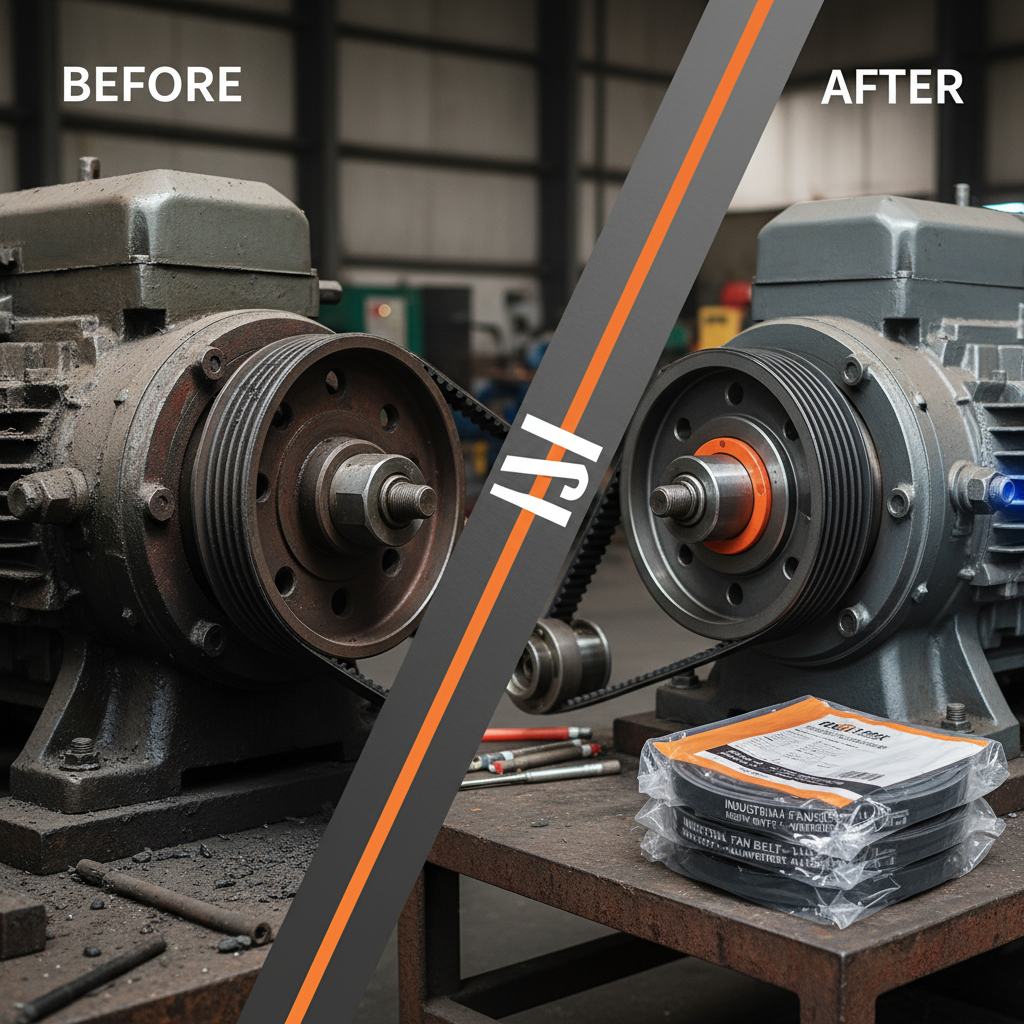
In the intricate world of industrial machinery, the efficiency of power transmission depends heavily on the precision of mechanical drives & belting. From heavy-duty construction equipment to high-performance automotive engines, these components ensure that rotational energy is transferred seamlessly across various axes. Without reliable belting systems, the synchronization of complex mechanical parts would be impossible, leading to catastrophic system failures and operational downtime.
Modern industry demands components that can withstand extreme thermal stress, oil exposure, and constant friction. The evolution of synthetic rubbers and high-strength reinforcements has allowed for the development of belts that offer non-slip engagement and silent operation. As global manufacturing shifts toward higher automation, the reliability of these drive systems becomes the backbone of productivity and safety in factories worldwide.
For those seeking the highest standards in power transmission, choosing a professional manufacturer ensures access to advanced materials like HNBR and reinforced glass fiber. By integrating high-quality mechanical drives & belting into your machinery, you can achieve superior power transmission efficiency and significantly reduce maintenance costs over the long term.
The Engineering Fundamentals of Mechanical Drives & Belting
Mechanical drives & belting function as the primary conduits for transferring torque between shafts. In a synchronous system, such as the Car Synchronous Belt 103MR25, the precision of the tooth engagement prevents slippage, ensuring that the timing of engine valves and pistons remains perfectly aligned. This synchronization is critical for the operational integrity of vehicles from brands like Toyota, Mitsubishi, and Volvo.
The fundamental goal of these systems is to provide economical operation and installation while maximizing the output of the motor. By utilizing non-slip engagement, these belts eliminate the need for constant tension adjustments and lubrication, which simplifies the maintenance cycle and reduces the risk of human error during service intervals.
Material Science in Synchronous Belt Construction
The performance of mechanical drives & belting is fundamentally rooted in the materials used for construction. High-grade belts utilize a multi-layered approach, starting with a tension member made of strengthened glass fiber cords. These cords provide the necessary flexibility while maintaining low elongation, ensuring the belt does not stretch under heavy loads.
For the tooth and body, materials such as Chloroprene Rubber (CR) and Hydrogenated Nitrile Butadiene Rubber (HNBR) are employed. These elastomers are selected for their excellent heat and oil resistance, which is vital in automotive environments where belts are frequently exposed to engine heat and lubricant splashes.
To complete the structure, a Nylon fabric layer is applied to the surface. This layer provides exceptional durability through its high wear resistance and low friction coefficient, which minimizes the heat generated during high-speed rotations and extends the overall lifespan of the drive system.
Optimizing Power Transmission Efficiency
Achieving maximum efficiency in mechanical drives & belting requires a balance between tension, material flexibility, and tooth geometry. When a belt is engineered with the correct pitch and profile, it minimizes energy loss due to hysteresis and friction, translating more power from the crankshaft to the auxiliary components.
The integration of HNBR in mechanical drives & belting specifically addresses the challenge of thermal degradation. By resisting the breakdown caused by high operating temperatures, these belts maintain their structural integrity, ensuring that the power transmission remains constant and efficient even under extreme stress.
Furthermore, silent driving is a key indicator of a well-optimized system. When the rubber teeth engage perfectly with the pulley, vibration is dampened, and noise is reduced. This not only improves the user experience in automotive applications but also indicates a reduction in parasitic energy loss.
Comparative Analysis of Belt Profiles and Pitch
Different industrial applications require specific belt profiles to handle varying loads and speeds. In the realm of mechanical drives & belting, profiles like YU, ZA, and RS are designed with distinct pitch measurements and tooth heights to suit different torque requirements. For instance, a smaller pitch may be ideal for high-speed precision, while a larger profile is better suited for heavy-load transfers.
Selecting the correct profile ensures that the belt operates within its optimal stress zone. Choosing a belt with an incorrect pitch can lead to premature wear or slipping, which compromises the efficiency of the entire drive train and increases the likelihood of mechanical failure.
Performance Rating of Various Mechanical Drives & Belting Profiles
Global Industrial Applications and Use Cases
The application of mechanical drives & belting extends far beyond the automotive sector. In heavy machinery, such as excavators and industrial cranes, timing belts are used to synchronize hydraulic pumps and cooling fans, ensuring that the machine operates reliably in remote mining sites or construction zones across Southeast Asia and Africa.
In Europe and North America, there is a growing demand for customized belting solutions that can be integrated into automated assembly lines. The ability to provide OEM services, including custom logos and specific rubber materials, allows manufacturers to tailor their drive systems to meet strict regional safety and performance standards.
Ensuring Durability in Harsh Environments
Durability in mechanical drives & belting is measured by the component's ability to resist fatigue under cyclic loading. The use of glass fiber cords as the tension member is critical here, as they provide a high strength-to-weight ratio and prevent the belt from stretching, which would otherwise lead to timing errors in a synchronous drive.
Environmental factors such as extreme cold in Northern Europe or intense heat in the Middle East can cause standard rubber to crack. This is why the selection of CR or HNBR is non-negotiable for professional-grade belts, as these materials maintain their elasticity and adhesion across a wide temperature spectrum.
Regular inspection and the use of high-quality nylon fabric on the teeth further protect the system. This fabric acts as a sacrificial wear layer, absorbing the friction of the pulley and protecting the core rubber structure from premature erosion.
Technical Specifications and Selection Standards
When specifying mechanical drives & belting, engineers must refer to a precise set of parameters including pitch, height (H1 and H2), and rubber (RU) thickness. These dimensions determine how the belt interacts with the pulley and the amount of torque it can transmit without skipping.
For example, a YU profile with a pitch of 8.000mm and an RU of 5.20mm offers a different load capacity and flexibility compared to a ZA profile with a 9.525mm pitch. The correct choice depends on the specific requirements of the machine, such as whether it is a motorcycle belt or a heavy-duty excavator belt.
Ultimately, the quality of the final product is a result of advanced design concepts and exquisite production technology. By adhering to strict manufacturing standards, companies like Xingtai Hake Rubber Products ensure that every belt delivered to the international market meets the high expectations of OEM partners.
Core Technical Parameters of Synchronous Belt Profiles
| Profile Type |
Pitch (mm) |
Tooth Height (mm) |
Rubber Thickness (mm) |
| YU |
8.000 |
3.02 |
5.20 |
| ZA |
9.525 |
1.91 |
4.10 |
| ZBS |
9.525 |
2.76 |
5.06 |
| RS |
9.525 |
3.50 |
5.50 |
| STS |
8.000 |
2.89 |
5.40 |
| H1 |
9.525 |
3.44 |
5.40 |
FAQS
CR (Chloroprene Rubber) offers excellent general-purpose resistance to oil and heat, making it suitable for standard automotive applications. HNBR (Hydrogenated Nitrile Butadiene Rubber) is a higher-performance material with significantly better thermal stability and chemical resistance, making it the preferred choice for high-stress environments, such as heavy-duty timing belts in modern engines.
Glass fiber cords are used because they provide exceptional tensile strength and flexibility while maintaining very low elongation. This ensures that the belt does not stretch over time, which is critical for maintaining the precise timing of mechanical components in a drive system.
Inspection intervals depend on the application and environment. For automotive timing belts, it is generally recommended to follow the manufacturer's service schedule (e.g., every 60,000 to 100,000 miles). In industrial settings, monthly visual checks for cracks, glazing, or fraying are recommended to prevent unexpected downtime.
Yes, one of the primary advantages of professional synchronous belts is that they require no lubrication. The use of nylon fabric on the teeth reduces friction, and the rubber compounds are designed to operate dry, which prevents the attraction of abrasive dust and debris.
Common causes include improper tensioning, exposure to incompatible chemicals, or the use of a belt with an incorrect pitch for the pulley. Additionally, extreme overheating can degrade the rubber compound, leading to cracks and eventual failure of the tension members.
Yes, professional manufacturers like Xingtai Hake Rubber Products can process authorized logos and customized branding on the belts. We can also customize the appearance color, rubber material, and rope material in strict accordance with customer requirements.
Conclusion
In summary, the reliability of mechanical drives & belting is a cornerstone of modern industrial and automotive efficiency. By combining high-performance materials like HNBR and reinforced glass fiber with precise engineering profiles, manufacturers can ensure a synchronization system that is silent, durable, and highly efficient. Whether it is for a Toyota car engine or a heavy excavator, the right belt selection reduces maintenance costs and prevents systemic failure.
As we look toward the future, the integration of even more sustainable and heat-resistant elastomers will likely push the boundaries of power transmission. For businesses and technicians, investing in high-quality, OEM-certified belting solutions is the most effective way to ensure long-term operational stability. To explore our full range of timing, PK, and V belts, visit our website: www.hawkbelt.com.