

- Arabic
- French
- Russian
- Spanish
- Portuguese
- Turkish
- Armenian
- English
- Albanian
- Amharic
- Azerbaijani
- Basque
- Belarusian
- Bengali
- Bosnian
- Bulgarian
- Catalan
- Cebuano
- Corsican
- Croatian
- Czech
- Danish
- Dutch
- Afrikaans
- Esperanto
- Estonian
- Finnish
- Frisian
- Galician
- Georgian
- German
- Greek
- Gujarati
- Haitian Creole
- hausa
- hawaiian
- Hebrew
- Hindi
- Miao
- Hungarian
- Icelandic
- igbo
- Indonesian
- irish
- Italian
- Japanese
- Javanese
- Kannada
- kazakh
- Khmer
- Rwandese
- Korean
- Kurdish
- Kyrgyz
- Lao
- Latin
- Latvian
- Lithuanian
- Luxembourgish
- Macedonian
- Malgashi
- Malay
- Malayalam
- Maltese
- Maori
- Marathi
- Mongolian
- Myanmar
- Nepali
- Norwegian
- Norwegian
- Occitan
- Pashto
- Persian
- Polish
- Punjabi
- Romanian
- Samoan
- Scottish Gaelic
- Serbian
- Sesotho
- Shona
- Sindhi
- Sinhala
- Slovak
- Slovenian
- Somali
- Sundanese
- Swahili
- Swedish
- Tagalog
- Tajik
- Tamil
- Tatar
- Telugu
- Thai
- Turkmen
- Ukrainian
- Urdu
- Uighur
- Uzbek
- Vietnamese
- Welsh
- Bantu
- Yiddish
- Yoruba
- Zulu
Сеп . 10, 2025 13:56 Назад на списокот
Maximize Vehicle Performance with High-Efficiency Automotive Belts
In the ever-evolving automotive landscape, the role of automotive belts has grown increasingly vital. These components serve as the backbone of power transmission within a vehicle's engine, linking the crankshaft to essential systems such as the alternator, water pump, power steering pump, and air conditioning compressor. Whether you drive a compact sedan, a high-performance sports car, or a durable SUV, a high-quality auto drive belt ensures seamless functionality across all driving conditions. The evolution of belt design and materials has significantly enhanced not only their durability but also their efficiency. With growing expectations for better fuel economy, lower emissions, and quieter operation, the drive belt for car systems today are far superior to their predecessors. Investing in a reliable auto belt is more than routine maintenance—it’s a proactive strategy to safeguard engine health, reduce operational costs, and ensure driving comfort.
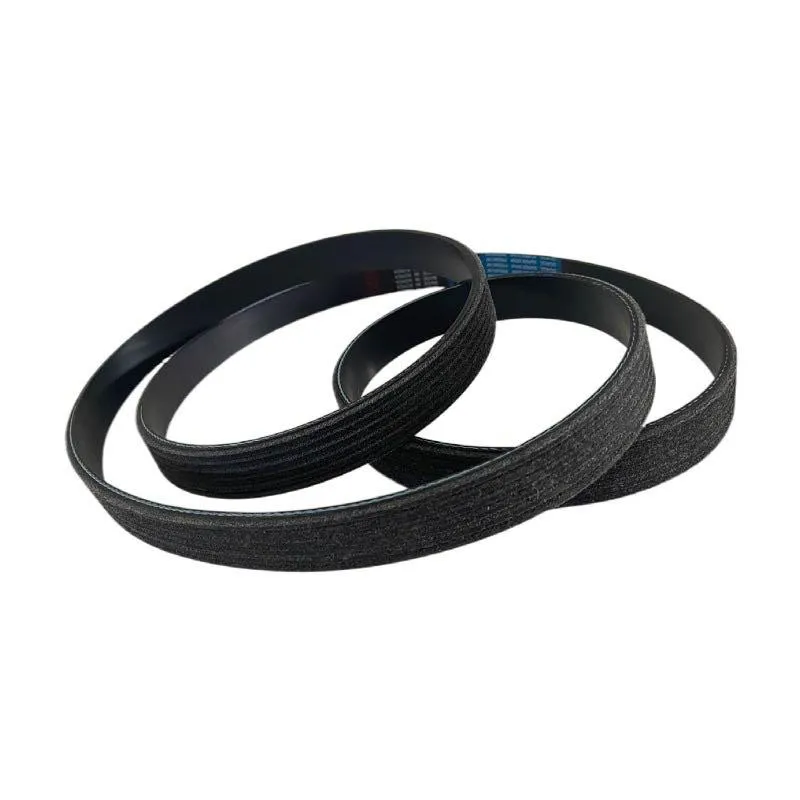
Compact Design and High Strength in Auto Drive Belt Systems
Modern auto drive belt technology is engineered with compactness and strength in mind. As vehicles become more efficient and space under the hood becomes more limited, belts must adapt to tighter engine compartments while maintaining peak performance. Today’s automotive belts are designed with high-strength synthetic materials, such as EPDM rubber reinforced with aramid fibers, allowing them to deliver exceptional durability and flexibility. These materials help maintain consistent tension across multiple pulleys and resist deformation under thermal stress and prolonged usage.
Another advantage of modern auto belt systems is their ability to accommodate advanced vehicle architecture. From turbocharged engines to hybrid configurations, the drive belt for car must handle increasing workloads with minimal energy loss. Its compact design helps reduce friction between components, leading to improved energy transfer and more efficient operation. Whether you're maneuvering through city traffic or cruising on long highway drives, the right belt ensures uninterrupted power delivery to key engine functions—reducing fuel consumption and enhancing overall driving performance.
Noise Reduction and Smooth Transmission for Automotive Comfort
An often-overlooked benefit of premium automotive belts is their ability to contribute to a quieter and smoother driving experience. Older belts often produced squealing noises due to misalignment, stretching, or wear. However, modern auto drive belt designs feature multi-ribbed surfaces that enhance grip and reduce vibration, minimizing operational noise even under high torque conditions. These features are especially valuable in luxury vehicles, where noise insulation and passenger comfort are paramount.
Additionally, smooth power transmission is crucial for the stability of electronic systems and performance-driven engines. The auto belt acts as a shock absorber by dampening vibrations and sudden jerks caused by rapid acceleration or gear shifts. This ensures that both the engine and the systems it powers operate seamlessly, enhancing overall reliability. In vehicles where electronic stability control and dynamic steering are critical, consistent belt performance supports the harmonious functioning of multiple subsystems. This level of engineering ensures that the drive belt for car not only contributes to mechanical efficiency but also elevates the driving experience.
Drive Belt for Car Cooling and Thermal Management Benefits
In high-performance and commuter vehicles alike, engine cooling is a crucial factor in ensuring long-term durability and safety. The drive belt for car plays a pivotal role in this process by powering the water pump and radiator fan. These systems help regulate engine temperature by circulating coolant and dissipating heat, especially during long drives or in high-temperature environments. A failing auto drive belt can severely compromise this cooling cycle, resulting in overheating and potentially catastrophic engine damage.
To handle the intense thermal loads, modern automotive belts are designed with advanced heat-resistant materials that withstand continuous exposure to engine heat and environmental stress. Their construction enables consistent engagement with pulleys and optimal power delivery, which is vital for maintaining a stable operating temperature. Furthermore, many belts now feature ribbed profiles that improve airflow and assist with heat dissipation. By supporting the cooling system, a durable auto belt indirectly enhances engine longevity and overall vehicle performance.
Easy Maintenance and Extended Service Life with Auto Belt Technology
Maintenance simplicity is another strong point of today’s auto belt systems. Thanks to innovations in automatic tensioning and belt tracking, these belts require minimal manual adjustment once installed. A properly installed auto drive belt can last for tens of thousands of kilometers without noticeable degradation. Most are designed to operate silently and efficiently over long service intervals, significantly reducing the frequency and cost of maintenance.
Periodic inspection of the automotive belts is essential to detect wear indicators like glazing, cracking, or fraying. These signs suggest it’s time for a replacement before complete failure occurs. A timely belt replacement can prevent expensive damage to the engine or other critical systems. Furthermore, replacement is usually straightforward and inexpensive, especially when compared to the cost of repairing related failures. Long-lasting, low-maintenance drive belts for car make them a smart investment for cost-conscious vehicle owners who value reliability and performance.
Automotive Belts FAQs
What do automotive belts do in a vehicle?
Automotive belts are essential components that transfer power from the engine’s crankshaft to various accessories, including the alternator, power steering pump, water pump, and air conditioning compressor. By maintaining the functionality of these systems, the belts ensure smooth engine operation, effective cooling, and overall vehicle reliability. Without properly functioning belts, these critical systems would fail, leading to performance issues or potential engine damage.
How often should I replace my auto drive belt?
Most auto drive belts made with modern materials like EPDM rubber can last between 80,000 and 120,000 kilometers. However, driving conditions, climate, and vehicle usage can affect belt lifespan. It’s important to inspect belts regularly for signs of wear, such as cracks or frayed edges. Even if no visible wear is present, following the manufacturer’s recommended replacement interval helps avoid unexpected failures and ensures continuous engine efficiency.
What are the signs that my auto belt needs to be replaced?
Common warning signs of a worn auto belt include high-pitched squealing noises, reduced performance of belt-driven accessories, visible wear or cracks on the belt, and dashboard warning lights related to the charging system or cooling system. If the belt appears loose, shiny, or brittle, it likely needs replacement. Prompt attention to these signs can prevent further mechanical damage and maintain the vehicle’s performance and safety.
Can I replace a drive belt for car engines myself?
Yes, replacing a drive belt for car engines is a task that many DIY enthusiasts can handle, provided they have the right tools and understanding of the belt routing. Most modern vehicles include tensioners that make belt replacement easier. However, if access to the belt is obstructed or if multiple components need removal, it may be best to consult a professional mechanic. Proper installation is crucial to ensure correct tension and alignment for optimal belt performance.
How do automotive belts affect fuel efficiency and performance?
High-quality automotive belts reduce friction and energy loss during power transmission, leading to improved fuel economy and smoother engine operation. By efficiently running components like the alternator and cooling system, they help maintain optimal engine conditions, which enhances both performance and longevity. A worn or slipping belt, on the other hand, can cause these systems to work harder or operate erratically, reducing fuel efficiency and increasing mechanical strain.
-
Comprehensive Guide to Selecting High Performance drive belts
ВестиApr.16,2026
-
Guide to Choosing the Right Fan Belt for Car Performance
ВестиApr.09,2026
-
Understanding and Maintaining Your Vehicle's Serpentine Belt for Optimal Performance
ВестиApr.07,2026
-
Choosing the Right Steering Belt for Optimal Vehicle Performance and Safety
ВестиApr.04,2026
-
Understanding the Serpentine Belt for Optimal Vehicle Performance
ВестиMar.31,2026
-
Comprehensive Guide to Understanding Your Fan Belt Car and Maintenance
ВестиMar.28,2026