

- Arabic
- French
- Russian
- Spanish
- Portuguese
- Turkish
- Armenian
- English
- Albanian
- Amharic
- Azerbaijani
- Basque
- Belarusian
- Bengali
- Bosnian
- Bulgarian
- Catalan
- Cebuano
- Corsican
- Croatian
- Czech
- Danish
- Dutch
- Afrikaans
- Esperanto
- Estonian
- Finnish
- Frisian
- Galician
- Georgian
- German
- Greek
- Gujarati
- Haitian Creole
- hausa
- hawaiian
- Hebrew
- Hindi
- Miao
- Hungarian
- Icelandic
- igbo
- Indonesian
- irish
- Italian
- Japanese
- Javanese
- Kannada
- kazakh
- Khmer
- Rwandese
- Korean
- Kurdish
- Kyrgyz
- Lao
- Latin
- Latvian
- Lithuanian
- Luxembourgish
- Macedonian
- Malgashi
- Malay
- Malayalam
- Maltese
- Maori
- Marathi
- Mongolian
- Myanmar
- Nepali
- Norwegian
- Norwegian
- Occitan
- Pashto
- Persian
- Polish
- Punjabi
- Romanian
- Samoan
- Scottish Gaelic
- Serbian
- Sesotho
- Shona
- Sindhi
- Sinhala
- Slovak
- Slovenian
- Somali
- Sundanese
- Swahili
- Swedish
- Tagalog
- Tajik
- Tamil
- Tatar
- Telugu
- Thai
- Turkmen
- Ukrainian
- Urdu
- Uighur
- Uzbek
- Vietnamese
- Welsh
- Bantu
- Yiddish
- Yoruba
- Zulu
Sep . 04, 2025 11:40 Atpakaļ uz sarakstu
Understanding the Power and Maintenance of Motorcycle Drive Belts
The core performance of a motorcycle relies on more than just its engine and wheels—it’s the transmission system that truly defines the fluidity, acceleration, and overall reliability of every ride. At the heart of that system lies the motorcycle drive belts, responsible for transferring the energy generated by the engine directly to the rear wheel. Over the years, belt-driven systems have gained significant popularity for being quieter, cleaner, and lower-maintenance than traditional chain systems. However, just like any mechanical component, these belts require proper handling and timely attention to perform at their best. In this article, we will explore different types of motorcycle belts, the advantages of proper maintenance, and how modern innovations such as the motorcycle tank belt and motorcycle back belt contribute to a more secure and efficient ride.
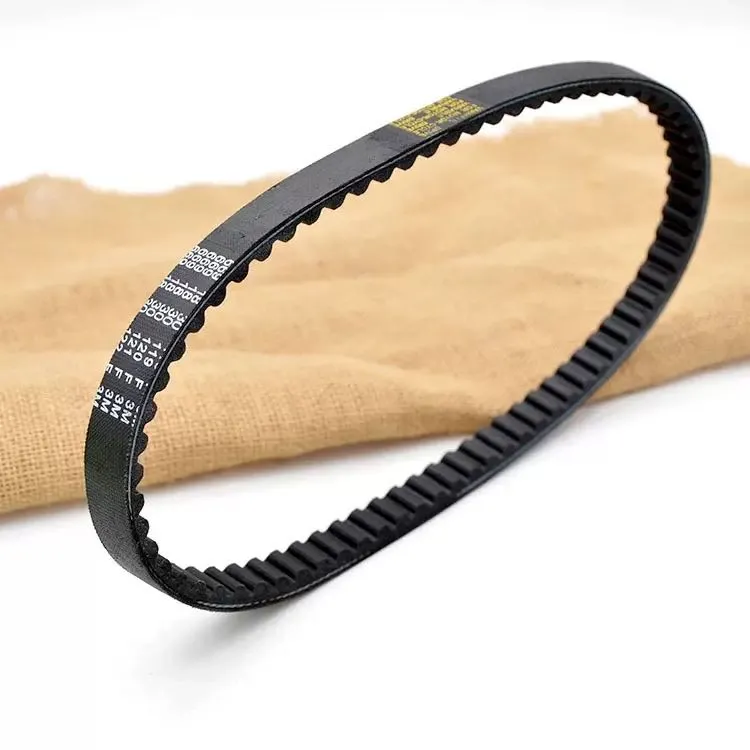
The Essential Role and Function of Motorcycle Drive Belts
Among the critical elements of any two-wheeled machine, motorcycle drive belts are fundamental for transferring torque from the engine to the rear wheel. Unlike chain systems that depend on metal links and lubricants, belts offer a smoother and more direct power delivery. Made from advanced composite materials like reinforced rubber and Kevlar, drive belts deliver high tensile strength while maintaining a quieter operation and lower maintenance requirements. Additionally, the use of belts eliminates the common issues of chain stretching and excessive lubrication. Modern motorcycle drive belts can last upwards of 20,000 to 30,000 miles when maintained properly. They are especially popular in cruisers and touring motorcycles, where comfort and low maintenance are top priorities. Because the belt is exposed to environmental conditions like dust, oil, and road debris, it’s essential to keep it clean and properly tensioned to avoid premature wear or abnormal noise. As a transmission medium, the belt offers the ideal balance between mechanical strength, quiet performance, and long-term cost efficiency.
Why Motorcycle Belt Maintenance Is Crucial for Performance
Whether you ride a scooter or a high-end cruiser, maintaining your motocikla siksna is essential to ensuring optimal ride quality and safety. One of the most common problems with belts is abnormal noise, which often results from debris accumulation or incorrect tension. The accumulation of dust, small stones, and grime over time creates added friction between the belt and pulleys. This friction leads to squealing or grinding noises during acceleration or deceleration, indicating that the belt needs cleaning or adjustment. Regularly washing the surface with mild soap and water, followed by proper drying, helps maintain a smooth surface. Tension is another key aspect. A belt that is too tight can cause stress on the pulleys and bearings, leading to faster mechanical wear. Conversely, a loose belt may slip, resulting in poor power delivery and erratic throttle response. Adjusting the tension using a torque wrench or belt tension tool ensures the motocikla siksna maintains the appropriate grip. Regular inspections, especially after long rides or riding in wet conditions, help detect early signs of wear such as cracks, fraying edges, or misalignment. Maintaining your belt not only improves performance but also enhances rider safety and prolongs the life of your entire transmission system.
Back Protection and Functionality with the Motorcycle Back Belt
Long-distance riders and those with lower back sensitivity are increasingly turning to the motorcycle back belt for additional support and stability. Unlike transmission belts that drive the vehicle, this is a wearable belt designed to reduce strain on the rider’s lower back during extended periods of riding. The motorcycle back belt functions similarly to a posture support brace—it reinforces spinal alignment and helps absorb vibrations from rough terrain, reducing the risk of lower back pain or fatigue. It is especially useful for adventure riders or those who frequently ride over long distances. These belts are typically made from elastic materials combined with adjustable straps and padded inserts, allowing for a customized fit without compromising movement. Breathable fabrics and ventilated mesh panels ensure that the rider remains comfortable even in high-temperature environments. Many modern designs also include reflective accents, further enhancing visibility and safety on the road. While it may seem like a minor accessory, the motorcycle back belt significantly contributes to rider endurance, enabling bikers to travel farther with less physical strain.
Custom Style and Storage with the Motorcycle Tank Belt
The motorcycle tank belt is both a fashion statement and a practical accessory for those who demand more from their gear. Installed over the fuel tank, this belt protects the paintwork from scratches caused by zippers, buttons, or belt buckles during rides. However, the true utility of the motorcycle tank belt lies in its smart design features. Many come equipped with small pouches or compartments, allowing riders to store essential items like keys, cards, or fuel receipts. Made from durable leather, canvas, or synthetic materials, these belts provide an additional layer of protection while enhancing the overall aesthetic of the motorcycle. For custom builders and vintage bike enthusiasts, the motorcycle tank belt becomes a design element that personalizes the motorcycle and makes it stand out. Easy to install and remove, it’s a versatile accessory that adds functionality without interfering with the rider’s natural movement or access to controls. Whether you're navigating city streets or touring mountain highways, this belt becomes an indispensable part of your riding setup—both stylish and purposeful.
Diagnosing and Resolving Motorcycle Drive Belt Noise
Noise issues in motorcycle drive belts often indicate underlying mechanical imbalances or wear. While these belts are designed for quiet operation, a noticeable squeak or squeal under acceleration or braking is a sign that intervention is needed. The most frequent culprit is improper belt tension. As temperature and load vary, belts can stretch or contract slightly, and without periodic checks, they may slip or bind against the pulley. Using a tension gauge can help ensure that the tension falls within the manufacturer’s recommended specifications. Another common cause of noise is contamination. Road dust, engine oil, or water splashes can settle on the belt, increasing friction and degrading the rubber compound over time. Regular cleaning with appropriate belt-safe solutions and keeping the belt pathway dry can prevent these problems. Sometimes, the noise might stem from pulley misalignment or damaged bearings, which affect how the belt sits and rotates. It is essential to inspect all related components, including tensioners and idler pulleys. In severe cases, replacing the belt may be necessary, especially if cracks or missing teeth are visible. Riders should always refer to their service manuals or consult professionals for proper diagnostics and adjustments. Addressing belt noise promptly ensures smoother rides, better acceleration, and greater peace of mind on the road.
Motorcycle Drive Belts FAQs
What is the purpose of motorcycle drive belts?
Motorcycle drive belts are used to transfer power from the engine to the rear wheel, allowing the motorcycle to move forward. Unlike chain systems, drive belts operate quietly and require less frequent maintenance. They are made from durable, high-tensile materials like Kevlar or carbon fiber, which ensures long-lasting performance and smooth power transmission. They’re especially popular in cruiser and touring motorcycles due to their minimal upkeep and comfort-oriented riding experience.
Why does my motorcycle belt make a squeaking noise?
A squeaking noise from a motocikla siksna is typically caused by friction, often resulting from accumulated dust, debris, or oil on the belt’s surface. It could also be due to incorrect belt tension—either too tight or too loose. In some cases, the pulleys may be misaligned, or the belt may be wearing out and in need of replacement. Regular cleaning, lubrication, and periodic inspection of the tension and alignment can help resolve most noise issues.
How do I adjust the tension of a motorcycle drive belt?
Adjusting the tension of motorcycle drive belts involves loosening the axle nut and turning the tension adjusters on both sides of the rear wheel to achieve the correct slack. The ideal slack distance varies by model but generally falls within 10 to 20 mm. It’s important to adjust both sides evenly and refer to the motorcycle’s user manual for exact specifications. Using a belt tension gauge is recommended to ensure precise measurement and to prevent overtightening or under-tightening.
What is a motorcycle tank belt and why is it useful?
A motorcycle tank belt is an accessory that wraps over the fuel tank, primarily to protect the tank surface from scratches and wear caused by jackets, gear, or bags. Many tank belts also feature built-in storage compartments or pouches, offering additional utility for carrying small items. Aside from functional benefits, tank belts can enhance the motorcycle’s visual appeal, especially in custom or vintage setups.
Who should use a motorcycle back belt?
A motorcycle back belt is ideal for long-distance riders, commuters, or anyone experiencing lower back discomfort while riding. It provides support to the lumbar region and helps maintain proper posture, especially during extended hours on the road. Riders who traverse rough terrain or suffer from back fatigue can benefit significantly from the added comfort and stability a back belt provides. It’s a smart addition to any rider’s gear, offering both protection and endurance for longer journeys.
-
Comprehensive Guide to Selecting High Performance drive belts
JaunumiApr.16,2026
-
Guide to Choosing the Right Fan Belt for Car Performance
JaunumiApr.09,2026
-
Understanding and Maintaining Your Vehicle's Serpentine Belt for Optimal Performance
JaunumiApr.07,2026
-
Choosing the Right Steering Belt for Optimal Vehicle Performance and Safety
JaunumiApr.04,2026
-
Understanding the Serpentine Belt for Optimal Vehicle Performance
JaunumiMar.31,2026
-
Comprehensive Guide to Understanding Your Fan Belt Car and Maintenance
JaunumiMar.28,2026