

- Arabic
- French
- Russian
- Spanish
- Portuguese
- Turkish
- Armenian
- English
- Albanian
- Amharic
- Azerbaijani
- Basque
- Belarusian
- Bengali
- Bosnian
- Bulgarian
- Catalan
- Cebuano
- Corsican
- Croatian
- Czech
- Danish
- Dutch
- Afrikaans
- Esperanto
- Estonian
- Finnish
- Frisian
- Galician
- Georgian
- German
- Greek
- Gujarati
- Haitian Creole
- hausa
- hawaiian
- Hebrew
- Hindi
- Miao
- Hungarian
- Icelandic
- igbo
- Indonesian
- irish
- Italian
- Japanese
- Javanese
- Kannada
- kazakh
- Khmer
- Rwandese
- Korean
- Kurdish
- Kyrgyz
- Lao
- Latin
- Latvian
- Lithuanian
- Luxembourgish
- Macedonian
- Malgashi
- Malay
- Malayalam
- Maltese
- Maori
- Marathi
- Mongolian
- Myanmar
- Nepali
- Norwegian
- Norwegian
- Occitan
- Pashto
- Persian
- Polish
- Punjabi
- Romanian
- Samoan
- Scottish Gaelic
- Serbian
- Sesotho
- Shona
- Sindhi
- Sinhala
- Slovak
- Slovenian
- Somali
- Sundanese
- Swahili
- Swedish
- Tagalog
- Tajik
- Tamil
- Tatar
- Telugu
- Thai
- Turkmen
- Ukrainian
- Urdu
- Uighur
- Uzbek
- Vietnamese
- Welsh
- Bantu
- Yiddish
- Yoruba
- Zulu
Set . 10, 2025 13:54 Torna alla lista
Exploring the World of Sprocket and Toothed Belt Technology
In the realm of industrial and mechanical systems, the importance of reliable power transmission cannot be overstated. From packaging machinery to automated conveyor systems and high-speed manufacturing lines, the integration of durable and precise belt systems ensures consistent operational output. One of the most critical developments in this field is the use of sprocket and toothed belt mechanisms. These components offer synchronized, slip-free performance that drives efficiency and durability in demanding environments. Their integration into modern equipment marks a significant shift toward more dependable, quieter, and lower-maintenance solutions, establishing a new standard for motion control.
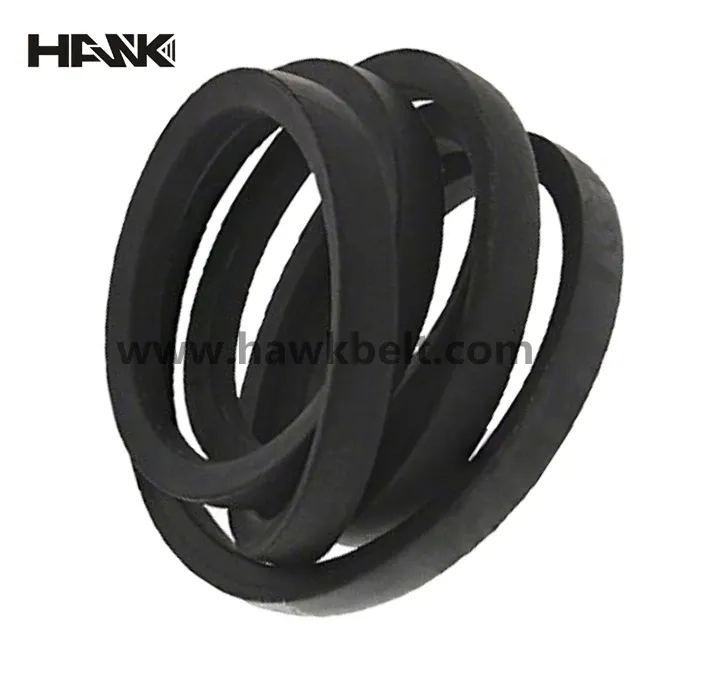
Sprocket and toothed belt systems revolutionize modern machinery
The combination of a sprocket and toothed belt offers engineers a highly reliable synchronous drive system. This setup ensures a positive grip between the belt and sprocket teeth, which significantly reduces the chance of slippage, a common issue in traditional friction-based belts. The precision of this interlocking mechanism allows for exact timing and coordination between components, an essential requirement in industries where millisecond-level accuracy defines success. From printing presses to packaging machines, the stability and synchronization offered by these systems lead to improved throughput and reduced mechanical errors. The uniform distribution of load across the belt teeth also enhances operational smoothness, thereby extending the service life of connected machinery and reducing maintenance frequency. Additionally, such systems are often designed to withstand harsh conditions, including temperature fluctuations and exposure to oil or chemicals, making them highly versatile in industrial applications.
Optimizing efficiency with saw tooth conveyor belt technology
Among various belt types, the saw tooth conveyor belt has emerged as a key solution in handling inclined and high-friction applications. Its unique tooth-like pattern on the surface provides superior grip, especially in industries that handle bulk materials or fragile goods that must be moved delicately yet firmly. This added friction allows the belt to transport products up steep inclines without slippage, minimizing waste and maximizing operational reliability. In sectors such as agriculture, mining, or food processing, the consistent performance of these belts ensures that production targets are met with minimal product damage. The geometry of the saw tooth also aids in alignment, reducing off-tracking and associated downtimes. Moreover, because these belts are often made with durable materials and specialized coatings, they offer excellent resistance to abrasion and environmental wear, which lowers the total cost of ownership over time. As businesses seek to optimize every link in their production chain, adopting high-performance components like the saw tooth conveyor belt becomes a strategic decision.
Rubber toothed belt: the perfect balance of flexibility and strength
The rubber toothed belt stands at the intersection of engineering innovation and material science. These belts combine the elasticity of rubber with the mechanical reliability of precision-cut teeth, making them ideal for synchronized applications in compact spaces. Their flexible construction allows for tight bends and intricate routing around components, which is crucial in automotive and appliance industries where space is at a premium. Yet, despite this flexibility, the toothed profile provides strong engagement with pulleys, maintaining timing accuracy across cycles. The rubber material also offers natural damping properties, which help absorb vibrations and reduce operating noise—an essential characteristic in consumer-facing technologies. With advancements in polymer technology, today’s rubber toothed belts are reinforced with materials like fiberglass or Kevlar, enhancing their tensile strength without sacrificing flexibility. This hybrid strength allows the belts to function reliably under varying load conditions, further reinforcing their place in modern machinery. Whether in robotic arms or HVAC systems, their dependability under pressure makes them indispensable.
Durability and tradition in rubber canvas flat belt solutions
The rubber canvas flat belt represents a time-tested solution that continues to hold relevance in specific applications where simplicity, flexibility, and resilience are required. Historically used in textile mills and grain elevators, these belts have been modernized through the integration of composite materials, combining layers of rubber and canvas to offer superior tensile strength and dimensional stability. Their flat, wide design provides ample surface contact, making them particularly useful in systems where torque must be distributed evenly across large surfaces. The canvas component enhances resistance to stretching, while the rubber layers improve grip and friction, contributing to efficient power transmission. This type of belt excels in agricultural and woodworking equipment where traditional pulley systems remain effective and economical. Despite the rise of newer belt technologies, the rubber canvas flat belt retains its niche due to ease of installation, quiet operation, and the ability to accommodate misalignments and variations in load. Its enduring presence underscores the idea that sometimes, reliability and simplicity are the most advanced features of all.
Sprocket and Toothed Belt FAQs
What is a sprocket and toothed belt system and how does it work?
A sprocket and toothed belt system is a synchronous drive mechanism that connects two or more rotating shafts. The toothed belt, embedded with evenly spaced teeth, engages precisely with the teeth on the sprocket. As the sprocket rotates, it pulls the belt in a synchronized motion, ensuring exact timing between the input and output shafts. This system eliminates slippage, making it ideal for timing-critical operations in automotive engines, industrial robotics, and packaging equipment. Its positive engagement leads to higher efficiency and precise motion control, essential in modern automation.
How does a saw tooth conveyor belt benefit inclined transport?
The saw tooth conveyor belt features a surface patterned with angled teeth, which enhances grip and stability when moving products along inclined paths. These teeth increase the friction between the belt and the items being transported, preventing slippage and reducing product loss or damage. This makes the belt especially useful in industries such as mining, agriculture, and recycling, where materials must be elevated during processing. Its structure also supports smoother loading and unloading processes, improving overall line efficiency while maintaining product integrity.
What makes a rubber toothed belt suitable for compact machinery?
A rubber toothed belt is designed with both flexibility and strength, allowing it to navigate complex routing within compact spaces while maintaining mechanical synchronization. The rubber provides flexibility and shock absorption, while embedded teeth ensure a firm grip on pulleys. This combination makes it particularly effective in automotive engines, 3D printers, and small appliances where space is limited but accurate power transmission is necessary. Reinforced versions of these belts can withstand high speeds and loads, extending their utility across a wide range of modern devices.
Why do some industries still use the rubber canvas flat belt?
Despite newer technologies, the rubber canvas flat belt remains in use because of its robustness, ease of installation, and adaptability. Its multi-layer construction provides a balance of flexibility and durability, suitable for legacy machinery in woodworking, farming, and milling industries. It accommodates misalignments better than toothed belts and does not require precise pulley configurations, which makes it ideal for older systems. The belt also operates quietly and can be easily repaired or resized, making it a cost-effective option in specific industrial settings.
How should I maintain a sprocket and toothed belt system to extend its lifespan?
Maintaining a sprocket and toothed belt system involves regular inspections for signs of wear such as cracking, fraying, or stretching. It's essential to ensure the belt remains tensioned according to manufacturer specifications to prevent tooth skipping or uneven wear. Lubrication is generally not required for the belt itself but keeping the surrounding pulleys and housings clean will reduce dust accumulation that can affect performance. Periodic alignment checks of the sprockets and timely replacement of the belt before visible deterioration will help maintain optimal efficiency and prevent costly downtime.
-
Comprehensive Guide to Selecting High Performance drive belts
NotiziaApr.16,2026
-
Guide to Choosing the Right Fan Belt for Car Performance
NotiziaApr.09,2026
-
Understanding and Maintaining Your Vehicle's Serpentine Belt for Optimal Performance
NotiziaApr.07,2026
-
Choosing the Right Steering Belt for Optimal Vehicle Performance and Safety
NotiziaApr.04,2026
-
Understanding the Serpentine Belt for Optimal Vehicle Performance
NotiziaMar.31,2026
-
Comprehensive Guide to Understanding Your Fan Belt Car and Maintenance
NotiziaMar.28,2026