

- Arabic
- French
- Russian
- Spanish
- Portuguese
- Turkish
- Armenian
- English
- Albanian
- Amharic
- Azerbaijani
- Basque
- Belarusian
- Bengali
- Bosnian
- Bulgarian
- Catalan
- Cebuano
- Corsican
- Croatian
- Czech
- Danish
- Dutch
- Afrikaans
- Esperanto
- Estonian
- Finnish
- Frisian
- Galician
- Georgian
- German
- Greek
- Gujarati
- Haitian Creole
- hausa
- hawaiian
- Hebrew
- Hindi
- Miao
- Hungarian
- Icelandic
- igbo
- Indonesian
- irish
- Italian
- Japanese
- Javanese
- Kannada
- kazakh
- Khmer
- Rwandese
- Korean
- Kurdish
- Kyrgyz
- Lao
- Latin
- Latvian
- Lithuanian
- Luxembourgish
- Macedonian
- Malgashi
- Malay
- Malayalam
- Maltese
- Maori
- Marathi
- Mongolian
- Myanmar
- Nepali
- Norwegian
- Norwegian
- Occitan
- Pashto
- Persian
- Polish
- Punjabi
- Romanian
- Samoan
- Scottish Gaelic
- Serbian
- Sesotho
- Shona
- Sindhi
- Sinhala
- Slovak
- Slovenian
- Somali
- Sundanese
- Swahili
- Swedish
- Tagalog
- Tajik
- Tamil
- Tatar
- Telugu
- Thai
- Turkmen
- Ukrainian
- Urdu
- Uighur
- Uzbek
- Vietnamese
- Welsh
- Bantu
- Yiddish
- Yoruba
- Zulu
ספט . 04, 2025 11:32 בחזרה לרשימה
Exploring the World of Flat Belts for Sale
Flat belts may have originated in the industrial revolutions of the past, but their relevance hasn’t waned in the age of advanced mechanical systems. Whether you're restoring a vintage engine, sourcing dependable load-bearing materials, or upgrading power transmission systems, flat belts for sale remain a vital solution for various industries. Their simplicity, efficiency, and versatility make them indispensable, from antique machinery restoration to contemporary mechanical engineering. This article will explore different applications and benefits of flat belts, especially in the context of webbing slings flat belt, vintage flat belt, and universal v belt, demonstrating how these belts still play a central role in powering both tradition and innovation.
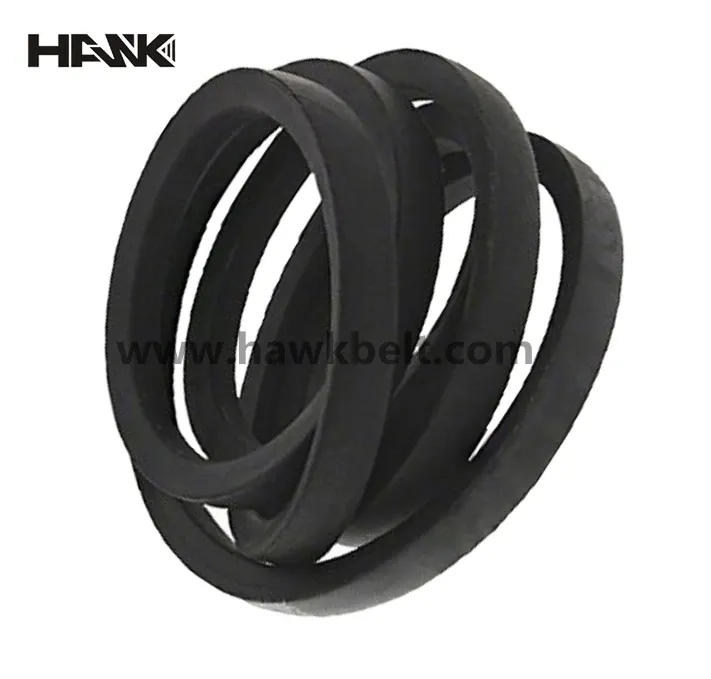
Flat Belts for Sale in Modern Industrial Applications
While flat belts might be one of the oldest forms of mechanical drive systems, their application in today’s industries remains significant. Flat belts are used to transmit power in many types of industrial machines where space efficiency, quiet operation, and ease of installation are important. Sourcing flat belts for sale means tapping into a market of both custom and standardized belts that serve a wide variety of sectors. These include textile production, paper processing, food manufacturing, and logistics automation. Flat belts are especially prized in systems that require moderate power over relatively long distances with minimal noise and vibration. Their continuous, looped design enables stable motion, reduced energy loss, and minimized wear on pulleys and shafts.
Thanks to their smooth surface, these belts allow for slip in overload conditions, thus protecting motors and driven components from damage. The simplicity of their design also translates to easy inspection and minimal maintenance needs, further lowering operational costs. When looking for flat belts for sale, manufacturers and plant managers often choose belts with high-quality synthetic polymers or reinforced fabric layers to ensure resistance to oil, heat, and abrasion—making them suitable for demanding environments.
Webbing Slings Flat Belt: Strength Meets Flexibility
In the realm of load lifting and rigging, the webbing slings flat belt plays a critical role. Constructed from durable polyester or nylon fibers, these belts are designed to carry heavy loads safely while offering flexibility and light weight. The flat belt structure distributes the load more evenly across the sling's surface, reducing pressure points and protecting both the lifted object and the belt itself. This is particularly important in industries such as construction, warehousing, and shipping, where safety and efficiency are paramount.
Unlike chains or wire ropes, webbing flat belts are less likely to damage delicate surfaces, making them ideal for lifting polished metal components or fragile equipment. They are also easier to store and transport due to their compact, foldable nature. Additionally, webbing slings flat belt options are color-coded according to their load capacity, simplifying compliance with safety standards and streamlining operational processes. With regular inspection and proper care, these belts can offer long-term service, further underlining their cost-effectiveness.
Vintage Flat Belt Systems: Restoring the Past with Precision
Enthusiasts and professionals alike know the value of a well-maintained vintage flat belt system. In workshops and museums across the globe, historic machinery relies on flat belts to remain operational, offering a glimpse into the engineering excellence of bygone eras. These belts are often custom-made to replicate original specifications, allowing for faithful restorations of antique engines, lathes, drill presses, and other legacy equipment.
Finding a suitable vintage flat belt involves not just matching dimensions, but also understanding the materials and tensioning methods used historically. Leather remains a popular material choice for restoration belts due to its authentic feel and performance. However, modern synthetic equivalents are also available, offering enhanced durability while preserving a classic look. In many cases, upgrading vintage equipment with a modern flat belt enhances reliability without sacrificing historical integrity. Whether for personal use or display, a functional vintage system serves as a tribute to the ingenuity of earlier mechanical designs.
Universal V Belt vs. Flat Belt: The Right Choice for Every System
While flat belts continue to be relevant, many industries have shifted to alternatives such as the universal v belt, especially in scenarios requiring higher torque transmission. Understanding when to use a flat belt versus a v belt is essential for achieving optimal system performance. Flat belts offer quiet operation, high-speed efficiency, and cost-effective maintenance, making them suitable for applications that don’t demand excessive power. On the other hand, universal v belt systems are designed to handle greater tension and prevent slippage in compact, high-torque environments.
When comparing the two, it's essential to consider pulley design, shaft alignment, and the operating environment. V belts are inherently more secure due to their wedged shape, which fits snugly into grooved pulleys. This allows for better traction and increased load capacity. However, the universal v belt is generally more complex to replace and can require more frequent adjustments under high stress. Flat belts, meanwhile, are simpler to align and operate more smoothly at higher speeds.
Ultimately, the decision between a universal v belt and a flat belt depends on your equipment’s specific needs, budget constraints, and long-term maintenance capabilities. By understanding the strengths of each system, buyers can select the most efficient and reliable belt type for their application.
Flat Belts for Sale FAQs
What materials are flat belts typically made from?
Flat belts are commonly made from rubber, leather, polyester, and nylon. Leather belts are often used in vintage flat belt applications due to their traditional look and feel, while synthetic materials like polyester offer higher resistance to chemicals and abrasion in modern industrial settings. Reinforced variants may include fiber or steel cords to increase strength and longevity.
How do I choose between a flat belt and a universal v belt?
The choice depends on your system’s requirements. If your machinery operates at high speed and needs smooth, quiet motion with minimal vibration, a flat belt is ideal. For higher torque or situations where slippage must be minimized, the universal v belt offers a better fit due to its wedged grip on grooved pulleys. Consider your system's power, space, and alignment needs before deciding.
Are webbing slings flat belts suitable for outdoor use?
Yes, webbing slings flat belt products are typically made with UV-resistant polyester or nylon, making them suitable for outdoor environments. However, prolonged exposure to harsh elements may reduce their lifespan, so regular inspection is recommended. Some models are treated for water resistance and anti-mildew protection to enhance durability in wet conditions.
What are the common applications of vintage flat belts?
Vintage flat belt systems are primarily found in restored mechanical equipment, such as antique lathes, sewing machines, printing presses, and early industrial engines. These belts are used in historical preservation projects and by collectors or museums that seek to maintain functional replicas of historical machinery. They provide an authentic drive solution for equipment originally built before the widespread use of v belts.
How often should flat belts be inspected or replaced?
Inspection frequency depends on usage and environmental conditions. In industrial applications, flat belts should be checked monthly for wear, alignment, and tension. In lighter or vintage flat belt systems, visual checks before each use are often sufficient. Replacement is typically required when there is visible fraying, cracking, or significant loss of tension that cannot be corrected by adjustment.
-
Comprehensive Guide to Selecting High Performance drive belts
חֲדָשׁוֹתApr.16,2026
-
Guide to Choosing the Right Fan Belt for Car Performance
חֲדָשׁוֹתApr.09,2026
-
Understanding and Maintaining Your Vehicle's Serpentine Belt for Optimal Performance
חֲדָשׁוֹתApr.07,2026
-
Choosing the Right Steering Belt for Optimal Vehicle Performance and Safety
חֲדָשׁוֹתApr.04,2026
-
Understanding the Serpentine Belt for Optimal Vehicle Performance
חֲדָשׁוֹתMar.31,2026
-
Comprehensive Guide to Understanding Your Fan Belt Car and Maintenance
חֲדָשׁוֹתMar.28,2026