

- Arabic
- French
- Russian
- Spanish
- Portuguese
- Turkish
- Armenian
- English
- Albanian
- Amharic
- Azerbaijani
- Basque
- Belarusian
- Bengali
- Bosnian
- Bulgarian
- Catalan
- Cebuano
- Corsican
- Croatian
- Czech
- Danish
- Dutch
- Afrikaans
- Esperanto
- Estonian
- Finnish
- Frisian
- Galician
- Georgian
- German
- Greek
- Gujarati
- Haitian Creole
- hausa
- hawaiian
- Hebrew
- Hindi
- Miao
- Hungarian
- Icelandic
- igbo
- Indonesian
- irish
- Italian
- Japanese
- Javanese
- Kannada
- kazakh
- Khmer
- Rwandese
- Korean
- Kurdish
- Kyrgyz
- Lao
- Latin
- Latvian
- Lithuanian
- Luxembourgish
- Macedonian
- Malgashi
- Malay
- Malayalam
- Maltese
- Maori
- Marathi
- Mongolian
- Myanmar
- Nepali
- Norwegian
- Norwegian
- Occitan
- Pashto
- Persian
- Polish
- Punjabi
- Romanian
- Samoan
- Scottish Gaelic
- Serbian
- Sesotho
- Shona
- Sindhi
- Sinhala
- Slovak
- Slovenian
- Somali
- Sundanese
- Swahili
- Swedish
- Tagalog
- Tajik
- Tamil
- Tatar
- Telugu
- Thai
- Turkmen
- Ukrainian
- Urdu
- Uighur
- Uzbek
- Vietnamese
- Welsh
- Bantu
- Yiddish
- Yoruba
- Zulu
Sep . 04, 2025 11:36 Hoʻi i ka papa inoa
Maximize Engine Precision with a Reliable Auto Timing Belt System
Within every internal combustion engine lies a synchronized rhythm, a calculated dance of pistons, valves, and combustion phases working in perfect harmony. At the core of this orchestration is the kāʻei manawa kaʻa, a component often overlooked until failure occurs—yet vital to engine functionality and longevity. The kāʻei manawa kaʻa ensures precise synchronization between the crankshaft and camshaft, allowing intake and exhaust valves to open and close at exact moments relative to piston movement. This level of precision enables the engine to perform optimally, maintaining a balance between efficiency, power, and emissions. However, failure of the kāʻei manawa mechanism can result in severe engine damage, especially in interference engine designs where piston and valve collision is possible. For this reason, timely inspection, maintenance, and replacement of timing belts are critical practices that vehicle owners must not ignore. In this article, we’ll explore how the timing system operates, the advantages of modern belt designs, and why proactive care makes all the difference in preserving your vehicle’s heart.
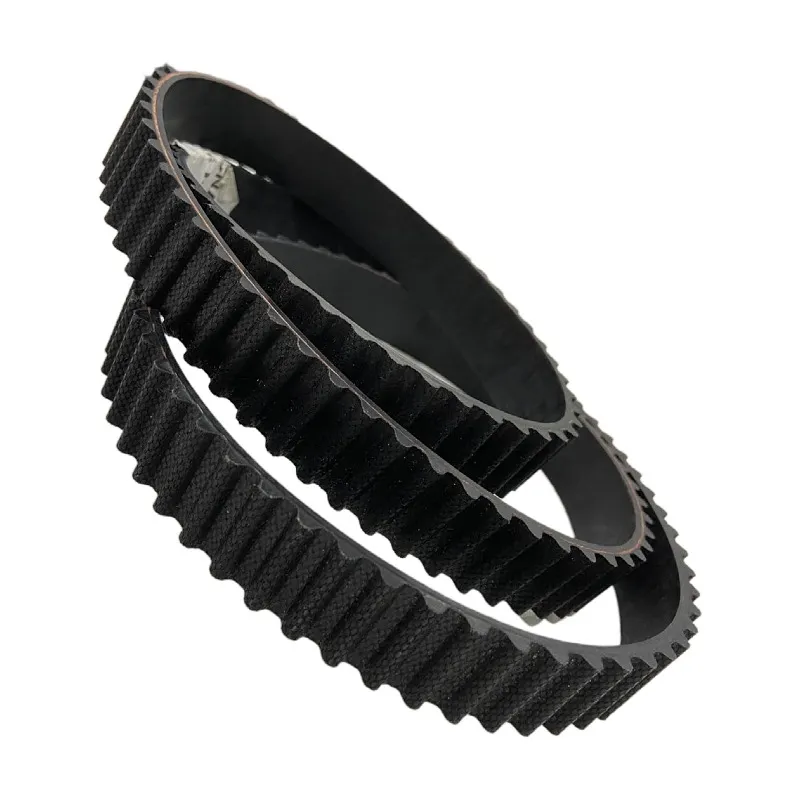
Understanding the Functionality of Belts Timing in Engine Cycles
In a four-stroke engine, four continuous stages—intake, compression, combustion, and exhaust—occur within each cylinder. These stages must align precisely with the up-and-down motion of the pistons to ensure the engine runs smoothly and efficiently. The kāʻei manawa mechanism serves as the bridge that connects the rotational movement of the crankshaft with the camshaft, ensuring the valves open and close in harmony with piston movement. If this coordination fails, it can cause misfires, rough idling, reduced fuel economy, or catastrophic engine failure. The timing belt is usually made of high-strength synthetic rubber reinforced with fiber cords, allowing it to resist stretching and wear over tens of thousands of kilometers. As the crankshaft turns, the belt rotates the camshaft(s) at half the speed of the crank, ensuring that valve timing remains perfectly aligned. The teeth on the belt mesh with corresponding sprockets, preventing slippage. Any deviation, whether from belt wear or incorrect installation, can disrupt engine timing and compromise combustion efficiency. Maintaining proper kāʻei manawa is therefore critical not only for performance but also for preventing internal damage that could cost thousands in repairs.
Performance and Safety Benefits of a Durable Auto Timing Belt
When it comes to engine reliability, the kāʻei manawa kaʻa plays a central role in delivering smooth performance, consistent power output, and protection against mechanical failure. In most modern cars, the belt is designed to operate silently and efficiently within a sealed engine environment, offering several advantages over its metal chain counterparts. One of the primary benefits is reduced weight. The kāʻei manawa kaʻa is significantly lighter than a metal chain, which improves fuel efficiency and reduces stress on the crankshaft. Additionally, rubber belts tend to operate more quietly, enhancing overall driving comfort. Modern timing belts are also chemically resistant and can tolerate a wide range of temperatures, making them suitable for diverse driving environments. Despite these advantages, belts are not immune to wear. Over time, the belt’s teeth may degrade, the tension may weaken, or the rubber material may crack due to heat cycling and exposure to contaminants like oil or coolant. To preserve engine safety, most manufacturers recommend replacing the kāʻei manawa kaʻa at intervals ranging from 60,000 to 100,000 miles, depending on the make and model. Skipping this maintenance step can lead to belt failure, causing valves to strike pistons, damaging the cylinder head, and possibly requiring a full engine rebuild.
How the Automobile Timing Belt Supports Engine Precision
The kāʻei manawa kaʻa is critical in vehicles with interference engines, where the tolerances between piston travel and valve extension are extremely tight. In such engines, even a minor timing error can lead to a piston striking an open valve, resulting in severe internal damage. The kāʻei manawa kaʻa ensures exact camshaft rotation relative to the crankshaft, controlling valve timing down to milliseconds. To perform this task effectively, it must be both robust and precisely installed. In high-performance vehicles, manufacturers often design belts with extra reinforcement, such as fiberglass or Kevlar cords, and mold them to exact tolerances. Some systems include a timing belt tensioner that automatically adjusts slack to prevent slippage and maintain alignment over time. A well-maintained kāʻei manawa kaʻa contributes to optimized combustion efficiency, reduced emissions, and consistent torque delivery. It ensures that the engine performs according to factory specifications, especially under high RPM conditions where timing discrepancies could lead to hesitation or power loss. Understanding its role helps drivers appreciate why belt inspection, proper tension, and scheduled replacement are not just routine maintenance—they are essential engine-preserving practices.
Timing Belt vs. Chain: Why Belts Timing Remains Relevant Today
With many luxury or performance vehicles turning to timing chains for extended service life, some may wonder whether the traditional kāʻei manawa system is becoming obsolete. However, there are compelling reasons why timing belts remain widely used across many automobile platforms. Firstly, belts are quieter, contributing to a smoother and more refined engine note, especially in economy sedans, SUVs, and compact vehicles. Secondly, the production cost of belts and their supporting components is generally lower than chains, which require oil lubrication systems and hardened tensioners. For these reasons, the kāʻei manawa setup remains a popular choice for automakers looking to balance performance, cost-efficiency, and ride comfort. Importantly, the failure of a timing chain is just as catastrophic as a belt, and while chains can last longer, they are not immune to wear and can develop slack or stretch over time. On the other hand, belts are predictable in their wear patterns and usually give early warning signs such as ticking noises, fraying, or visible cracking. With proper maintenance and scheduled replacement, the kāʻei manawa system continues to provide dependable engine synchronization without the complexity of chain-driven alternatives. For drivers who prioritize quiet performance and simple serviceability, the timing belt remains a dependable choice.
Automobile Timing Belt FAQs
What is the main function of an auto timing belt?
The kāʻei manawa kaʻa synchronizes the rotation of the engine’s crankshaft and camshaft, ensuring that the intake and exhaust valves open and close at precise intervals during each cylinder's cycle. This coordination is vital for proper combustion timing and smooth engine operation. A failure in the timing belt can lead to severe engine damage, especially in interference engines where pistons and valves may collide if mistimed.
How often should I replace my automobile timing belt?
The replacement interval for an kāʻei manawa kaʻa varies depending on the vehicle make, engine type, and manufacturer recommendations. Typically, belts should be replaced every 60,000 to 100,000 miles. However, it's essential to check your owner’s manual or consult a certified mechanic for your specific model. Delaying replacement increases the risk of belt failure and potentially catastrophic engine damage.
What are the signs that a belts timing system needs maintenance?
Common signs that the kāʻei manawa system needs maintenance include ticking or rattling noises from the engine, misfires, rough idling, reduced fuel efficiency, or difficulty starting the car. In severe cases, the engine may stall or not start at all. Physical inspection may reveal visible cracks, frayed edges, or oil contamination on the belt. If any of these symptoms occur, immediate inspection and service are advised.
Can I switch from a timing belt to a timing chain for better durability?
Switching from a kāʻei manawa system to a timing chain is generally not feasible without significant modifications. Timing chains require different engine architecture, including oil-fed tensioners, guides, and differently spaced gears. Unless your vehicle was designed for a chain, it is best to stick with the recommended timing belt and replace it at the specified interval. Modern timing belts are highly durable and perform reliably when properly maintained.
What happens if the automobile timing belt breaks while driving?
If the kāʻei manawa kaʻa breaks while the engine is running, the camshaft stops turning while the crankshaft continues to rotate. In interference engines, this can cause pistons to collide with open valves, bending or breaking them, and possibly damaging the cylinder head, camshaft, or piston crowns. The engine will stall immediately and will not restart until repairs are made, often at significant cost. This is why proactive timing belt replacement is essential.
-
Comprehensive Guide to Selecting High Performance drive belts
NūhouApr.16,2026
-
Guide to Choosing the Right Fan Belt for Car Performance
NūhouApr.09,2026
-
Understanding and Maintaining Your Vehicle's Serpentine Belt for Optimal Performance
NūhouApr.07,2026
-
Choosing the Right Steering Belt for Optimal Vehicle Performance and Safety
NūhouApr.04,2026
-
Understanding the Serpentine Belt for Optimal Vehicle Performance
NūhouMar.31,2026
-
Comprehensive Guide to Understanding Your Fan Belt Car and Maintenance
NūhouMar.28,2026