

- Arabic
- French
- Russian
- Spanish
- Portuguese
- Turkish
- Armenian
- English
- Albanian
- Amharic
- Azerbaijani
- Basque
- Belarusian
- Bengali
- Bosnian
- Bulgarian
- Catalan
- Cebuano
- Corsican
- Croatian
- Czech
- Danish
- Dutch
- Afrikaans
- Esperanto
- Estonian
- Finnish
- Frisian
- Galician
- Georgian
- German
- Greek
- Gujarati
- Haitian Creole
- hausa
- hawaiian
- Hebrew
- Hindi
- Miao
- Hungarian
- Icelandic
- igbo
- Indonesian
- irish
- Italian
- Japanese
- Javanese
- Kannada
- kazakh
- Khmer
- Rwandese
- Korean
- Kurdish
- Kyrgyz
- Lao
- Latin
- Latvian
- Lithuanian
- Luxembourgish
- Macedonian
- Malgashi
- Malay
- Malayalam
- Maltese
- Maori
- Marathi
- Mongolian
- Myanmar
- Nepali
- Norwegian
- Norwegian
- Occitan
- Pashto
- Persian
- Polish
- Punjabi
- Romanian
- Samoan
- Scottish Gaelic
- Serbian
- Sesotho
- Shona
- Sindhi
- Sinhala
- Slovak
- Slovenian
- Somali
- Sundanese
- Swahili
- Swedish
- Tagalog
- Tajik
- Tamil
- Tatar
- Telugu
- Thai
- Turkmen
- Ukrainian
- Urdu
- Uighur
- Uzbek
- Vietnamese
- Welsh
- Bantu
- Yiddish
- Yoruba
- Zulu
May . 09, 2025 15:54 Hoʻi i ka papa inoa
Drive Smart with a High-Performance Auto Timing Belt
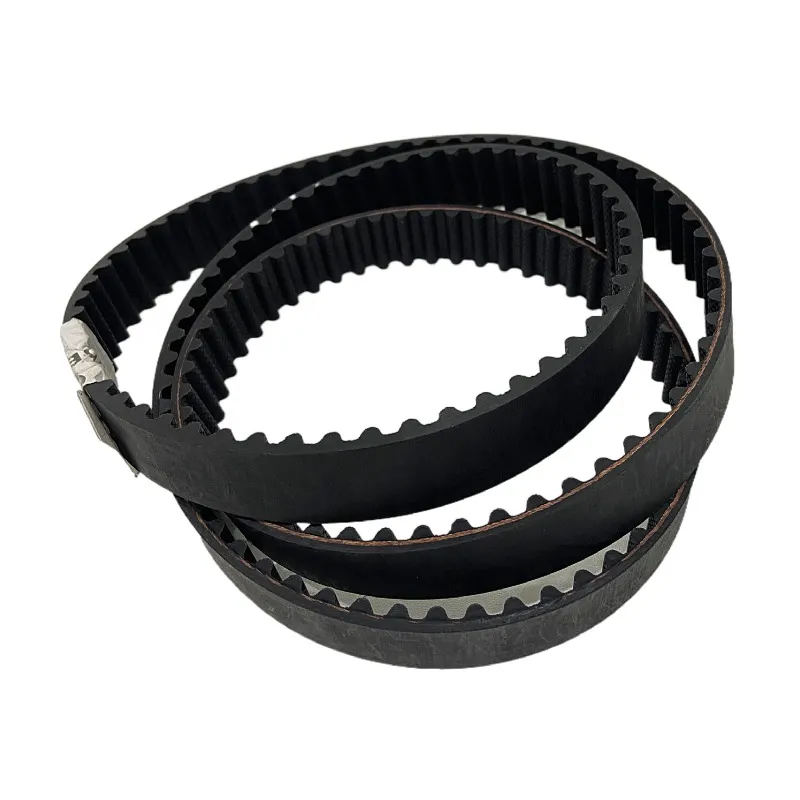
Precision timing lies at the heart of any smooth-running engine, and no component does that better than the kāʻei manawa kaʻa. While it's easy to overlook this hidden part buried deep within the engine bay, its function is absolutely critical to the vehicle's overall performance, noise reduction, and durability. For car owners who value efficient power and low maintenance, understanding how the kāʻei manawa kaʻa works is the first step in maximizing engine life.
What is an Auto Timing Belt and Why It Matters
A modern kāʻei manawa kaʻa is not just a rubber loop with teeth—it’s an intricately engineered component designed to precisely synchronize the rotation of the crankshaft and camshaft. This synchronization ensures the engine valves open and close at the correct time during each piston stroke, preventing valve collisions and ensuring efficient combustion.
Unlike older systems that relied on metal chains, today’s kāʻei manawa offer smoother, quieter performance with lighter weight and better energy efficiency. Most are built with reinforced rubber, heat-resistant fibers, and molded teeth that grip securely, even at high speeds. The kāʻei manawa no nā kaʻa has evolved into a specialized product tailored for specific engine designs, offering exact fitment and exceptional reliability.
As engine complexity increases, the quality and durability of the kāʻei manawa kaʻa have become essential. Newer belts are now designed to last longer, resist extreme temperatures, and perform under a range of driving conditions—from city traffic to high-speed highways.
Auto Timing Belt and Engine Life: The Lifespan Connection
The kāʻei manawa kaʻa is one of the few components in a car that directly affects engine longevity. A worn or broken belt can cause valves to hit pistons, leading to catastrophic engine failure. That’s why many vehicle manufacturers recommend belt replacement between 60,000 and 100,000 kilometers, depending on the engine model.
Routine maintenance of the kāʻei manawa no nā kaʻa is one of the most cost-effective ways to preserve engine health. Replacing it at the right time reduces wear on surrounding components like the water pump, camshaft seals, and tensioners. A neglected kāʻei manawa kaʻa can stretch or slip, throwing off the entire combustion timing and leading to loss of power or engine misfire.
With an increased emphasis on fuel economy and reduced emissions, the role of kāʻei manawa in supporting engine efficiency has never been more important. A properly functioning belt ensures optimal combustion timing, which directly contributes to smoother starts, stronger acceleration, and lower fuel consumption.
Noise Problems and Solutions: Making Auto Timing Belts Silent Again
One common concern among drivers is the presence of squealing, slapping, or ticking sounds from the engine—often wrongly attributed to external belts or pulleys. In many cases, the source of the noise is the kāʻei manawa kaʻa itself. This can be caused by misalignment, improper tension, or simply age-related degradation.
Early signs of trouble include rhythmic ticking sounds or high-pitched whines. These occur when the kāʻei manawa no nā kaʻa becomes loose or misaligned, causing it to brush against the timing cover or tensioner.
The solution? Invest in high-quality kāʻei manawa made from durable materials and ensure correct installation. Precision tensioners and pulleys also play a vital role in keeping the belt firmly in place and free from vibration. For added peace of mind, many brands now offer noise-dampening coatings and integrated tension regulation features that dramatically reduce operational sound.
In the aftermarket, premium kāʻei manawa kaʻa kits often include all supporting hardware—like idler pulleys, hydraulic tensioners, and installation guides—to guarantee a quiet, efficient setup. Professional installation using these kits helps prevent future noise issues and maximizes the system’s working life.
Auto Timing Belt:Future Trends and Innovations in Timing Belt for Cars
The kāʻei manawa kaʻa industry continues to see rapid innovation. Manufacturers are developing belts with higher tensile strength, lower friction coefficients, and increased heat resistance. Some high-performance kāʻei manawa no nā kaʻa even include self-lubricating properties or smart sensors that monitor wear levels in real time.
In hybrid and start-stop engine designs, kāʻei manawa are engineered to operate under frequent ignition cycles without losing tension or degrading in performance. This makes them essential to the latest fuel-saving technologies.
As the automotive market grows, especially in Asia and Latin America, demand for long-lasting, quiet auto timing belts is increasing. Customers now prioritize not only cost-effectiveness but also comfort, reliability, and ease of maintenance.
In response, global manufacturers are offering more comprehensive warranties, advanced installation solutions, and vehicle-specific kāʻei manawa no nā kaʻa tailored for unique performance needs. Whether you're a casual driver or a performance enthusiast, the right kāʻei manawa kaʻa offers unmatched confidence under the hood.
Auto Timing Belt FAQs
What is an kāʻei manawa kaʻa, and what does it do?
It’s a reinforced rubber belt that synchronizes the crankshaft and camshaft in your engine. It ensures your engine’s valves open and close at the right times for optimal performance and combustion.
How often should I replace my kāʻei manawa kaʻa?
Typically between 60,000 and 100,000 kilometers, depending on the make and model of your vehicle. Regular inspection is crucial, especially if you notice unusual noises or engine misfires.
Why is my kāʻei manawa kaʻa making noise?
Noise can result from misalignment, improper tension, or degradation of the belt material. A worn tensioner or pulley can also be a cause. Replacing the belt and its components often solves the problem.
Are all kāʻei manawa the same?
No. Belts timing vary by vehicle type, engine size, and performance needs. Using a belt not designed for your engine can result in poor performance or mechanical failure.
What should I look for when choosing a kāʻei manawa no nā kaʻa?
Look for high heat resistance, reinforced internal structure, low-friction coating, and compatibility with your engine model. Purchasing a complete timing belt kit ensures all parts function together optimally.
-
Comprehensive Guide to Selecting High Performance drive belts
NūhouApr.16,2026
-
Guide to Choosing the Right Fan Belt for Car Performance
NūhouApr.09,2026
-
Understanding and Maintaining Your Vehicle's Serpentine Belt for Optimal Performance
NūhouApr.07,2026
-
Choosing the Right Steering Belt for Optimal Vehicle Performance and Safety
NūhouApr.04,2026
-
Understanding the Serpentine Belt for Optimal Vehicle Performance
NūhouMar.31,2026
-
Comprehensive Guide to Understanding Your Fan Belt Car and Maintenance
NūhouMar.28,2026