

- Arabic
- French
- Russian
- Spanish
- Portuguese
- Turkish
- Armenian
- English
- Albanian
- Amharic
- Azerbaijani
- Basque
- Belarusian
- Bengali
- Bosnian
- Bulgarian
- Catalan
- Cebuano
- Corsican
- Croatian
- Czech
- Danish
- Dutch
- Afrikaans
- Esperanto
- Estonian
- Finnish
- Frisian
- Galician
- Georgian
- German
- Greek
- Gujarati
- Haitian Creole
- hausa
- hawaiian
- Hebrew
- Hindi
- Miao
- Hungarian
- Icelandic
- igbo
- Indonesian
- irish
- Italian
- Japanese
- Javanese
- Kannada
- kazakh
- Khmer
- Rwandese
- Korean
- Kurdish
- Kyrgyz
- Lao
- Latin
- Latvian
- Lithuanian
- Luxembourgish
- Macedonian
- Malgashi
- Malay
- Malayalam
- Maltese
- Maori
- Marathi
- Mongolian
- Myanmar
- Nepali
- Norwegian
- Norwegian
- Occitan
- Pashto
- Persian
- Polish
- Punjabi
- Romanian
- Samoan
- Scottish Gaelic
- Serbian
- Sesotho
- Shona
- Sindhi
- Sinhala
- Slovak
- Slovenian
- Somali
- Sundanese
- Swahili
- Swedish
- Tagalog
- Tajik
- Tamil
- Tatar
- Telugu
- Thai
- Turkmen
- Ukrainian
- Urdu
- Uighur
- Uzbek
- Vietnamese
- Welsh
- Bantu
- Yiddish
- Yoruba
- Zulu
Sep . 04, 2025 11:34 Werom nei list
Extend Engine Life and Efficiency with the Right Auto Timing Belt
Modern engines depend heavily on precision, durability, and adaptability. Whether powering a compact urban vehicle or a high-performance machine, every engine requires well-coordinated mechanical systems to operate smoothly and efficiently. Among these systems, the auto timing riem and the variable speed belt drive are indispensable components that determine the performance, fuel efficiency, and lifespan of the vehicle. The auto timing riem is the synchronizing mechanism of the engine, controlling the relationship between crankshaft and camshaft movement to ensure the perfect timing of valve openings. On the other hand, the variable speed belt system plays a critical role in applications requiring torque adjustment and seamless speed changes, particularly in continuously variable transmissions (CVTs). These belts and drives are not only essential for engine performance but also for long-term vehicle reliability. As mechanical components wear over time, timely replacement and careful selection of these belts can prevent catastrophic failures and maintain optimal engine performance.
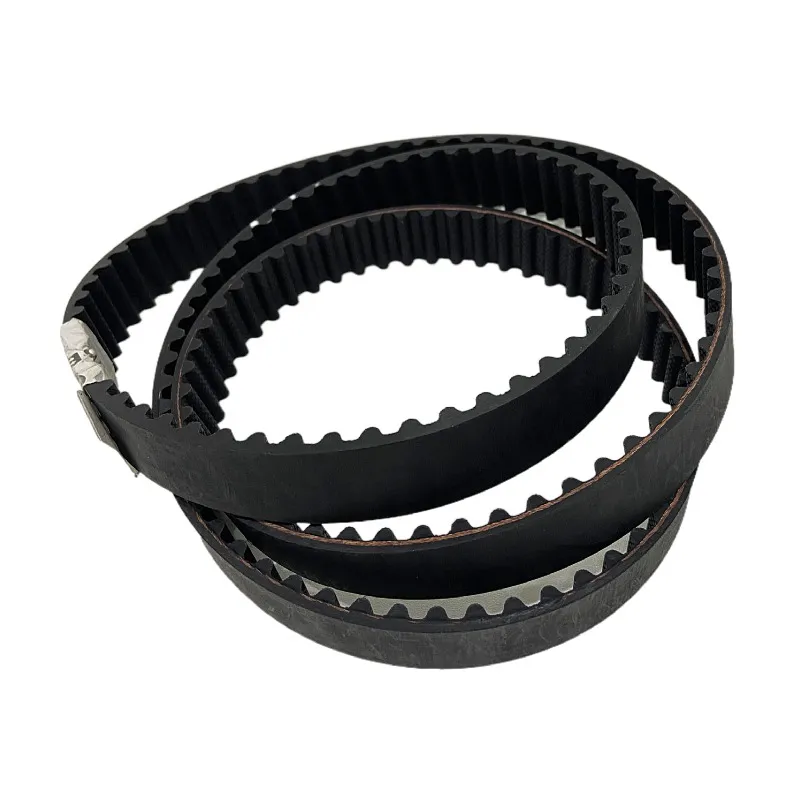
Why the Auto Timing Belt Is Critical to Engine Operation
The auto timing riem is one of the most vital internal engine components, acting as the direct link between the engine’s crankshaft and camshaft. Its main role is to synchronize the rotation of these two parts so that the engine’s valves open and close at precisely the right time during the intake and exhaust strokes. This ensures proper combustion and efficient power delivery. Any disruption in this synchronization, even for a split second, can lead to engine misfire, loss of power, or in severe cases, permanent damage. In interference engines, a broken auto timing riem can result in valves crashing into pistons, which can bend valves or crack pistons, requiring a complete engine overhaul. Most manufacturers recommend replacing the timing belt between 60,000 and 100,000 kilometers depending on the engine design, environmental conditions, and driving habits. A good rule of thumb is to replace the auto timing riem at around 80,000 kilometers. Even if the belt looks intact from the outside, internal wear or microfractures may exist that compromise its structural integrity. Since the belt cannot be reliably inspected without removing major engine components, preventative replacement is considered a best practice. Delaying this can lead to sudden failure with serious consequences.
How Variable Speed Belt Drive Enhances Flexibility in Power Transmission
In contrast to the fixed gear systems in traditional transmissions, the variable speed belt drive allows for continuously adjustable speed ratios, improving fuel efficiency and responsiveness in both automotive and industrial applications. In automobiles, particularly those equipped with continuously variable transmissions (CVTs), this system enables the engine to run at its most efficient RPM regardless of vehicle speed. By using a belt that shifts along variable diameter pulleys, the variable speed belt drive eliminates gear steps and provides smooth acceleration without shift shock. This results in quieter operation, better fuel economy, and enhanced comfort. The key to the system is the design of the belt, often constructed from high-strength rubber with embedded steel or aramid cords that provide durability under constant tension. In modern cars, the variable speed belt drive system is also electronically controlled, allowing real-time adjustments to pulley ratios based on throttle input, load, and road conditions. This makes driving more intuitive and efficient, especially in stop-and-go traffic. When properly maintained, this type of system offers longevity and a smoother driving experience than traditional automatic transmissions. However, if the belt becomes worn, stretched, or contaminated with oil, performance will degrade significantly, making regular inspection and timely replacement essential.
Key Benefits of Variable Speed Belt in Modern Automotive Design
The variable speed belt provides several important advantages in automotive engineering, particularly where responsive speed changes and torque adjustments are required. Unlike fixed-ratio gearboxes, which offer limited flexibility, the variable speed belt can continuously adjust the drive ratio between the engine and the transmission, providing optimal performance across a wide range of conditions. This leads to better fuel economy because the engine can always run at its ideal RPM, regardless of vehicle speed. Another important benefit is smoother acceleration. With no abrupt gear changes, vehicles equipped with variable speed belt systems offer a more refined and comfortable driving experience. These belts are also designed to operate under high loads and temperatures, often made from rubber compounds reinforced with steel or carbon-fiber tensile cords. The belt’s surface is engineered to grip and conform to the pulley system without slipping, ensuring consistent power delivery. As automotive systems grow increasingly electronic and software-driven, the variable speed belt plays a central role in enabling intelligent torque management and hybrid integration. It allows the engine and electric motor to work in harmony in hybrid vehicles, making transitions imperceptible to the driver. With all these benefits, it is crucial to select a belt that meets OEM standards and replace it according to the manufacturer’s recommendations to maintain performance and reliability.
Replacement Guidelines for Auto Timing Belt and Variable Speed Belt
Both the auto timing riem and variable speed belt are made from highly durable materials, but they are not immune to wear. Heat, friction, age, and contamination from oil or coolant can weaken the material, leading to cracking, hardening, or delamination. For the auto timing riem, manufacturers usually recommend replacement every 80,000 kilometers, although this can vary depending on climate, usage patterns, and engine type. It is also important to replace the belt if there are signs of oil leaks, as oil can degrade the rubber and reduce tension. Alongside the belt, tensioners and pulleys should be inspected and, if necessary, replaced as a set to ensure the system remains balanced and aligned. With the variable speed belt, the replacement schedule is often longer—ranging from 100,000 to 150,000 kilometers—but this too depends on driving habits and transmission load. A worn variable speed belt can cause slipping, hesitation, or erratic RPM changes, often signaling that the belt is no longer functioning properly. Technicians often check for signs of glazing, edge wear, or noise from the CVT housing. Since failure of these belts can lead to sudden vehicle loss of power or serious transmission damage, proactive replacement is always better than waiting for a breakdown. Maintaining a clean, well-lubricated belt environment also prolongs service life and ensures optimal mechanical efficiency.
Auto Timing Belt FAQs
What is the primary function of the auto timing belt?
The auto timing riem synchronizes the crankshaft and camshaft movements so that the engine’s valves open and close at the right times during each cylinder’s intake and exhaust cycles. This precise timing ensures efficient combustion and proper engine operation. If the belt breaks or slips, it can cause severe internal damage, especially in interference engines.
When should I replace my auto timing belt?
Most manufacturers recommend replacing the auto timing riem every 60,000 to 100,000 kilometers, with 80,000 kilometers being a common target for preventative maintenance. Always consult your vehicle’s service manual for the specific interval. Delaying replacement increases the risk of sudden failure, which can lead to costly engine repairs.
What are the signs of a failing variable speed belt drive?
Symptoms of a failing variable speed belt drive include slipping during acceleration, inconsistent RPMs, jerky movement, reduced fuel efficiency, or noises coming from the transmission area. These issues indicate that the belt may be worn, stretched, or contaminated and should be inspected or replaced immediately to avoid damage to the transmission.
How does a variable speed belt improve fuel efficiency?
A variable speed belt enables continuously variable transmission (CVT) systems to adjust the drive ratio seamlessly. This allows the engine to operate at its most efficient RPM regardless of vehicle speed, minimizing fuel consumption. The absence of fixed gear steps also eliminates shift shock and improves throttle responsiveness, further contributing to energy efficiency.
Can I inspect and replace these belts myself?
While some experienced mechanics can inspect or replace the auto timing riem or variable speed belt, these procedures typically require special tools, technical knowledge, and precise alignment. Improper installation can lead to serious engine or transmission damage. Therefore, it's recommended to have these components serviced by qualified technicians according to the manufacturer’s specifications.
-
Comprehensive Guide to Selecting High Performance drive belts
NijsApr.16,2026
-
Guide to Choosing the Right Fan Belt for Car Performance
NijsApr.09,2026
-
Understanding and Maintaining Your Vehicle's Serpentine Belt for Optimal Performance
NijsApr.07,2026
-
Choosing the Right Steering Belt for Optimal Vehicle Performance and Safety
NijsApr.04,2026
-
Understanding the Serpentine Belt for Optimal Vehicle Performance
NijsMar.31,2026
-
Comprehensive Guide to Understanding Your Fan Belt Car and Maintenance
NijsMar.28,2026