

- Arabic
- French
- Russian
- Spanish
- Portuguese
- Turkish
- Armenian
- English
- Albanian
- Amharic
- Azerbaijani
- Basque
- Belarusian
- Bengali
- Bosnian
- Bulgarian
- Catalan
- Cebuano
- Corsican
- Croatian
- Czech
- Danish
- Dutch
- Afrikaans
- Esperanto
- Estonian
- Finnish
- Frisian
- Galician
- Georgian
- German
- Greek
- Gujarati
- Haitian Creole
- hausa
- hawaiian
- Hebrew
- Hindi
- Miao
- Hungarian
- Icelandic
- igbo
- Indonesian
- irish
- Italian
- Japanese
- Javanese
- Kannada
- kazakh
- Khmer
- Rwandese
- Korean
- Kurdish
- Kyrgyz
- Lao
- Latin
- Latvian
- Lithuanian
- Luxembourgish
- Macedonian
- Malgashi
- Malay
- Malayalam
- Maltese
- Maori
- Marathi
- Mongolian
- Myanmar
- Nepali
- Norwegian
- Norwegian
- Occitan
- Pashto
- Persian
- Polish
- Punjabi
- Romanian
- Samoan
- Scottish Gaelic
- Serbian
- Sesotho
- Shona
- Sindhi
- Sinhala
- Slovak
- Slovenian
- Somali
- Sundanese
- Swahili
- Swedish
- Tagalog
- Tajik
- Tamil
- Tatar
- Telugu
- Thai
- Turkmen
- Ukrainian
- Urdu
- Uighur
- Uzbek
- Vietnamese
- Welsh
- Bantu
- Yiddish
- Yoruba
- Zulu
Mai . 23, 2025 09:58 Zurück zur Liste
Synchronize Your Engine’s Power with Precision: The Critical Role of the Auto Timing Belt
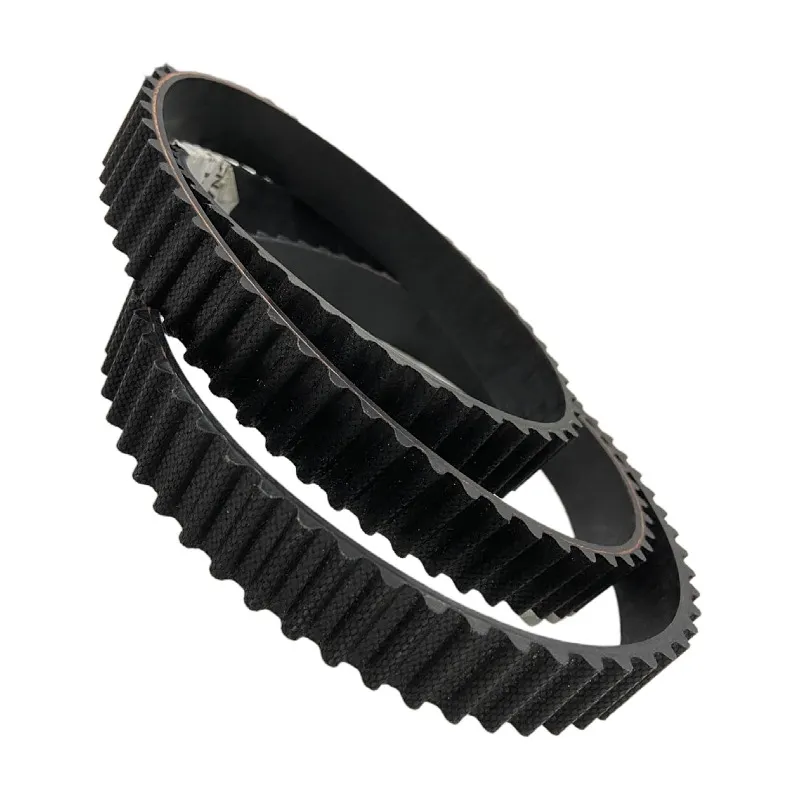
In the heart of every smoothly running engine lies a component often overlooked but absolutely essential: the Auto-Zahnriemen. From controlling the camshaft and crankshaft to ensuring your engine’s combustion cycle is perfectly timed, this belt defines the balance between optimal performance and costly breakdowns. Whether you're an auto parts distributor, repair shop, or vehicle owner, understanding the full scope of Riemensteuerung performance can make all the difference. This article dives deep into what separates belts from chains, when to replace the Auto-Zahnriemen, how to maintain it, and the key advantages of a reliable Zahnriemen für Autos.
Auto Timing Belt vs. Timing Chain: What’s the Real Difference?
At first glance, the Auto-Zahnriemen and timing chain perform similar roles—they synchronize the movement of the camshaft and crankshaft. But the materials, performance characteristics, and maintenance implications tell a different story.
The Auto-Zahnriemen is typically made from high-quality rubber composites reinforced with fiber strands, allowing it to operate more quietly and with less internal friction than a chain. It’s lighter and more fuel-efficient, reducing strain on the engine. On the other hand, timing chains are made of metal, giving them longer service intervals but also adding noise, weight, and cost.
While timing chains are sometimes perceived as “lifetime” components, many manufacturers still prefer belts for their precision and quieter operation—especially in newer, high-efficiency engines. As a result, the modern Zahnriemen für Autos isn’t just a cheaper alternative; it’s a performance-driven choice backed by advanced engineering.
When Should You Replace Your Auto Timing Belt?
One of the most vital maintenance actions any car owner can take is timely replacement of the Auto-Zahnriemen. Unlike chains that give audible signs of wear, a failing belt may show no signs until it snaps—and when it does, the damage to the engine can be catastrophic.
Most manufacturers recommend replacing the Auto-Zahnriemen every 60,000 to 100,000 miles, though this interval can vary based on driving habits, climate, and engine design. Harsh conditions such as high heat, dusty roads, or frequent stop-and-go driving can accelerate wear. A quick inspection during routine maintenance can reveal signs like cracks, oil contamination, or missing teeth—clear indicators that replacement is overdue.
Choosing the right Zahnriemen für Autos isn’t just about durability. Premium belts offer better tooth grip, reduced stretch, and longer service life. Installing a high-grade Auto-Zahnriemen ensures you’re not only avoiding breakdowns, but also optimizing engine timing for better acceleration and fuel economy.
Best Practices for Maintaining the Auto Timing Belt
Keeping your Auto-Zahnriemen in peak condition doesn’t just mean watching the mileage—it also requires mindful, proactive care. Proper tension is one of the most important aspects. A belt that’s too tight can wear out bearings and stress engine components, while a loose belt may skip teeth and throw off timing, leading to performance issues or engine damage.
Regular inspection is key. Any signs of fraying, glaze, cracking, or oil saturation mean the belt is compromised. Oil leaks are particularly dangerous, as rubber belts degrade rapidly when exposed to petroleum products. Ensuring the engine’s seals and gaskets are intact will extend the life of your Riemensteuerung system significantly.
Another maintenance tip is to replace related components—like the water pump, tensioners, and pulleys—at the same time. These parts work in harmony, and failure in one can affect the others. Bundling them together reduces labor costs and ensures uniform longevity across the system.
How a Timing Belt for Cars Enhances Driving Efficiency
A high-quality Zahnriemen für Autos doesn't just keep your engine running—it ensures it runs at peak performance. Proper valve timing contributes to better combustion, reduced emissions, and improved fuel economy. When the Auto-Zahnriemen maintains perfect synchronicity between engine components, drivers enjoy smoother acceleration, more responsive throttle, and a noticeable boost in overall driving experience.
On the highway or in stop-and-go traffic, an efficient Auto-Zahnriemen helps maintain consistent power output. With advancements in belt manufacturing, today’s premium Riemensteuerung models include features such as double-sided teeth for dual overhead cam systems, thermal-resistant rubber, and aramid-fiber reinforcements for added strength.
If you're in the market for replacements, don’t just look at price—look at value. A quality Zahnriemen für Autos can outlast cheap alternatives by tens of thousands of miles, saving you time, labor, and future repairs.
Auto Timing Belt FAQs
How do I know when my Auto-Zahnriemen needs replacement?
You should follow the mileage interval recommended by your vehicle’s manufacturer, usually between 60,000 and 100,000 miles. Early signs of wear include cracking, fraying, or a ticking noise from the engine.
Is a timing chain better than an Auto-Zahnriemen?
Not necessarily. While chains last longer, belts are lighter, quieter, and more cost-efficient. High-performance engines often prefer Riemensteuerung systems for their precision.
What does a new Zahnriemen für Autos typically cost?
Depending on the vehicle, parts, and labor, replacement may cost between $400 and $900. However, it’s far less than the cost of repairing a damaged engine due to belt failure.
Can I check the Auto-Zahnriemen myself?
Some vehicles allow easy visual inspection, especially if there's an access panel. Look for signs of wear, damage, or oil contamination. When in doubt, consult a mechanic.
What makes premium Riemensteuerung products better than basic ones?
Premium belts use advanced rubber composites, stronger internal cords, and precise tooth profiles that improve durability, temperature resistance, and synchronization accuracy.
-
Comprehensive Guide to Selecting High Performance drive belts
NachrichtApr.16,2026
-
Guide to Choosing the Right Fan Belt for Car Performance
NachrichtApr.09,2026
-
Understanding and Maintaining Your Vehicle's Serpentine Belt for Optimal Performance
NachrichtApr.07,2026
-
Choosing the Right Steering Belt for Optimal Vehicle Performance and Safety
NachrichtApr.04,2026
-
Understanding the Serpentine Belt for Optimal Vehicle Performance
NachrichtMar.31,2026
-
Comprehensive Guide to Understanding Your Fan Belt Car and Maintenance
NachrichtMar.28,2026