

- Arabic
- French
- Russian
- Spanish
- Portuguese
- Turkish
- Armenian
- English
- Albanian
- Amharic
- Azerbaijani
- Basque
- Belarusian
- Bengali
- Bosnian
- Bulgarian
- Catalan
- Cebuano
- Corsican
- Croatian
- Czech
- Danish
- Dutch
- Afrikaans
- Esperanto
- Estonian
- Finnish
- Frisian
- Galician
- Georgian
- German
- Greek
- Gujarati
- Haitian Creole
- hausa
- hawaiian
- Hebrew
- Hindi
- Miao
- Hungarian
- Icelandic
- igbo
- Indonesian
- irish
- Italian
- Japanese
- Javanese
- Kannada
- kazakh
- Khmer
- Rwandese
- Korean
- Kurdish
- Kyrgyz
- Lao
- Latin
- Latvian
- Lithuanian
- Luxembourgish
- Macedonian
- Malgashi
- Malay
- Malayalam
- Maltese
- Maori
- Marathi
- Mongolian
- Myanmar
- Nepali
- Norwegian
- Norwegian
- Occitan
- Pashto
- Persian
- Polish
- Punjabi
- Romanian
- Samoan
- Scottish Gaelic
- Serbian
- Sesotho
- Shona
- Sindhi
- Sinhala
- Slovak
- Slovenian
- Somali
- Sundanese
- Swahili
- Swedish
- Tagalog
- Tajik
- Tamil
- Tatar
- Telugu
- Thai
- Turkmen
- Ukrainian
- Urdu
- Uighur
- Uzbek
- Vietnamese
- Welsh
- Bantu
- Yiddish
- Yoruba
- Zulu
set. . 04, 2025 11:29 Tornar a la llista
Engine Drive Belt Solutions for Modern Automotive Efficiency and Reliability
In the world of automotive engineering, the significance of a high-performance engine drive belt cannot be overstated. This component plays a critical role in delivering mechanical power from the engine crankshaft to essential systems such as the alternator, water pump, air conditioning compressor, and power steering pump. The functionality of the engine belt in car design has evolved to meet the rising demands of compact engine architecture, energy efficiency, and operational smoothness. As car manufacturers continue to reduce engine size while increasing output, the efficiency and reliability of the drive belt for car applications become increasingly vital. Modern automotive fan belts are engineered to ensure not only optimal power transmission but also to reduce heat, absorb vibration, and contribute to the overall fuel economy of the vehicle. Choosing a high-quality automotive drive belt is therefore essential to prolonging engine life, minimizing maintenance costs, and maintaining smooth driving performance.
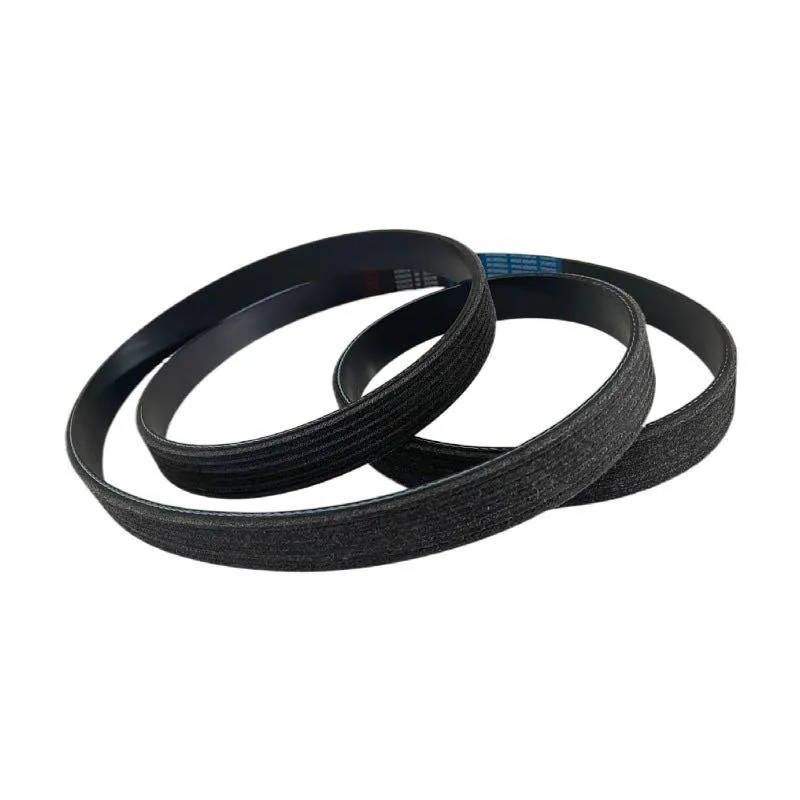
Compact Efficiency with Engine Belt in Car Power Systems
One of the most valued characteristics of the engine belt in car systems is their ability to accommodate the compact and intricate designs of modern engine bays. As vehicles become smaller and more lightweight, manufacturers rely on belts that can bend around tight corners and maintain high tension over multiple pulleys. This compact form factor not only contributes to the overall vehicle design but also improves thermal management within the engine compartment. A properly fitted automotive fan belt ensures that heat generated by both the engine and transmission is dissipated efficiently, allowing other systems to function without overheating.
In addition, the design and composition of the engine drive belt have advanced significantly in recent years. Using materials like EPDM rubber and synthetic fibers, today's belts are more resistant to cracking, fraying, and stretching. These durable materials help maintain consistent performance under a wide range of operating conditions, from stop-and-go city traffic to high-speed highway driving. As a result, car owners benefit from improved fuel economy, lower emissions, and enhanced engine performance. Moreover, the drive belt for car now supports complex functions like variable-speed pulleys and intelligent tensioners, ensuring precise power delivery and minimizing energy loss.
Smooth, Quiet, and Durable Automotive Fan Belt Performance
The automotive fan belt plays a critical role in ensuring that a car’s auxiliary systems function seamlessly and without interruption. With the advent of high-performance engines and hybrid drivetrains, the demands placed on these belts have increased exponentially. Not only must they transfer power reliably, but they must also do so while absorbing vibrations and shocks generated during gear changes or variable engine loads. This shock absorption quality helps create a smoother ride and prevents damage to the belt and surrounding components.
Noise reduction is another key benefit of modern automotive drive belts. Advanced belt construction techniques and optimized rib designs allow for quieter operation, reducing the overall cabin noise. This is particularly important in luxury or electric vehicles where silence is part of the driving experience. In addition, the engine belt in car systems are engineered for longevity, with reinforced structures that extend belt life and reduce the frequency of maintenance. Their high resistance to oil, heat, and wear allows them to perform reliably over thousands of kilometers, making them a cost-effective solution for long-term vehicle operation.
Drive Belt for Car Cooling and Maintenance Benefits
Beyond power transmission, the drive belt for car also plays a role in thermal regulation. By enabling the smooth functioning of components like the radiator fan and water pump, the belt contributes to efficient engine cooling. This heat transfer function is essential for preventing engine overheating, especially during long drives or in high-temperature environments. The ability of the automotive drive belt to support cooling systems indirectly protects the engine and transmission, preserving their performance and extending their lifespan.
Maintenance of the engine drive belt is relatively straightforward compared to other engine components. Regular inspection for signs of wear such as cracks, glazing, or loss of tension can help prevent unexpected failures. Most modern vehicles are equipped with automatic tensioners that adjust the belt tension dynamically, further reducing the need for manual adjustments. When replacement is necessary, the process is simple and cost-effective. With the right preventive care, the engine belt in car systems can deliver dependable performance over extended periods, giving drivers confidence and peace of mind.
Why Automotive Drive Belts Remain a Pillar of Engine Architecture
Despite the rise of electric drivetrains and integrated motor systems, the role of the automotive drive belt in internal combustion and hybrid vehicles remains fundamental. These belts are responsible for synchronizing critical operations that keep the engine and its accessories running in harmony. Even in electric vehicles, auxiliary belts are often used for HVAC systems and other belt-driven components. The versatility of the engine drive belt lies in its ability to adapt to various vehicle platforms while offering consistent performance under diverse driving conditions.
Today’s automotive fan belt options are also more environmentally conscious, contributing to overall fuel savings and reduced emissions. By maintaining optimal belt tension and minimizing slippage, newer belts help engines operate at peak efficiency. This results in better throttle response, improved alternator performance, and efficient cooling—all of which enhance the driving experience. Additionally, the drive belt for car systems are now manufactured with recyclable materials, aligning with the automotive industry's push for sustainability. Whether you’re managing a fleet or maintaining a personal vehicle, investing in high-quality automotive drive belts ensures you stay ahead of wear, waste, and repair costs.
Engine Drive Belt FAQs
What is an engine drive belt and what does it do?
An engine drive belt is a flexible loop that transfers rotational power from the engine’s crankshaft to various peripheral components such as the alternator, air conditioning compressor, power steering pump, and water pump. It plays a crucial role in keeping these components functioning efficiently and synchronously. Without the drive belt, essential systems would fail, leading to overheating, battery drain, or steering issues. It is one of the most vital parts of a vehicle’s operational health.
How long does an automotive drive belt typically last?
Most automotive drive belts made from advanced materials such as EPDM rubber can last between 80,000 to 120,000 kilometers, depending on driving conditions and maintenance practices. Factors like high engine loads, extreme temperatures, and infrequent inspections can reduce belt life. It is recommended to check the belt during regular service intervals and replace it if any signs of wear are evident. Delaying replacement can result in system failures and costly engine repairs.
What are the signs of a failing engine belt in car engines?
Common signs of a failing engine belt in car engines include squealing noises when the engine starts, visible cracks or fraying on the belt, and inconsistent functioning of belt-driven systems like the air conditioner or power steering. If the belt appears glazed or hardened, it may not grip the pulleys effectively, leading to slippage and inefficient power transfer. Prompt replacement at the first sign of these symptoms can help avoid breakdowns and ensure safe vehicle operation.
Is the drive belt for car engines difficult to replace?
Replacing the drive belt for car engines is a relatively simple maintenance task, especially on vehicles with accessible belt paths and automatic tensioners. However, some modern engine layouts can make access more difficult, requiring partial disassembly of components. While DIY replacement is possible with the right tools and knowledge, many drivers prefer having a professional mechanic perform the replacement to ensure correct tensioning and alignment. Regardless of who performs the task, timely replacement is essential for vehicle safety and reliability.
Why is noise reduction important in automotive fan belts?
Automotive fan belts that generate excessive noise can be both a nuisance and a sign of underlying issues. Noise typically indicates slippage, misalignment, or improper tension, all of which can lead to premature wear and inefficiency. Modern belts are designed with rib profiles and materials that reduce operational noise, contributing to a more comfortable and refined driving experience. For high-end or electric vehicles, low noise is an essential aspect of vehicle design, making quiet belt performance a key benefit in automotive engineering.
-
Comprehensive Guide to Selecting High Performance drive belts
NotíciesApr.16,2026
-
Guide to Choosing the Right Fan Belt for Car Performance
NotíciesApr.09,2026
-
Understanding and Maintaining Your Vehicle's Serpentine Belt for Optimal Performance
NotíciesApr.07,2026
-
Choosing the Right Steering Belt for Optimal Vehicle Performance and Safety
NotíciesApr.04,2026
-
Understanding the Serpentine Belt for Optimal Vehicle Performance
NotíciesMar.31,2026
-
Comprehensive Guide to Understanding Your Fan Belt Car and Maintenance
NotíciesMar.28,2026