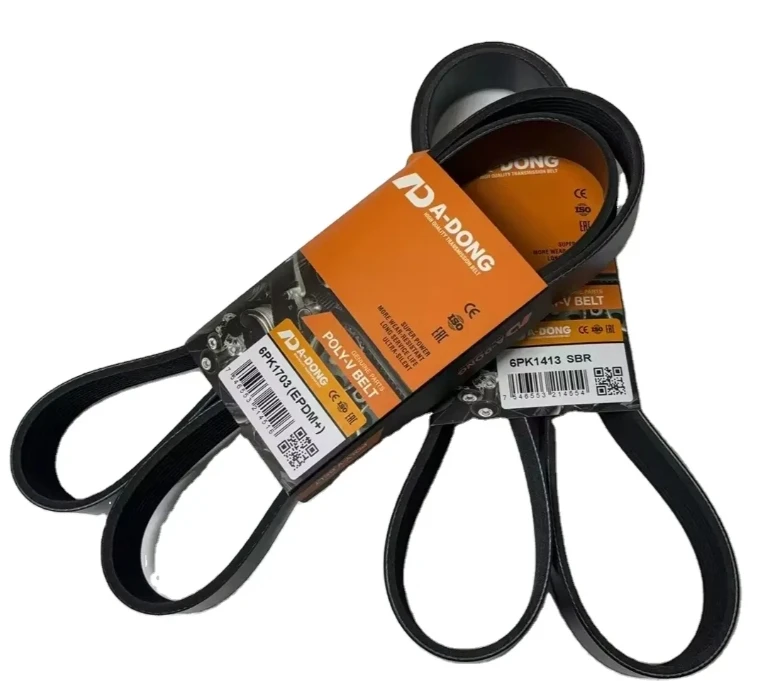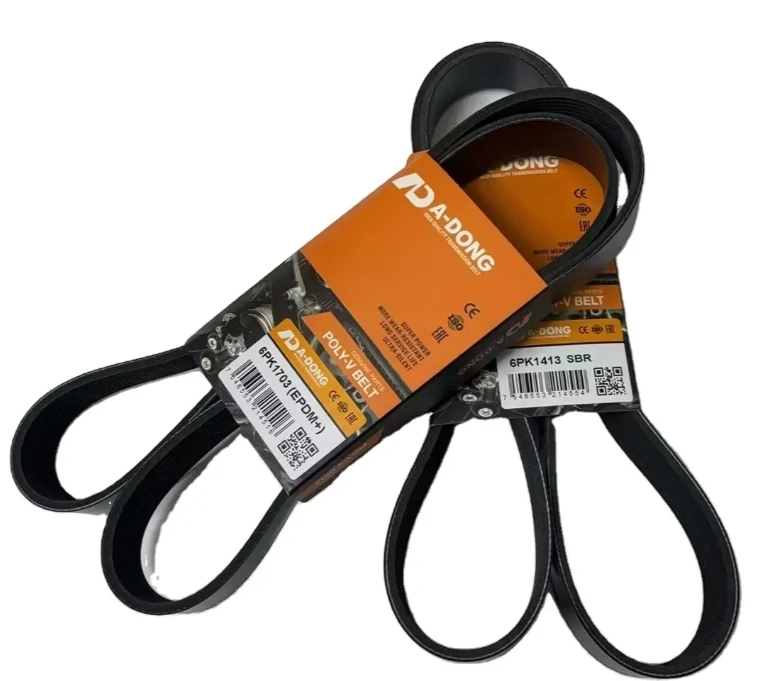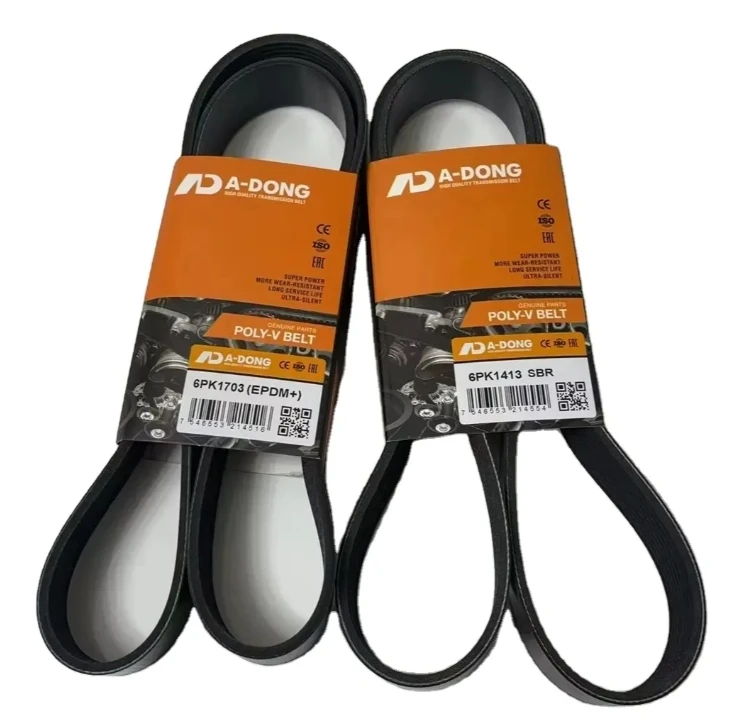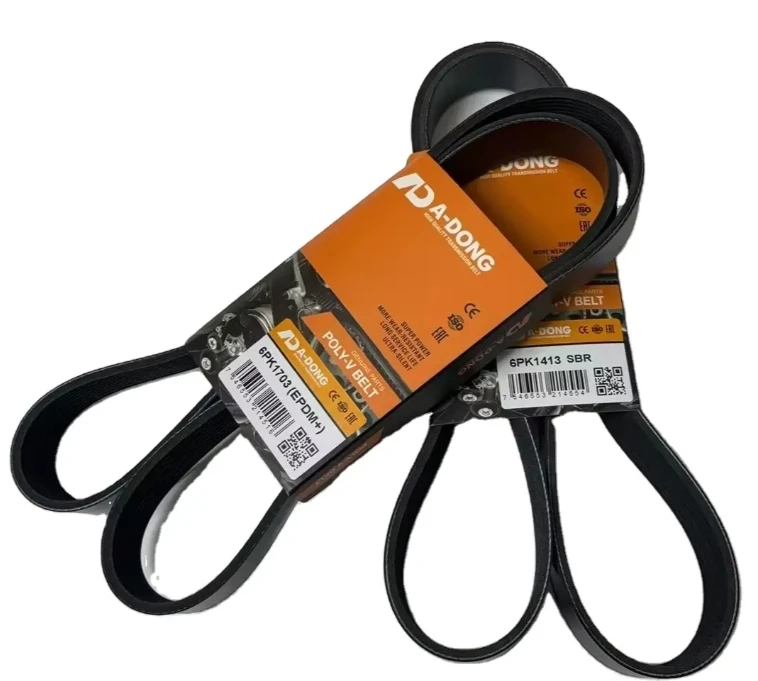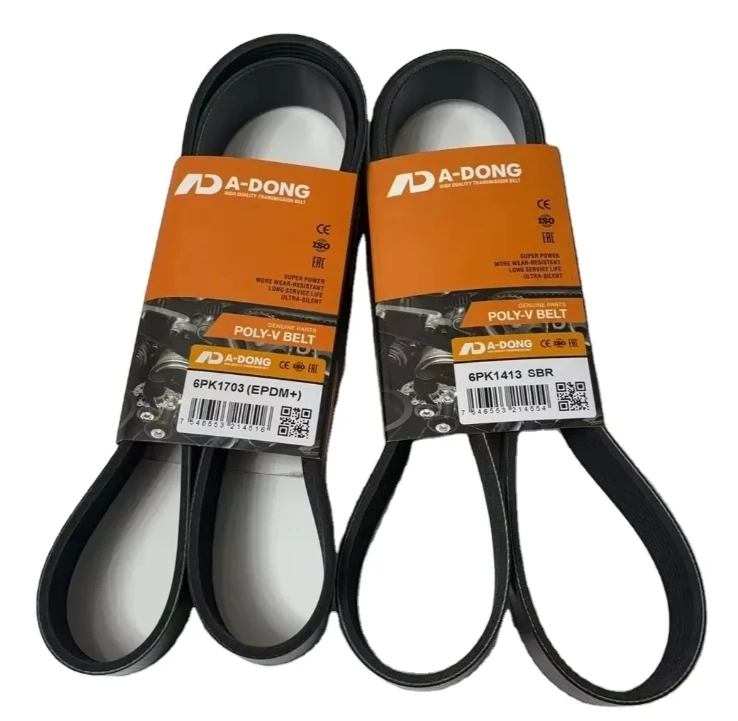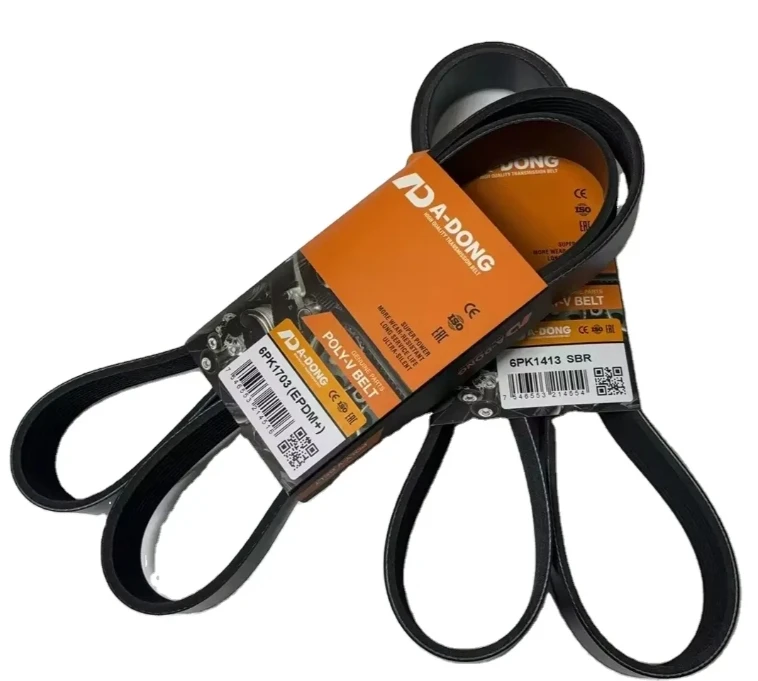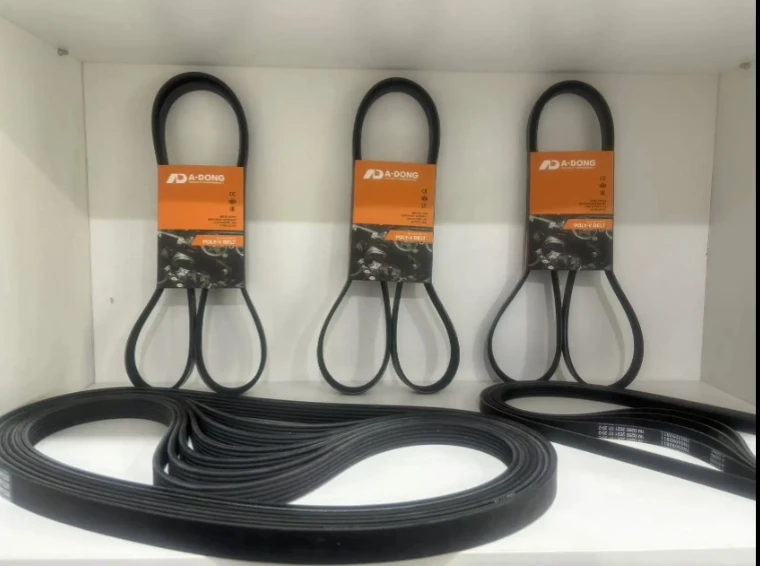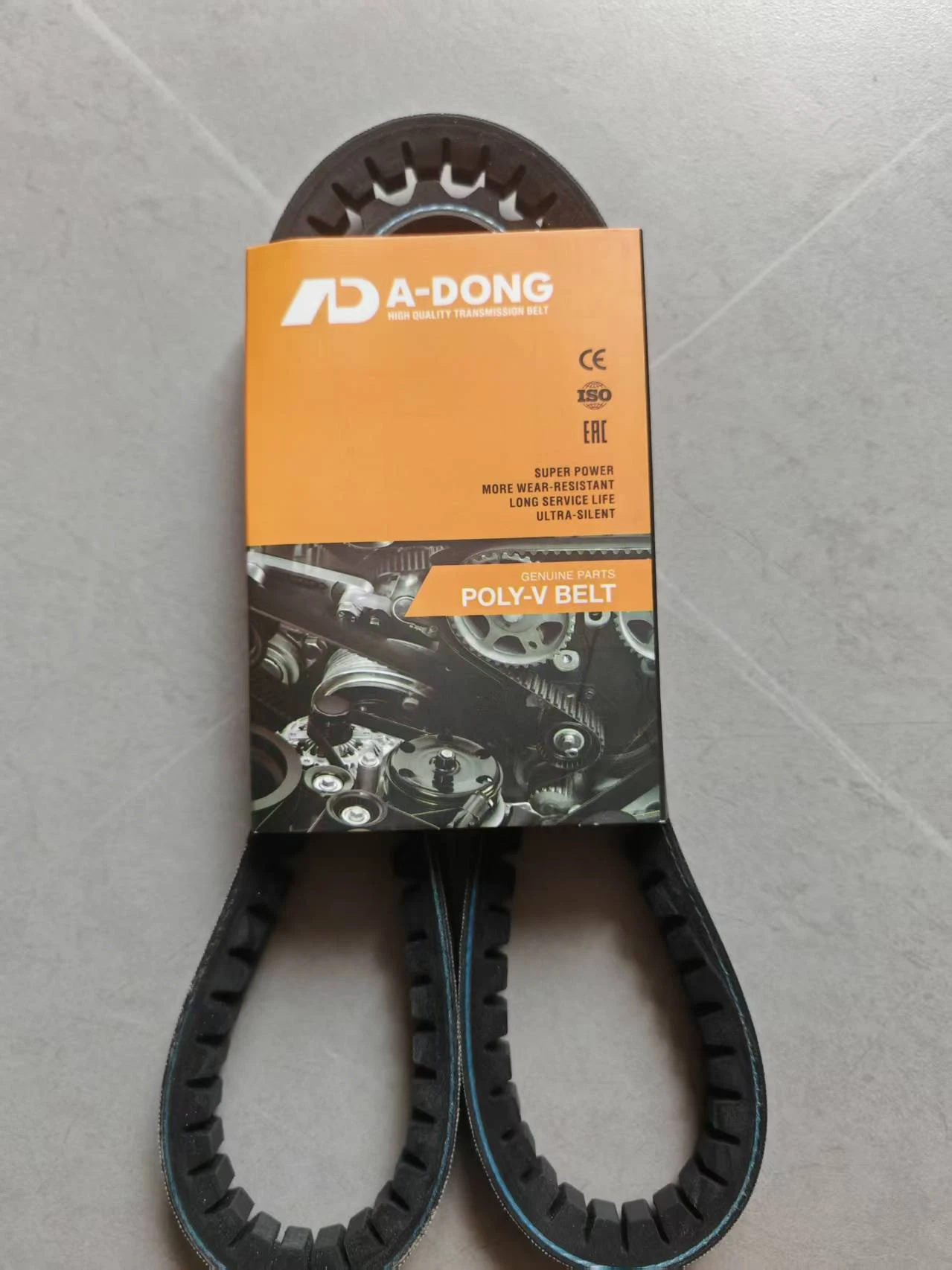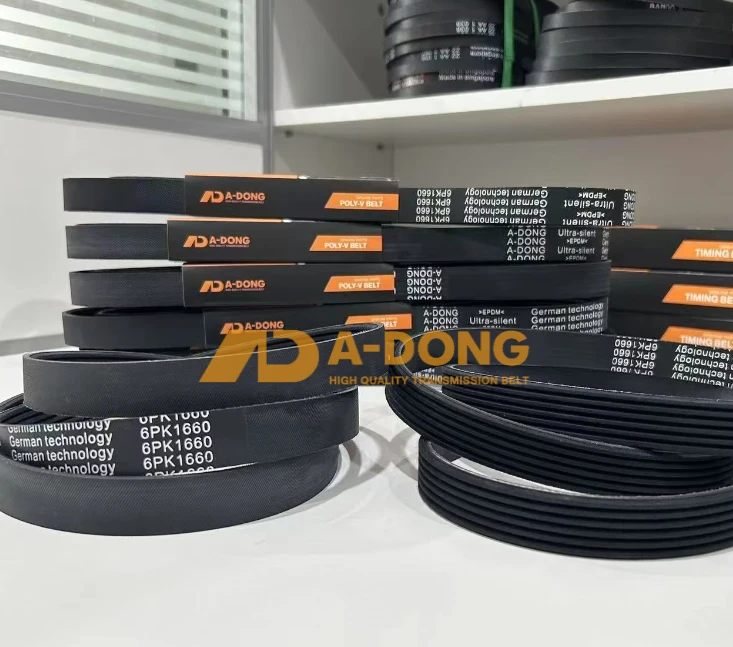
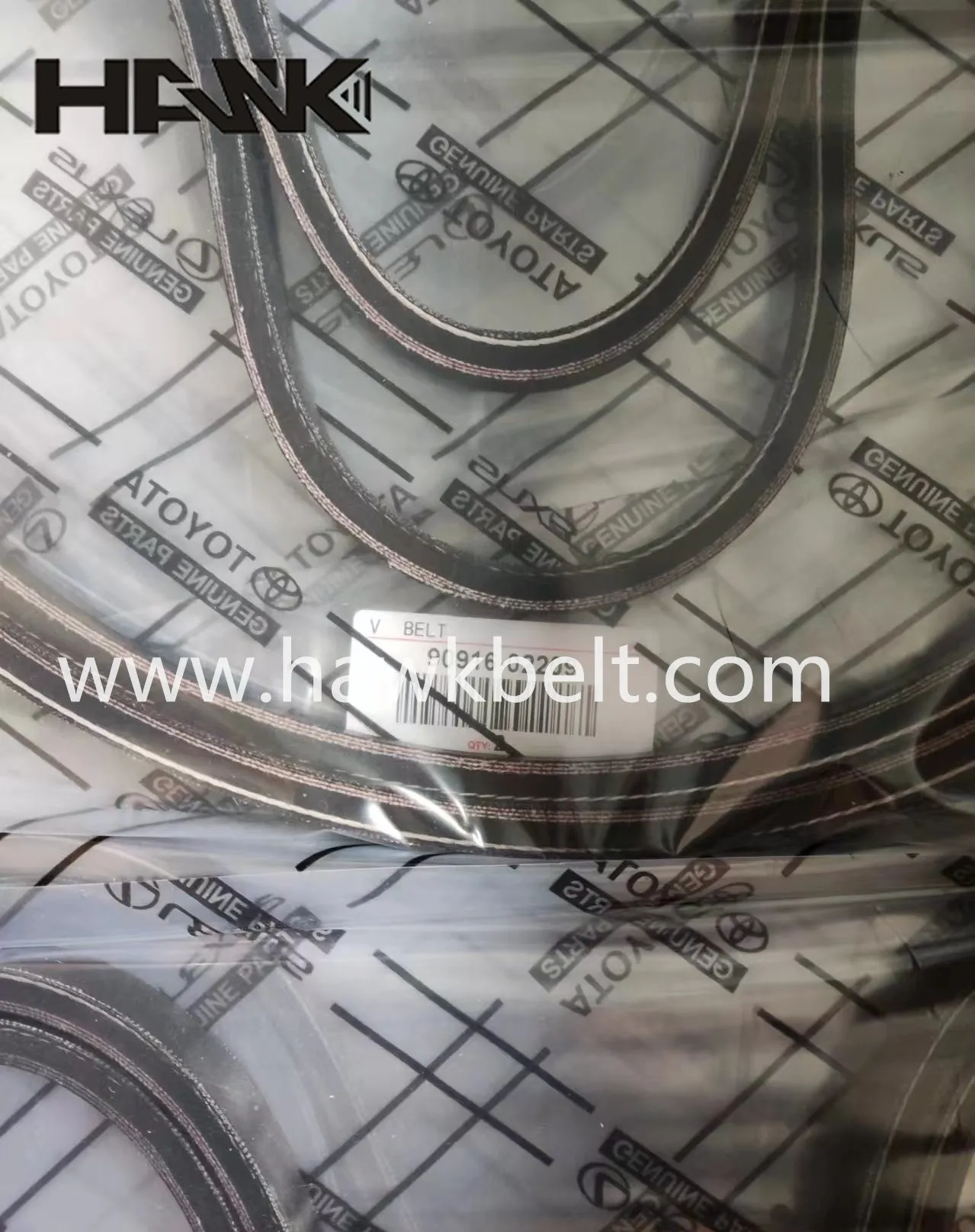
9091602211 Raw Edge Laminated VBelt for Toyota Engine China Factory Suppliers
Product Overview
The 90916-02211 Raw Edge Laminated V-Belt is a high-performance automotive transmission component specifically engineered for Toyota engines (compatible with 90916-02452). Designed to provide optimal power transmission, this V-plain belt ensures stable operation of critical engine accessories, reducing slippage and maximizing mechanical efficiency under rigorous driving conditions.
Precision-manufactured using advanced rubber compounds and reinforced lamination, this belt is built to resist thermal degradation and mechanical wear. By maintaining the perfect tension and grip, it prevents premature failure of engine bearings and ensures that your vehicle's alternator, water pump, and air conditioning compressor operate at peak performance.
Detailed Parameters
| Part Number | 90916-02211 / 90916-02452 | Belt Type | Raw Edge Laminated V-Belt |
|---|---|---|---|
| Application | Toyota Engine Series | Material | Premium Synthetic Rubber |
| Edge Design | Raw Edge for Heat Dissipation | Function | Plain V-Drive Transmission |
| Maintenance Cycle | Approx. 60,000 km / 2 Years | Compatibility | OEM Standard Fitment |
| Wear Resistance | High Abrasion Resistance | Temperature Range | Industrial Automotive Grade |
Key Advantages
Enhanced Durability
Laminated construction prevents peeling and cracking, significantly extending the operational lifespan of the belt.
Optimal Service Life
Engineered to maintain peak performance for up to 60,000 kilometers, reducing frequent replacement costs.
Precision Fitment
Perfectly matched to Toyota OEM specifications to eliminate abnormal noise and slipping during high-RPM operation.
Bearing Protection
Reduces radial load on the motor shaft and prevents fatigue damage to sensitive engine bearings.
Visual Stability
Raw edge design allows for easier inspection of wear and tear, ensuring safety through proactive maintenance.
Fuel Efficiency
Minimizes energy loss through superior grip, contributing to lower fuel consumption and stable engine power.
Product Gallery



Management Platforms
Inventory Control
Real-time tracking of belt stock levels to ensure immediate availability for automotive replacements.
Quality Assurance
Strict adherence to ISO rubber manufacturing standards to eliminate defects in the lamination process.
Maintenance Alerts
Systematic reminders for belt replacement every 60,000km to prevent catastrophic engine failure.
Tension Monitoring
Professional guidelines to avoid "too tight" or "too loose" installation errors during assembly.
Logistics Optimization
Efficient packaging and distribution of rubber components to minimize shipping deformation.
Component Synergy
Optimizing the interaction between V-belts and pulleys for maximum torque transmission.
Investment Return Comparison
| Metric | Standard Rubber Belt | Premium Laminated Belt | Economic Impact |
|---|---|---|---|
| Service Life | 1 Year / 30k km | 2 Years / 60k km | 50% Lower Replacement Rate |
| Power Loss | High (Slippage) | Minimal (High Grip) | Improved Fuel Economy |
| Bearing Wear | Accelerated | Protected | Lower Engine Repair Cost |
| Noise Level | Intermittent Squealing | Ultra-Quiet | Higher Vehicle Value |
| Risk Factor | High Snap Probability | Reinforced Core | Reduced Accident Risk |
Frequently Asked Questions
Excessive tension increases radial load on the motor shaft, leading to premature fatigue of engine bearings and a shorter overall belt lifespan.
Common symptoms include abnormal slipping noises (squealing), insufficient battery charging, engine jitter, and increased fuel consumption.
It is recommended to replace the belt every 2 years or 60,000 kilometers, whichever comes first, to avoid sudden breakage.
Look for cracks, peeling of the rubber surface, or hardened edges. These indicate aging, corrosion, or uneven force distribution.
Raw edge belts provide better heat dissipation and flexibility, making them more efficient in high-load automotive environments.
Yes. A broken belt can cause an instant loss of power and steering assistance, which is extremely dangerous, especially at high highway speeds.
Secure Your Engine's Performance with Premium Rubber Belts
Contact UsRealted Products
-
Truck Belt Poly V Ribbed 8PK1635 8PK2020 For Scania EPDM China Supplier
-
Excavator EC300DL / EC350DL 20412527 Drive Belt 978710 10PK1512 21620132 Volvo 14881276 VOE 979064 EC210BLC 17418268 L120GZ 16028699 L60GZ 977525
-
China A-DONG Drive Belt VOE 20441930 10PK1768 10PK1770 For Excavator VOLVO EC350DL 20459311
-
Drive Belt VOE 15078671 21620133 For Excavator VOLVO EC210BLC EC300DL
-
VOE967133 VOE20459311 VOE21620133 Drive Belt For Volvo Excavator EC300D,EC55,EC240
-
VOE979064 Fan V Belt For Heavy Duty Machinery Excavator Volvo Spare Parts
-
China Manufacturer 19043014 Belt For VOLVO 10PK1735 A-DONG Drive Fan Belt For Excavator
-
China Construction Machine 10PK1787 A-DONG Belt For VOLVO Excavator Wholesale Factory
-
979064 A-DONG Belt For VOLVO Excavator 8PK Belts
-
A-DONG V Belt Cummins Genuine Spare Part Drive Belt From Xingtai Hake Manufacturer 178509
-
China A-DONG Heavy Equipment V Belt For Excavator
-
A-DONG V Ribbed Belt 3289930 For Cummins Excavator Spare Parts