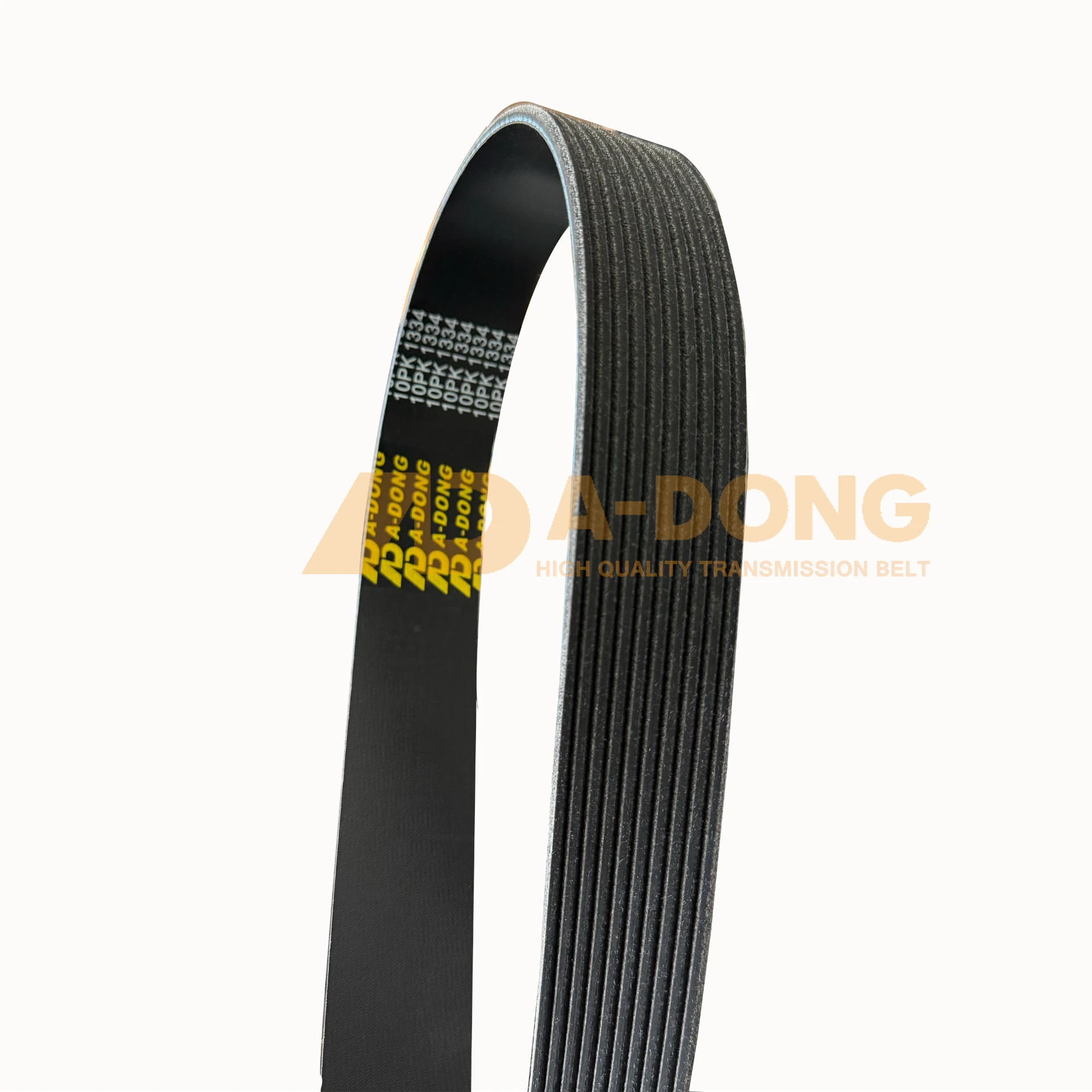


Belgium's automotive aftermarket is characterized by a high demand for longevity and stability. Due to the temperate maritime climate and high humidity levels prevalent in the region, the degradation of an auto v belt can be accelerated by moisture and road salt during winter, requiring specialized rubber compounds that resist ozone and chemical erosion.
The Belgian industrial sector, concentrated in hubs like Antwerp and Ghent, demands components that can withstand continuous high-torque operations. This has led to a transition toward high-modulus materials for the alternator belt, where slip-reduction and noise attenuation are critical for meeting stringent EU noise pollution regulations.
Furthermore, the rise of urban mobility in cities like Brussels has increased the reliance on two-wheelers, driving a surge in the demand for high-performance motorcycle belt systems that can handle stop-and-go traffic patterns without sacrificing energy efficiency.