
Mobile Phone
+8615369985502
Call Us
+8615369985502
E-mail
mike@hawkbelt.com

Premium pk belt Solutions for South Korea's Automotive Industry

Engineering high-performance rubber transmission components to meet the rigorous standards of the Korean automotive market.

Premium pk belt Solutions for South Korea's Automotive Industry

Providing the South Korean market with advanced rubber parts, from precision timing systems to heavy-duty alternator drives, ensuring maximum efficiency and longevity.

Automotive Rubber Parts Landscape in South Korea

Analysis of the current demands for high-durability rubber belts in East Asia.

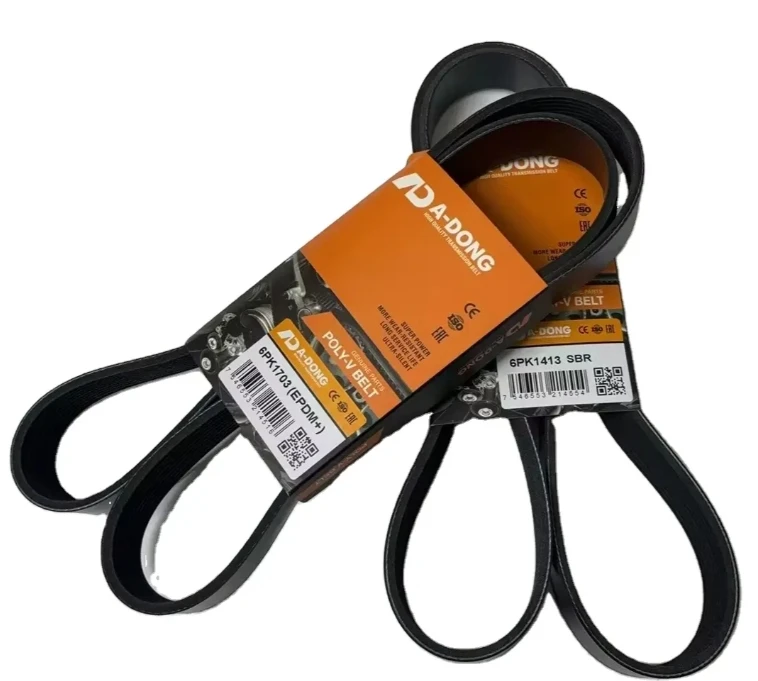
South Korea's automotive sector is characterized by extreme precision and high efficiency. The local demand for an alternator belt is driven by the proliferation of high-tech hybrid and electric vehicles, which require low-noise and low-friction rubber compounds to maintain energy efficiency.

The geographical climate of South Korea, featuring cold winters and humid summers, puts significant thermal stress on rubber components. This necessitates the use of advanced EPDM materials in every auto v belt to prevent cracking and premature wear caused by rapid temperature fluctuations.

Furthermore, the dense urban environments of Seoul and Busan lead to frequent stop-and-go traffic, increasing the torque load on drive belts. This has shifted the market preference toward reinforced belts that can handle high instantaneous tension without stretching.

Evolution of Rubber Belt Technology in Korea

From traditional friction drives to precision-engineered timing systems.

Market Development History

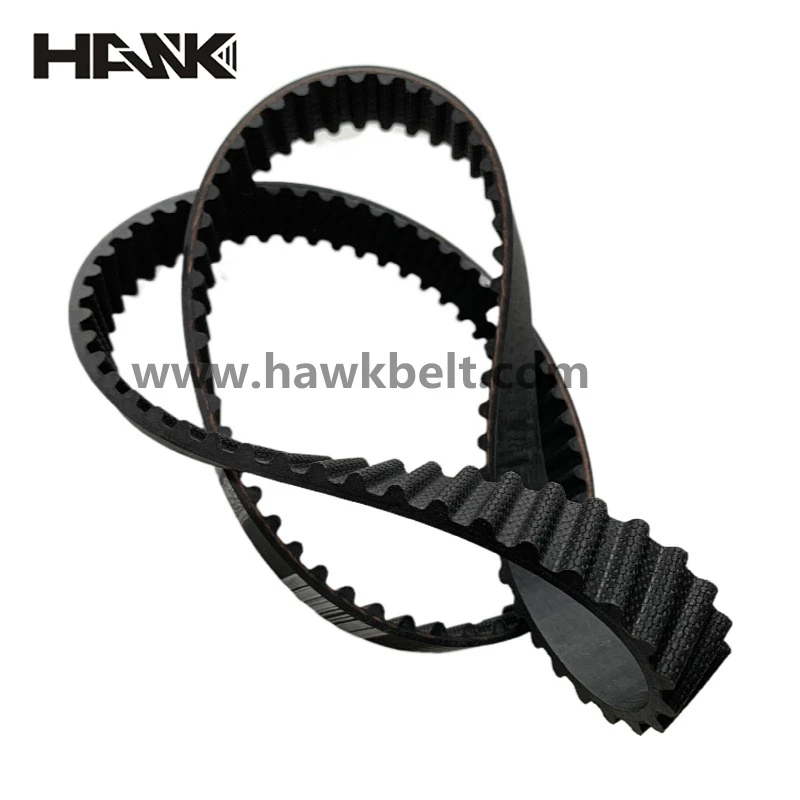
In the 1980s and 90s, the Korean market relied heavily on basic rubber compounds. The primary focus was on simple durability for the early domestic car models, where a standard auto rubber timing belt provided the basic synchronization needed for engine valves.

By the 2010s, the integration of Global OEM standards led to the adoption of multi-ribbed designs. This era saw the transition from V-shaped profiles to the more efficient ribbed profiles, enhancing power transmission and reducing slippage across all vehicle classes.

Currently, the focus has shifted toward "Smart Rubber" technology. Modern manufacturing now incorporates nano-silica fillers to optimize the grip and heat dissipation of belts, meeting the strict emission and noise regulations of the Korean government.

Future Development Trends

Eco-Friendly Polymer Integration

Shifting toward bio-based rubber materials to reduce the carbon footprint of the manufacturing process in line with Korea's Green New Deal.

High-Precision Tension Control

Development of belts with near-zero stretch coefficients to support the higher compression ratios of modern turbocharged engines.

Integrated Wear-Sensing Materials

Research into conductive rubber compounds that can signal wear and tear to the vehicle's ECU before a failure occurs.

Industry Trends and Future Outlook

Navigating the shift toward sustainable and high-performance rubber engineering.

Hybridization Adaptability
Creating belts that can handle the erratic load cycles of hybrid start-stop systems.
Material Miniaturization
Reducing belt thickness without sacrificing tensile strength to optimize engine bay space.
Noise Reduction (NVH)
Focusing on Noise, Vibration, and Harshness (NVH) reduction for luxury vehicle segments.
Digital Supply Chain
Implementing AI-driven demand forecasting for just-in-time delivery to Korean OEMs.

Industry Outlook

Over the next 3-5 years, the South Korean rubber parts market will transition from mass production to customized, high-margin specialized components. Google search trends indicate a rising interest in "sustainable automotive parts" and "EV-compatible drive belts," suggesting a pivot toward electricity-driven accessories.

The integration of smarter materials will allow for longer maintenance intervals, a key demand for the time-constrained Korean consumer base, ensuring that rubber components like the motorcycle belt also evolve toward higher longevity and lower maintenance.

Localized Application Scenarios in South Korea

Real-world deployment of our rubber solutions across various Korean transport sectors.

1. Seoul Metropolitan Commuter Vehicles

High-cycle stop-and-go traffic requires belts with superior heat resistance to prevent glazing on the ribs during intense urban idling.

2. Gyeonggi-do Logistics & Delivery Fleets

Heavy-duty delivery trucks operating 24/7 demand reinforced belts that can withstand constant torque fluctuations without slipping.

3. Jeju Island Electric Scooter Networks

The booming e-mobility sector in Jeju utilizes specialized motorcycle belt variants designed for quiet operation and saltwater corrosion resistance.

4. Ulsan Industrial Automotive Plants

Precision rubber components are supplied for the assembly lines of global automotive giants, focusing on strict OEM tolerance standards.

5. Gangwon-do Mountainous Terrain Transport

Vehicles traversing steep inclines require belts with maximum grip and high tensile strength to prevent slippage under heavy load.

Brand Story

Global Development Journey of Xingtai Hawk Rubber and Plastic Products Co., Ltd.

Foundational Excellence

Established with a focus on core rubber chemistry, we began by solving basic durability issues for industrial drive belts.

Technical Diversification

Expanded our production lines to include automotive-grade precision belts, integrating advanced EPDM and neoprene blends.

Global Quality Standardization

Achieved international certifications to enter the rigorous South Korean and European markets, emphasizing zero-defect manufacturing.

Innovation in Sustainability

Invested in R&D to develop eco-friendly polymers, reducing the environmental impact of rubber vulcanization.

Future-Ready Engineering

Now leading the transition toward smart rubber components, providing customized solutions for the global EV revolution.

South Korea Automotive Rubber Parts FAQ

Expert answers to common technical questions regarding belt maintenance and selection.

How often should I replace an alternator belt in South Korea's climate?

Due to extreme temperature swings between seasons in Korea, we recommend a professional inspection every 40,000 km and replacement every 60,000 to 80,000 km to avoid sudden failure.

What is the difference between an auto v belt and a pk belt?

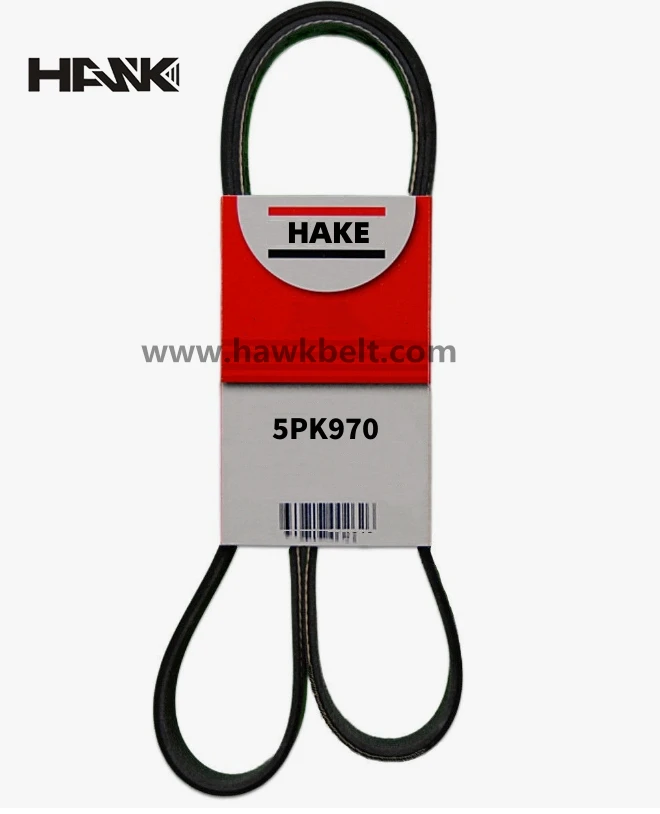
An auto v belt has a wedge-shaped cross-section for high-torque, low-speed applications, whereas a pk belt (poly-v belt) has multiple small ribs, offering more surface area for higher efficiency and less slip.

Can a low-quality auto rubber timing belt cause engine failure?

Yes. If a timing belt snaps or skips a tooth due to poor material quality, the valves and pistons can collide, leading to catastrophic engine damage. Using OEM-grade reinforced rubber is critical.

Are your motorcycle belt products suitable for electric scooters?

Absolutely. Our belts are engineered with high-friction compounds that handle the instant torque of electric motors while maintaining extremely low noise levels.

How do I identify a worn-out drive belt?

Look for visible cracks (weather checking), fraying edges, or a high-pitched squealing sound during cold starts—especially common during South Korean winters.

Do you offer customized rubber parts for Korean industrial machinery?

Yes, we provide custom engineering services, adjusting rubber hardness and reinforcement layers to meet specific industrial load requirements in South Korea.

Get Professional Rubber Solutions Today

Partner with the leading expert in automotive rubber parts for your business in South Korea. Let's optimize your drive systems together.

Contact Us Now

If you are interested in our products, you can choose to leave your information here, and we will be in touch with you shortly.