Mobile Phone
+8615369985502
Call Us
+8615369985502
E-mail
mike@hawkbelt.com

Premium pk belt Solutions for Slovakia's Automotive Sector

Engineered for durability and precision, providing high-performance rubber transmission components tailored for the demanding Slovakian climate and industrial standards.

Premium pk belt Solutions for Slovakia's Automotive Sector

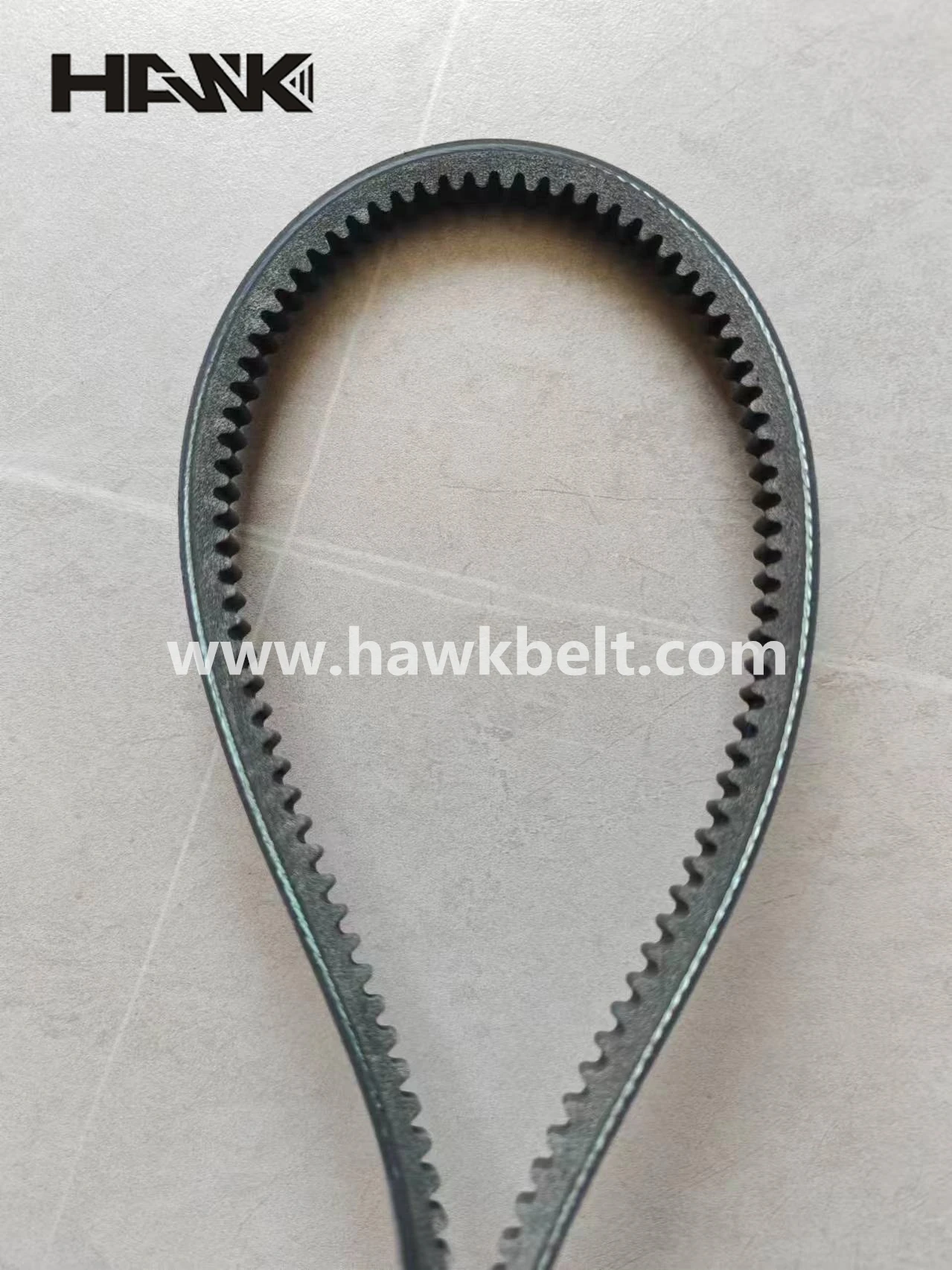
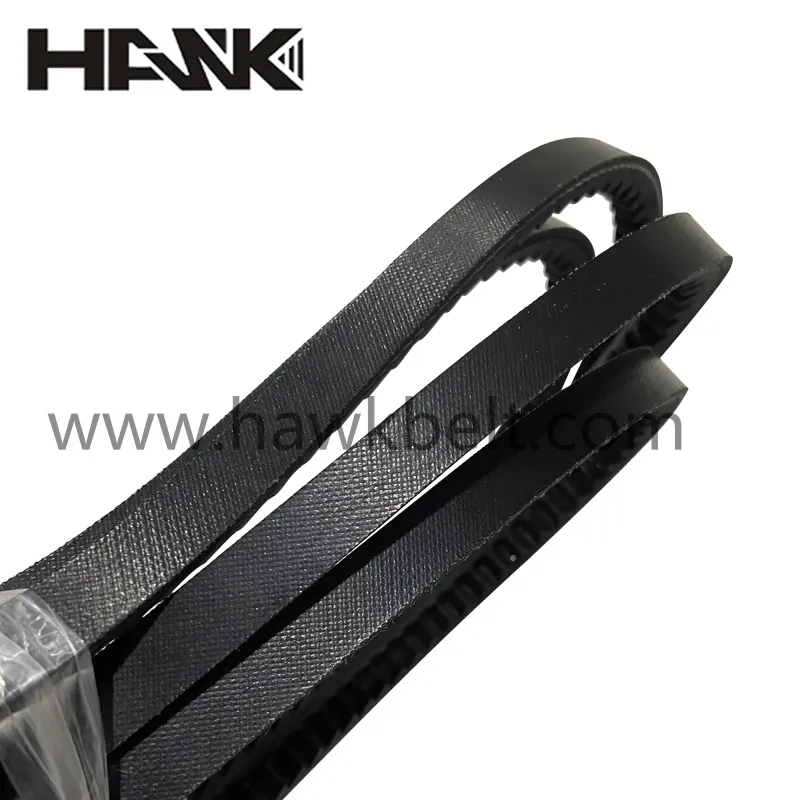
We deliver high-grade rubber components including alternator belt and auto v belt systems that ensure maximum efficiency for Slovakian vehicle fleets and manufacturing plants.

Rubber Parts Market Landscape in Slovakia

Analyzing the intersection of automotive excellence and rubber engineering in Central Europe.

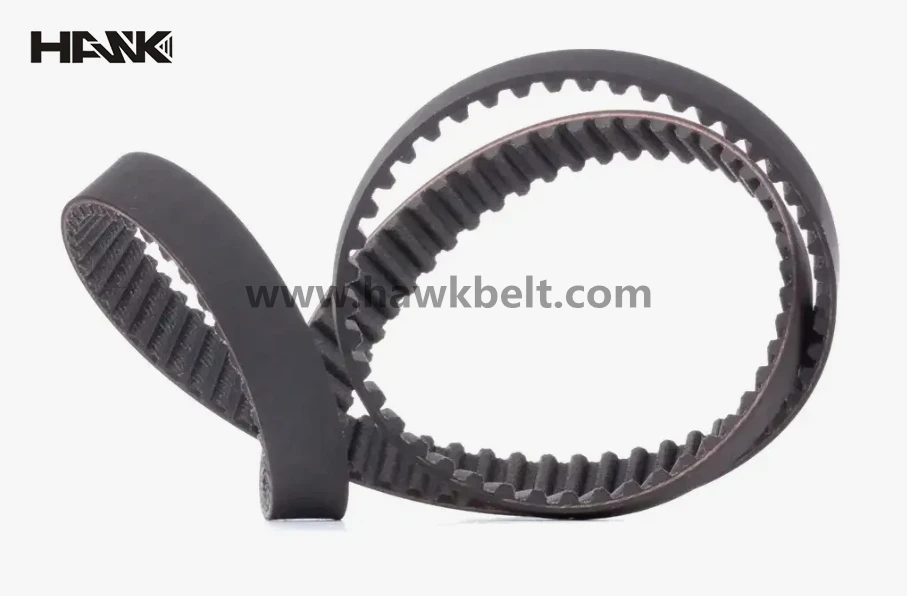
Slovakia stands as a global hub for automotive manufacturing. The local demand for precision-engineered auto rubber timing belt components is driven by the presence of major OEM plants, necessitating strict adherence to EU safety and quality standards.

The continental climate of Slovakia, characterized by freezing winters and hot summers, places extreme thermal stress on rubber components. This necessitates the use of advanced EPDM materials to prevent cracking and slippage in critical transmission systems.

With a growing logistics sector across the Danube valley, the reliance on heavy-duty motorcycle belt and automotive drive systems has increased, shifting the market toward long-life, low-maintenance rubber solutions.
Evolution of Rubber Drive Technology

From basic vulcanized rubber to high-performance synthetic composites.

Market Development History

In the early 1990s, the Slovakian market relied heavily on standard neoprene-based belts which suffered from rapid degradation under heavy loads and extreme temperature fluctuations.

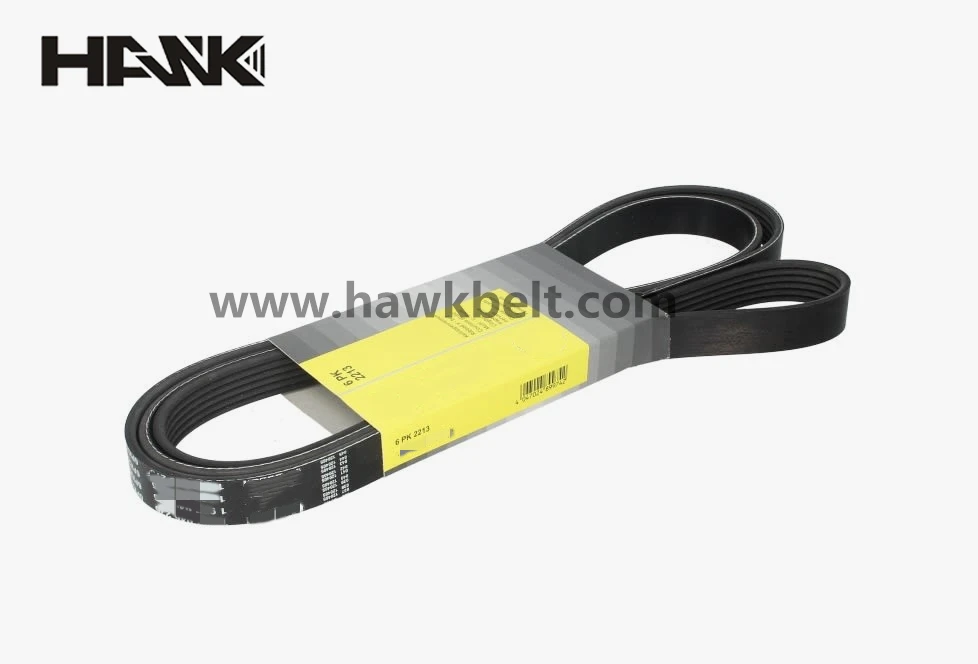
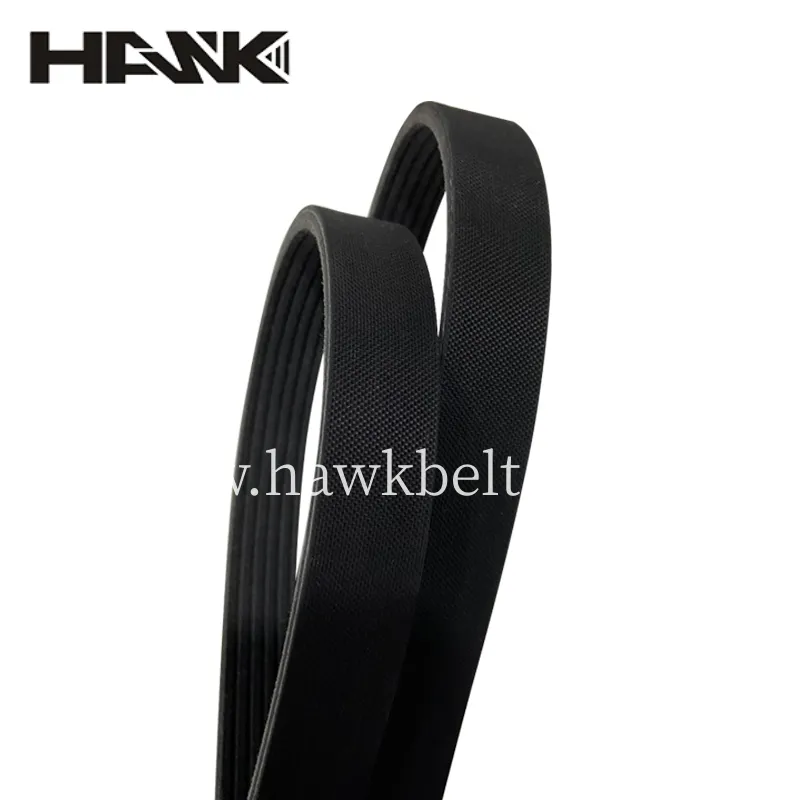
By the mid-2000s, the transition to multi-ribbed designs became evident. This era saw the widespread adoption of the pk belt, which offered significantly higher power transmission efficiency and reduced noise levels.

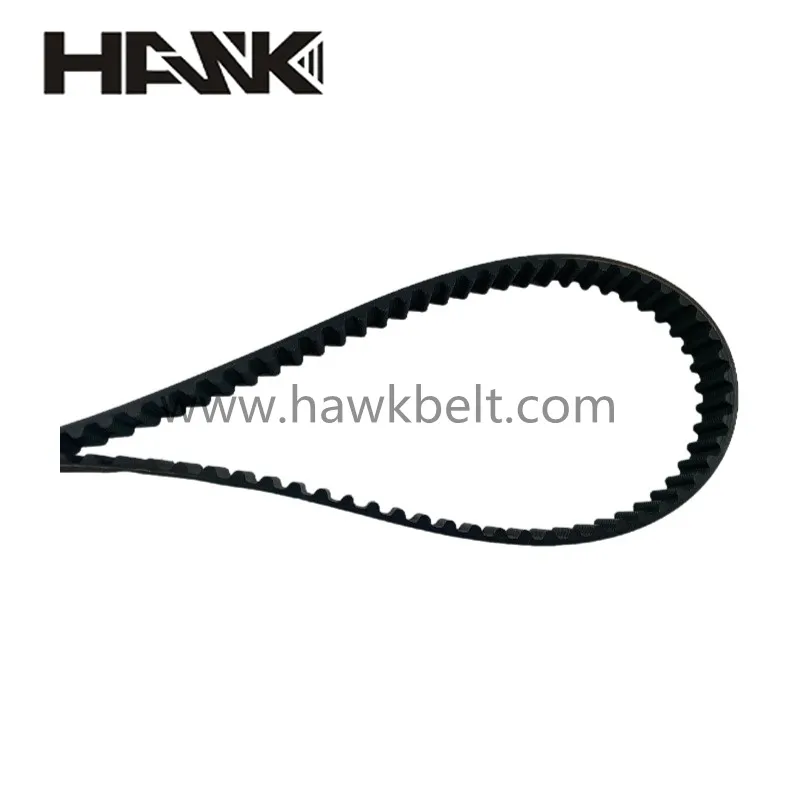
From 2015 to the present, the focus has shifted toward "Smart Rubber" technology, incorporating carbon-fiber reinforcements and specialized coatings to minimize friction and extend the service life of timing and alternator systems.

Future Development Trends

Eco-Friendly Polymers

Integration of biodegradable and recyclable elastomers to meet the EU's strict Green Deal regulations for the manufacturing sector.

Predictive Wear Monitoring

Development of belts with embedded sensor-ready materials that allow for predictive maintenance in industrial Slovakian factories.

Ultra-High Temperature Resistance

Engineering new compound mixtures that can withstand higher engine bay temperatures resulting from the downsizing of modern turbocharged engines.

Industry Trends & Future Outlook

Strategic forecasting for rubber parts manufacturing in the Slovakian region.

Hybridization Adaptation
Designing belts for hybrid powertrains that require rapid torque transitions and higher efficiency.
Material Innovation
Transitioning to advanced Aramid and Hytrel reinforcements for zero-stretch performance.
Supply Chain Localism
Reducing lead times by establishing regional distribution hubs within Slovakia's industrial zones.
Digital Customization
Utilizing CAD-to-Production workflows to create custom rubber parts for niche industrial machinery.

Industry Outlook

Based on Google search trends in the EU, there is a rising interest in "long-life automotive components." We expect the Slovakian market to shift toward premium-tier rubber parts that reduce the frequency of replacement intervals.

The integration of Industry 4.0 in Slovakia's manufacturing plants will likely lead to a higher demand for specialized industrial belts that can operate in automated, high-speed environments with minimal vibration.

Localized Application Scenarios in Slovakia

Real-world implementation of rubber components across various Slovakian sectors.

01. Automotive OEM Assembly Lines

Supplying high-precision auto rubber timing belt systems for passenger cars manufactured in Trnava and Žilina, ensuring synchronized valve timing under extreme load.

02. Tatra Heavy-Duty Truck Maintenance

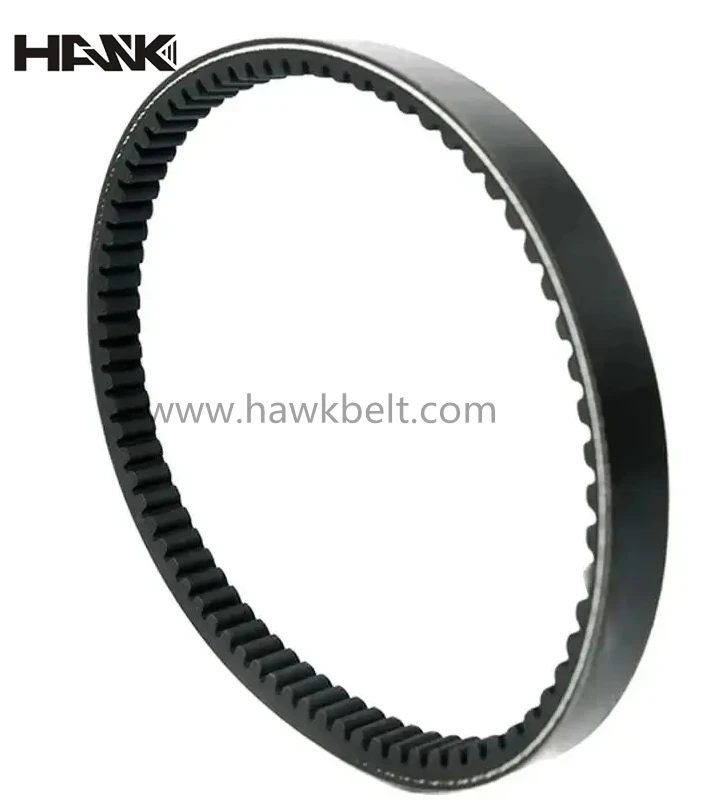
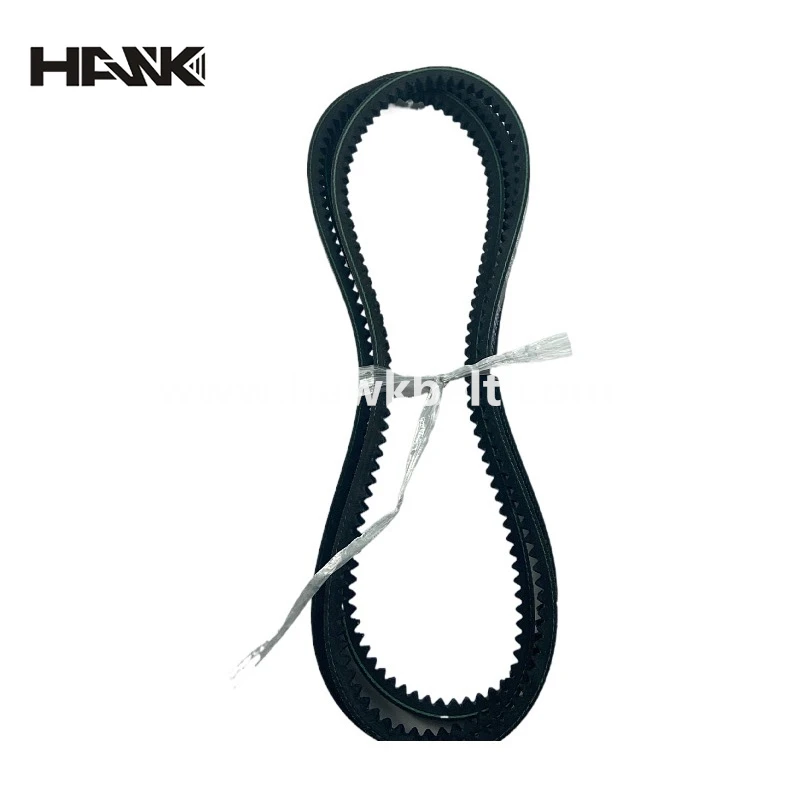
Providing reinforced auto v belt replacements for heavy industrial trucks operating in the rugged terrain of the High Tatras, where grip and durability are paramount.

03. Urban Motorcycle Delivery Fleets

Implementing low-noise, high-tensile motorcycle belt solutions for the growing courier economy in Bratislava, optimizing fuel efficiency in stop-and-go traffic.

04. Agricultural Machinery in Rural Regions

Customizing heavy-duty drive belts for farming equipment in the southern plains, designed to resist dust, mud, and agricultural chemicals.

05. Industrial HVAC Systems in Commercial Hubs

Deploying high-stability alternator belt technology for large-scale ventilation systems in Bratislava's business districts to ensure uninterrupted climate control.

Brand Story

The Global Development Journey of Xingtai Hawk Rubber and Plastic Products Co., Ltd.

Foundational Excellence

Started with a commitment to solving the core pain point of rubber degradation in industrial belts through advanced vulcanization processes.

Technical Breakthroughs

Invested in R&D to create synthetic blends that outperformed traditional rubber in temperature resistance and tensile strength.

Global Market Expansion

Expanded operations into Europe, establishing a footprint in Slovakia by aligning products with strict EU automotive standards.

Quality Certification

Achieved international certifications for rubber manufacturing, ensuring every belt produced meets zero-defect requirements.

Future-Proof Vision

Now focusing on sustainable elastomer production to lead the transition toward green manufacturing in the rubber industry.

Slovakia Automotive Belt FAQ

Expert answers to the most common technical queries regarding rubber parts.

How often should an alternator belt be replaced in Slovakia's climate?

Due to the extreme temperature swings in Slovakia, we recommend inspecting your alternator belt every 60,000 km or every 2 years to prevent sudden failure during winter peaks.

What is the main difference between a pk belt and a v-belt?

A pk belt features multiple small ribs for higher surface area and efficiency, whereas an auto v belt uses a wedge shape, primarily for lower-speed, high-torque applications.

Can a motorcycle belt be used in heavy-duty industrial settings?

While a motorcycle belt is engineered for high-speed agility and lightness, industrial settings typically require thicker, reinforced rubber compounds for sustained load bearing.

Why is the auto rubber timing belt critical for engine health?

The auto rubber timing belt synchronizes the crankshaft and camshaft; a failure can lead to catastrophic valve and piston collision, especially in high-performance engines.

What causes rubber belt squealing during cold Slovakian mornings?

Squealing is usually caused by belt slippage due to cold-induced contraction or glazing. Using high-grade EPDM materials helps maintain flexibility in sub-zero temperatures.

Are your rubber parts compliant with EU environmental regulations?

Yes, all our rubber components are manufactured to be REACH and RoHS compliant, ensuring they are safe for the environment and the European market.

Request a Technical Consultation

Our engineering team is ready to support your rubber parts procurement and customization needs in Slovakia.

Contact Us Now

If you are interested in our products, you can choose to leave your information here, and we will be in touch with you shortly.