
Mobile Phone
+8615369985502
Call Us
+8615369985502
E-mail
mike@hawkbelt.com

Premium pk belt Solutions for Portugal's Automotive Industry

High-performance rubber drive components engineered for European durability and Portuguese road conditions.

Premium pk belt Solutions for Portugal's Automotive Industry

Delivering industrial-grade precision in rubber parts manufacturing to ensure peak engine efficiency across the Iberian Peninsula.

The State of Rubber Parts Manufacturing in Portugal

Analyzing the demand for high-torque transmission belts in the Portuguese market.

Portugal's automotive aftermarket is characterized by a diverse vehicle fleet, from urban commuters in Lisbon to heavy-duty transport in the industrial hubs. The high humidity and saline air from the Atlantic coast accelerate the degradation of standard rubber components, increasing the demand for a robust auto v belt that can withstand oxidative stress.

In the southern regions like Algarve, extreme summer heat puts immense pressure on engine cooling systems. This makes the reliability of an alternator belt critical, as any failure in the serpentine system can lead to immediate engine overheating in Mediterranean temperatures.

Moreover, the growing trend of urban mobility and motorcycle commuting in Porto and Lisbon has surged the requirement for specialized motorcycle belt components that offer low noise and high fatigue resistance for stop-and-go traffic.
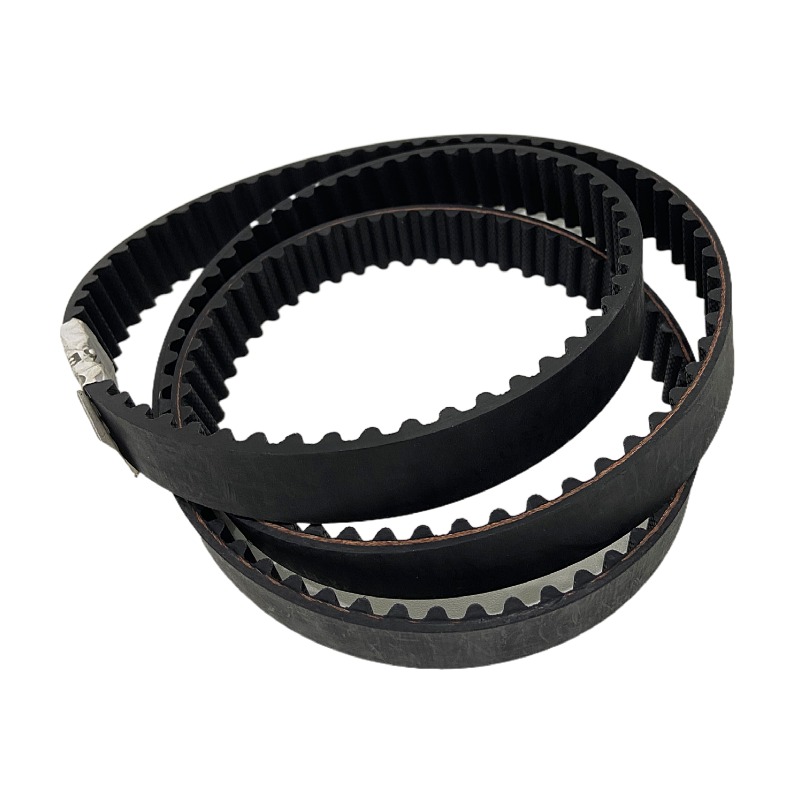
Evolution and Trajectory of Rubber Timing Components

From basic neoprene to advanced EPDM compounds in the Portuguese sector.

Market Development History

During the 1990s, the Portuguese market relied heavily on basic rubber compounds. The primary focus was on simple durability, where the standard auto rubber timing belt was designed for basic mileage without considering extreme thermal fluctuations.

By the mid-2000s, the shift toward fuel efficiency and tighter emission standards forced a transition. Manufacturers began adopting EPDM (Ethylene Propylene Diene Monomer), which drastically improved heat resistance and reduced the frequency of belt replacements in Southern Europe.

In the last decade, the integration of precision molding and high-tensile fiberglass cords has redefined the industry. This era saw the rise of multi-ribbed profiles designed to handle higher loads with less slippage, optimizing the power transfer in modern European engines.

Future Development Trends

Carbon-Fiber Reinforcement

The next phase involves integrating carbon-fiber filaments into the belt core to minimize elongation and maximize energy efficiency.

Smart Wear Monitoring

Integration of embedded sensors to predict belt failure before it occurs, reducing unplanned downtime for Portuguese logistics fleets.

Eco-Friendly Bio-Rubber

A shift toward sustainable, bio-based elastomers to meet the strict EU Green Deal regulations and reduce the carbon footprint of rubber manufacturing.

Industry Outlook and Future Projections

Predicting the shifts in rubber parts demand based on European mobility trends.

Hybrid Propulsion Adaptation
Developing belts that can handle the abrupt torque changes found in hybrid engines common in EU cities.
Thermal Resistance Upgrades
Advancing polymer chemistry to resist extreme heat cycles prevalent in the Portuguese summer.
Noise Reduction Tech
Implementing dampened rubber structures to meet urban noise pollution standards in Portuguese cities.
Precision Fit Logistics
Applying AI-driven design to ensure 100% OEM compatibility for the diverse Portuguese vehicle park.

Industry Outlook

Google search trends indicate a rising interest in "long-life timing belts" and "high-efficiency drive belts" within Europe. This suggests that Portuguese consumers are moving away from low-cost replacements toward high-value, long-duration components that reduce lifetime maintenance costs.

Over the next 3-5 years, we expect the rubber parts industry to pivot toward "Smart Rubber," where material science merges with digital diagnostics, ensuring that components like timing belts are replaced based on actual wear rather than arbitrary mileage intervals.

Local Application Scenarios in Portugal

Real-world deployment of high-performance rubber belts across Portugal.

1. Lisbon Urban Delivery Fleets

Utilizing high-torque pk belt systems in lightweight electric and hybrid delivery vans to handle frequent start-stop cycles in the narrow streets of Lisbon.

2. Algarve Tourism Transport

Implementing heat-resistant alternator belt components in tourist shuttle buses to ensure reliable air conditioning during peak summer heatwaves.

3. Porto Industrial Logistics

Deploying heavy-duty auto v belt solutions for transport trucks moving goods between the Port of Leixões and inland warehouses.

4. Regional Motorcycle Commuting

Providing reinforced motorcycle belt parts for scooter fleets used in the dense urban centers of Porto and Coimbra.

5. Agricultural Machinery in Alentejo

Installing durable auto rubber timing belt systems in specialized farming equipment that operates in dusty and high-temperature environments.

Brand Story

Global Development History of Xingtai Hawk Rubber and Plastic Products Co., Ltd.

Foundational Precision

Established with a focus on core rubber chemistry, solving the problem of early belt stretching and premature cracking in industrial applications.

Technology Integration

Expanded into automotive-grade rubber manufacturing, introducing precision molding that eliminated noise and vibration in drive systems.

European Expansion

Tailored product lines for the EU market, focusing on EPDM materials to meet the rigorous climate demands of Southern Europe.

Quality Certification

Achieved international quality standards, ensuring every belt produced meets global OEM specifications for safety and performance.

Sustainable Future

Currently leading the transition toward eco-friendly rubber polymers, reducing environmental impact without compromising industrial strength.

Frequently Asked Questions in Portugal

Expert answers to common technical queries regarding rubber belt maintenance.

How often should I replace an alternator belt in the Portuguese climate?

Given the high summer temperatures in Portugal, we recommend a professional inspection every 20,000 km and replacement every 60,000 to 80,000 km to avoid sudden failure.

What are the signs that my auto rubber timing belt needs replacement?

Look for visible cracks, fraying edges, or unusual ticking sounds from the engine. Because timing belt failure is catastrophic, sticking to the manufacturer's mileage interval is critical.

Is a pk belt better than a traditional v-belt for modern cars?

Yes, PK belts (poly-v belts) offer multiple ribs which provide more surface area for grip, reducing slippage and increasing the efficiency of accessory drives in modern engines.

Can a motorcycle belt be used in wet conditions in Porto?

Our high-grade rubber belts are engineered with moisture-resistant compounds to maintain grip and tension even during Porto's rainy winter seasons.

Why does my auto v belt squeal during cold starts in winter?

Squealing usually indicates slippage caused by belt stretching or glazing. This is often a sign that the belt has lost its elasticity and requires replacement.

How do I choose the correct size for a replacement rubber drive belt?

The most accurate way is to check the alphanumeric code printed on the existing belt or refer to the vehicle's VIN number to match OEM specifications.

Consult Our Rubber Engineering Experts

Providing high-precision rubber parts and technical support for the automotive industry across Portugal.

Contact Us Now

If you are interested in our products, you can choose to leave your information here, and we will be in touch with you shortly.