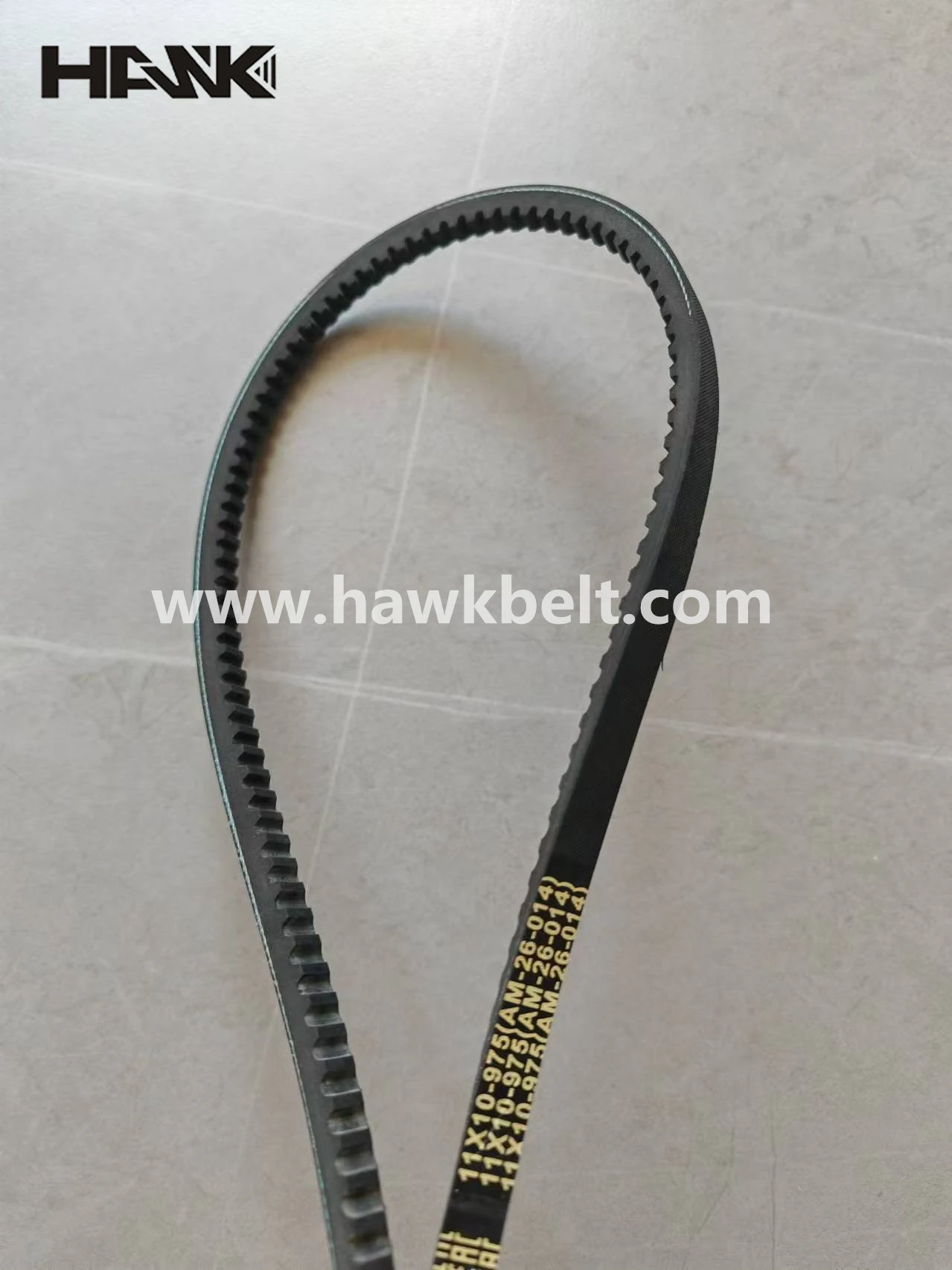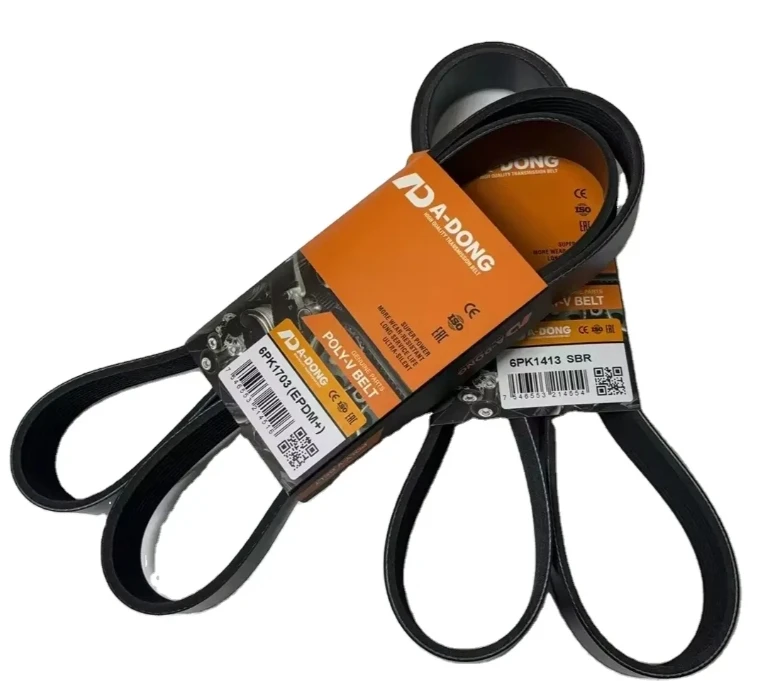


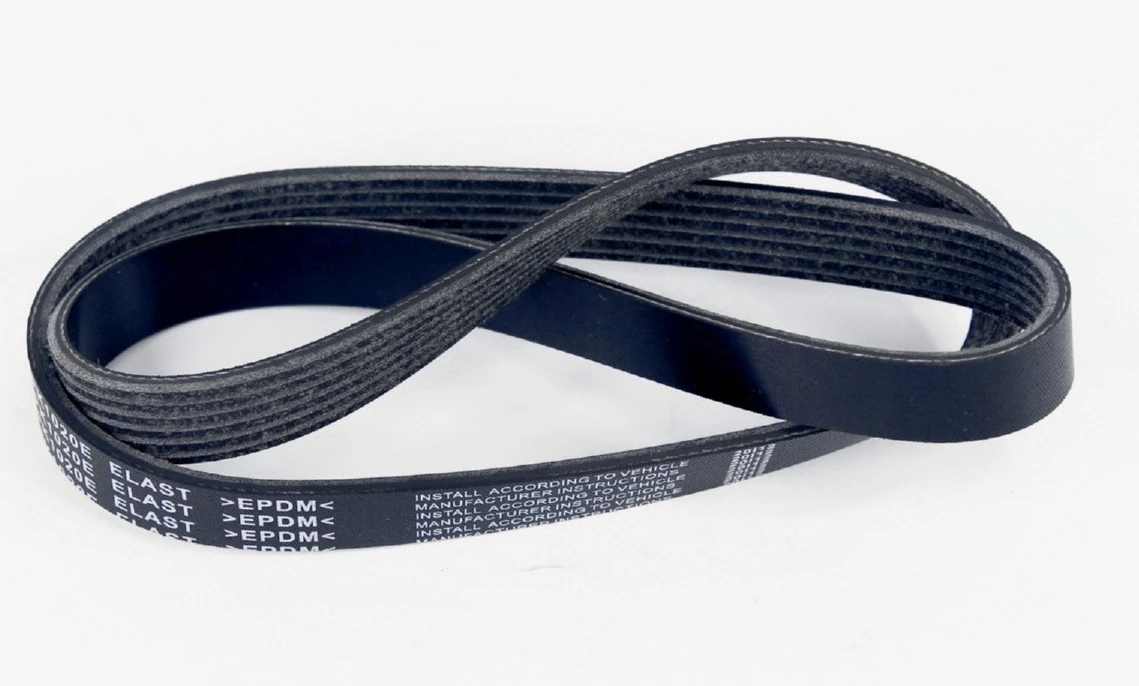
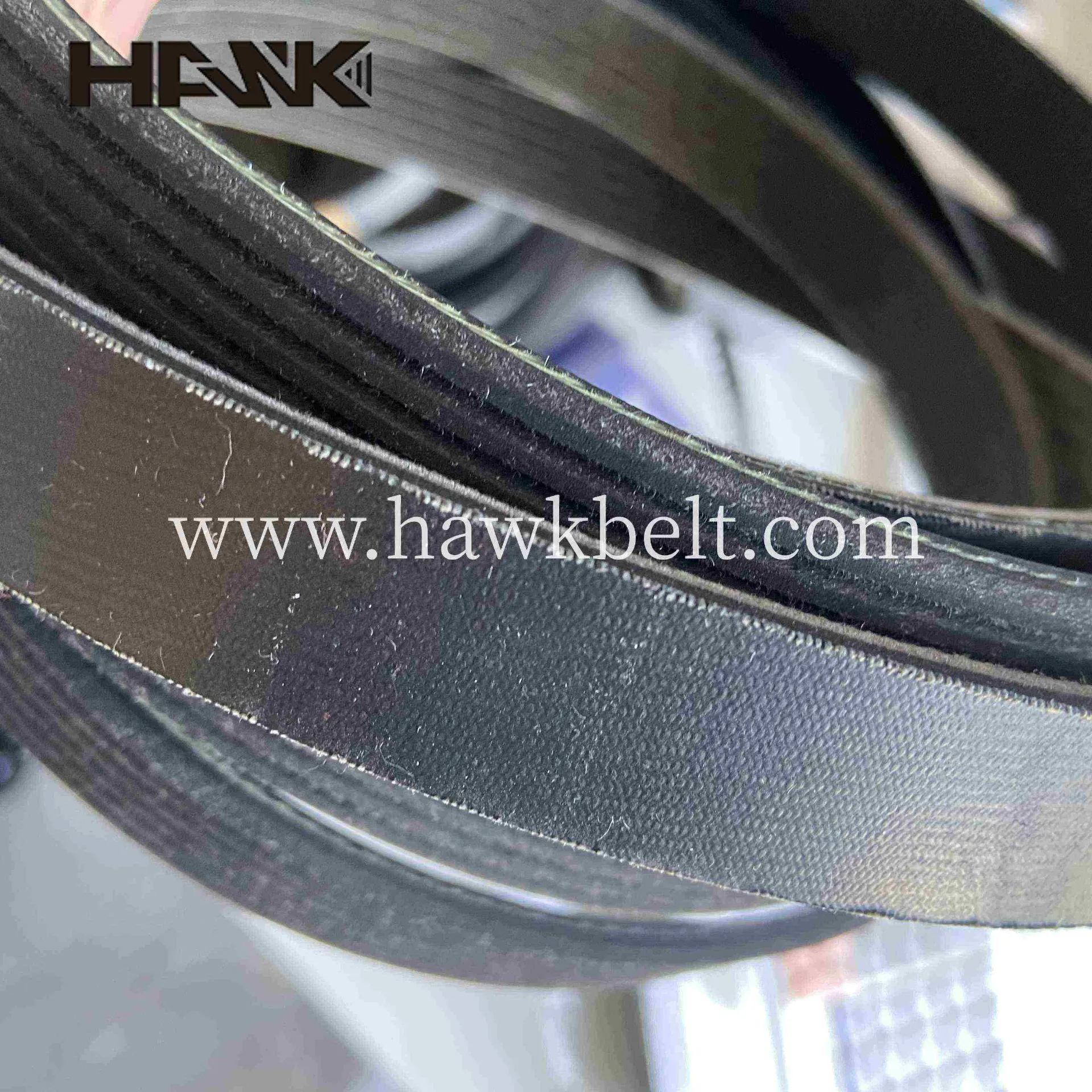
Denmark's automotive sector is characterized by a strong shift towards sustainability and high-efficiency machinery. The local demand for an alternator belt is heavily influenced by the region's damp and cold maritime climate, which accelerates the degradation of standard rubber compounds through oxidative stress and thermal cycling.
In the Danish market, there is a critical need for materials that maintain flexibility at sub-zero temperatures while resisting the corrosive effects of road salt used during winter. This has pushed the local rubber parts industry to adopt advanced EPDM formulations to ensure that every auto v belt maintains its structural integrity and tension.
Economically, Denmark's focus on green logistics means that rubber components are now evaluated not just by their lifespan, but by their contribution to fuel efficiency. Precision-manufactured belts reduce parasitic loss, making them essential for the high-standard fleets operating across Copenhagen and Aarhus.