Mobile Phone
+8615369985502
Call Us
+8615369985502
E-mail
mike@hawkbelt.com

Premium pk belt Solutions for Bulgaria's Automotive Sector

High-performance rubber drive solutions engineered for extreme endurance and precision in the Bulgarian industrial and automotive landscape.

The State of Rubber Parts Manufacturing in Bulgaria

Analyzing the demand for automotive belts amidst Bulgaria's diverse climatic and economic shifts.

Bulgaria's automotive aftermarket is characterized by a diverse fleet of aging European vehicles and a growing influx of modern hybrids. This creates a dual demand for traditional auto v belt components and highly specialized modern belts that can withstand the region's significant temperature swings between the Balkan Mountains and the Black Sea coast.

The local manufacturing sector has shifted toward integrating higher-grade EPDM rubber to combat the oxidative stress caused by Bulgaria's humid summers. There is a critical need for an alternator belt that maintains tension without slippage, ensuring that electrical systems remain stable during harsh winter starts in Sofia and Plovdiv.

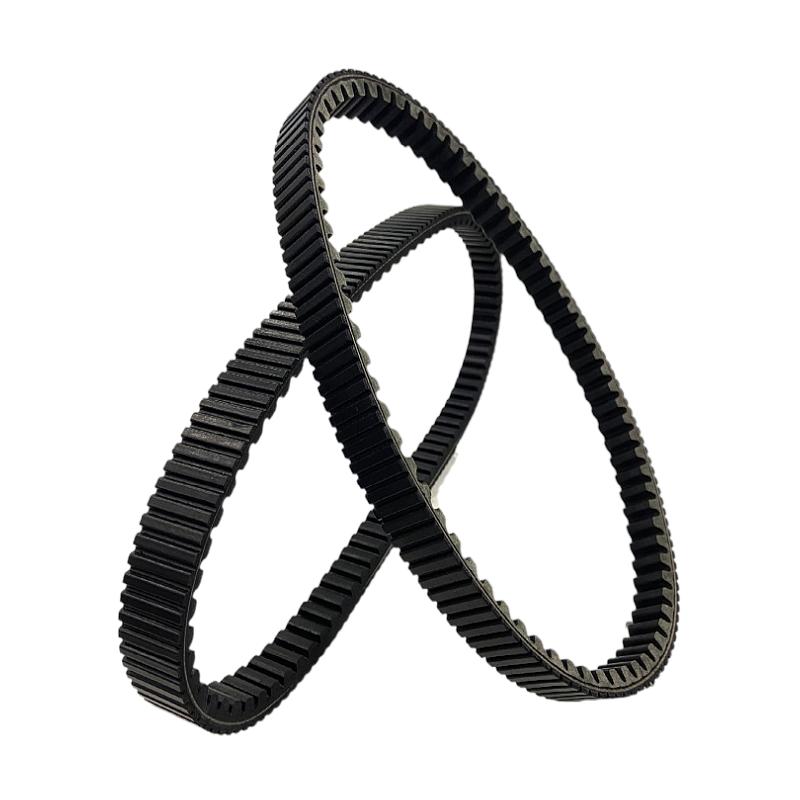
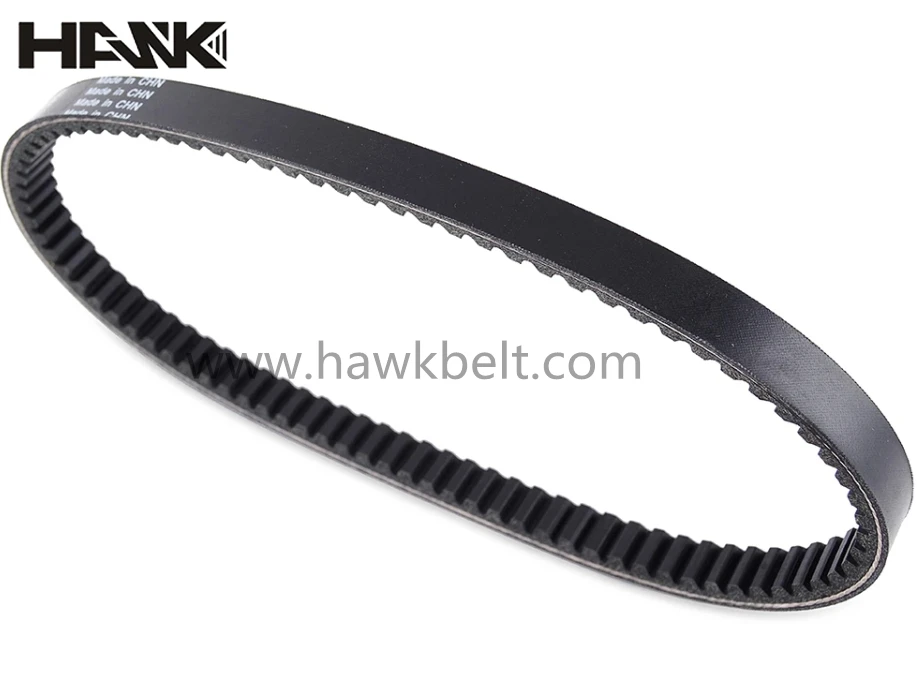
Furthermore, the rise of urban mobility in Bulgarian cities has spiked the demand for durable motorcycle belt options. Local workshops are increasingly seeking parts that offer a balance between cost-effectiveness and the rigorous durability standards required by EU regulations.
Evolution and Trajectory of Bulgarian Rubber Belt Technology

From basic industrial rubber to precision-engineered automotive timing systems.

Market Development History

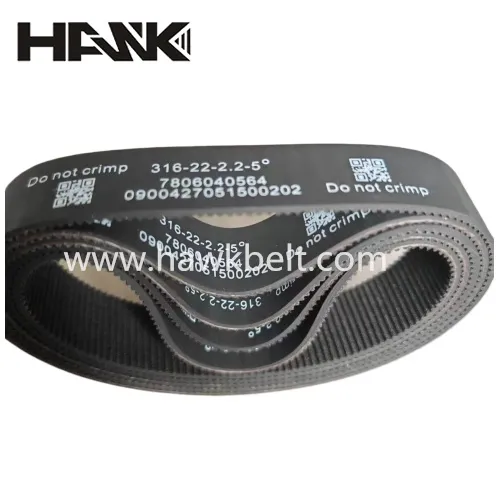
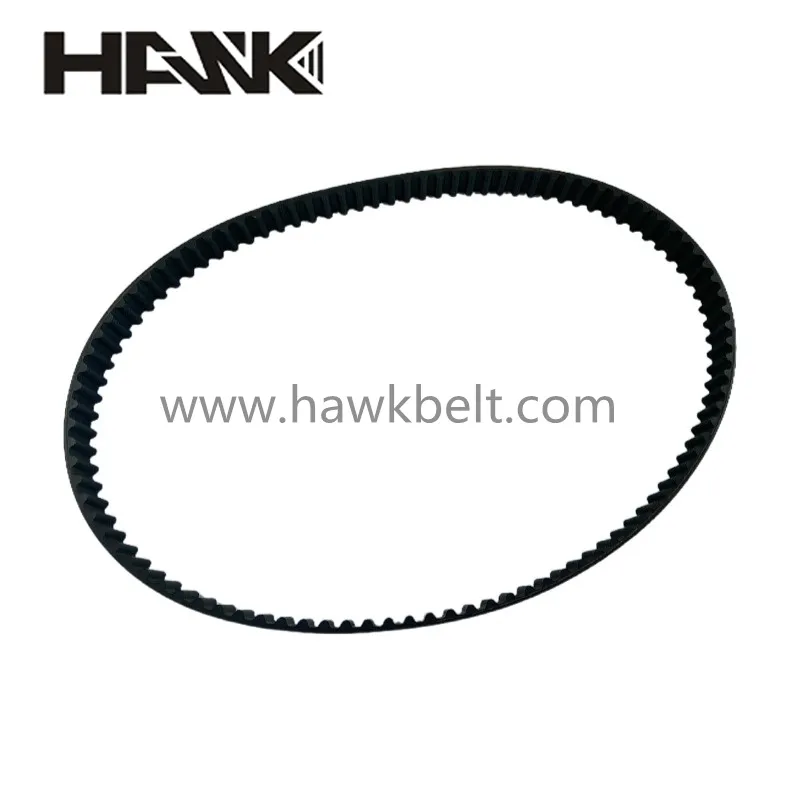
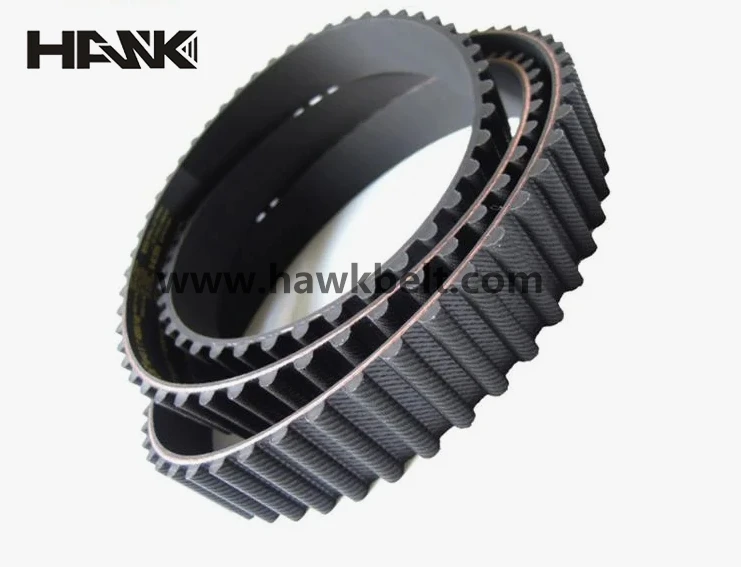
In the late 20th century, the Bulgarian market relied heavily on basic vulcanized rubber. These early iterations of the auto rubber timing belt were prone to stretching and thermal degradation, leading to frequent maintenance cycles in heavy-duty transport.

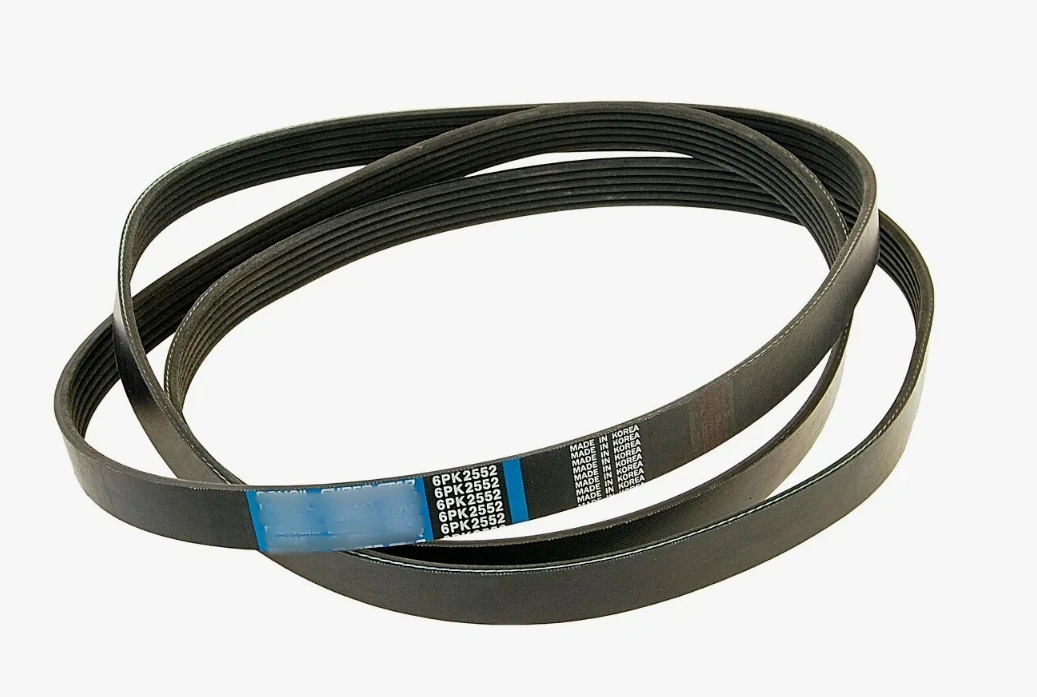
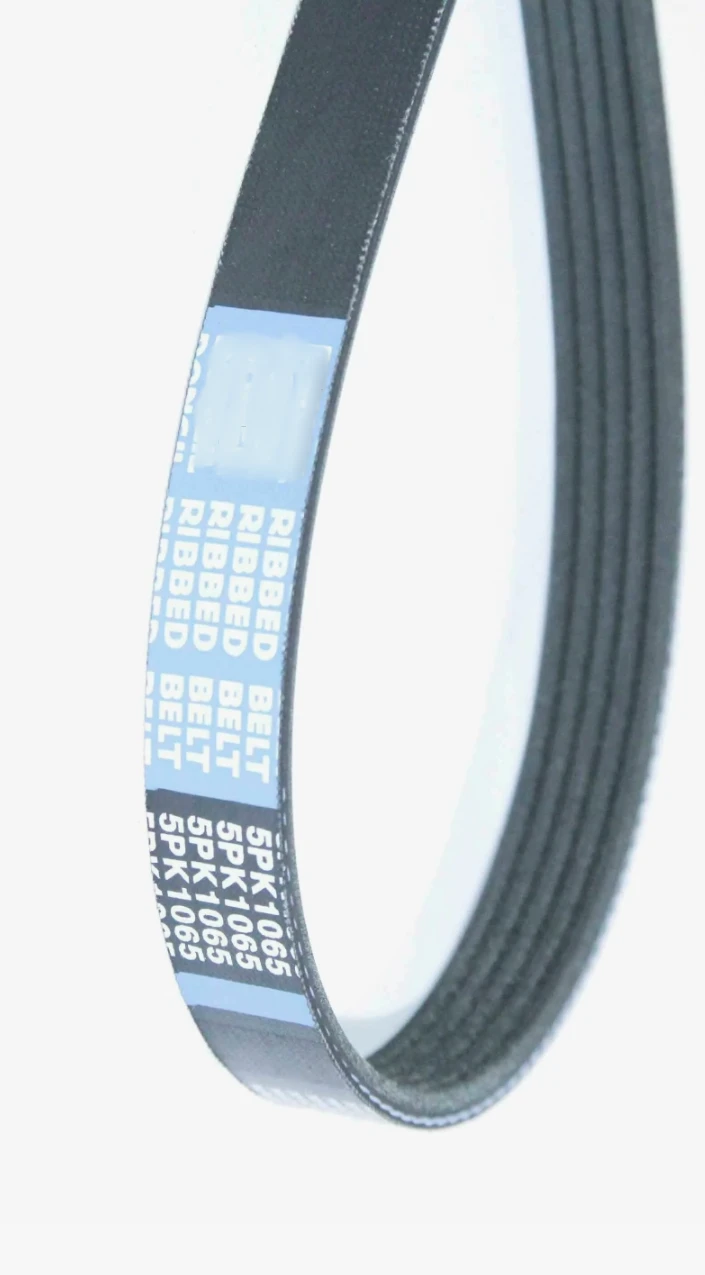
By the early 2010s, the transition toward "Poly-V" profiles began. The introduction of the pk belt revolutionized the local market by allowing multiple accessories to be driven by a single belt, reducing weight and increasing fuel efficiency for Bulgarian logistics companies.

Currently, the market has entered the "Precision Era," where synthetic fibers and advanced polymers are used to create belts that offer near-zero stretch, specifically tailored for the high-compression engines common in the European automotive market.

Future Development Trends

Eco-Polymer Integration

Driven by EU Green Deal mandates, we predict a shift toward bio-based rubber compounds that reduce the carbon footprint of belt production without compromising tensile strength.

Smart-Wear Monitoring

Integration of conductive threads within the rubber matrix to allow real-time wear sensing, reducing unplanned downtime for commercial fleets in Bulgaria.

Extreme Thermal Resistance

Development of hybrid compounds capable of operating from -40°C to +150°C to accommodate the extreme continental climate of the Balkan region.

Industry Trends and Future Outlook

Mapping the technological shifts in rubber parts for the next 3-5 years.

Advanced Material Science
Transitioning to nano-reinforced EPDM to enhance the longevity of timing and drive belts.
Precision Molding
Adopting AI-driven injection molding to reduce tolerances in high-speed belt profiles.
EV Adaptation
Developing specialized belts for Electric Vehicle accessory drives and cooling systems.
Circular Economy
Implementing rubber recycling programs to repurpose old belts into industrial flooring.

Industry Outlook

Based on Google search trends in Eastern Europe, there is a growing shift toward "preventative maintenance" keywords. This indicates that Bulgarian fleet managers are moving away from reactive replacements and toward high-quality, long-life rubber components that reduce total cost of ownership.

We anticipate that the integration of smart-rubber technology will become the standard for heavy-duty logistics within 5 years, allowing for predictive failure alerts in belt-driven systems across the Bulgarian transport network.

Localized Application Scenarios in Bulgaria

Practical implementations of high-performance rubber belts in regional contexts.

1. Mountainous Logistics in the Rhodope Region

Heavy-duty trucks navigating steep inclines require a high-torque auto v belt to ensure that cooling fans and compressors function optimally under maximum engine load.

2. Urban Commuting in Sofia

For the increasing number of delivery scooters, a reinforced motorcycle belt is essential to handle the stop-and-go stress of city traffic and varying road surfaces.

3. Black Sea Port Equipment

Industrial conveyor systems and automotive machinery at Varna and Burgas ports utilize specialized pk belt designs to resist salt-air corrosion and high humidity.

4. Agricultural Machinery in the Danubian Plain

Tractors and harvesting equipment rely on precision-molded rubber timing belts to maintain synchronization during long hours of operation in dusty environments.

5. Luxury Vehicle Maintenance in Plovdiv

High-end European cars require exact OEM-spec auto rubber timing belt replacements to maintain engine warranty and timing precision.

Brand Story

Global Development Journey of Xingtai Hawk Rubber and Plastic Products Co., Ltd.

Founding and Local Expertise

Established with a focus on industrial rubber, we began by solving the fundamental problem of belt slippage in heavy machinery.

Technological Breakthroughs

Developed a proprietary EPDM blending process that significantly increased the thermal stability of automotive drive belts.

Global Market Expansion

Expanded operations to Europe, tailoring our rubber components to meet the rigorous safety and durability standards of the EU.

Precision Engineering Pivot

Invested in high-precision molding technology to produce timing belts with micron-level accuracy for modern engines.

Commitment to Sustainability

Launched a green-initiative line, focusing on recyclable rubber polymers to support a cleaner global automotive industry.

Frequently Asked Questions in Bulgaria

Technical guidance and support for rubber part selection and maintenance.

How often should I replace an alternator belt in Bulgarian winter conditions?

Due to extreme temperature fluctuations, we recommend a visual inspection every 20,000 km and replacement every 60,000 km to avoid sudden failure during cold starts.

What is the difference between a standard auto v belt and a pk belt?

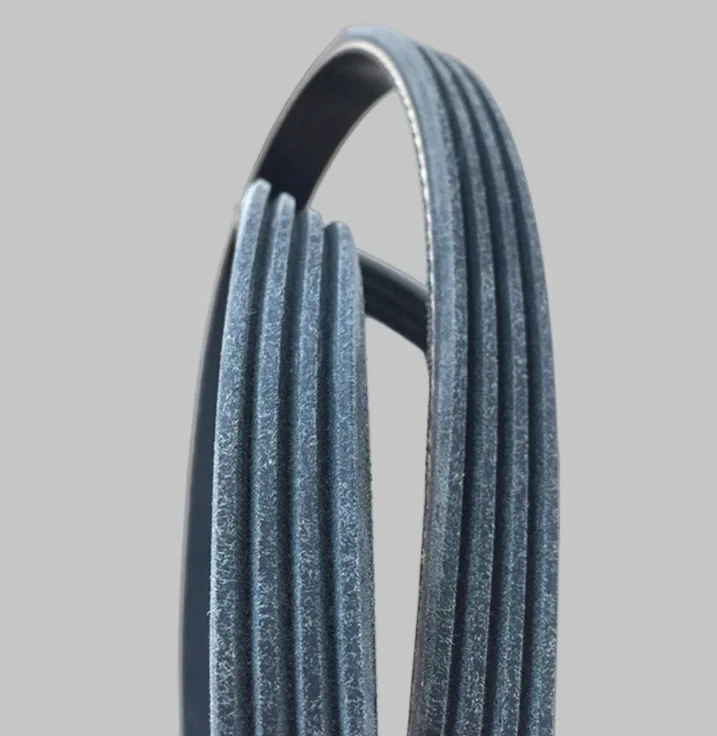
A v-belt has a wedge shape for high-torque, low-speed applications, while a pk belt (Poly-V) has multiple flat ribs, providing higher efficiency and better grip for multiple accessories.

Can an auto rubber timing belt be replaced without changing the tensioner?

It is strongly advised to replace the tensioner and idler pulleys simultaneously to ensure the new belt maintains consistent tension and avoids premature wear.

Do motorcycle belts require specific lubrication?

No, rubber drive belts should never be lubricated. Lubricants can degrade the rubber compound and cause the belt to slip, leading to power loss.

How do I identify a worn-out pk belt?

Look for cracks across the ribs, fraying edges, or a high-pitched squealing sound during acceleration or when the steering wheel is turned.

Are your rubber parts compliant with EU automotive standards?

Yes, all our rubber components are manufactured to meet or exceed ISO and EU standards for tensile strength, heat resistance, and environmental durability.

Get Expert Consultation for Your Rubber Parts Needs

Partner with the leading manufacturer of high-performance belts for the Bulgaria market to optimize your fleet's reliability.

Contact Us Now

If you are interested in our products, you can choose to leave your information here, and we will be in touch with you shortly.