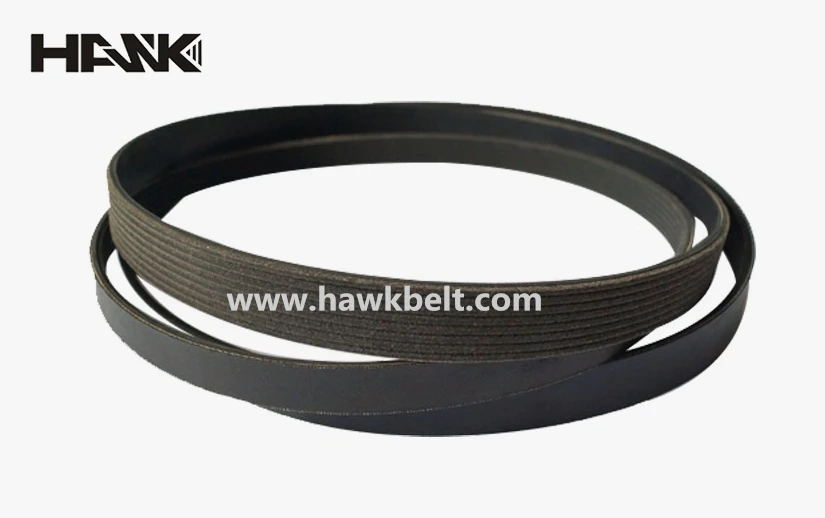


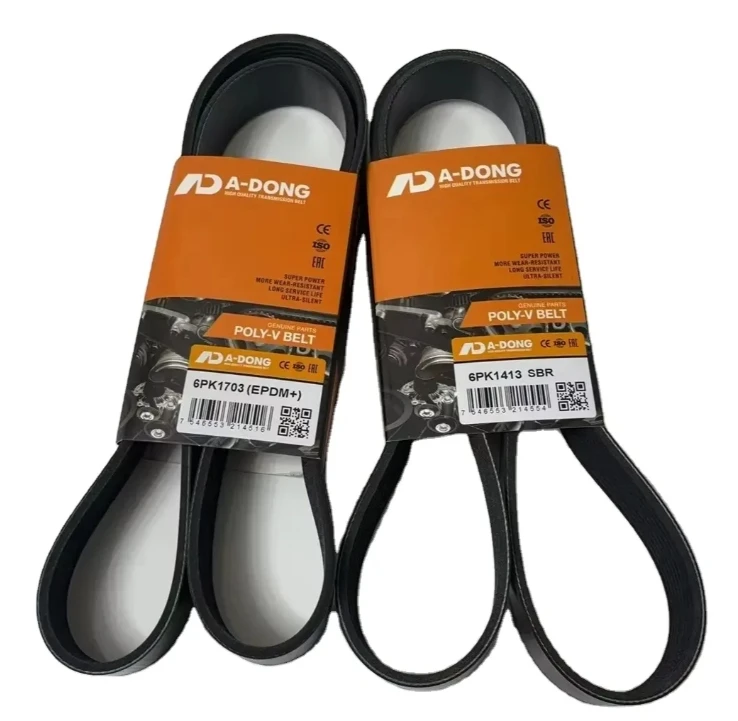

The Netherlands maintains a highly sophisticated automotive logistics hub, where the demand for high-performance alternator belt components is driven by a mix of urban congestion and long-distance motorway travel. The damp, maritime climate of the region accelerates the degradation of standard rubber, requiring materials with superior ozone and moisture resistance.
Economic shifts toward sustainable mobility in Dutch cities have increased the pressure on remaining internal combustion engines to operate at peak efficiency. This has led to a surge in the replacement market for the auto v belt, as vehicle owners seek components that reduce energy loss and minimize noise pollution in residential areas.
Furthermore, the high density of motorcycle commuters in cities like Amsterdam and Rotterdam creates a specialized niche for the motorcycle belt. These components must withstand frequent stop-and-go cycles and varying temperatures, demanding a specific blend of EPDM and high-tensile cords.