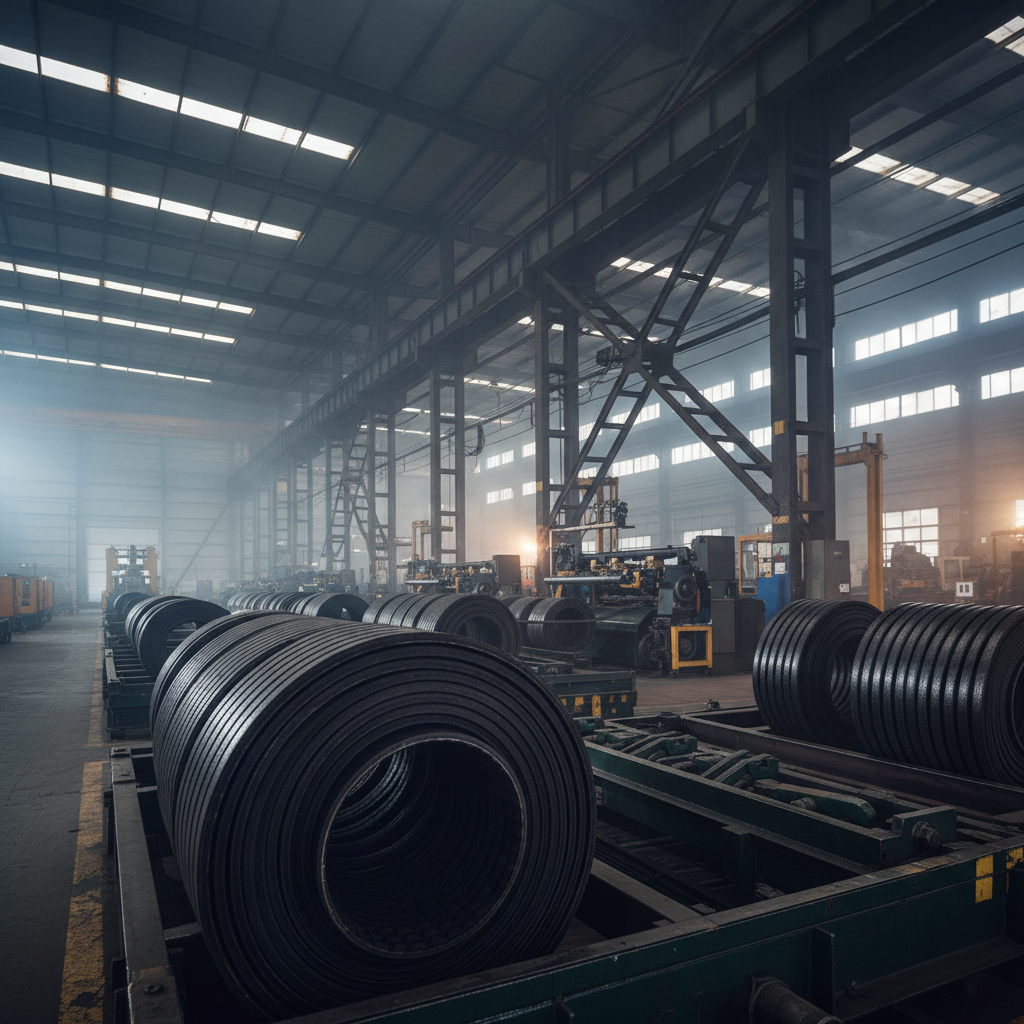
Look, I’ve spent years crawling around construction sites, getting my boots dirty, and honestly, seeing a lot of downtime because of belt failures. It’s a real pain – costs money, delays projects, and frankly, it’s a safety hazard. That’s where understanding the value of quality wholesale poly v belts comes in. These aren't your grandpa’s V-belts. We’re talking about reliable power transmission that can handle the toughest environments and keep things running smoothly. It’s not just about the belt itself, it's about the entire impact on project efficiency.
The demand for reliable industrial components, like wholesale poly v belts, is consistently rising globally. According to the UN’s Industrial Development Goals, expanding industrialization, especially in developing nations, is critical for economic growth. This expansion requires robust power transmission systems. The ISO standards for belt quality are becoming more stringent, reflecting the increasing need for durability and performance. We’re seeing projects get bigger, machinery get more complex, and the tolerance for downtime shrinking.
The problem? A lot of operations still cut corners on belts, opting for cheaper options that inevitably lead to breakdowns. I’ve personally seen entire production lines shut down because of a snapped belt – and the ripple effect on scheduling and budgets is huge. Investing in quality wholesale poly v belts isn't just good preventative maintenance; it’s smart business.
The Importance of Wholesale Poly V Belts in Modern Industry
Let’s be real: most guys on the shop floor don’t think much about the belts until they break. But as someone who’s seen projects grind to a halt because of a simple belt failure, I can tell you it's a critical component. Wholesale poly v belts are designed for high-power transmission in a relatively small space, making them ideal for modern, compact machinery. They're replacing traditional V-belts in a lot of applications because they simply perform better.
The increased efficiency and reliability offered by these belts directly translate into cost savings. Fewer breakdowns mean less downtime, reduced maintenance costs, and increased productivity. And in today’s competitive market, those savings add up fast. We're not just selling belts, we're selling peace of mind.
Defining Wholesale Poly V Belts and Their Relevance
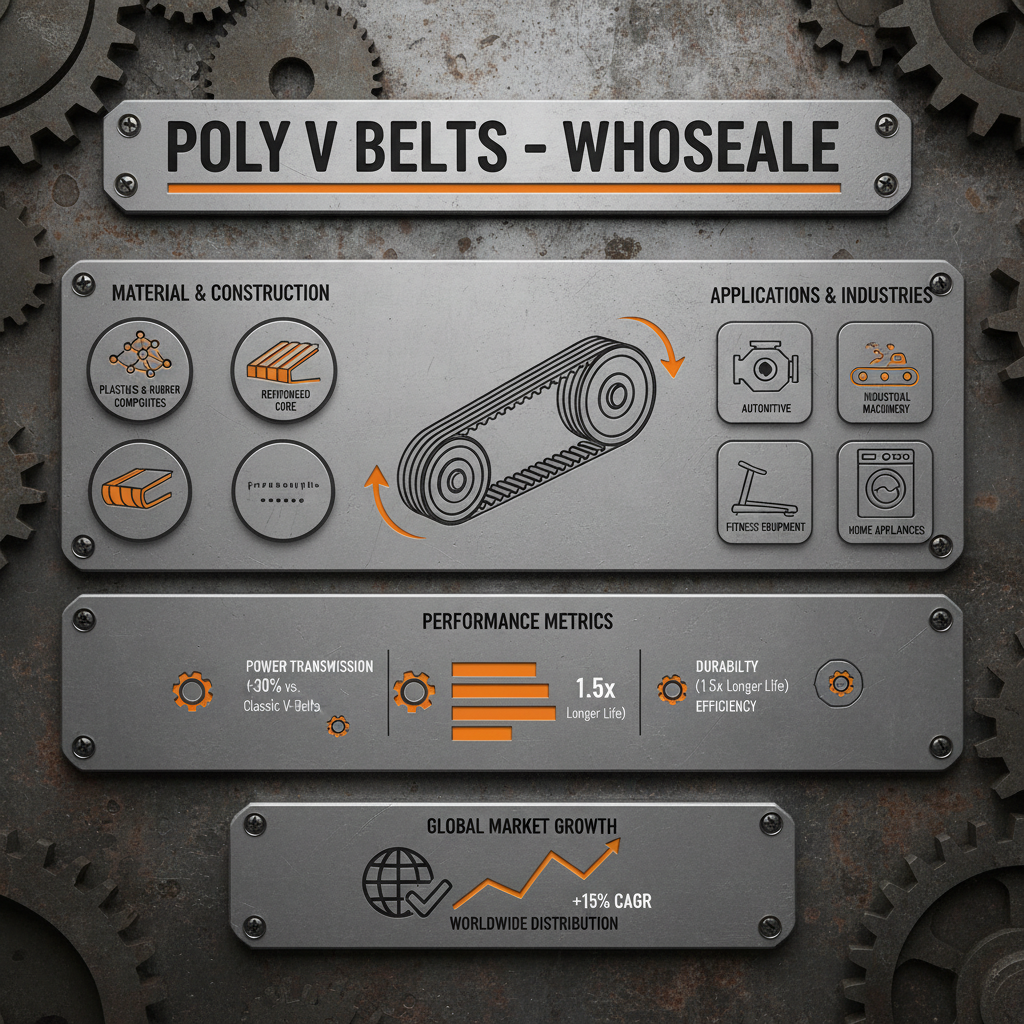
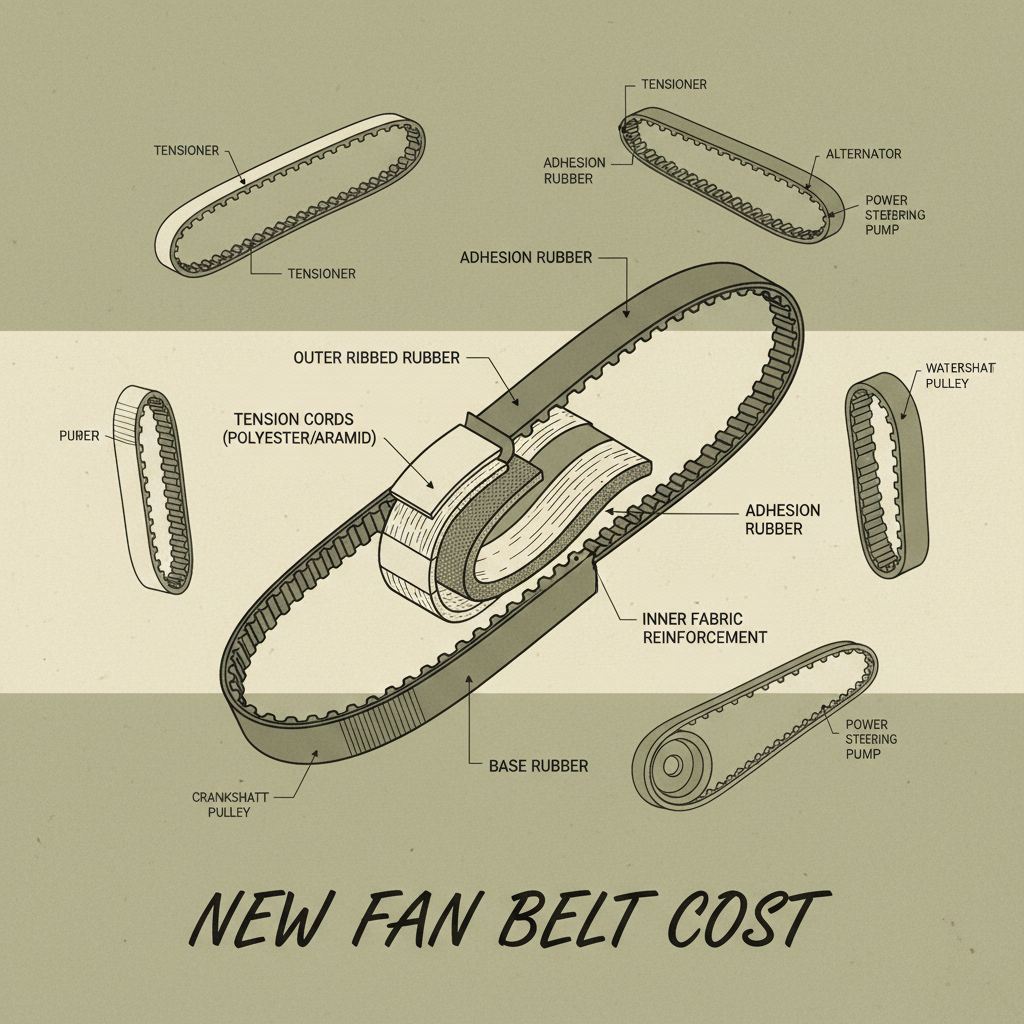
Okay, so what exactly are these things? Wholesale poly v belts, unlike traditional V-belts, have multiple ribs that run the length of the belt. This allows for a larger contact surface with the pulley, distributing the load more evenly and reducing wear and tear. They’re typically made from a durable polymer compound, often reinforced with fibers for added strength.
Their relevance stems from the increasing demands of modern industrial applications. Everything is getting faster, more powerful, and more efficient – and belts need to keep up. These aren't just for big machines, either. They’re used in everything from automotive engines to HVAC systems to agricultural equipment.
Think about a large-scale manufacturing facility. They need a power transmission system that can handle continuous operation, varying loads, and potentially harsh environments. Poly V belts deliver on all these fronts.
Key Factors: Why Poly V Belts Stand Out
First off, the durability is a game-changer. The multiple rib design and high-quality materials significantly extend the belt's lifespan, meaning fewer replacements and less downtime. I’ve seen belts last years longer than traditional V-belts in comparable applications.
Then there's power transmission efficiency. The increased contact area means less slippage, which translates into more power delivered to the machinery. This is especially important in applications where even a small loss of power can impact performance. It also reduces heat buildup.
Reduced maintenance is another huge benefit. These belts don’t require frequent tensioning or alignment, saving time and labor costs. They’re also less susceptible to damage from oil, grease, and other contaminants. And finally, noise reduction - they run quieter than traditional belts.
Real-World Applications Across Industries
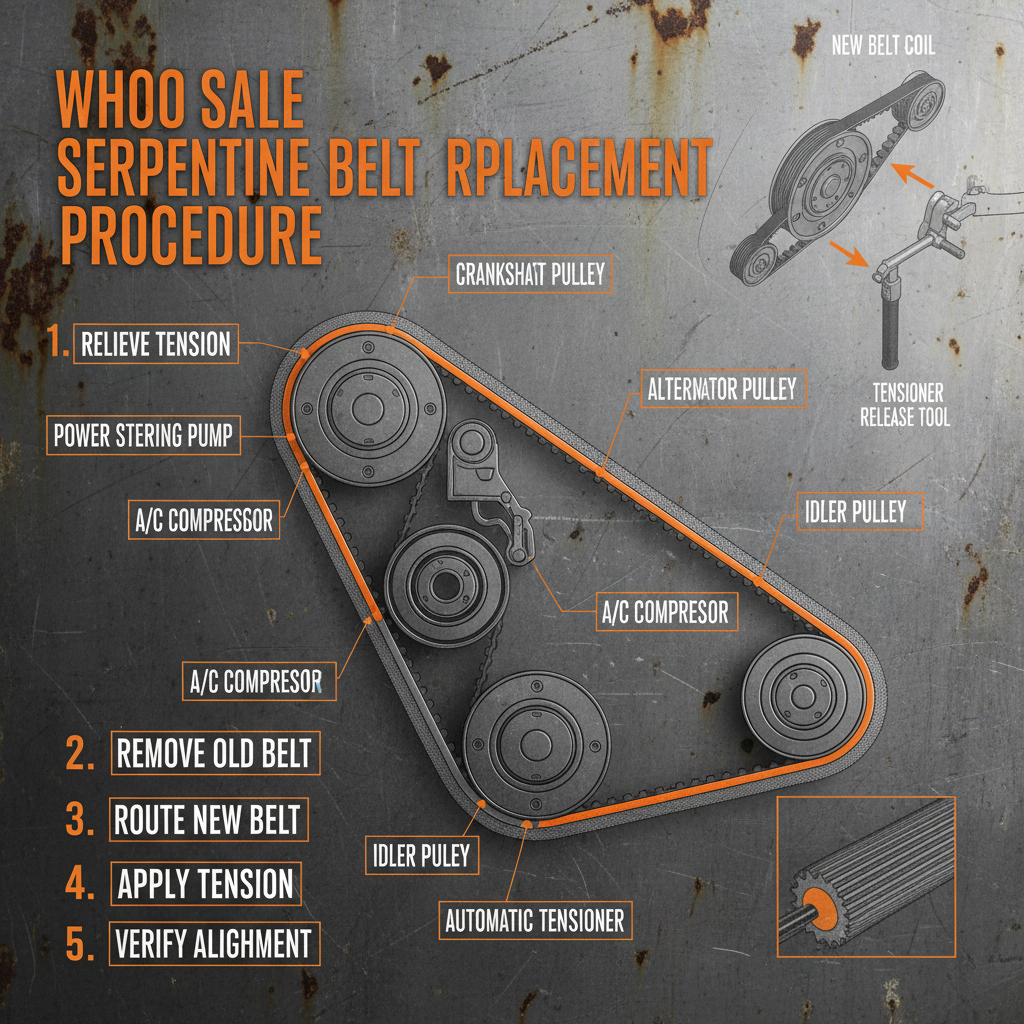
You'll find these belts everywhere. In the automotive industry, they’re used in accessory drives, powering everything from the alternator to the power steering pump. In manufacturing, they drive pumps, compressors, and conveyors. They’re vital for agricultural equipment like combines and tractors.
I recently worked on a project upgrading a wastewater treatment plant, and we replaced all the old V-belts with poly V belts. The difference was noticeable – fewer breakdowns, more consistent flow rates, and a significant reduction in maintenance costs. Even in smaller workshops, guys are realizing the benefits.
Poly V Belt Performance Comparison
Long-Term Value and Tangible Benefits
Look, at the end of the day, it’s about the bottom line. Wholesale poly v belts offer a lower total cost of ownership compared to traditional belts. Yes, the initial investment might be a bit higher, but the reduced maintenance, increased lifespan, and improved efficiency more than make up for it.
From a sustainability perspective, fewer belt replacements mean less waste. And a more efficient system means reduced energy consumption. It's a win-win. There's also a safety aspect - a reliable belt system minimizes the risk of unexpected failures, protecting workers and preventing accidents.
Future Trends and Innovation in Belt Technology
We’re seeing advancements in materials science, with belts being developed using even more durable and heat-resistant polymers. Smart belts, equipped with sensors to monitor tension and wear, are also on the horizon. These sensors can provide real-time data, allowing for predictive maintenance and preventing unexpected failures.
The integration of belt monitoring systems with overall plant management software is also a growing trend. This allows for a holistic view of machine performance and optimized maintenance schedules. And as industries move towards greater automation and robotics, the demand for reliable and precise power transmission systems will only increase.
Addressing Challenges and Optimizing Performance
One challenge is ensuring proper installation. Even the best belt will fail if it’s not installed correctly. Training and certification for technicians are crucial. Another issue is selecting the right belt for the specific application. There are different types of poly V belts designed for different loads and environments.
Regular inspections are key. Even with a durable belt, it’s important to check for wear and tear, proper tension, and alignment. Implementing a preventative maintenance program can significantly extend the belt's lifespan and prevent costly downtime. And don’t be afraid to consult with an expert – a good supplier can help you choose the right belt and provide technical support.
Ultimately, understanding the nuances of wholesale poly v belts – their strengths, weaknesses, and proper application – is vital for maximizing performance and minimizing costs.
Summary of Poly V Belt Performance Factors
| Performance Metric |
Low-Load Application |
High-Load Application |
Expected Lifespan (Months) |
| Durability |
Excellent |
Very Good |
36-60 |
| Efficiency |
95% |
92% |
36-60 |
| Maintenance Requirements |
Minimal |
Low |
36-60 |
| Noise Level |
Very Quiet |
Quiet |
36-60 |
| Cost per Unit |
$5 - $10 |
$10 - $15 |
36-60 |
| Overall Value |
High |
Excellent |
36-60 |
FAQS
Poly V belts offer several key advantages. Their multi-rib design provides a larger contact surface, resulting in greater power transmission efficiency and reduced slippage. They also tend to be more durable and require less maintenance than traditional V-belts, leading to lower total cost of ownership. I’ve seen significant reductions in downtime after switching over.
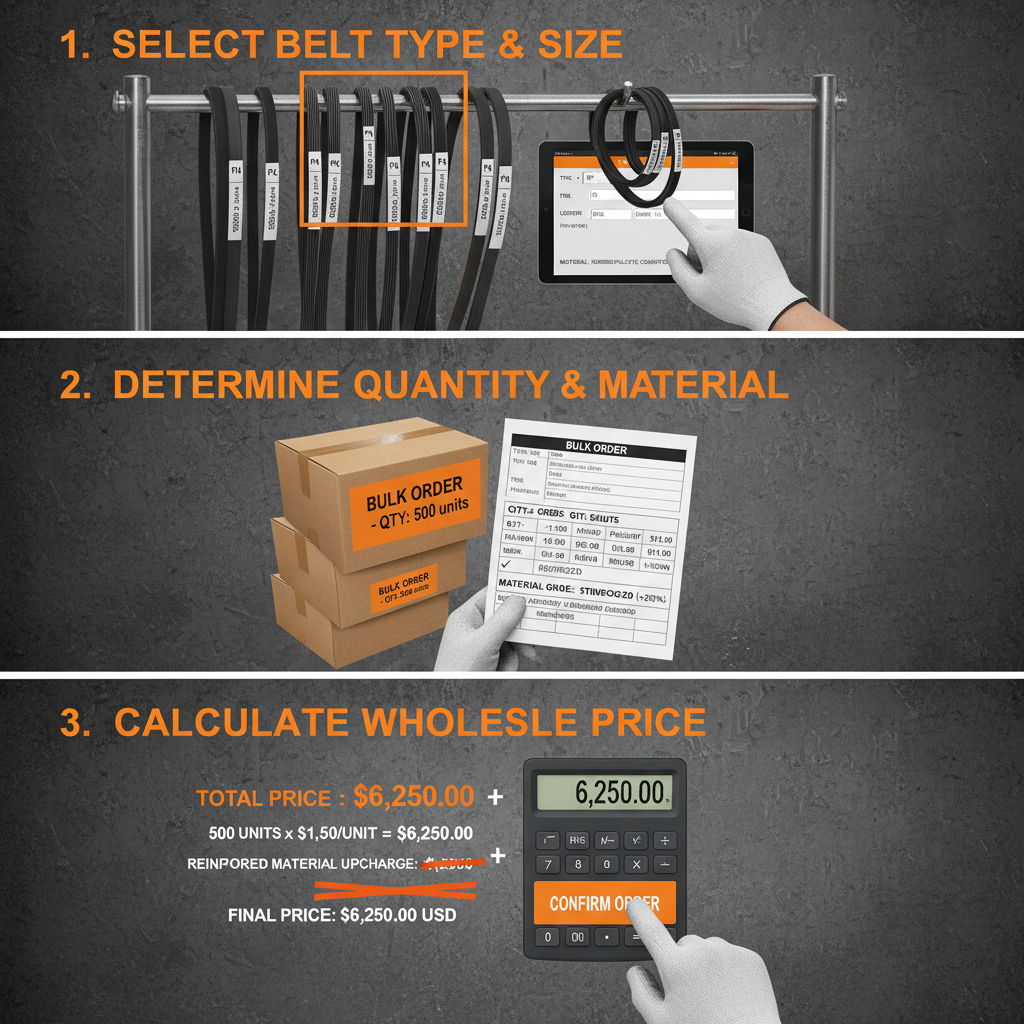
Determining the correct size requires considering several factors, including the pulley diameter, center distance, and power requirements. Consult with a qualified engineer or belt supplier. They can help you select the appropriate belt based on your specific needs. There are also online sizing tools available, but professional guidance is always recommended.
Poly V belts generally require minimal maintenance. Regular visual inspections are important to check for wear, cracks, or fraying. Ensure the pulleys are properly aligned and free of debris. Periodically check belt tension, but avoid overtightening, as this can damage the belt and bearings. A simple preventative maintenance schedule will go a long way.
Yes, many poly V belts are designed to withstand harsh environments. Look for belts specifically engineered for high temperatures or resistance to oil and chemicals. The material composition is crucial here. Different polymers offer varying levels of protection, so be sure to choose the right belt for the job.
The lifespan of a poly V belt varies depending on the application, operating conditions, and maintenance practices. However, they generally last significantly longer than traditional V-belts – often several years with proper care. Factors like load, temperature, and alignment all influence lifespan. Regular inspections are key to maximizing belt life.
Sourcing from a reputable supplier is crucial. Look for companies with a proven track record of quality and reliability. Hawkbelt offers a wide range of wholesale poly v belts and can provide technical support to help you select the right belt for your needs. Don’t just chase the lowest price; prioritize quality and performance.
Conclusion
In short, wholesale poly v belts are a game-changer for industries looking to improve efficiency, reduce downtime, and lower maintenance costs. Their superior performance, durability, and versatility make them a smart investment for a wide range of applications. They aren't just a component; they're a critical part of keeping operations running smoothly.
Don’t underestimate the power of a reliable power transmission system. Taking the time to select the right belts, implement a preventative maintenance program, and partner with a trusted supplier can yield significant long-term benefits. I’ve seen it firsthand, time and time again. For a consultation and to explore our range of high-quality wholesale poly v belts, visit our website today.