
Mobile Phone
+8615369985502
Call Us
+8615369985502
E-mail
mike@hawkbelt.com

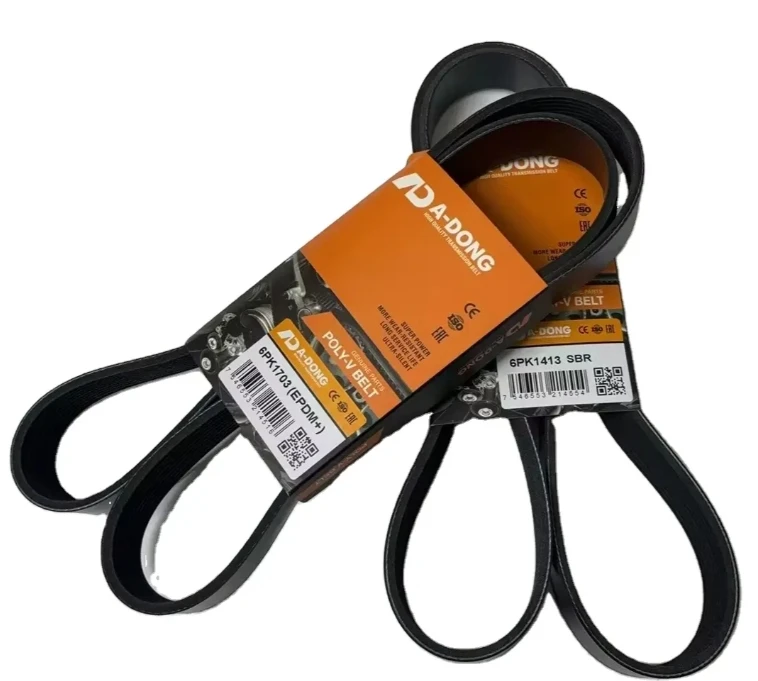
High-Performance pk belt Solutions for Zambia's Automotive Sector

Engineering durable rubber transmission systems designed to withstand the extreme terrain and climatic conditions of the Zambian landscape.

High-Performance pk belt Solutions for Zambia's Automotive Sector

We provide industrial-grade rubber components specifically engineered for high-torque and high-temperature environments in Africa, ensuring maximum uptime for Zambian transport and mining fleets.

Rubber Component Infrastructure in Zambia

Analyzing the challenges of belt durability in the Copperbelt and Lusaka regions.

In Zambia, the automotive and industrial sectors face unique challenges due to extreme temperature fluctuations and high dust levels, particularly in mining regions. This leads to accelerated wear and tear on every alternator belt used in heavy-duty vehicles, necessitating materials with superior heat resistance and anti-cracking properties.

The prevalence of diverse vehicle ages in the Zambian market means a high demand for versatile components. From legacy diesel engines requiring a traditional auto v belt to modern EFI engines, the market is shifting toward high-tensile synthetic rubber that can handle uneven road conditions without slipping.

Furthermore, the growth of urban mobility in Lusaka and Kitwe has spiked the demand for reliable motorcycle belt replacements. The local environment requires belts that offer a balance between flexibility and rigidity to maintain power transmission efficiency across varied terrains.

Evolution of Transmission Technology in Zambia

From basic rubber compounds to advanced EPDM polymer engineering.

Market Development History

Historically, the Zambian market relied on basic neoprene-based belts during the 1990s. These components often suffered from rapid oxidation under the African sun, leading to frequent failures in critical engine timings.

Between 2005 and 2015, there was a significant shift toward EPDM (Ethylene Propylene Diene Monomer) technology. This era saw the widespread adoption of the auto rubber timing belt, which provided significantly better resistance to ozone and heat, reducing maintenance intervals for commercial fleets.

In recent years, the integration of precision-cut poly-ribbed designs has revolutionized power transmission. The move toward multi-groove systems has allowed for higher power density and lower noise levels, meeting the standards of modern imported vehicles.

Future Development Trends

Smart Material Integration

The next 3-5 years will see the introduction of rubber compounds infused with nano-fillers to increase tensile strength and reduce stretch under heavy loads.

Eco-Friendly Polymers

Following global Google search trends for sustainable manufacturing, we expect a rise in biodegradable or recyclable rubber composites without compromising industrial durability.

Precision Digital Fitting

Digital mapping for belt sizing will replace manual measurements, ensuring a perfect fit for complex pulley systems in industrial mining equipment.

Industry Trends and Future Outlook

Strategic forecasts for the rubber parts manufacturing sector in Africa.

Heat-Resistant Polymers
Developing compounds specifically for Zambia's peak summer temperatures to prevent thermal degradation.
Mining Grade Durability
Enhanced abrasion resistance for belts used in ore transport and heavy machinery within the Copperbelt.
Low-Maintenance Design
Reducing the frequency of tensioning adjustments through high-stability rubber matrices.
Hybrid Vehicle Adaptation
Developing specialized belts for the increasing number of hybrid and electric vehicles entering the market.

Industry Outlook

The Zambian rubber parts market is moving toward a more professionalized supply chain. As vehicle technology evolves, the shift from generic replacements to OEM-spec precision belts will accelerate, driven by the need for fuel efficiency and reduced emissions.

We anticipate that local distributors will prioritize "long-life" certifications. This means the manufacturing process must focus on the molecular bonding of the rubber to the internal fabric cords to prevent delamination in high-humidity environments.

Localized Application Scenarios in Zambia

Real-world implementation of high-durability rubber belts across diverse sectors.

1. Copperbelt Mining Logistics

Heavy-duty trucks transporting copper ore require an ultra-reinforced pk belt to ensure the alternator and water pump function flawlessly under extreme loads and dusty conditions.

2. Urban Commuter Transit (Lusaka)

City buses and minibuses operating in stop-and-go traffic utilize high-flexibility auto v belt systems to handle frequent engine RPM changes and heat soak.

3. Agricultural Machinery in Southern Province

Tractors and harvesters rely on a precision auto rubber timing belt to maintain engine synchronization during grueling harvest seasons in remote fields.

4. Last-Mile Delivery Motorcycles

The booming courier industry in Zambia uses high-torque motorcycle belt replacements that resist wear from constant acceleration on unpaved roads.

5. Industrial Power Generators

Backup power systems for hospitals and offices in Zambia utilize heavy-duty belts to ensure consistent electricity generation without the risk of belt slip or breakage.

Brand Story

Global Development Journey of Xingtai Hawk Rubber & Plastic Products Co., Ltd.

Foundational Excellence

Started with a commitment to solving the basic failures of rubber elasticity, we focused on creating the most stable polymer base for industrial belts.

Technological Breakthrough

We pioneered the integration of high-tensile cords with EPDM rubber, drastically increasing the lifespan of timing belts for global markets.

Global Expansion

Expanding our reach into Africa, we adapted our formulas to suit the harsh climatic conditions of regions like Zambia, focusing on heat and ozone resistance.

Quality Standardization

Achieving international certifications, we ensured every belt produced meets rigorous tension and durability tests to prevent catastrophic engine failure.

Future Vision

Our mission is to eliminate downtime for every vehicle in Zambia by providing the world's most reliable rubber transmission solutions.

Complete Transmission Portfolio for Zambia

A comprehensive range of rubber components tailored for African automotive and industrial requirements.

Frequently Asked Questions in Zambia

Expert answers to common queries regarding rubber belt maintenance and selection.

How often should I replace an alternator belt in Zambia's climate?

Due to high temperatures and dust, we recommend inspecting your belt every 10,000km and replacing it every 60,000km to avoid unexpected failures.

What is the best auto v belt material for heavy-duty trucks?

EPDM (Ethylene Propylene Diene Monomer) is the gold standard for Zambian trucks as it resists heat-cracking and maintains tension under load.

Can a low-quality auto rubber timing belt cause engine damage?

Yes, a timing belt failure can cause the valves and pistons to collide, leading to complete engine failure. Always use certified, high-tensile rubber belts.

Why do motorcycle belts wear out faster on unpaved roads?

Fine dust and sand act as abrasives between the belt and pulley, grinding down the rubber. Regular cleaning and high-grade rubber compounds mitigate this.

What are the signs that a pk belt needs immediate replacement?

Look for visible cracks (glazing), audible squealing during startup, or fraying at the edges of the ribs.

Does belt tensioning differ for vehicles operating in high-heat areas?

Yes, heat causes rubber to expand. Using belts with low-stretch coefficients ensures consistent tension regardless of the ambient temperature in Zambia.

Get Expert Rubber Solution Advice

Ready to upgrade your fleet's reliability? Our engineers are available to provide custom specifications for the Zambian market in Zambia.

Contact Us Now

If you are interested in our products, you can choose to leave your information here, and we will be in touch with you shortly.