Mobile Phone
+8615369985502
Call Us
+8615369985502
E-mail
mike@hawkbelt.com

High-Performance pk belt Solutions for Venezuela's Automotive Sector

Engineering durable rubber transmission components to withstand the extreme tropical humidity and demanding terrain of the Venezuelan transport network.

High-Performance pk belt Solutions for Venezuela's Automotive Sector

Providing industrial-grade rubber parts optimized for the Venezuelan climate, ensuring maximum power transmission efficiency for commercial and private vehicles.

The Rubber Parts Landscape in Venezuela

Analyzing the survival and demand of automotive rubber components in a challenging economic environment.

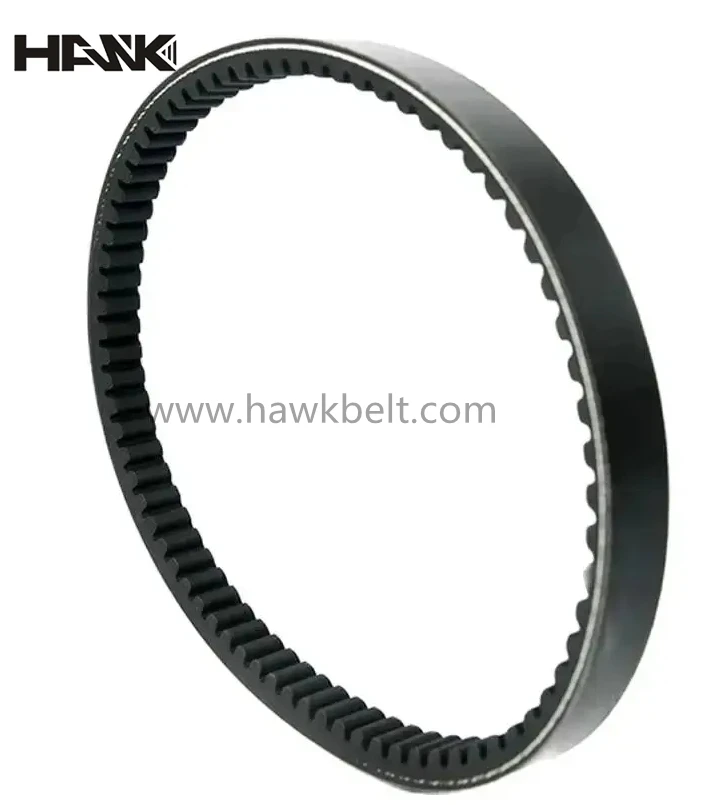
In Venezuela, the automotive aftermarket is heavily driven by the need for durability due to extreme tropical heat and high humidity. This environment accelerates the degradation of standard rubber, making the demand for a high-quality auto v belt critical for maintaining vehicle uptime in cities like Caracas and Maracaibo.

Economic fluctuations have shifted the market toward "maintenance over replacement." Vehicle owners prioritize long-lasting components, such as a reinforced alternator belt, to avoid costly engine failures in remote regions where spare parts logistics are often interrupted.

The prevalence of two-wheeled transport for urban delivery has led to a surge in the demand for a specialized motorcycle belt, requiring materials that can handle frequent stop-and-go cycles and high thermal stress without slipping.
Evolution of Rubber Transmission Technology

From traditional organic rubber to advanced synthetic polymers for the South American market.

Market Development History

In the early 2000s, the Venezuelan market relied on basic vulcanized rubber belts. These components suffered from rapid oxidation and cracking under the intense UV radiation of the region, leading to frequent replacements every 12-18 months.

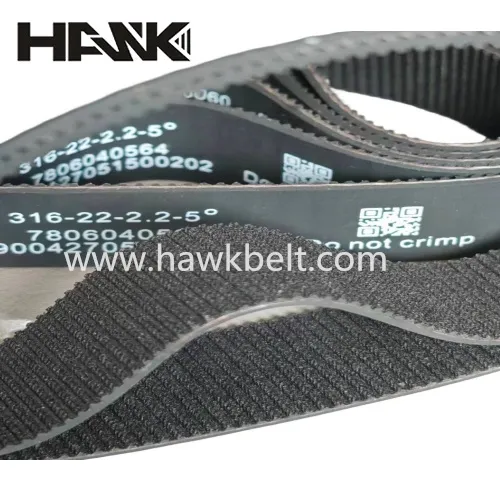
By 2010-2015, the transition to EPDM (Ethylene Propylene Diene Monomer) began. This shift allowed the auto rubber timing belt to offer significantly better heat resistance and crack prevention, extending the service life to over 60,000 kilometers.

Since 2020, the focus has shifted toward high-precision ribbing and multi-layer cord reinforcement, enabling belts to maintain tension across wider temperature fluctuations common in the Andes mountains and coastal plains.

Future Development Trends

Nano-Composite Materials

Integration of carbon nanotubes into rubber matrices to increase tensile strength and reduce friction-induced heat.

Smart Wear Indicators

Development of belts with visual wear-markers, allowing Venezuelan technicians to predict failure before it occurs.

Eco-Sustainable Polymers

Moving toward biodegradable yet durable synthetic blends to reduce the environmental footprint of rubber waste in urban centers.

Industry Trends and Future Outlook

Projecting the trajectory of rubber part manufacturing for the next 5 years.

Thermal Resistance Optimization
Adapting polymers to resist the 40°C+ temperatures of the Venezuelan coast.
Precision Rib Engineering
Reducing noise and vibration (NVH) for modern vehicle engines in urban traffic.
Hybrid-Compatible Rubber
Developing belts for the emerging hybrid vehicle market in major Venezuelan cities.
Logistics Resilience
Optimizing packaging to prevent rubber deformation during long-haul transit.

Industry Outlook

Based on Google Search trends for automotive maintenance in South America, there is a growing shift toward "premium durability" over "lowest cost." In Venezuela, this manifests as a preference for international standards (ISO/TS) to ensure safety on unstable roads.

Over the next 3-5 years, the rubber parts industry will likely integrate more IoT-enabled monitoring and synthetic elastomers that can withstand higher chemical exposure from varying fuel qualities found in the local market.

Localized Application Scenarios in Venezuela

Real-world deployment of high-durability rubber parts across diverse Venezuelan environments.

01. Urban Logistics in Caracas

High-frequency delivery motorcycles using a reinforced motorcycle belt to navigate the steep hills and stop-and-go traffic of the capital city.

02. Heavy-Duty Transport in the Llanos

Agricultural trucks operating in the plains requiring an heavy-duty auto v belt to power cooling systems amidst extreme dust and heat.

03. Commercial Fleet Maintenance in Valencia

Industrial fleets implementing a strict replacement cycle for pk belt components to prevent downtime in the industrial hub.

04. Remote Mining Operations in Bolívar

Off-road vehicles using high-tensile auto rubber timing belt versions to ensure engine synchronization in rugged, isolated terrains.

05. Public Transport (Bus) Networks

Urban bus systems utilizing high-capacity alternator belt systems to support high-wattage electrical loads for air conditioning.

Brand Story

Global Development History of Xingtai Hawk Rubber and Plastic Products Co., Ltd.

Foundational Engineering

Established with a focus on high-precision rubber molding, solving the basic problem of belt slippage in early industrial applications.

Material Innovation

Pioneered the use of advanced EPDM blends, drastically increasing the lifespan of rubber parts in extreme temperature zones.

Global Expansion

Expanded distribution networks to South America, tailoring product specifications to match regional climate data.

Quality Standardization

Achieved international quality certifications, ensuring every belt meets the rigorous demands of global OEM standards.

Sustainable Future

Currently investing in green manufacturing to create the next generation of eco-friendly, high-performance rubber components.

Venezuela Automotive Rubber Parts FAQ

Expert answers to the most common technical queries regarding belt maintenance in the region.

How does tropical humidity affect the lifespan of an alternator belt in Venezuela?

High humidity can lead to premature rubber swelling and oxidation. Our belts use a specialized EPDM compound that repels moisture and resists ozone cracking, significantly extending service life.

What are the signs that an auto v belt needs immediate replacement?

Key signs include visible glazing (shiny spots), audible squealing during startup, and small cracks across the ribs, which are common in high-heat regions.

Is a specialized motorcycle belt necessary for urban delivery in Caracas?

Yes, delivery bikes face extreme thermal cycles. A reinforced belt prevents slippage during high-torque acceleration on steep inclines.

Why choose a pk belt over traditional v-belts for modern engines?

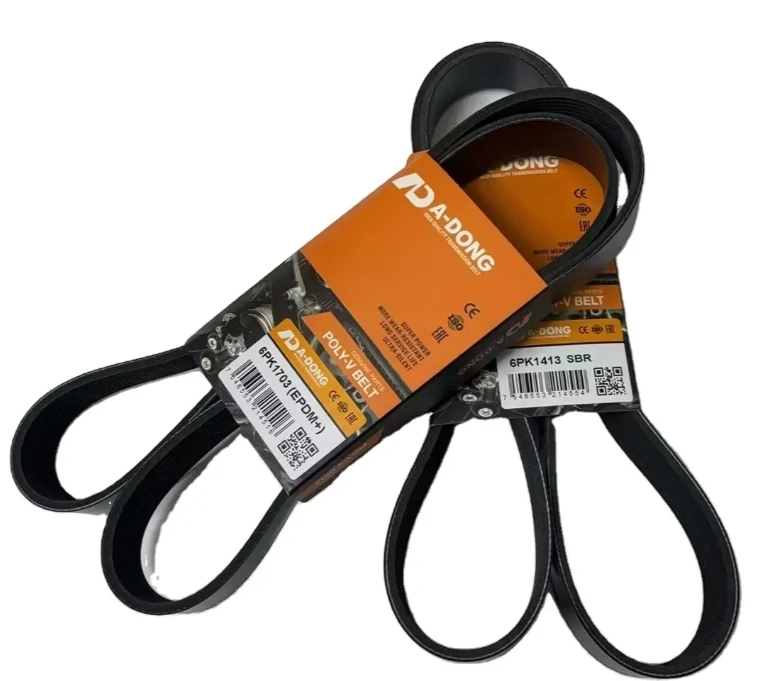
PK belts (poly-ribbed) offer a larger contact area, allowing for higher power transmission in a more compact space, reducing the risk of slipping under heavy load.

How often should an auto rubber timing belt be inspected in South American climates?

Due to extreme heat, we recommend a visual inspection every 15,000 km and a full replacement every 60,000 to 80,000 km to avoid catastrophic engine failure.

Can I use a generic belt for my vehicle's alternator system?

Generic belts often lack the specific heat-stabilizers required for the Venezuelan climate, leading to rapid stretching and loss of tension.

Get a Professional Rubber Parts Consultation

Contact our engineering team to find the perfect belt specification for your fleet or distribution network in Venezuela.

Contact Us Now

If you are interested in our products, you can choose to leave your information here, and we will be in touch with you shortly.