Mobile Phone
+8615369985502
Call Us
+8615369985502
E-mail
mike@hawkbelt.com

High-Performance pk belt Solutions for Uruguay's Automotive Market

Engineering precision rubber drive components to withstand the diverse climatic demands of the Uruguayan transport sector.

High-Performance pk belt Solutions for Uruguay's Automotive Market

Providing industrial-grade rubber power transmission solutions tailored for the unique operational environments of South American vehicles.

Automotive Rubber Component Landscape in Uruguay

Analyzing the interaction between environmental factors and belt durability.

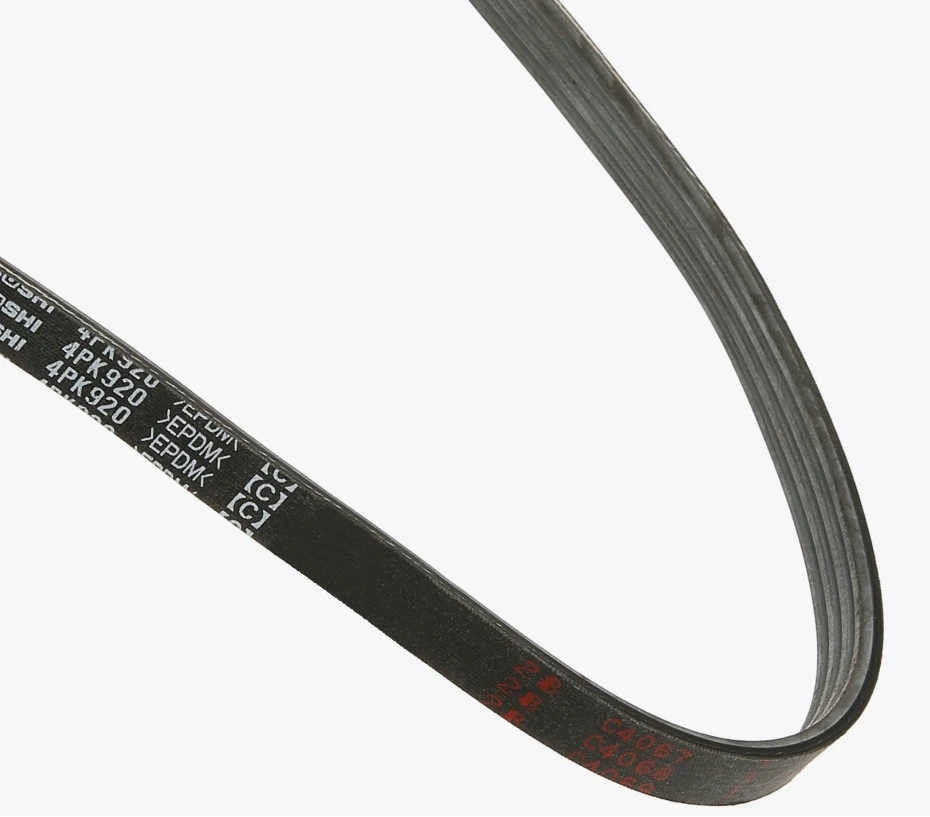
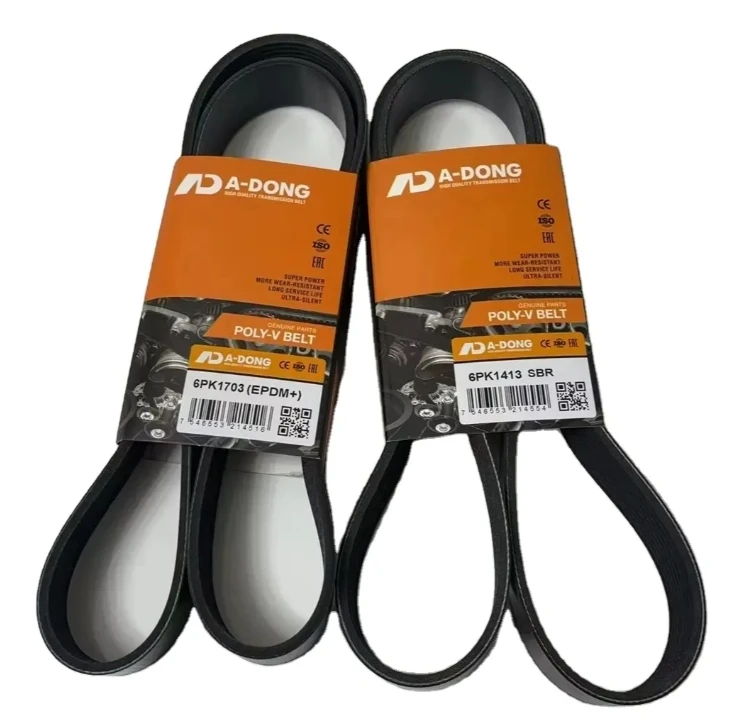
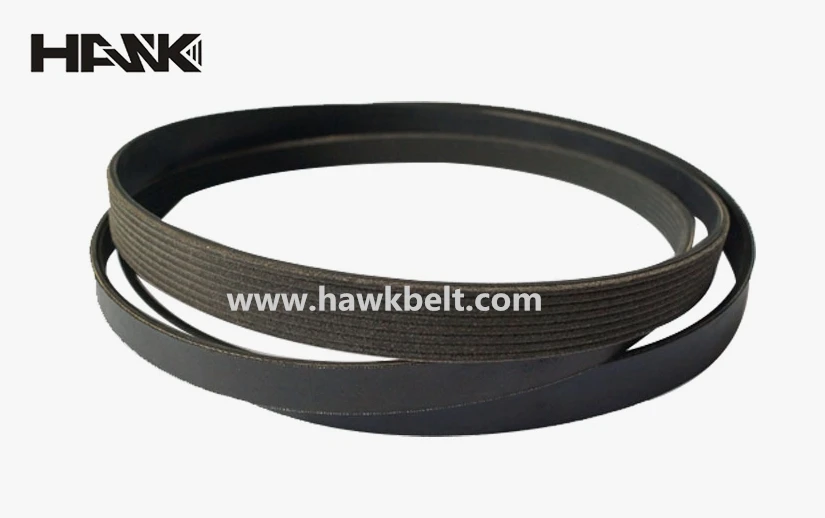
Uruguay's automotive market is characterized by a mix of urban transit in Montevideo and heavy-duty agricultural transport in the interior. The humid subtropical climate accelerates the degradation of standard rubber, making the demand for a high-quality alternator belt critical for maintaining vehicle electrical systems during seasonal humidity spikes.

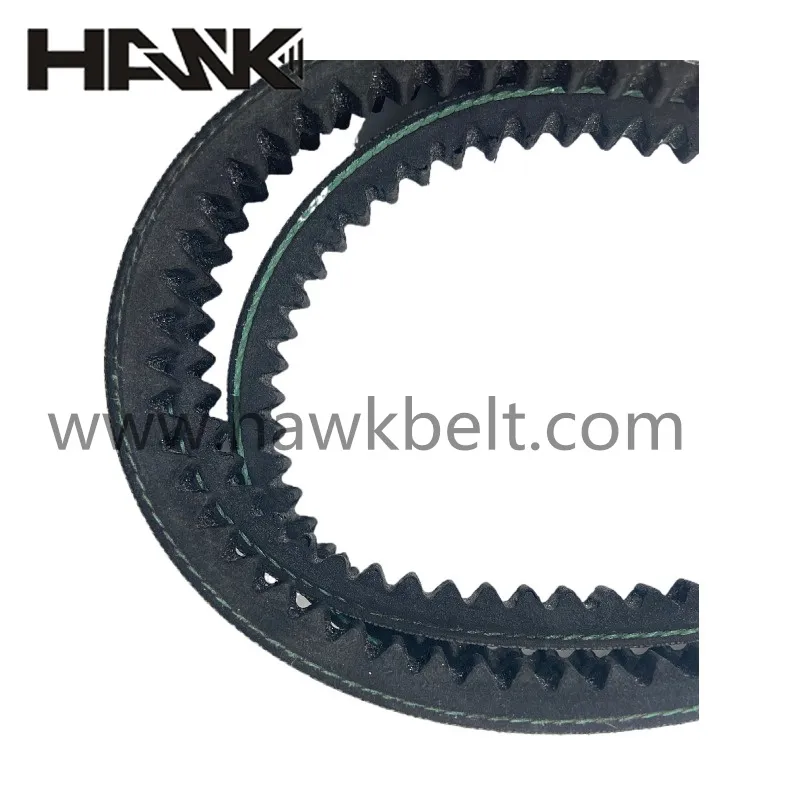
Local workshops frequently encounter premature wear in drive belts due to the dust and particulate matter found in rural farming regions. This environmental stress necessitates an auto v belt that offers superior abrasion resistance and heat dissipation to prevent slippage and power loss.

Furthermore, the rise of motorcycle culture as a primary commuting tool in Uruguayan cities has shifted the market focus toward specialized components. The reliability of a motorcycle belt is now a priority for local distributors seeking to reduce maintenance frequency for urban riders.
Evolution of Power Transmission in Uruguay

From basic rubber strips to precision-engineered synthetic polymers.

Market Development History

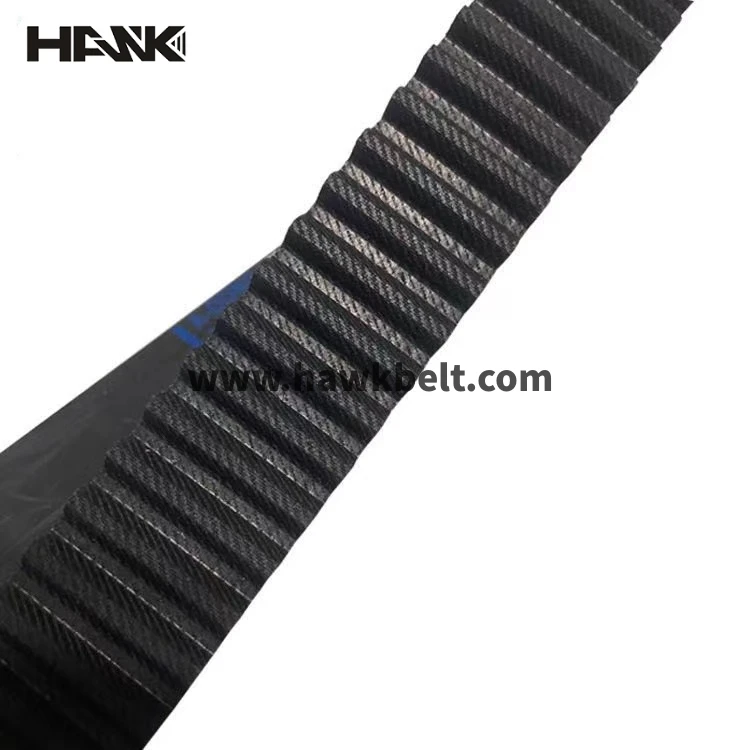
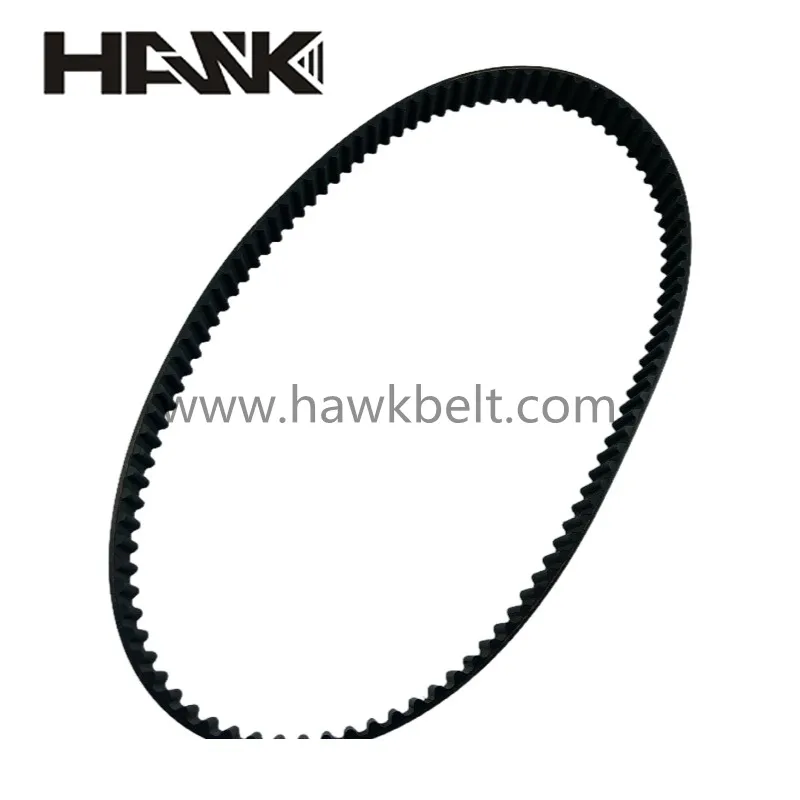
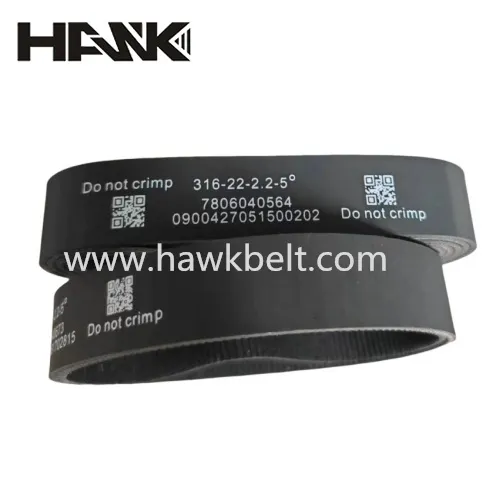
In the 1990s, the Uruguayan market relied heavily on general-purpose rubber belts with limited temperature resistance. During this era, the standard auto rubber timing belt was often a point of failure, leading to frequent engine synchronization issues in older European and Asian vehicle imports.

By the mid-2010s, the transition toward EPDM (Ethylene Propylene Diene Monomer) materials began. This technical shift allowed belts to withstand the higher operating temperatures of modern, compact engines, significantly extending the service life of drive systems across the region.

Currently, the market has entered the era of "precision fitting," where customized profiles and high-tensile cords are used to minimize energy loss, reflecting a broader global trend toward fuel efficiency and reduced emissions in South American logistics.

Future Development Trends

Eco-Polymer Integration

The shift toward biodegradable or recycled rubber compounds to align with Uruguay's strong national commitment to green energy and environmental sustainability.

Smart Wear Monitoring

Integration of embedded sensors or visual wear indicators that allow Uruguayan fleet managers to predict belt failure before it occurs.

Hyper-Efficiency Profiles

Development of next-generation rib patterns to further reduce friction and noise, specifically for the growing electric vehicle (EV) auxiliary systems.

Industry Trends and Strategic Outlook

Forecasting the trajectory of rubber part manufacturing for the Southern Cone.

Thermal Resilience
Engineering materials to resist the thermal cycling common in Uruguay's fluctuating seasonal temperatures.
Agricultural Optimization
Developing heavy-duty belts specifically for the tractors and machinery used in Uruguay's livestock and crop sectors.
Low-Noise Engineering
Implementing advanced rib geometry to reduce acoustic pollution in densely populated urban areas like Montevideo.
Custom Fit Logistics
Reducing lead times for custom rubber components through localized distribution hubs in South America.

Industry Outlook

Based on regional search trends and import data, we anticipate a 15% increase in the demand for high-durability synthetic belts over the next three years. This growth is driven by the modernization of the Uruguayan vehicle fleet and a shift toward longer service intervals.

The industry is moving away from generic replacement parts toward "precision matching," where the chemical composition of the rubber is optimized for the specific atmospheric salinity and humidity levels of coastal Uruguayan cities.

Localized Application Scenarios in Uruguay

Real-world implementations of our rubber parts in the Uruguayan market.

1. Montevideo Urban Transit Logistics

Utilizing high-cycle pk belt systems for city delivery vans that face constant stop-and-go traffic, ensuring electrical stability despite high engine idling times.

2. Interior Agricultural Machinery

Deploying reinforced auto v belt components for tractors operating in the dusty plains of Artigas, focusing on maximum grit resistance.

3. Coastal Tourism Transport

Implementing salt-spray resistant rubber compounds for shuttle buses in Punta del Este to prevent corrosion-induced belt degradation from ocean air.

4. Last-Mile Motorcycle Delivery

Providing high-torque motorcycle belt solutions for the rapid growth of delivery apps in urban centers, maximizing lifespan under heavy load.

5. Heavy-Duty Freight Logistics

Installing precision auto rubber timing belt systems for long-haul trucks crossing the border between Uruguay and Brazil to ensure engine timing reliability.

Brand Story

Global Development Process of Xingtai Hawk Rubber Plastic Products Co., Ltd.

Foundational Excellence

Established with a focus on raw material purity, we began by solving the problem of rubber elasticity loss in extreme climates.

Technical Diversification

We expanded our production lines to include complex rib designs and multi-layer cord reinforcement for the global automotive sector.

Global Quality Certification

Achieving international standards allowed us to penetrate the strict South American markets, ensuring every belt meets OEM specifications.

Market-Specific Innovation

We developed localized product lines that address the specific humidity and temperature challenges of regions like Uruguay.

Sustainable Future Vision

Currently leading the transition to eco-friendly rubber manufacturing without compromising on industrial strength or durability.

Uruguay Automotive Rubber Component FAQ

Expert answers to common technical queries from the local market.

How does the Uruguayan humidity affect alternator belt lifespan?

High humidity can lead to oxidation and rubber softening. Our belts use an EPDM compound that resists moisture absorption, preventing premature cracking and slippage.

Which auto v belt is best for agricultural machinery in rural Uruguay?

For rural use, we recommend heavy-duty reinforced V-belts with an anti-abrasion coating to protect against the high dust levels found in Uruguayan farming zones.

What are the signs that a motorcycle belt needs replacement in urban Montevideo?

Look for glazing on the sides or audible squealing during acceleration. In urban environments, frequent stop-starts can cause heat buildup and surface wear.

Is an auto rubber timing belt interval different for South American climates?

Yes, extreme thermal cycling can accelerate rubber aging. We suggest a 10% earlier inspection interval for vehicles operating in coastal or high-heat regions of Uruguay.

Why choose a PK belt over a traditional V-belt for modern Uruguayan cars?

PK belts offer a larger surface area for grip and better efficiency, allowing one belt to drive multiple accessories, which is standard for modern fuel-efficient engines.

Do you offer customized rubber parts for specific Uruguayan fleet requirements?

Yes, we provide custom profiling and material specification to ensure your fleet's belts are optimized for the specific load and environment of your operations.

Partner With Rubber Experts

Ready to optimize your vehicle performance in Uruguay? Get in touch for industrial-grade rubber solutions.

Contact Us Now

If you are interested in our products, you can choose to leave your information here, and we will be in touch with you shortly.