Mobile Phone
+8615369985502
Call Us
+8615369985502
E-mail
mike@hawkbelt.com

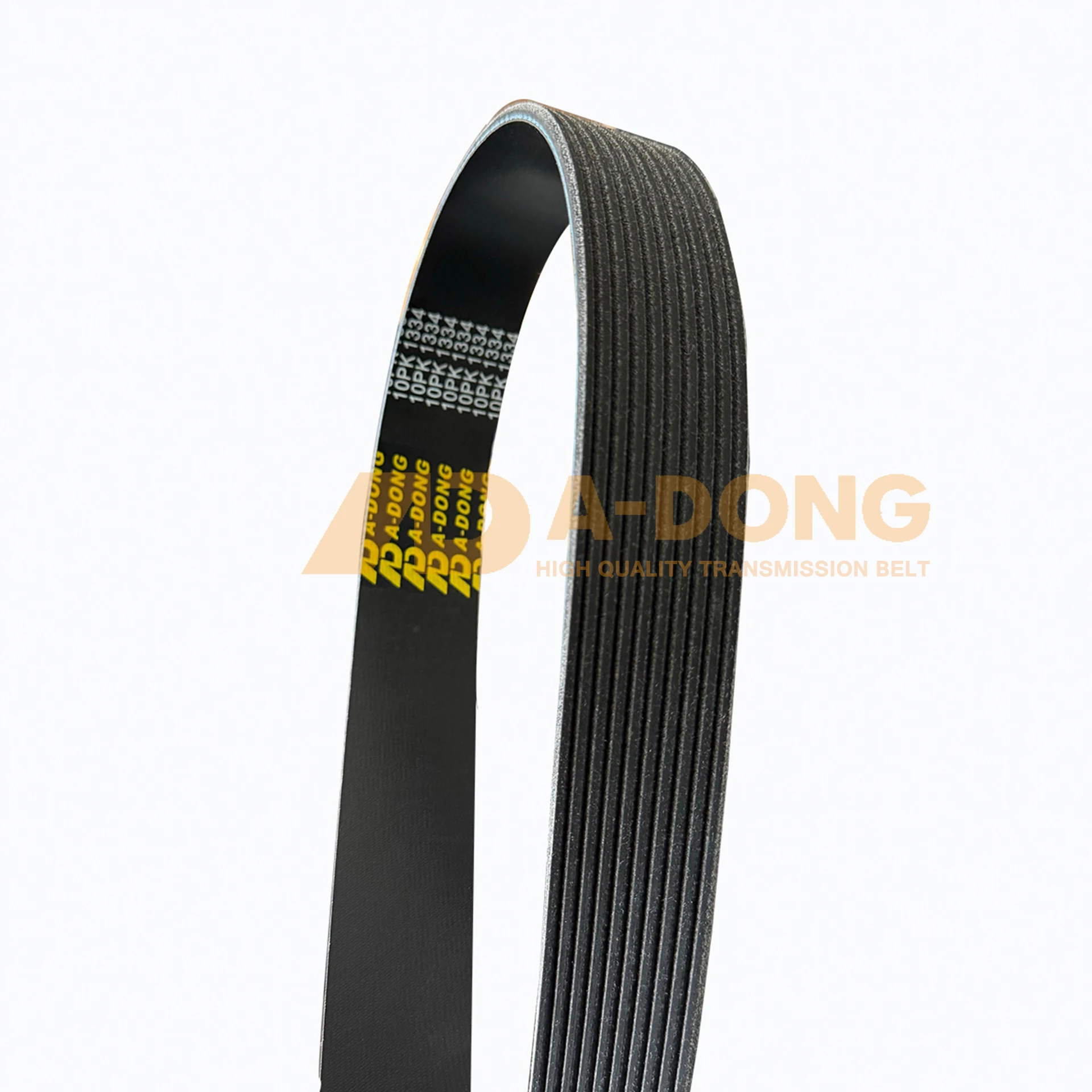
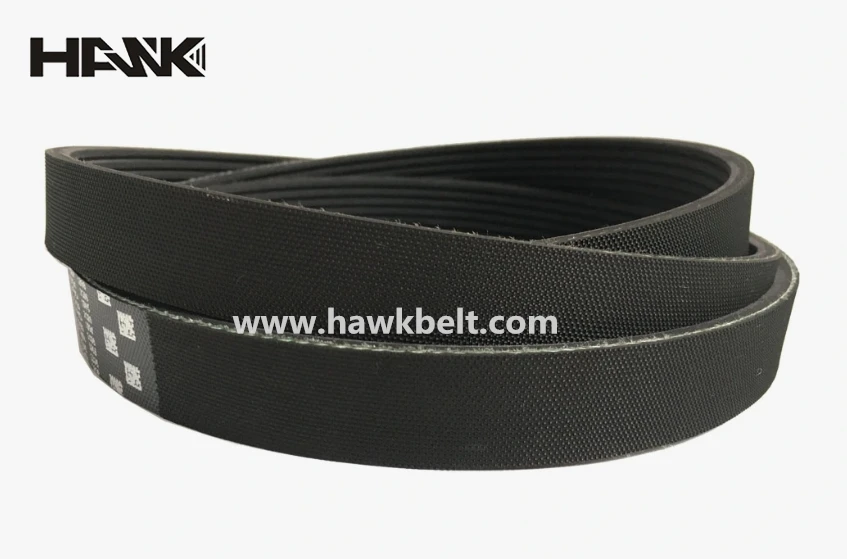
High-Performance pk belt Solutions for Uganda's Automotive Sector

Engineered for extreme durability to withstand the tropical climate and rugged terrains of East Africa.

High-Performance pk belt Solutions for Uganda's Automotive Sector

Providing Uganda's transportation and industrial sectors with precision-engineered rubber components that eliminate slippage and maximize engine efficiency under heavy-duty conditions.

The State of Rubber Parts Manufacturing in Uganda

Analyzing the challenges of rubber component longevity in the Pearl of Africa.

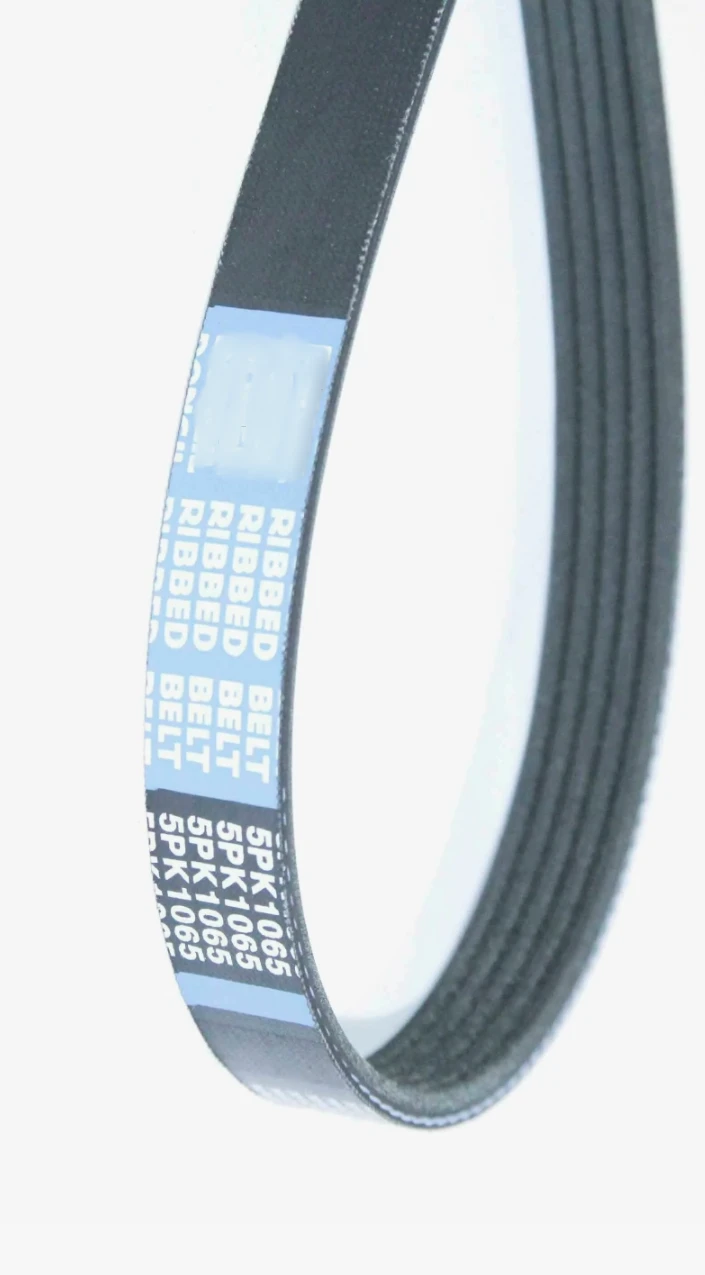
Uganda's automotive market is characterized by a diverse fleet of vehicles operating in high-humidity environments and fluctuating temperatures. This puts immense pressure on the alternator belt, which often suffers from premature cracking and elasticity loss due to the intense equatorial sun and dusty road conditions common in Kampala and rural districts.

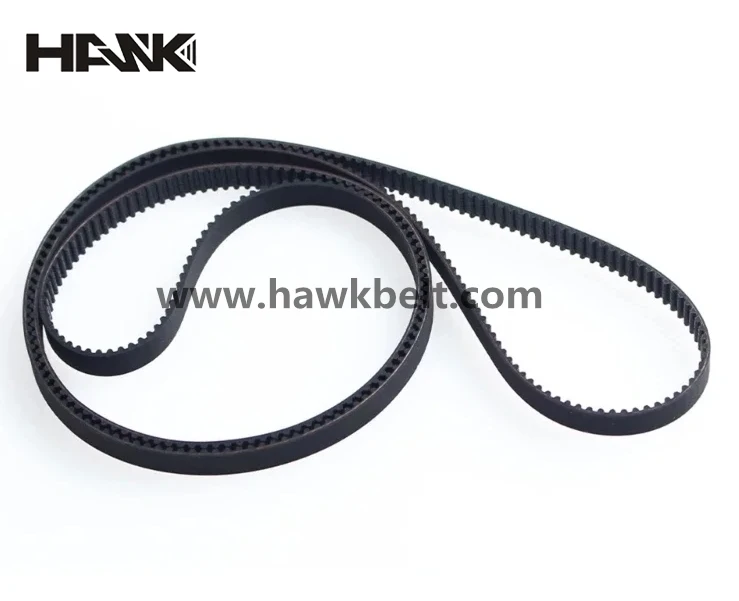
The reliance on imported second-hand vehicles has created a massive demand for compatible, high-quality auto v belt options. Local workshops struggle with low-grade replacements that fail under the heavy load of commercial transport, leading to frequent downtime for "matatus" and logistics trucks moving goods toward the Kenyan border.

Furthermore, the rapid growth of motorcycle taxis (Boda Bodas) has surged the requirement for durable motorcycle belt components. The constant stop-and-go traffic and overloaded payloads necessitate rubber compounds that can resist high heat generation and abrasive wear.
Evolution of Belt Technology in the Ugandan Market

From basic rubber strips to high-precision synthetic polymers.

Market Development History

In the early 2000s, the Ugandan market relied primarily on basic organic rubber belts which had poor thermal stability and stretched quickly under load, requiring frequent manual tensioning.

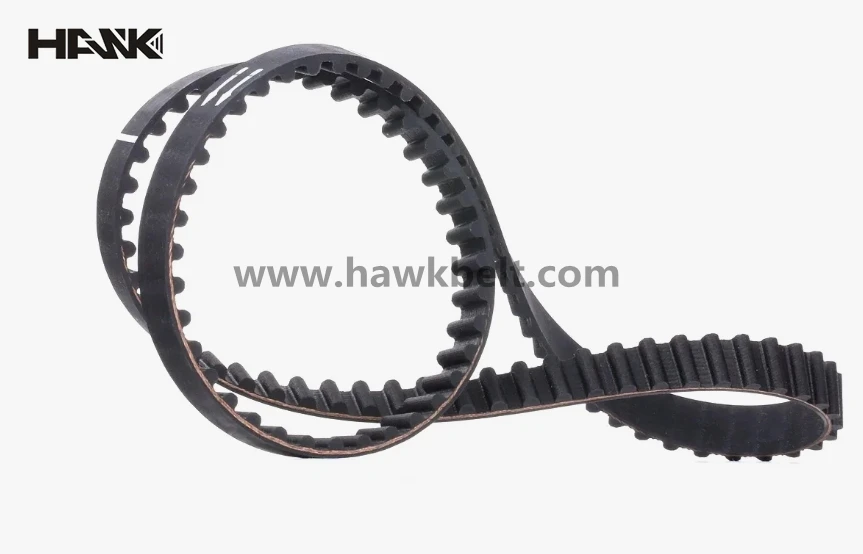
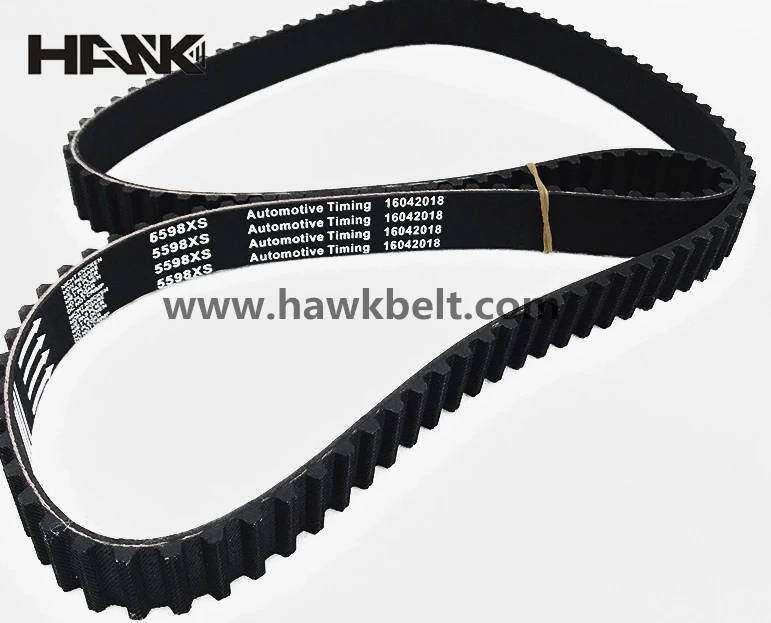
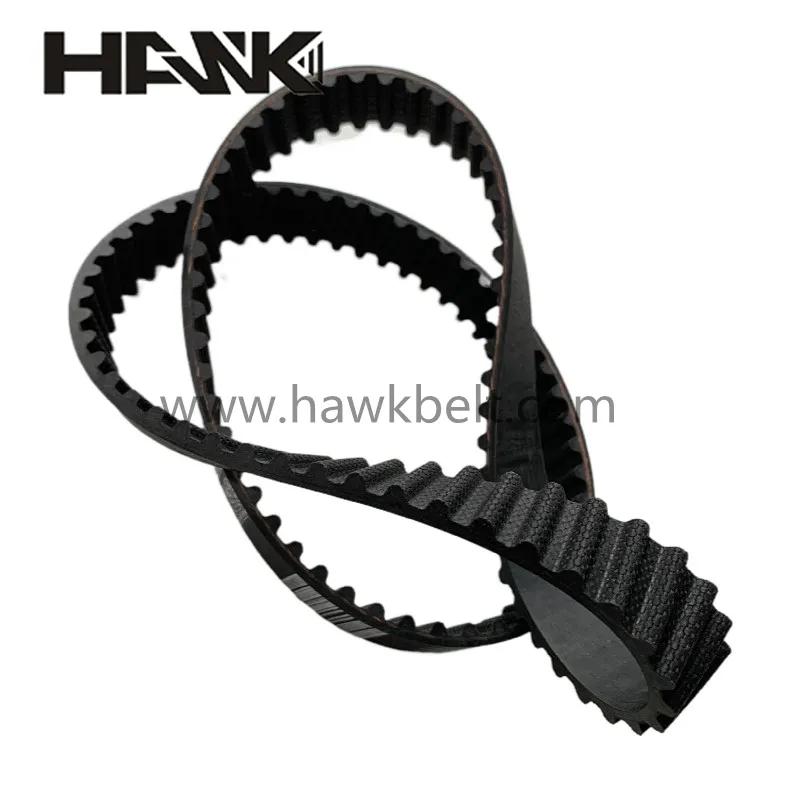
By 2010, there was a shift toward EPDM (Ethylene Propylene Diene Monomer) materials. This transition allowed the auto rubber timing belt to offer significantly better resistance to heat and ozone, reducing catastrophic engine failure rates in local workshops.

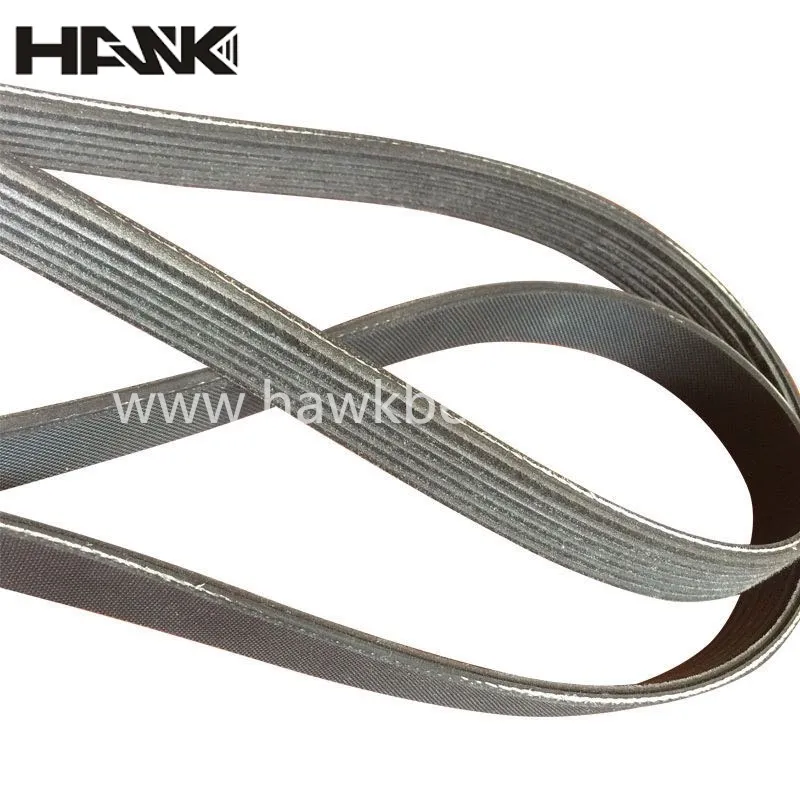
From 2018 to the present, the adoption of multi-ribbed designs and reinforced tensile cords has become the standard, catering to the newer, more complex European and Asian vehicle imports entering the East African community.

Future Development Trends

Heat-Resistant Polymer Integration

Future belts will integrate advanced nano-silica fillers to combat the extreme humidity of Uganda's lake regions, preventing rubber hydrolysis.

Eco-Friendly Manufacturing

A shift toward biodegradable or recyclable rubber compounds is expected as Uganda strengthens its environmental regulations for the manufacturing sector.

Precision Fit Digitization

The integration of QR-coded compatibility tracking will help Ugandan distributors match the exact belt profile to specific engine models more accurately.

Industry Trends and Future Outlook

Driving the future of power transmission in East Africa.

EPDM Material Supremacy
Transitioning fully to EPDM to ensure belts survive Uganda's peak summer temperatures without cracking.
High-Tensile Core Reinforcement
Utilizing polyester and aramid cords to prevent stretching in heavy-duty commercial trucks.
Anti-Squeal Geometry
Optimizing rib profiles to eliminate noise during cold starts in the Ugandan highlands.
Supply Chain Localization
Reducing lead times by establishing strategic hubs for quick distribution across Uganda.

Industry Outlook

Based on current search trends for "heavy-duty auto parts in East Africa," there is a clear pivot toward premium, long-life components. Ugandan fleet managers are moving away from the "cheap replacement" cycle toward high-E-E-A-T certified rubber products that lower the total cost of ownership.

We expect the demand for precision pk belt variants to grow by 15% annually as newer vehicle models with complex accessory drive systems become more prevalent in the Kampala urban area.

Localized Application Scenarios in Uganda

Real-world performance in the challenging Ugandan environment.

01. Kampala Urban Commuter Matatus

High-frequency stop-and-go traffic causes extreme heat buildup in the engine bay. Our belts provide the thermal stability needed to prevent glazing and slippage during peak rush hour.

02. Rural Agricultural Transport Trucks

Hauling coffee and maize over unpaved roads exposes belts to heavy dust and debris. Our reinforced rubber casing prevents premature wear caused by abrasive particles.

03. Boda Boda Delivery Fleets

Constant overloading puts immense strain on the drivetrain. Specialized belts ensure optimal power transfer and longevity for the motorcycle industry.

04. Long-Haul Logistics (Kampala to Mombasa)

Sustained high-speed driving across diverse altitudes requires belts that maintain tension without stretching, ensuring the alternator remains efficient over long distances.

05. Industrial Water Pump Systems

In Uganda's agricultural irrigation projects, our industrial-grade rubber belts drive water pumps reliably, resisting moisture and rot in swampy conditions.

Brand Story

Global Development Journey of Xingtai Hawk Rubber and Plastic Products Co., Ltd.

Foundational Excellence

Starting as a specialized rubber factory, we focused on solving the core problem of premature belt failure through advanced vulcanization techniques.

Technical Innovation

We pioneered the integration of high-strength synthetic fibers into rubber compounds, setting new standards for tension stability.

Global Expansion

Expanding into the African market, we adapted our formulas to survive the extreme climates of regions like Uganda and Kenya.

Quality Certification

Achieving international quality benchmarks to ensure every belt produced meets rigorous safety and performance audits.

Sustainable Future

Today, we combine industrial power with ecological responsibility, creating rubber solutions that drive the world forward efficiently.

Frequently Asked Questions in Uganda

Expert answers to common rubber belt concerns in East Africa.

Why does my alternator belt squeal during the rainy season in Kampala?

Squealing is often caused by moisture reducing friction between the belt and the pulley. Our belts feature specialized compounds that maintain grip even in high-humidity conditions common in Uganda.

How often should I replace an auto rubber timing belt in a tropical climate?

Due to high ambient temperatures which accelerate rubber degradation, we recommend inspection every 40,000km and replacement every 80,000km for vehicles operating in Uganda.

Can a standard auto v belt handle the load of a modified commercial truck?

Standard belts may stretch under excessive loads. We provide reinforced V-belts with high-tensile cords specifically designed for heavy-duty logistics vehicles used in East Africa.

What is the best motorcycle belt for Boda Boda operations?

The best belt for Boda Bodas is one made from heat-resistant EPDM that can withstand constant acceleration and deceleration in urban traffic without glazing.

How do I identify a genuine high-quality pk belt?

Genuine belts have a consistent rib profile, no visible surface cracks upon arrival, and are made from materials that do not feel "waxy" or overly soft to the touch.

Do you offer custom rubber parts for Ugandan industrial machinery?

Yes, we specialize in custom rubber manufacturing to provide exact specifications for agricultural and industrial power transmission systems across Uganda.

Get Expert Rubber Solutions Today

Contact our engineering team to optimize your vehicle or industrial fleet performance in Uganda.

Contact Us Now

If you are interested in our products, you can choose to leave your information here, and we will be in touch with you shortly.