Mobile Phone
+8615369985502
Call Us
+8615369985502
E-mail
mike@hawkbelt.com

High-Performance pk belt Solutions for the Polish Automotive Market

Engineering precision rubber components designed to withstand Central European climates and rigorous industrial standards for maximum drivetrain efficiency.

High-Performance pk belt Solutions for the Polish Automotive Market

Providing Poland's automotive and industrial sectors with world-class rubber transmission components, ensuring reliability from the Baltic coast to the Tatra mountains.

The Rubber Components Landscape in Poland

Analyzing the impact of climate and industrial demand on automotive belt performance.

Poland's automotive sector faces unique challenges due to its continental climate, characterized by severe winters and hot summers. This thermal fluctuation puts immense stress on the auto rubber timing belt, necessitating materials that maintain flexibility at -20°C while resisting heat degradation during peak summer operation.

As a major logistics hub in Europe, the demand for heavy-duty auto v belt systems has surged. Polish transport fleets require belts with high tensile strength and low elongation to minimize maintenance intervals and reduce downtime in critical supply chains.

Furthermore, the growing urban mobility trend in cities like Warsaw and Kraków has led to a spike in demand for high-quality motorcycle belt replacements that can handle the stop-and-go nature of metropolitan traffic without premature wear.
Evolution of Power Transmission in Poland

From basic rubber cords to advanced EPDM synthetic polymers.

Market Development History

In the 1990s, the Polish market relied heavily on standard neoprene-based belts. However, these often suffered from rapid cracking under the regional ozone levels and temperature swings, leading to frequent failures of the alternator belt in passenger vehicles.

By the mid-2000s, the transition to EPDM (Ethylene Propylene Diene Monomer) began. This shift allowed for significantly longer service lives and better resistance to heat, which was essential for the increasingly complex engine layouts introduced by European OEMs in Poland.

From 2015 to the present, the industry has pivoted towards high-precision geometry and reinforced tensile cords, ensuring that modern belts provide near-silent operation and zero-slip performance under high torque loads.

Future Development Trends

Eco-Friendly Polymer Integration

Following EU Green Deal mandates, the industry is moving toward biodegradable or recyclable rubber compounds without sacrificing the durability of timing systems.

Smart Wear Sensing

Integration of conductive fibers into belts to allow real-time monitoring of tension and wear, predicting failure before it occurs.

Hybrid-Specific Belt Geometry

Development of specialized profiles for hybrid powertrains where the belt must handle frequent start-stop cycles of the internal combustion engine.

Industrial Trends and Future Outlook

Navigating the shift toward sustainable and intelligent rubber manufacturing.

Advanced Material Science
Adopting nano-silica fillers to enhance the tear resistance of automotive belts in extreme Polish winters.
Precision Manufacturing 4.0
Utilizing AI-driven quality control to eliminate micro-voids in rubber compounding.
Supply Chain Localization
Reducing lead times for the Polish market through strategically located distribution centers.
OEM Specification Alignment
Engineering belts that meet or exceed the strict standards of European vehicle manufacturers.

Industry Outlook

Google search trends indicate a rising interest in "long-life automotive belts" and "low-noise rubber components" within the Polish region. This suggests a market shift where consumers value longevity and comfort over the lowest initial cost.

Over the next 3-5 years, we anticipate the integration of smart rubber materials that can self-heal minor surface abrasions, significantly extending the replacement cycle for critical engine components.

Localized Application Scenarios in Poland

Real-world deployments of high-durability rubber parts across diverse Polish environments.

01. Heavy-Duty Logistics in Upper Silesia

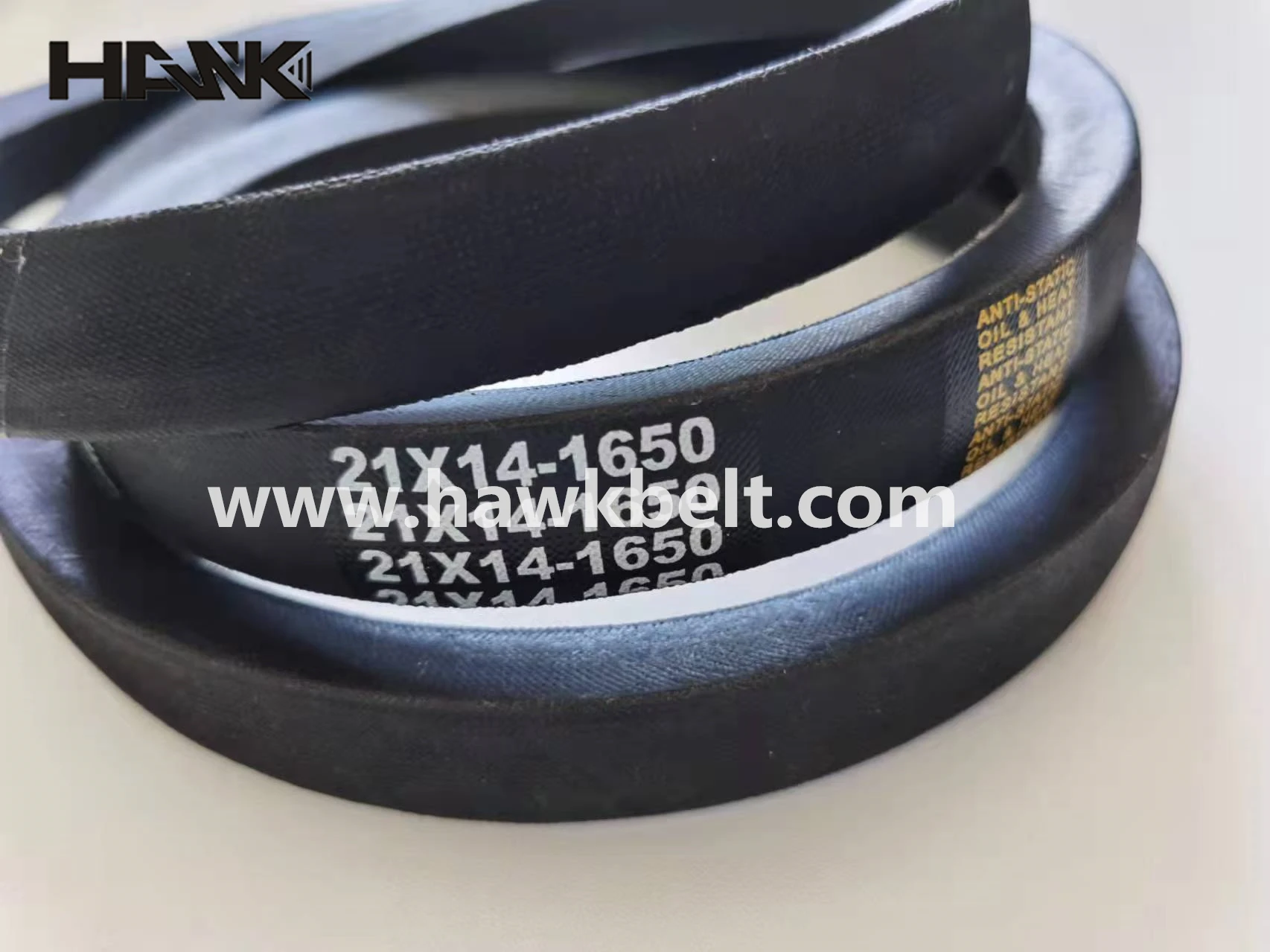
In the industrial heartland of Silesia, transport trucks utilize our reinforced V-belts to power auxiliary systems under constant high-load conditions, reducing belt slip by 15%.

02. Winter Commuting in Zakopane

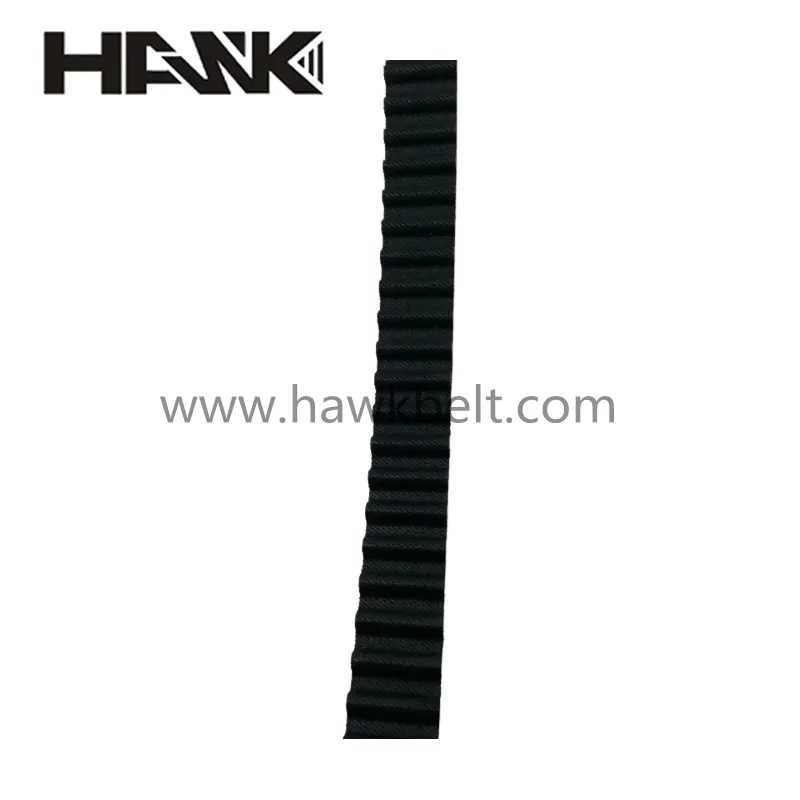
Vehicles operating in the mountainous south employ our specialized cold-resistant timing belts to prevent snapping during extreme sub-zero temperature starts.

03. Urban Delivery Flees in Warsaw

Courier motorcycles utilize our high-friction drive belts to handle rapid acceleration and deceleration in dense city traffic, increasing belt life by 20%.

04. Agricultural Machinery in Greater Poland

Tractors and harvesting equipment in the agricultural plains use our heavy-duty ribbed belts to ensure consistent power transmission in dusty and muddy environments.

05. Baltic Coastal Logistics in Gdańsk

Port machinery operating in high-humidity and saline air environments uses our salt-resistant rubber components to prevent premature oxidation and corrosion.

Brand Story

Global Development History of Xingtai Hawk Rubber and Plastic Products Co., Ltd.

Foundational Excellence

Established with a focus on precision rubber molding, solving the industry's struggle with consistent tensile strength in power transmission belts.

Material Innovation

Pioneered the use of advanced synthetic polymers to replace traditional rubber, significantly increasing heat resistance for global automotive clients.

European Expansion

Strategically entered the European market, tailoring products to meet the rigorous EU environmental and safety standards (REACH/RoHS).

Quality Certification

Achieved global ISO certifications, ensuring every single belt produced undergoes rigorous stress and temperature testing.

Future Vision

Committed to leading the "Green Rubber" revolution, developing sustainable components for the next generation of electric and hybrid vehicles.

Common Questions in Poland

Expert answers to the most frequent technical queries regarding rubber belts.

How often should I replace my alternator belt in cold Polish winters?

Due to extreme temperature swings, we recommend a visual inspection every 15,000 km and replacement every 60,000 km to avoid sudden failure during winter peaks.

Can an auto rubber timing belt be replaced without changing the tensioner?

It is highly recommended to replace the tensioner and idler pulleys simultaneously to ensure the new belt maintains optimal tension and avoids premature wear.

What is the difference between a standard auto v belt and a PK belt?

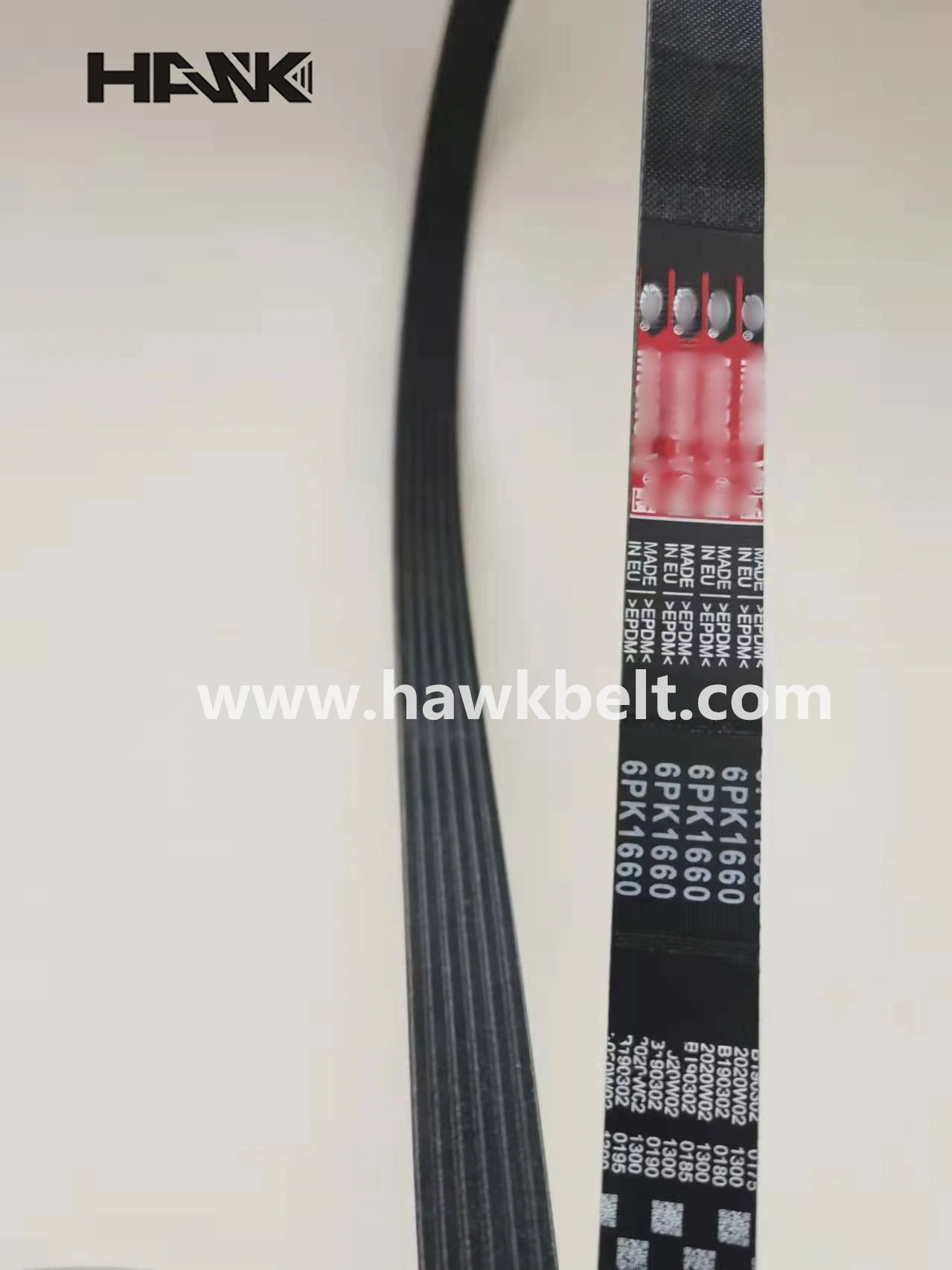
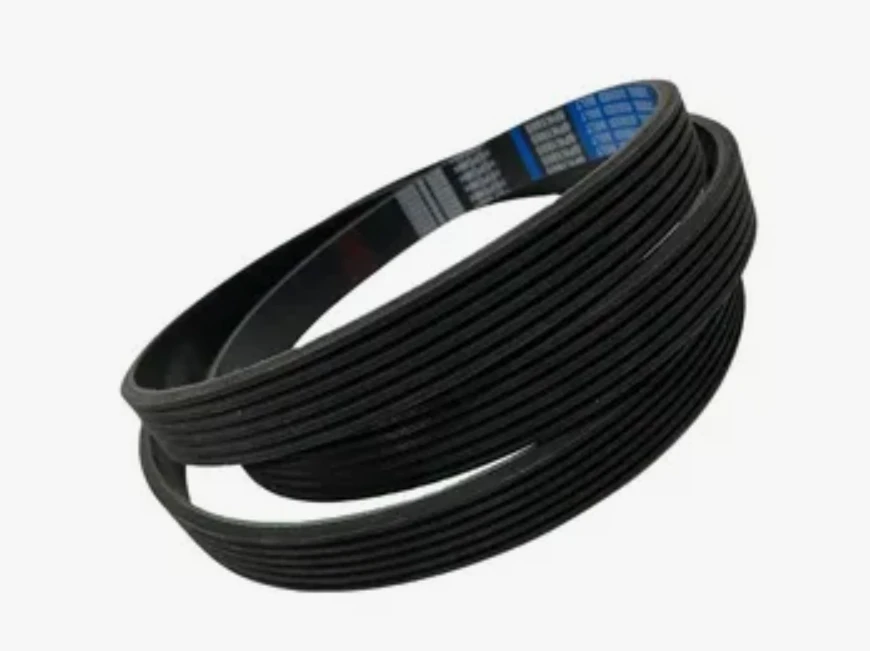
The V-belt has a trapezoidal cross-section for high torque, while the PK belt (poly-V) has multiple small ribs, allowing it to be more flexible and efficient in serpentine systems.

Why is my motorcycle belt squealing during stop-and-go traffic?

Squealing is often caused by glaze buildup or insufficient tension. High-quality belts with optimized friction compounds are designed to minimize this noise.

Does salt on Polish roads affect the lifespan of under-hood rubber belts?

Yes, road salt and chemical slush can accelerate the degradation of rubber. Our belts use specialized coatings to resist chemical corrosion and environmental stress.

How to identify a failing auto rubber timing belt before it breaks?

Look for "glazing" (shiny spots), fraying edges, or small cracks (checking). Unusual engine noise or a slight misfire can also indicate belt slippage.

Get Expert Consultation Today

Our engineers are ready to provide customized rubber part solutions for your business needs in Poland.

Contact Us Now

If you are interested in our products, you can choose to leave your information here, and we will be in touch with you shortly.