Mobile Phone
+8615369985502
Call Us
+8615369985502
E-mail
mike@hawkbelt.com

High-Performance pk belt Solutions for Thailand's Automotive Sector

Engineering precision rubber components to withstand Southeast Asia's extreme humidity and high-temperature driving conditions.

High-Performance pk belt Solutions for Thailand's Automotive Sector

Providing the Thai automotive aftermarket and OEM industry with durable, heat-resistant rubber transmission belts designed for maximum efficiency and longevity in tropical climates.

The Landscape of Rubber Parts Manufacturing in Thailand

Analyzing the intersection of Thailand's "Detroit of Asia" status and rubber material demands.

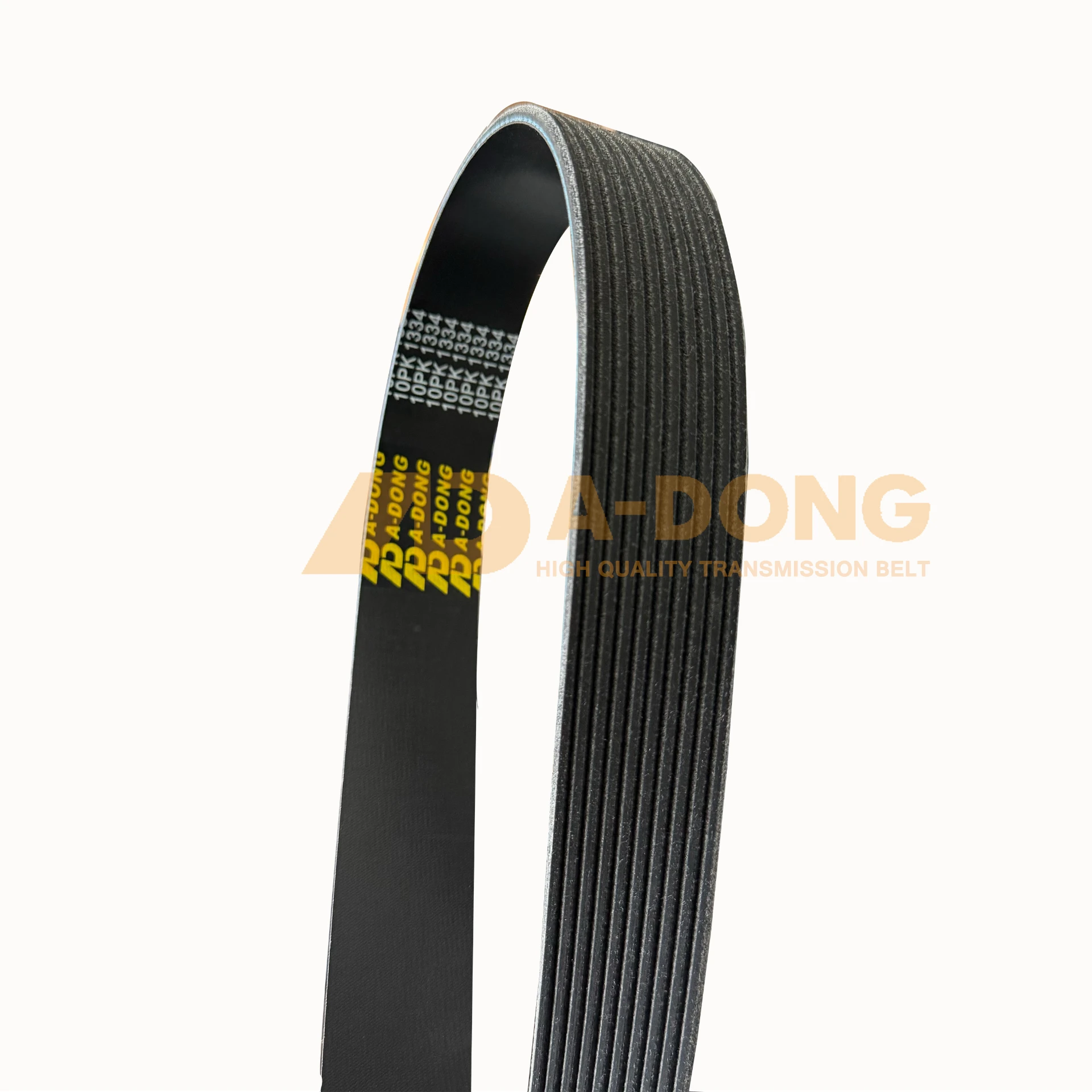
Thailand serves as a global hub for automotive production, creating a massive demand for high-quality alternator belt components. The local environment, characterized by extreme humidity and high ambient temperatures, accelerates the degradation of standard rubber, making heat-stabilized EPDM materials essential for the region.

The proliferation of two-wheel transport across Bangkok and rural provinces has led to a surge in the consumption of the motorcycle belt, requiring specific friction coefficients to handle stop-and-go traffic in dense urban heat islands.

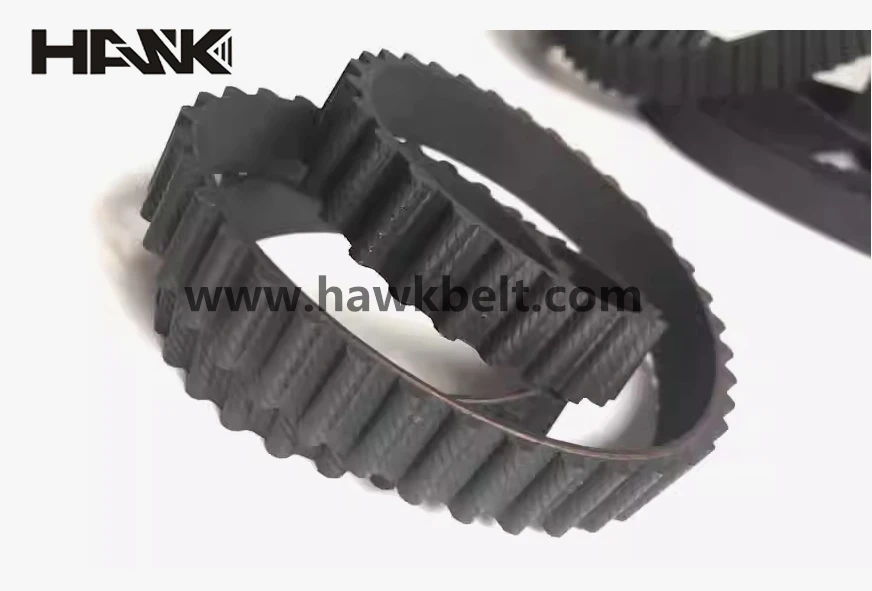
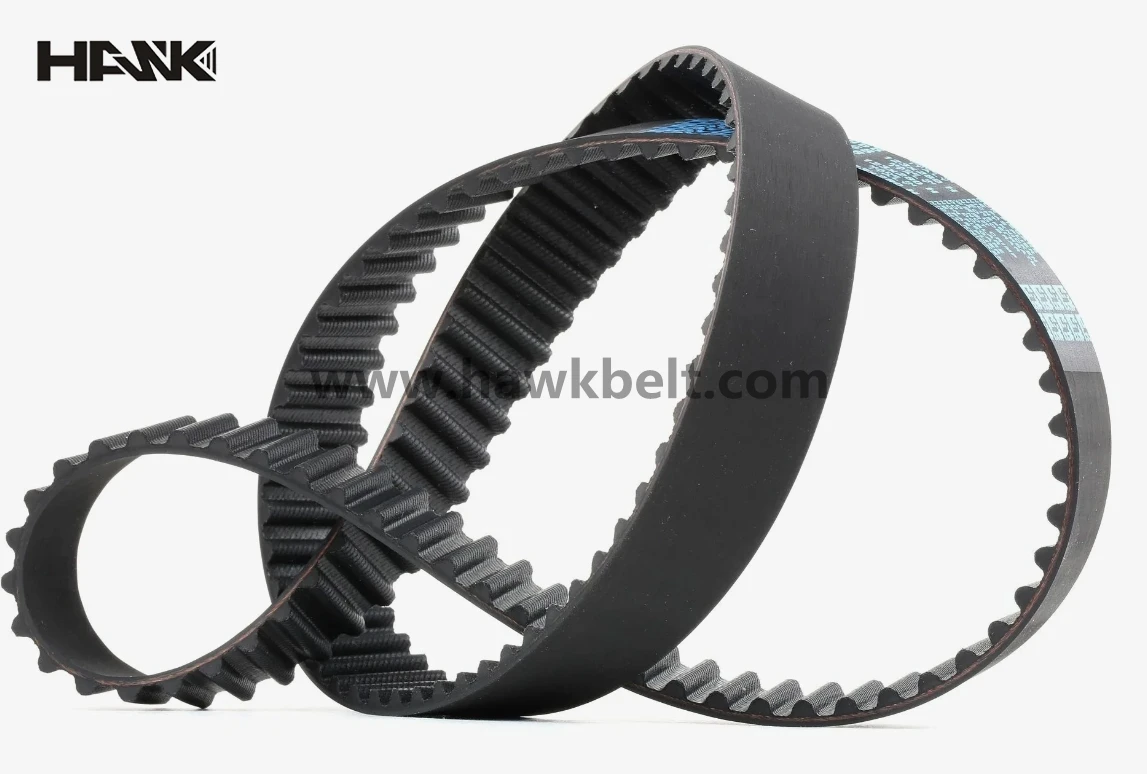
Moreover, the shift toward more complex engine designs in Thai-manufactured pickup trucks has increased the reliance on precise auto rubber timing belt systems to ensure synchronized valve timing under heavy load and tropical stress.
Evolution and Technical Trajectory of Automotive Belts

From traditional rubber molding to high-precision synthetic polymer engineering.

Market Development History

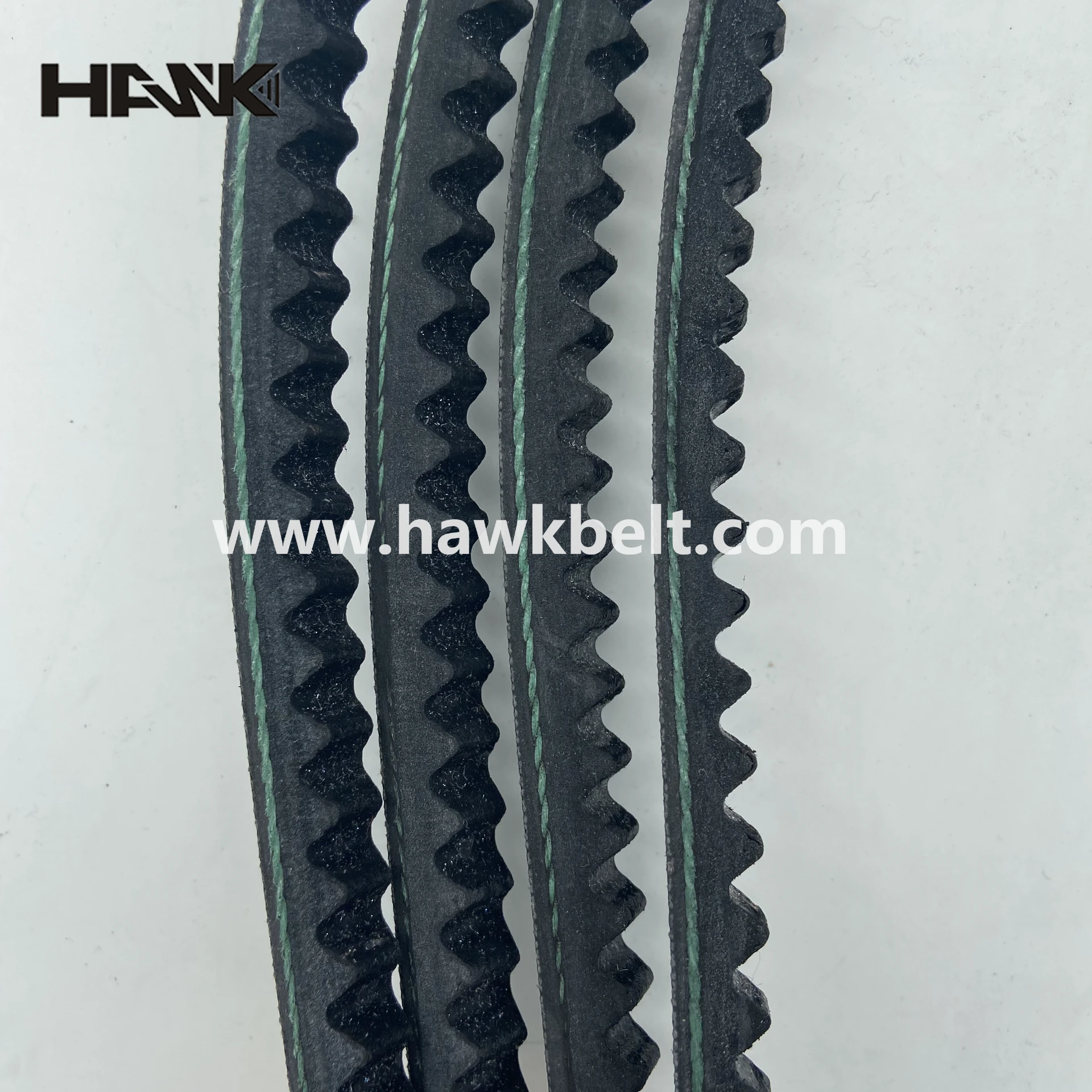
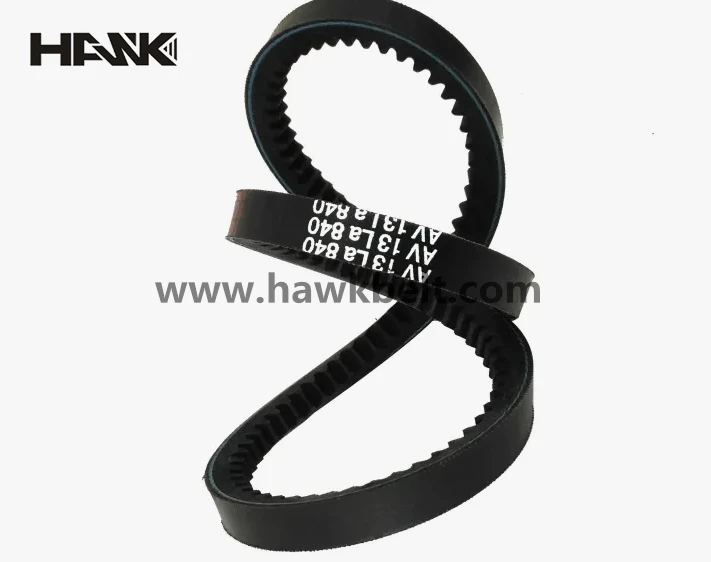
In the 1990s, the Thai market relied heavily on basic neoprene auto v belt designs, which often suffered from rapid cracking due to the lack of UV stabilizers and heat resistance tailored for Southeast Asia.

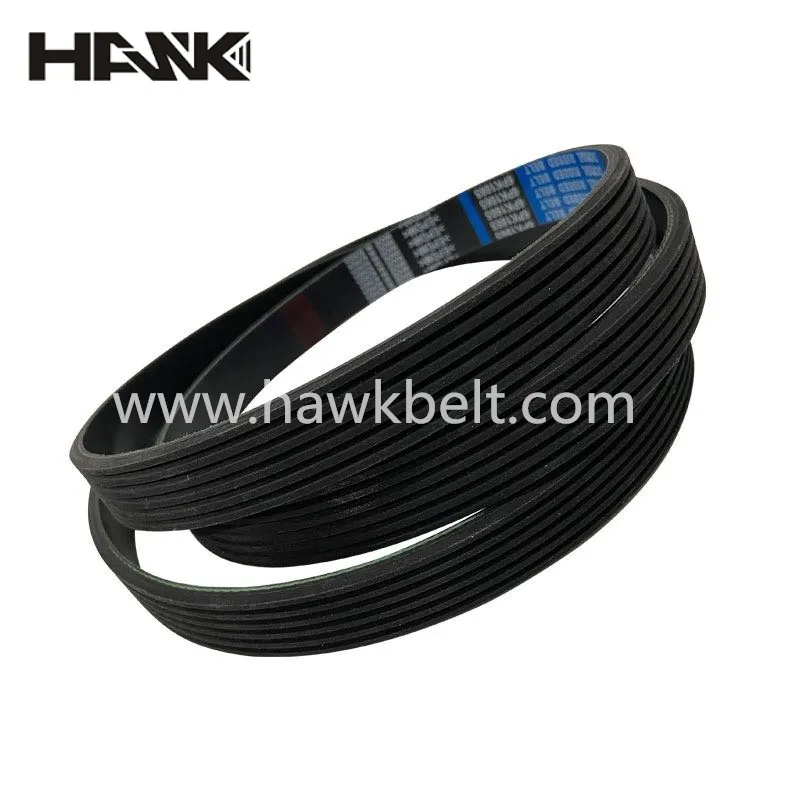
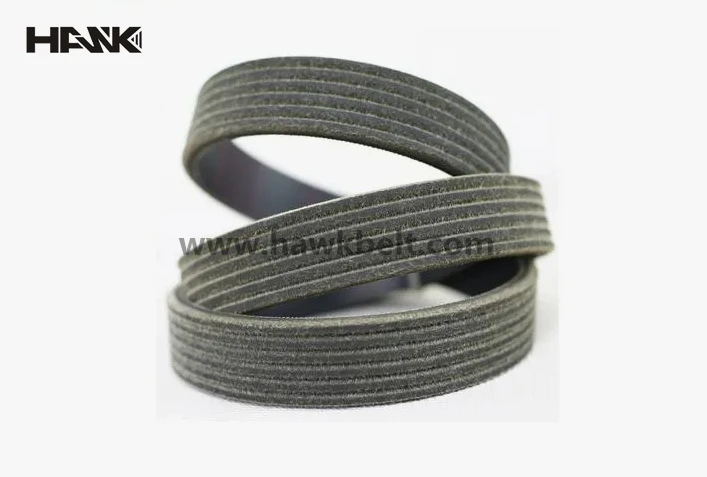
Between 2000 and 2015, the industry transitioned toward EPDM (Ethylene Propylene Diene Monomer) technology. This era saw the widespread adoption of poly-ribbed profiles, improving power transmission efficiency and reducing noise levels in passenger cars.

From 2016 to the present, the focus has shifted toward "Zero-Maintenance" goals, integrating high-tensile cords and advanced coating technologies to extend the service life of timing and accessory drives.

Future Development Trends

Eco-Friendly Bio-Rubber Composites

Integrating sustainable rubber sources from local Thai plantations with synthetic polymers to reduce the carbon footprint of belt manufacturing.

Smart-Wear Monitoring Integration

The development of belts with embedded markers or materials that change color when fatigue reaches a critical threshold, reducing sudden engine failures.

Ultra-Low Friction Coatings

Developing next-generation surface treatments to minimize energy loss and increase fuel efficiency in alignment with Thailand's EV and Hybrid roadmap.

Industry Outlook and Future Projections (2024-2029)

Predicting the shift in rubber component demand based on regional automotive trends.

Thermal Resistance Optimization
Developing rubber compounds specifically for the 40°C+ ambient temperatures common in Thailand's summer.
EV Ancillary Adaptation
Adapting rubber drive components for electric cooling pumps and auxiliary systems in Thailand's growing EV market.
Precision-Fit Automation
Implementing AI-driven molding to ensure 0.1mm tolerance for high-performance timing belts.
Sustainable Polymer Cycles
Establishing a closed-loop recycling system for used industrial and automotive rubber belts in Thailand.

Industry Outlook

Based on Google search trends in the Southeast Asian region, there is a growing intent toward "long-life" and "heavy-duty" rubber parts. This indicates a shift from cheap, disposable components to value-driven, engineered solutions that reduce vehicle downtime.

As Thailand continues to integrate its automotive supply chain with the ASEAN Economic Community, the demand for standardized, high-durability belts that meet international ISO standards will dominate the market over the next 5 years.

Localized Application Scenarios in Thailand

Real-world deployment of high-performance rubber components in Thai environments.

1. Bangkok Urban Commuter Scooters

Implementing high-grip motorcycle belt systems that resist glazing despite the extreme stop-and-go heat generated in Bangkok's heavy traffic.

2. Agricultural Pickup Trucks in Isan

Deploying reinforced auto v belt drives for modified diesel engines used in hauling sugar cane and rice, ensuring zero-slip under maximum load.

3. Industrial Logistics Hubs in Chonburi

Using heavy-duty pk belt configurations for warehouse conveyor systems and vehicle auxiliary drives operating in 24/7 logistics cycles.

4. Luxury Tourism Transport in Phuket

Fitting high-precision auto rubber timing belt components in luxury vans to ensure silent operation and reliability for high-end tourism transport.

5. Regional Delivery Fleet Maintenance

Standardizing alternator belt replacements across diverse fleet ages to maintain electrical stability in varied rural terrains.

Brand Story

Global Development Journey of Xingtai Hawk Rubber and Plastic Products Co., Ltd.

Foundational Engineering

Established with a mission to solve the fragility of industrial rubber, focusing on high-density polymer blending for extreme environments.

Material Innovation

Developing the proprietary heat-resistant formula that became the benchmark for automotive belts in tropical climates.

Global Market Expansion

Extending our footprint into the Asian market, specifically tailoring products for the rigorous demands of the Thai automotive sector.

Quality Certification

Achieving international standards in rubber manufacturing, ensuring every belt meets stringent safety and performance criteria.

Future-Proofing Vision

Investing in R&D for eco-friendly rubber and smart-material components to lead the transition to sustainable mobility.

Frequently Asked Questions - Thailand Market

Expert answers to common technical queries regarding automotive rubber belts.

How does high humidity in Thailand affect auto rubber timing belt lifespan?

High humidity can accelerate the hydrolysis of low-grade rubber. Our timing belts use advanced EPDM compounds that are chemically stable and resistant to moisture-induced degradation.

What is the best alternator belt for pickup trucks in heavy-load conditions?

For heavy-load diesel pickups common in Thailand, we recommend reinforced ribbed belts with high-tensile polyester cords to prevent stretching and slipping during towing.

Are motorcycle belt replacements compatible with all Thai scooter brands?

Yes, we manufacture belts based on exact OEM specifications for the most popular scooter brands in Thailand, ensuring a perfect fit and optimal power transfer.

How often should I replace a pk belt in a tropical climate?

In tropical climates, we recommend a visual inspection every 10,000km and replacement every 40,000-60,000km, as extreme heat can cause rubber to harden faster.

What are the signs that an auto v belt needs immediate replacement?

Common signs include audible squealing during cold starts, visible cracks on the V-ribs, or a glazed, shiny appearance on the belt surface.

Do you provide bulk supply for automotive parts distributors in Thailand?

Yes, we offer scalable manufacturing and wholesale logistics specifically designed for Thailand's automotive aftermarket distribution networks.

Get Expert Rubber Solutions Today

Partner with a leader in rubber parts manufacturing to optimize your automotive supply chain in Thailand.

Contact Us Now

If you are interested in our products, you can choose to leave your information here, and we will be in touch with you shortly.