Mobile Phone
+8615369985502
Call Us
+8615369985502
E-mail
mike@hawkbelt.com

High-Performance pk belt Solutions for Swiss Automotive Engineering

Precision-engineered rubber components designed to withstand the rigorous demands of Switzerland's diverse terrain and extreme alpine climates.

High-Performance pk belt Solutions for Swiss Automotive Engineering

Delivering Swiss-standard precision in rubber part manufacturing, ensuring maximum power transmission and durability for high-end vehicles and industrial machinery across the Confederation.

The Landscape of Rubber Drive Components in Switzerland

Analyzing the intersection of alpine environmental stress and high-precision automotive requirements.

Switzerland's unique geography, characterized by steep alpine inclines and significant temperature fluctuations, places extraordinary stress on vehicle drive systems. The demand for a reliable alternator belt is heightened here, as vehicles must maintain consistent electrical charging and cooling efficiency while navigating high-altitude passes in freezing conditions.

The Swiss market is defined by a preference for luxury performance and extreme reliability. Local automotive maintenance centers prioritize components that minimize slip and noise, making the high-grip architecture of a modern auto v belt essential for maintaining the smooth operation expected in high-end European transport.

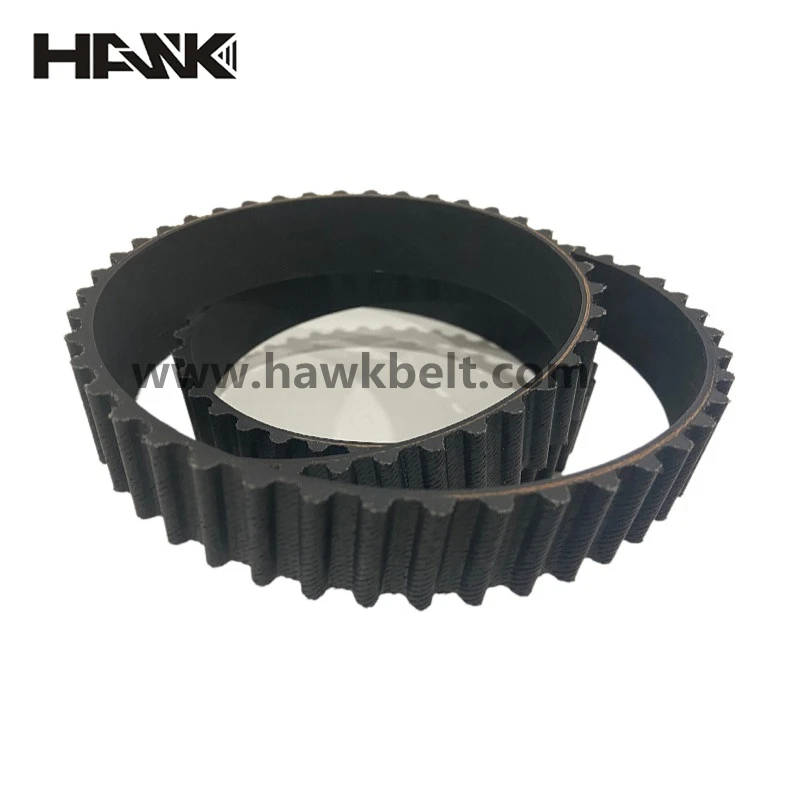
Furthermore, the Swiss commitment to sustainability and longevity means that rubber parts are judged by their lifecycle. There is a growing shift toward materials that resist ozone degradation and thermal cracking, ensuring that critical components like the auto rubber timing belt can operate for extended intervals without risk of catastrophic failure.

Evolution and Trajectory of Rubber Part Manufacturing

From basic vulcanization to the era of smart synthetic polymers.

Market Development History

In the early 20th century, rubber components in the region relied on basic natural rubber vulcanization, which often failed during harsh Swiss winters due to embrittlement. These early belts lacked the tensile strength required for the increasing power of combustion engines.

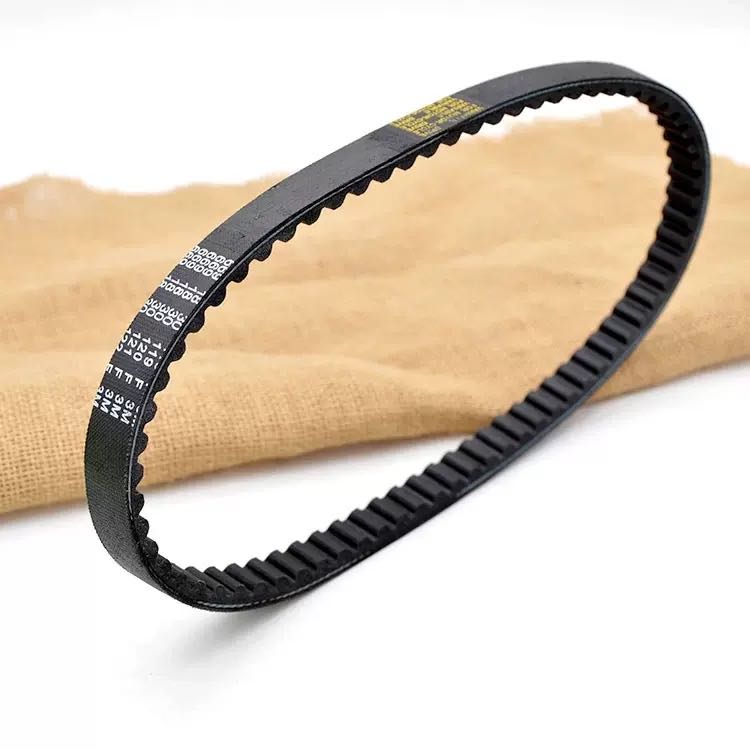
By the 1980s and 90s, the transition to EPDM (Ethylene Propylene Diene Monomer) marked a turning point. This allowed for the creation of the motorcycle belt that could withstand high heat and oil exposure, significantly reducing the frequency of unplanned replacements in urban Swiss hubs like Zurich and Geneva.

Entering the 21st century, the integration of high-tensile polyester and aramid cords transformed the industry. This technical iteration enabled the production of thinner, more efficient belts that offered higher torque transmission without increasing the physical footprint of the pulley system.

Future Development Trends

Biodegradable Synthetic Elastomers

Driven by Swiss environmental regulations, the industry is moving toward bio-based polymers that maintain industrial-grade durability while reducing the carbon footprint of the manufacturing process.

IoT-Integrated Wear Monitoring

We are seeing a trend toward "smart belts" embedded with micro-sensors that can detect stretching or cracking in real-time, allowing for predictive maintenance before a belt snaps.

Ultra-Low Friction Coatings

Next-generation coatings are being developed to reduce parasitic power loss, enhancing the fuel efficiency of hybrid vehicles common in Swiss metropolitan areas.

Industry Trends and Future Outlook

Strategic forecasting for the rubber parts sector in the Swiss market.

Thermal Stability Optimization
Developing compounds specifically for the extreme temperature swings found in the Swiss Alps to prevent premature rubber hardening.
Hybrid Powertrain Adaptation
Designing belts that can handle the abrupt torque changes inherent in hybrid-electric vehicle transitions.
Precision Tensioning Systems
Moving toward automated tensioners that adjust in real-time to maintain optimal belt geometry and reduce wear.
Noise, Vibration, Harshness (NVH)
Implementing advanced rubber dampening to eliminate "belt squeal" in high-performance Swiss automotive applications.

Industry Outlook

Based on Google search trend analysis for "high-durability drive belts" and "automotive rubber parts Europe," there is a clear trajectory toward specialized, application-specific components. The Swiss market is moving away from "universal" fits toward bespoke specifications that prioritize energy efficiency and longevity.

In the next 3-5 years, we expect the integration of sustainable chemistry to become the primary competitive advantage. Companies that can provide E-E-A-T compliant technical documentation regarding material safety and Swiss environmental compliance will dominate the high-end segment.

Localized Application Scenarios in Switzerland

Real-world deployment of precision rubber parts across Swiss industries.

01. High-Altitude Alpine Transport

Deployment of heavy-duty pk belt systems in mountain shuttle vehicles, ensuring consistent power delivery despite extreme cold and steep grades.

02. Urban Luxury Fleet Maintenance

Supplying premium auto v belt replacements for luxury sedan fleets in Geneva, where noise reduction and vibration dampening are critical for passenger comfort.

03. Swiss Precision Industrial Machinery

Integrating high-torque auto rubber timing belt components into automated watchmaking and medical device manufacturing lines requiring zero-slip synchronization.

04. Leisure Motorcycle Touring

Providing reinforced motorcycle belt kits for long-distance touring across the Alps, focusing on heat resistance and durability against road debris.

05. Specialized Electrical Generation

Implementing industrial-grade alternator belt solutions for small-scale hydroelectric generators used in remote Swiss village power grids.

Brand Story

Global Development Journey of Xingtai Hawk Rubber and Plastic Products Co., Ltd.

Foundational Precision

Established with a mission to solve the most common failure points in rubber power transmission, focusing on high-tensile strength and material purity.

Technological Breakthroughs

Pioneered the use of advanced synthetic rubber blends that drastically increased the lifespan of timing and V-belts under extreme thermal stress.

Global Quality Certification

Achieved international standardization certifications, ensuring our products meet the rigorous safety and quality requirements of the European market.

Strategic Swiss Expansion

Localized our engineering support to meet the specific needs of Swiss automotive and industrial clients, emphasizing precision and reliability.

Vision for the Future

Committing to a sustainable future through the development of eco-friendly elastomers without compromising on industrial performance.

Common Inquiries Regarding Rubber Parts in Switzerland

Expert answers to technical questions about belt performance and maintenance.

How does the Swiss alpine climate affect the lifespan of an alternator belt?

Extreme cold causes standard rubber to harden and crack, while sudden heat during climbs increases friction. Our belts use EPDM compounds specifically designed to remain flexible at -40°C and stable at high temperatures.

What is the recommended replacement interval for an auto rubber timing belt in high-torque vehicles?

Depending on the vehicle's usage in mountainous terrain, we recommend inspection every 60,000 km and replacement every 100,000 km to prevent catastrophic engine failure.

Why should I choose a pk belt over a traditional V-belt for modern Swiss automotive applications?

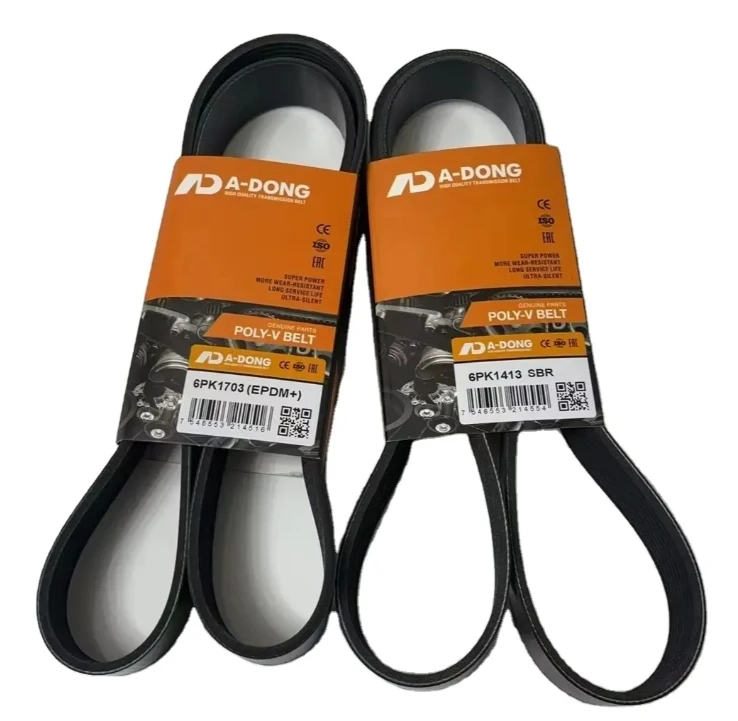
PK belts offer a multi-ribbed design that provides a much larger surface area for grip, reducing slip and allowing for more compact pulley systems without losing power efficiency.

Are your motorcycle belt products resistant to oil and chemical exposure?

Yes, our belts are engineered with specialized synthetic elastomers that resist degradation from engine oil, lubricants, and road salts commonly used in Swiss winters.

Can an auto v belt be used across different brands of European vehicles?

While some dimensions are standardized, we recommend selecting a belt based on the specific OEM profile to ensure optimal tension and minimize noise.

How can I identify if my belt needs immediate replacement?

Look for visible cracks (glazing), fraying edges, or an audible squealing sound during cold starts. Any sign of rubber loss requires immediate replacement to ensure safety.

Consult Our Rubber Engineering Experts

Providing high-precision rubber solutions tailored for the industrial and automotive standards of Switzerland.

Contact Us Now

If you are interested in our products, you can choose to leave your information here, and we will be in touch with you shortly.