Mobile Phone
+8615369985502
Call Us
+8615369985502
E-mail
mike@hawkbelt.com

High-Performance pk belt Solutions for Sweden's Automotive Industry

Precision-engineered rubber components designed to withstand the extreme Nordic climate, ensuring maximum durability and transmission efficiency for Swedish vehicles.

Current Market State of Rubber Parts in Sweden

Analyzing the impact of Arctic conditions on rubber component longevity.

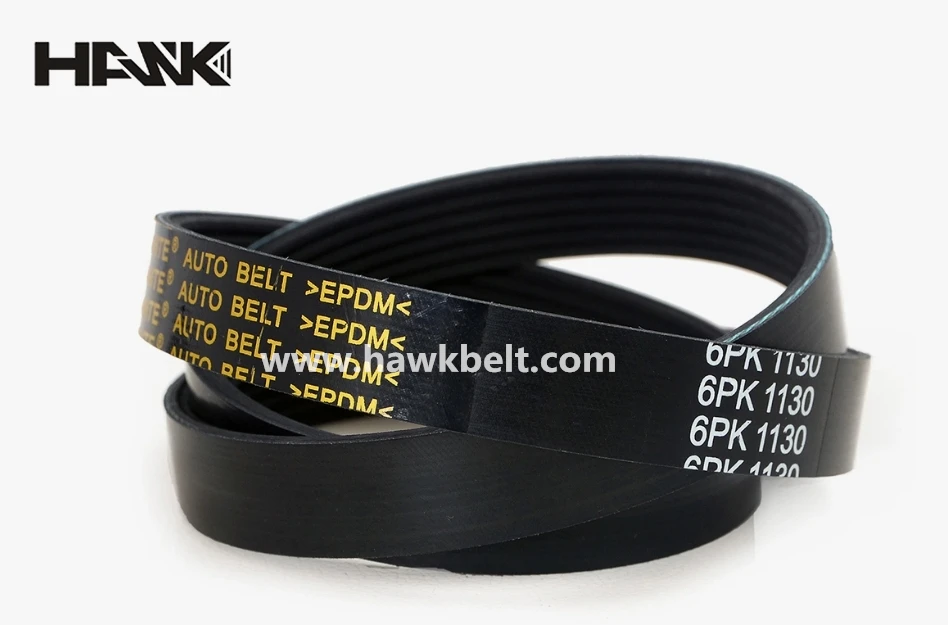
In Sweden, the rubber parts industry faces a unique challenge: extreme thermal cycling. The demand for a reliable auto v belt is heightened by winters where temperatures drop significantly, causing standard rubber to become brittle and prone to cracking.

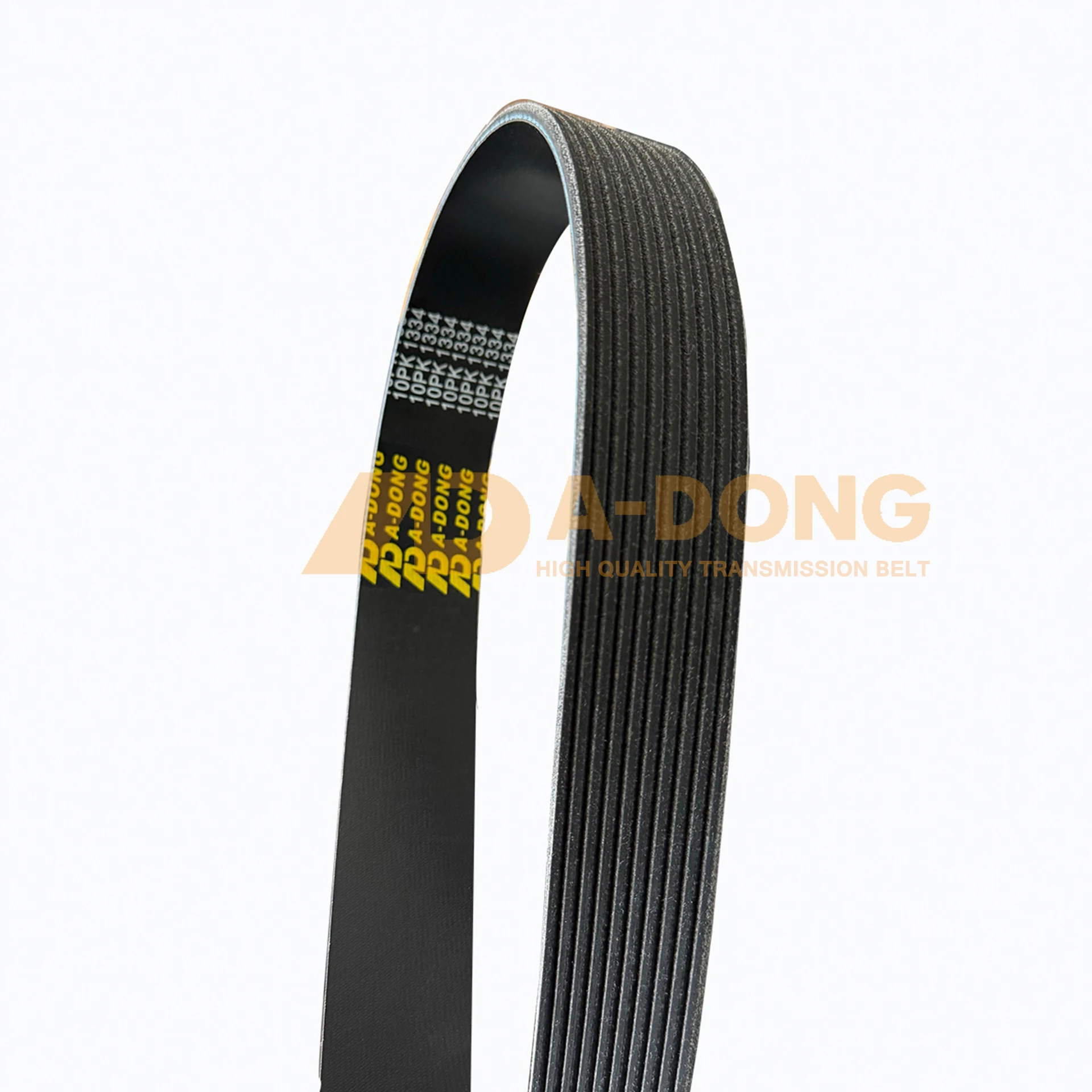
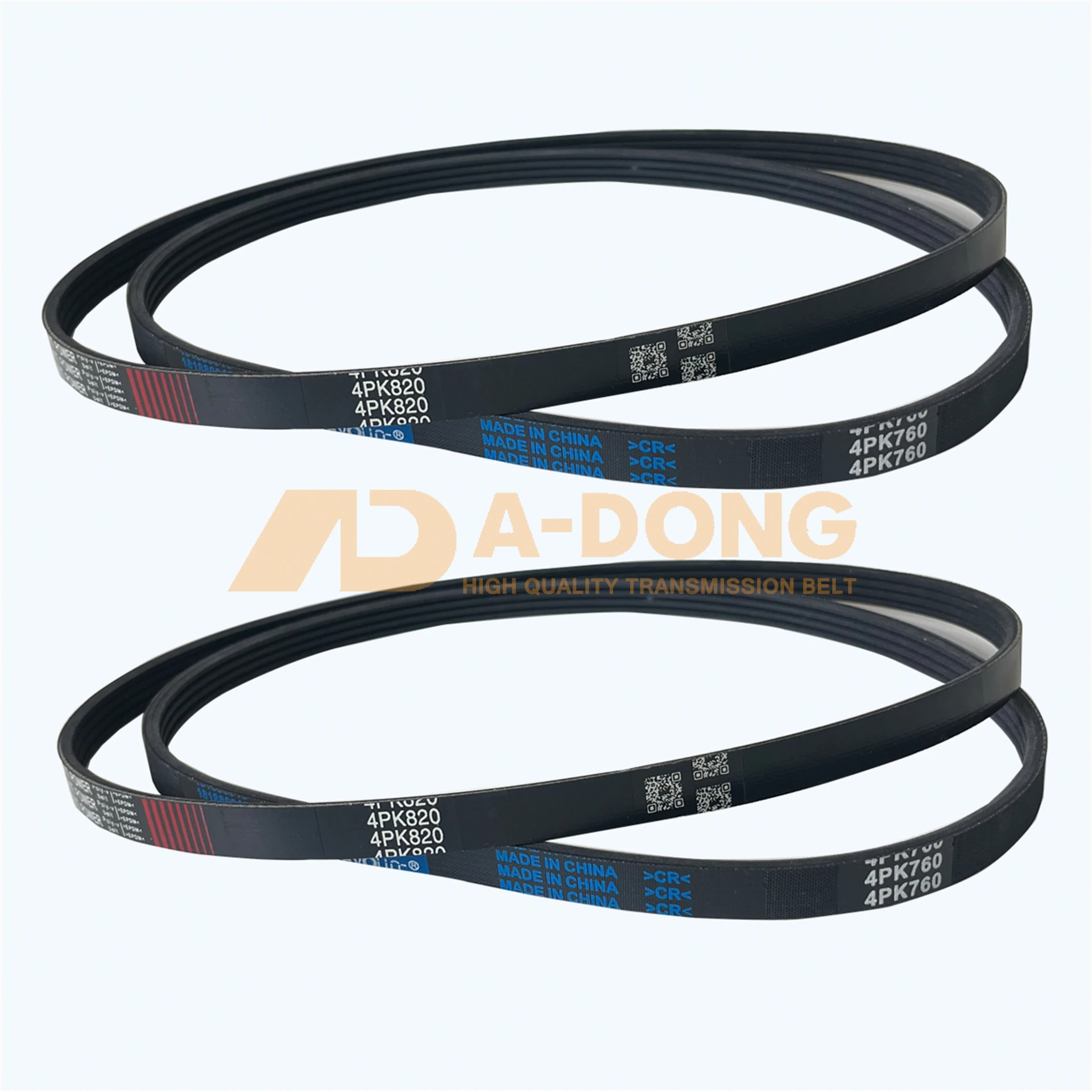
The Swedish automotive sector, led by a strong culture of sustainability and high engineering standards, requires components that minimize energy loss. This has led to a surge in the adoption of high-modulus pk belt designs that maintain tension and grip even in humid, frosty environments.

Furthermore, the prevalence of high-performance motorcycles in urban centers like Stockholm and Gothenburg has increased the demand for specialized motorcycle belt products that can handle high torque and rapid acceleration without premature wear.
Evolution and Development Trajectory of Rubber Belts

From traditional vulcanized rubber to smart composite materials.

Market Development History

Until the 1990s, the Swedish market relied heavily on traditional neoprene-based auto v belt systems, which offered basic durability but suffered from significant slip and noise in cold starts.

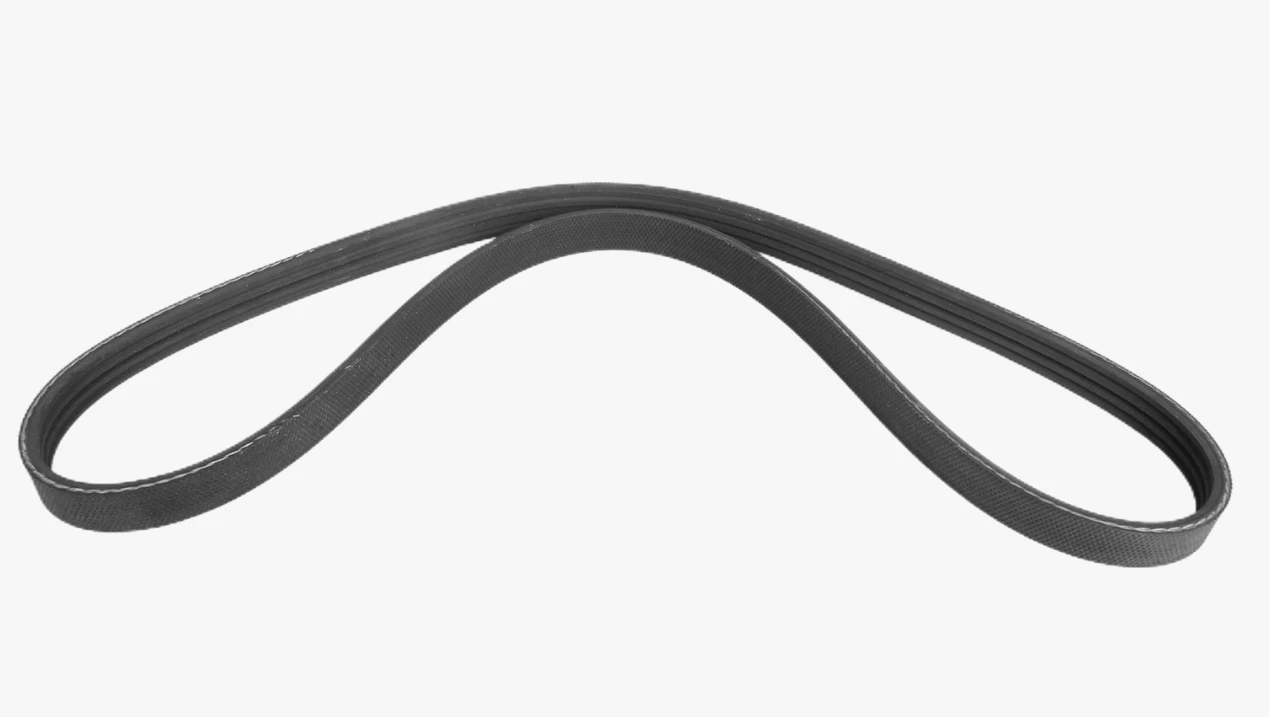
Between 2000 and 2015, the transition toward EPDM (Ethylene Propylene Diene Monomer) became the industry standard. This shift allowed for the development of the modern alternator belt, providing superior heat and ozone resistance essential for the longevity of Scandinavian vehicles.

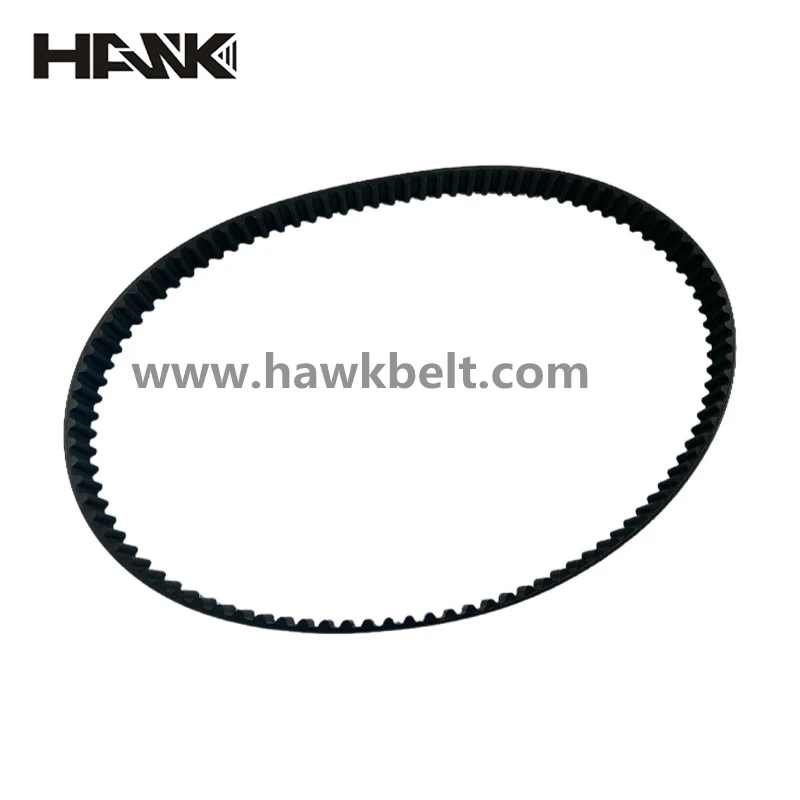
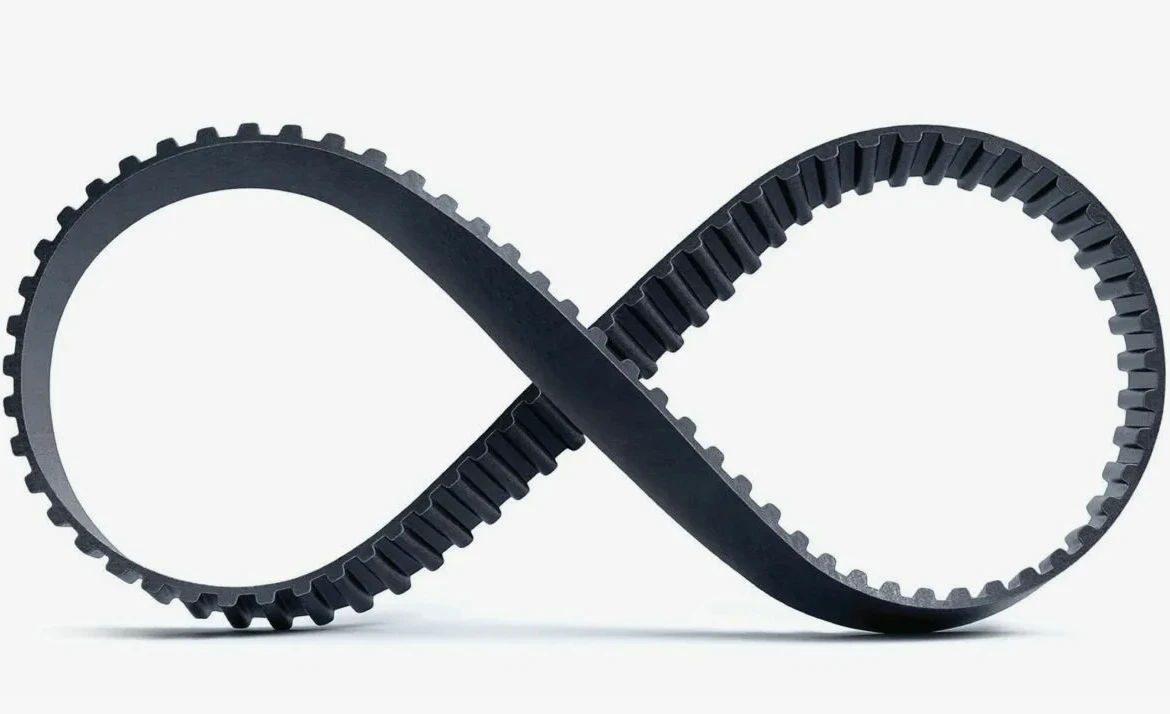
From 2016 to the present, the integration of reinforced aramid fibers into the auto rubber timing belt has revolutionized engine timing precision, reducing the risk of catastrophic engine failure in high-stress environments.

Future Development Trends

Eco-Friendly Bio-Rubber Composites

Driven by Sweden's "Green Transition," there is a shift toward biodegradable or recycled elastomers to reduce the environmental footprint of rubber manufacturing.

Smart Tension Sensing Integration

Integration of embedded sensors within belts to provide real-time wear data, moving from scheduled maintenance to predictive maintenance.

Ultra-Low Friction Coatings

Development of nano-coatings to reduce internal friction, thereby increasing the fuel efficiency of hybrid and electric vehicles using auxiliary belts.

Industry Trends and Future Outlook

Strategic forecasting for the Swedish rubber parts manufacturing sector.

Climate-Resilient Polymers
Engineering elastomers that maintain flexibility at -40°C to prevent winter cracking in Sweden.
EV Auxiliary Adaptation
Adapting belt drives for electric vehicle cooling pumps and compressors to optimize energy.
Precision Manufacturing 4.0
Implementing AI-driven quality control to eliminate micro-defects in timing belt teeth.
Circular Economy Integration
Establishing closed-loop recycling for end-of-life rubber belts to meet EU mandates.

Industry Outlook

The search trend data suggests an increasing volume of queries regarding "long-life rubber components" and "extreme cold automotive parts" within the Nordic region. This indicates a shift in consumer behavior toward durability and sustainability over low-cost replacements.

Over the next 3-5 years, we expect the Swedish market to lead in the adoption of hybrid-material belts that combine the flexibility of rubber with the strength of synthetic polymers, reducing failure rates in heavy-duty commercial transport.

Localized Application Scenarios in Sweden

Real-world implementation of high-grade rubber belts across various sectors.

1. Arctic Logistics Fleet Maintenance

Implementation of reinforced alternator belt systems in heavy-duty trucks transporting goods to Kiruna, ensuring power generation remains stable in sub-zero temperatures.

2. Urban Commuter Motorcycle Tuning

Custom-fitted motorcycle belt solutions for city-based riders in Stockholm, focusing on noise reduction and high-torque efficiency during stop-and-go traffic.

3. High-Performance Passenger Vehicle Care

Using premium auto rubber timing belt replacements for Volvo and Saab enthusiasts who require OEM+ precision to protect engine integrity.

4. Industrial Machinery in Swedish Factories

Deployment of heavy-duty auto v belt drives in manufacturing plants, optimizing power transmission for conveyor systems operating in climate-controlled environments.

5. Agricultural Equipment for Nordic Farms

Installation of rugged pk belt components in farm machinery to ensure reliable operation during the critical spring planting and autumn harvest seasons.

Brand Story

Global Development Journey of Xingtai Hawk Rubber and Plastic Products Co., Ltd.

Foundational Engineering Excellence

Starting as a specialized rubber workshop, we focused on solving the core problem of premature belt wear through advanced vulcanization techniques.

Technological Breakthroughs

We pioneered the integration of high-tensile cords into automotive belts, significantly reducing stretch and improving timing accuracy for global clients.

Global Market Expansion

Expanding our reach into Europe, specifically Sweden, by tailoring our rubber compounds to meet the rigorous demands of the Nordic climate.

Sustainability Commitment

Investing in R&D for eco-friendly elastomers, ensuring our growth aligns with global carbon neutrality goals and Swedish environmental laws.

The Future of Rubber Transmission

Today, we stand as a leader in precision rubber parts, committed to eliminating downtime for the automotive and industrial sectors worldwide.

Common Questions for the Swedish Market

Expert answers to technical queries regarding rubber part maintenance in cold climates.

How does extreme cold affect an alternator belt in Sweden?

Extreme cold causes standard rubber to harden and lose elasticity, which can lead to slipping or cracking. Our belts use EPDM compounds specifically designed to remain flexible at low temperatures.

What is the recommended replacement interval for an auto rubber timing belt?

While intervals vary by vehicle, in harsh climates, we recommend inspection every 60,000 km and replacement every 80,000 to 100,000 km to prevent engine failure.

Can a pk belt be used in both industrial and automotive applications?

Yes, PK belts are versatile poly-V belts used for driving accessories in cars and various power transmissions in industrial machinery due to their high grip and efficiency.

Why is an auto v belt slipping during cold starts?

Slipping usually occurs due to a loss of tension or rubber hardening. Our high-traction belts are engineered to maintain a consistent coefficient of friction even in frost.

Are motorcycle belt materials different from car belts?

Yes, motorcycle belts often require higher tensile strength and better resistance to rapid acceleration cycles compared to standard automotive accessory belts.

How to identify a failing timing belt before it snaps?

Look for visible cracks, fraying at the edges, or unusual ticking noises from the engine front. Regular professional inspection is critical for peace of mind.

Get Expert Technical Support

Partner with a leading rubber parts manufacturer for high-precision components tailored for Sweden.

Contact Us Now

If you are interested in our products, you can choose to leave your information here, and we will be in touch with you shortly.