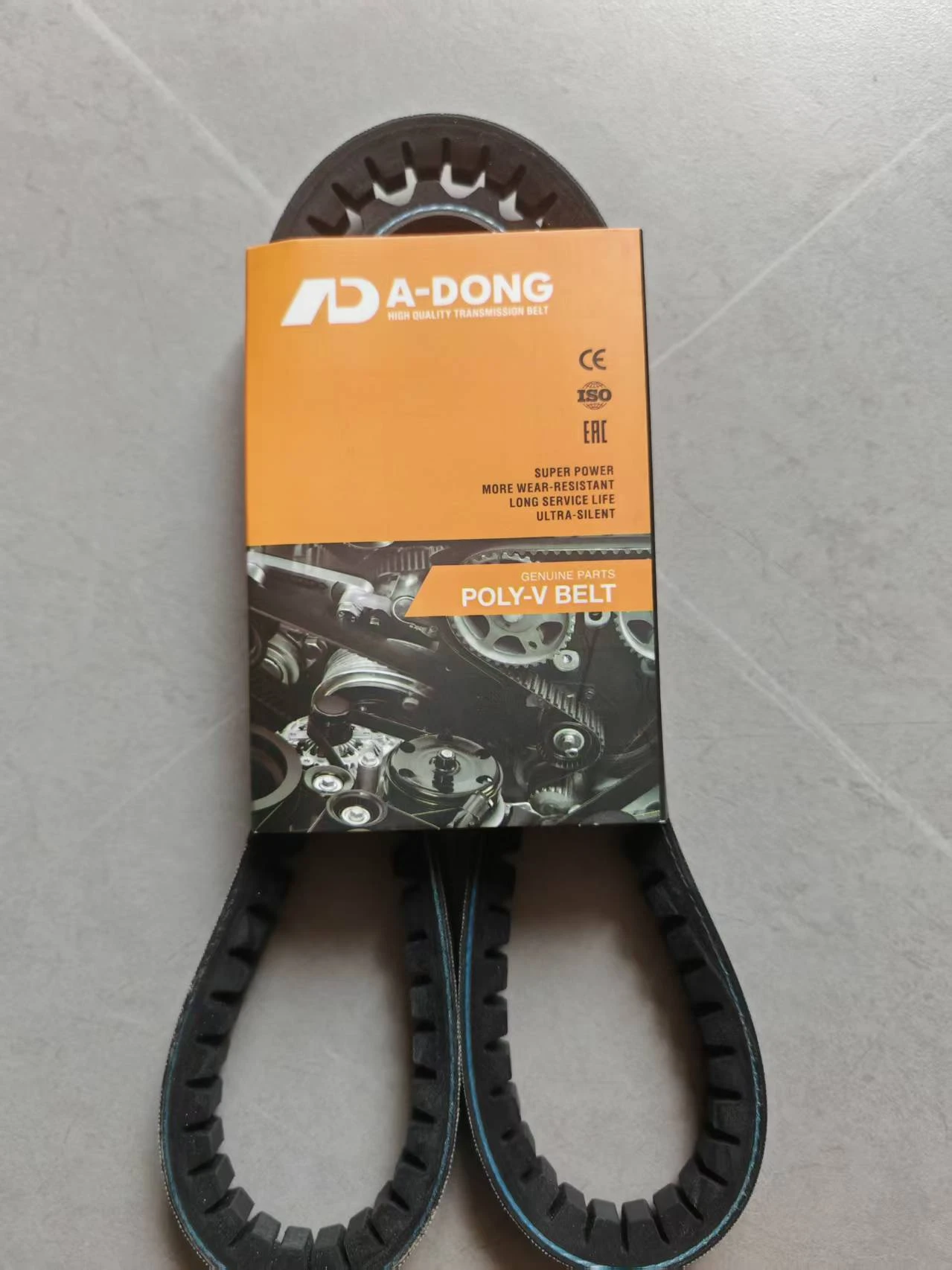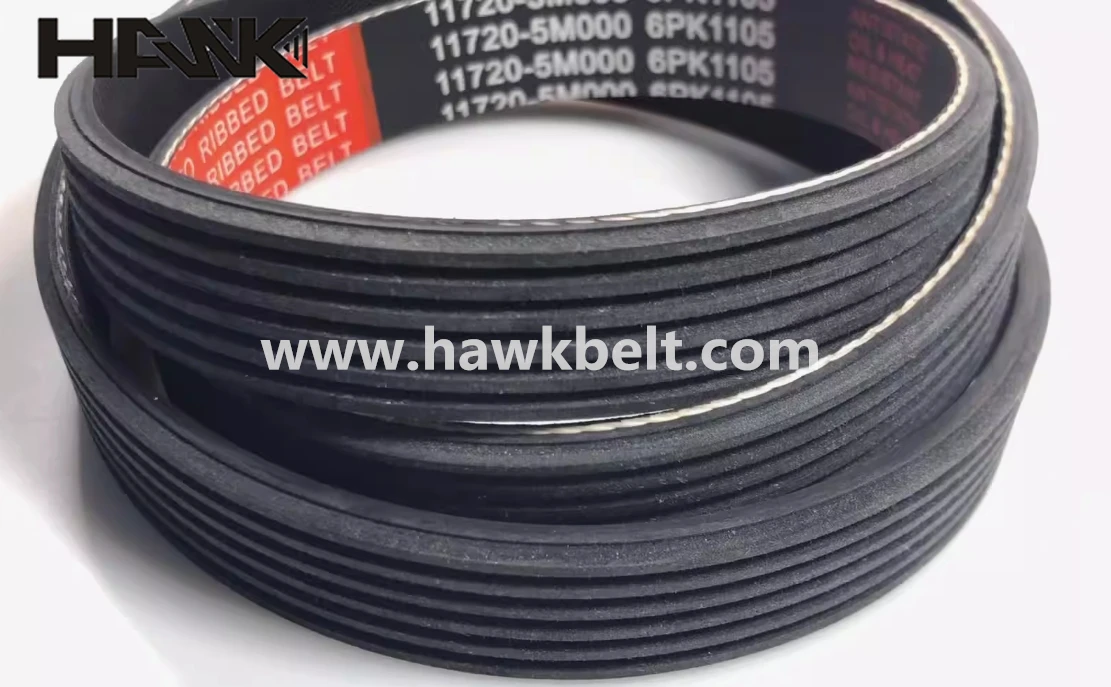


Sri Lanka's unique geography, characterized by high ambient temperatures and coastal humidity, puts immense stress on automotive rubber components. Traditional belts often suffer from accelerated thermal degradation and cracking, leading to frequent failures of the auto v belt in commercial fleets.
The local market is heavily reliant on imported vehicles, creating a diverse demand for various belt profiles. From the bustling streets of Colombo to the hilly terrains of Kandy, there is a critical need for rubber parts that offer superior grip and heat resistance to prevent slippage under heavy loads.
Currently, the industry is shifting toward high-silica rubber compounds. This transition is essential for the longevity of the auto rubber timing belt, ensuring that engine synchronization remains precise despite the challenging external environmental factors prevalent in Asia.