
Mobile Phone
+8615369985502
Call Us
+8615369985502
E-mail
mike@hawkbelt.com

High-Performance pk belt Solutions for Qatar's Automotive Sector

Engineering heat-resistant, durable rubber transmission components tailored for the extreme climatic conditions of the Arabian Peninsula.

High-Performance pk belt Solutions for Qatar's Automotive Sector

Providing Qatar's automotive industry with precision-engineered rubber belts that ensure maximum power transmission efficiency and longevity under severe thermal stress.

The State of Rubber Component Demand in Qatar

Analyzing the impact of hyper-arid climates on automotive rubber lifespan.

In Qatar, the automotive sector faces unique challenges due to extreme summer temperatures often exceeding 50°C. This environmental stress accelerates the degradation of standard rubber, making the demand for a high-grade alternator belt critical to prevent sudden vehicle failure in urban centers like Doha.

The prevalence of luxury SUVs and high-performance vehicles in the Qatari market requires belts with superior tensile strength and low stretch. Standard components often succumb to "heat cracking," necessitating specialized compounds that maintain flexibility and grip despite constant exposure to intense UV radiation and heat.

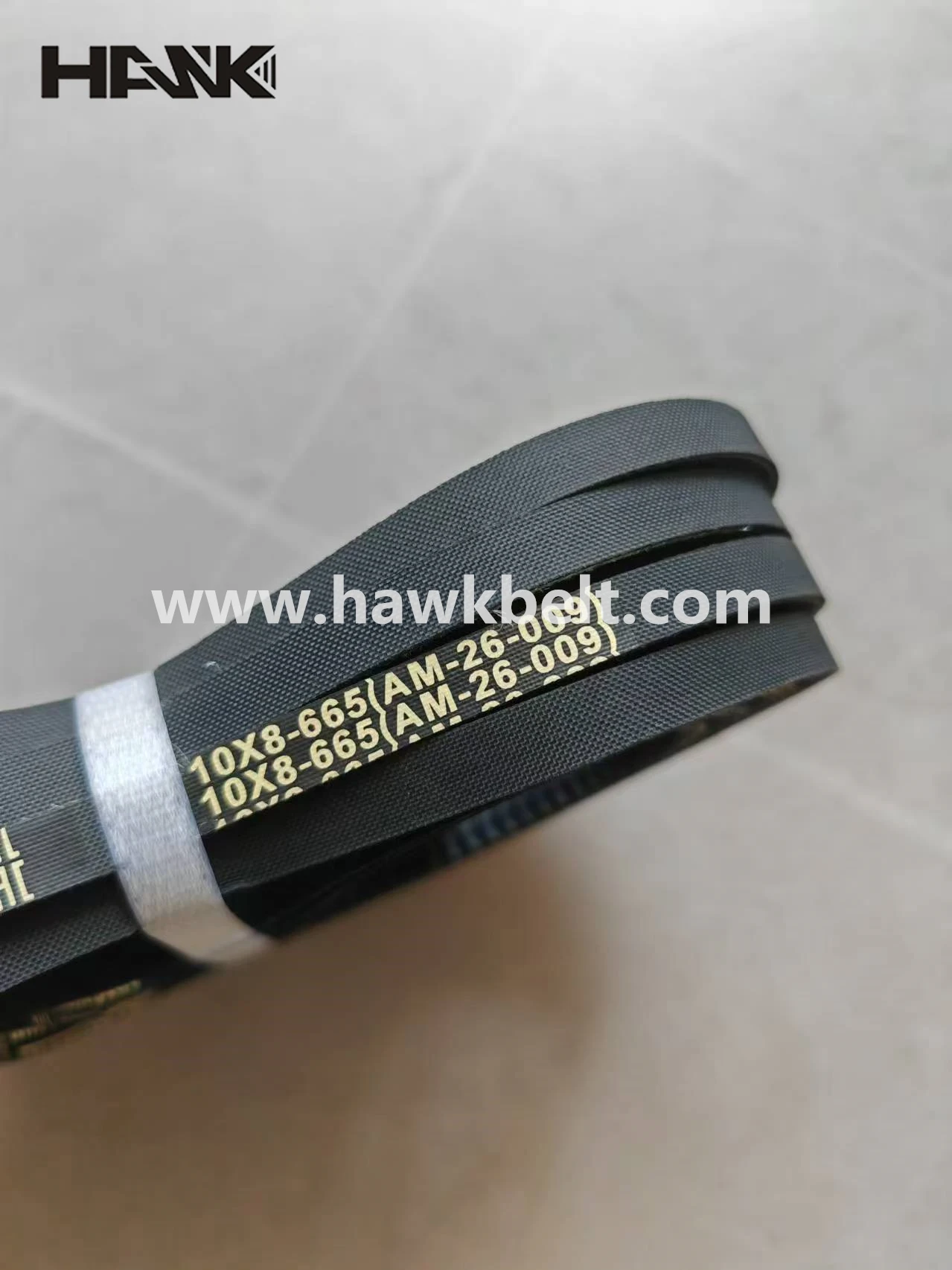
Furthermore, the logistics and construction fleets operating across the desert terrains demand a robust auto v belt that can withstand abrasive sand particles and high torque loads, ensuring that critical engine cooling and electrical systems remain operational without interruption.

Evolution and Technical Trajectory of Rubber Belts

From basic rubber compounds to advanced EPDM synthetic polymers.

Market Development History

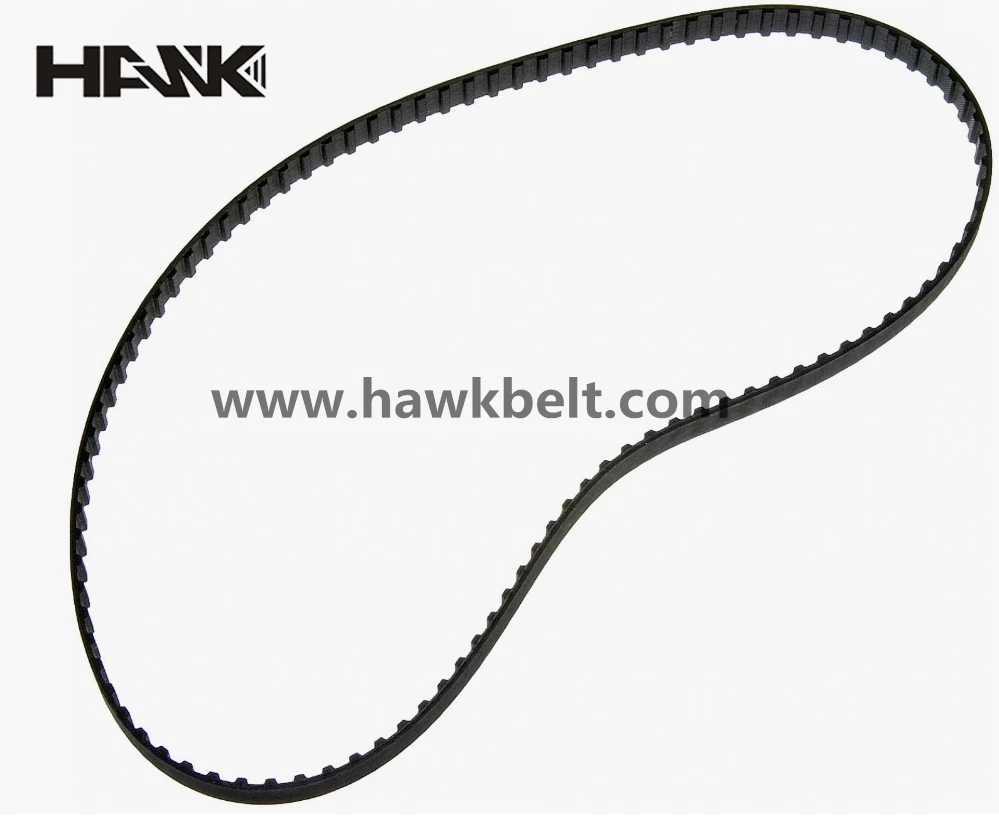
During the early industrial phase (pre-2000s), the market relied heavily on Neoprene-based belts. While functional, these components suffered from rapid hardening in the Middle Eastern heat, leading to frequent replacements of the auto rubber timing belt in precision engines.

Between 2010 and 2020, a significant shift toward EPDM (Ethylene Propylene Diene Monomer) occurred. This transition allowed for significantly higher heat resistance and ozone protection, which is essential for vehicles parked in open-air environments across Qatar.

Currently, the industry has moved toward "Smart-Profile" designs, incorporating high-tensile polyester cords and advanced coatings that reduce internal friction and heat buildup during high-speed rotations.

Future Development Trends

Nano-Composite Material Integration

The next 3-5 years will see the integration of graphene and nano-silica into rubber matrices to increase wear resistance by up to 30%.

Predictive Wear Indicators

Integration of embedded sensors or visual wear indicators will allow fleet managers in Qatar to replace belts before catastrophic failure.

Eco-Friendly Biodegradable Polymers

Following global sustainability trends, there is a push toward high-performance elastomers that are more recyclable without compromising the structural integrity of a motorcycle belt.

Industry Trends and Future Outlook

Strategic foresight into the rubber parts manufacturing landscape.

Thermal Resistance Optimization
Developing rubber compounds specifically engineered to maintain elasticity at 70°C+ ambient temperatures.
Precision CNC Profiling
Utilizing advanced laser cutting to ensure zero-tolerance fit for modern high-compression engines.
Hybrid Engine Compatibility
Designing belts for intermittent loading patterns common in hybrid and start-stop engine systems.
Supply Chain Localization
Reducing lead times for the Qatar market through strategic regional distribution hubs.

Industry Outlook

The rubber parts industry in Qatar is shifting from a commodity-based market to a value-added engineering market. As vehicle complexity increases, the reliance on specialized rubber components that can survive high thermal cycling becomes a primary competitive advantage.

Google search trends indicate a rising interest in "long-life automotive belts" and "heat-resistant rubber parts" within the GCC region, suggesting that end-users are prioritizing durability over initial cost, paving the way for premium EPDM products.

Localized Application Scenarios in Qatar

Real-world deployment of high-durability rubber components.

01. Luxury Fleet Maintenance in Doha

Deployment of high-precision pk belt units for high-end sports cars that require maximum power transmission with zero slip, even during high-temperature idling in city traffic.

02. Desert Off-Roading & 4x4 Vehicles

Using reinforced auto v belt components for safari and off-road vehicles that face extreme sand ingestion and high torque demands during dune bashing.

03. Last-Mile Delivery Motorcycle Fleets

Installation of oil-resistant motorcycle belt systems for delivery bikes operating 12+ hours a day in humid coastal conditions.

04. Industrial Generator Support

Providing heavy-duty rubber belts for emergency power generators in oil and gas facilities, where failure can lead to critical operational downtime.

05. Public Transport Cooling Systems

Utilizing high-capacity belts to drive heavy-duty air conditioning compressors in public buses, ensuring passenger comfort in the Qatari summer.

Brand Story

Global Development Journey of Xingtai Hawk Rubber and Plastic Products Co., Ltd.

Foundation of Excellence

Established with a vision to solve the most common failure points in rubber transmission, focusing on material purity and structural consistency.

Technological Breakthrough

Pioneered the adoption of advanced EPDM vulcanization processes to eliminate internal voids, drastically increasing the lifespan of timing belts.

Global Market Expansion

Expanded our footprint to the Middle East, adapting our product chemistry to survive the unique UV and heat profiles of regions like Qatar.

Quality Certification

Achieved international ISO and automotive standards, ensuring every belt produced meets rigorous safety and performance benchmarks.

Future-Proof Engineering

Currently investing in AI-driven material science to create the next generation of zero-maintenance rubber components.

Frequently Asked Questions for the Qatar Market

Expert answers to common technical queries regarding rubber belt longevity.

Why does my alternator belt wear out faster in the Qatar summer?

Extreme ambient heat and engine bay temperatures cause the rubber to lose its plasticizers, leading to hardening and cracking. Our EPDM-based belts are specifically designed to resist this thermal degradation.

What is the difference between a standard auto v belt and a PK belt?

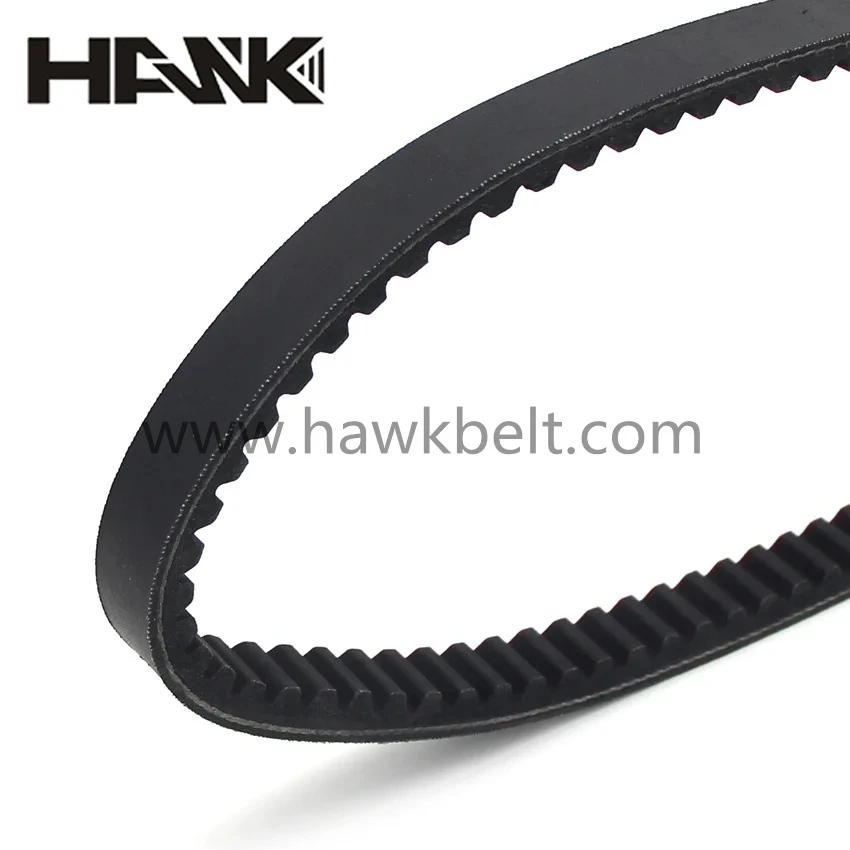
V-belts have a trapezoidal cross-section for high-torque applications, while PK belts (Poly-V) have multiple flat ribs, providing a larger surface area for better grip and efficiency in modern accessory drives.

How often should I replace my auto rubber timing belt in a desert climate?

Due to higher thermal stress in Qatar, we recommend inspecting timing belts every 40,000 km and replacing them 15-20% sooner than the manufacturer's standard interval for temperate climates.

Can a motorcycle belt handle the humidity of Doha's coastline?

Yes, our motorcycle belts use a specialized moisture-resistant compound that prevents hydrolysis and maintains grip even in high-humidity coastal environments.

Are your belts compatible with high-performance European cars in Qatar?

Absolutely. We manufacture to OEM specifications, ensuring that our PK and V-belts provide the exact tension and fit required for precision European engines.

What signs indicate that my rubber belt needs immediate replacement?

Look for visible glazing (shiny spots), deep cracks across the ribs, or a high-pitched squealing sound during cold starts or acceleration.

Partner with the Rubber Experts

Ready to upgrade your fleet's reliability in Qatar? Get a custom quote for high-performance rubber components today.

Contact Us Now

If you are interested in our products, you can choose to leave your information here, and we will be in touch with you shortly.