Mobile Phone
+8615369985502
Call Us
+8615369985502
E-mail
mike@hawkbelt.com

High-Performance pk belt Solutions for Palestine

Precision-engineered rubber components designed to withstand the extreme climatic conditions of the Levant region, ensuring maximum vehicle reliability.

High-Performance pk belt Solutions for Palestine

Delivering industrial-grade rubber belt systems tailored for the automotive and machinery sectors across Palestine, focusing on durability, heat resistance, and precise transmission.

Automotive Rubber Parts Market Status in Palestine

Analyzing the challenges of rubber component longevity in the Mediterranean and arid climates.

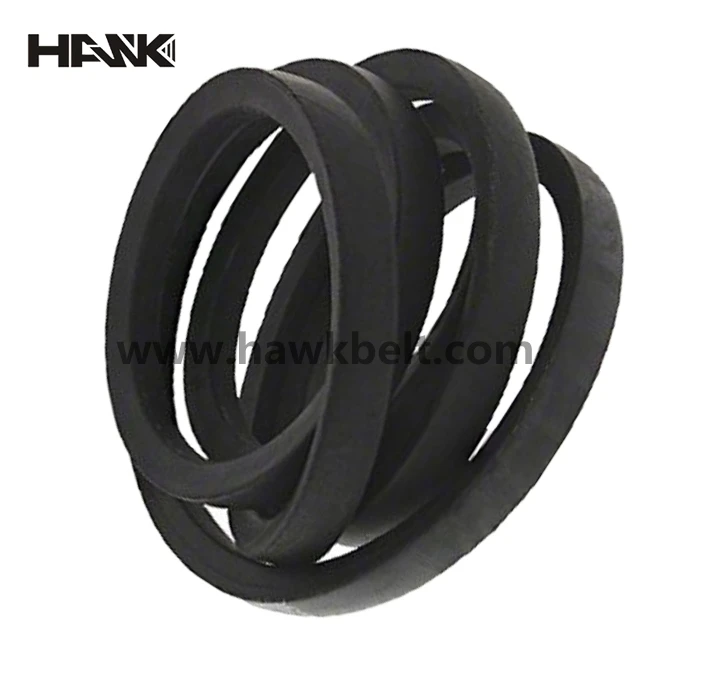
In Palestine, the automotive sector faces unique challenges due to the high temperature fluctuations and dusty environments. The demand for a reliable alternator belt is critical, as the intense heat often accelerates the degradation of standard rubber compounds, leading to premature cracking and slippage.

Logistical constraints and the prevalence of a diverse fleet—ranging from older European models to modern Asian imports—require a highly versatile supply of auto v belt options. Local workshops prioritize components that offer a balance between cost-efficiency and extended service intervals.

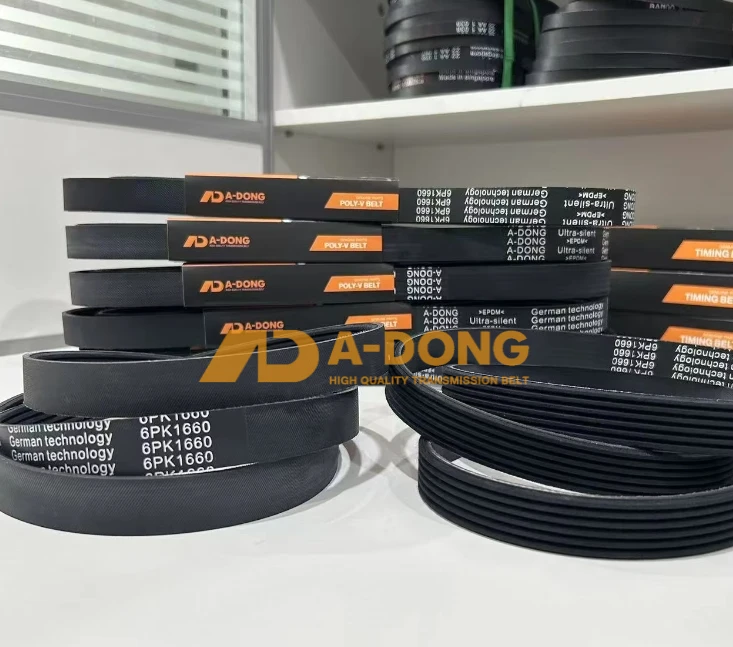
The shift towards more complex engine architectures in urban centers like Ramallah and Gaza has increased the reliance on precision auto rubber timing belt systems. There is a growing market transition from basic rubber parts to high-tensile, synthetic reinforced materials to prevent catastrophic engine failure.
Evolution of Rubber Belt Technology in the Levant

From traditional organic rubber to advanced EPDM synthetic polymers.

Market Development History

During the late 20th century, the Palestinian market relied heavily on basic organic rubber belts. These components were prone to rapid oxidation and lacked the tensile strength required for high-load industrial applications, resulting in frequent replacements.

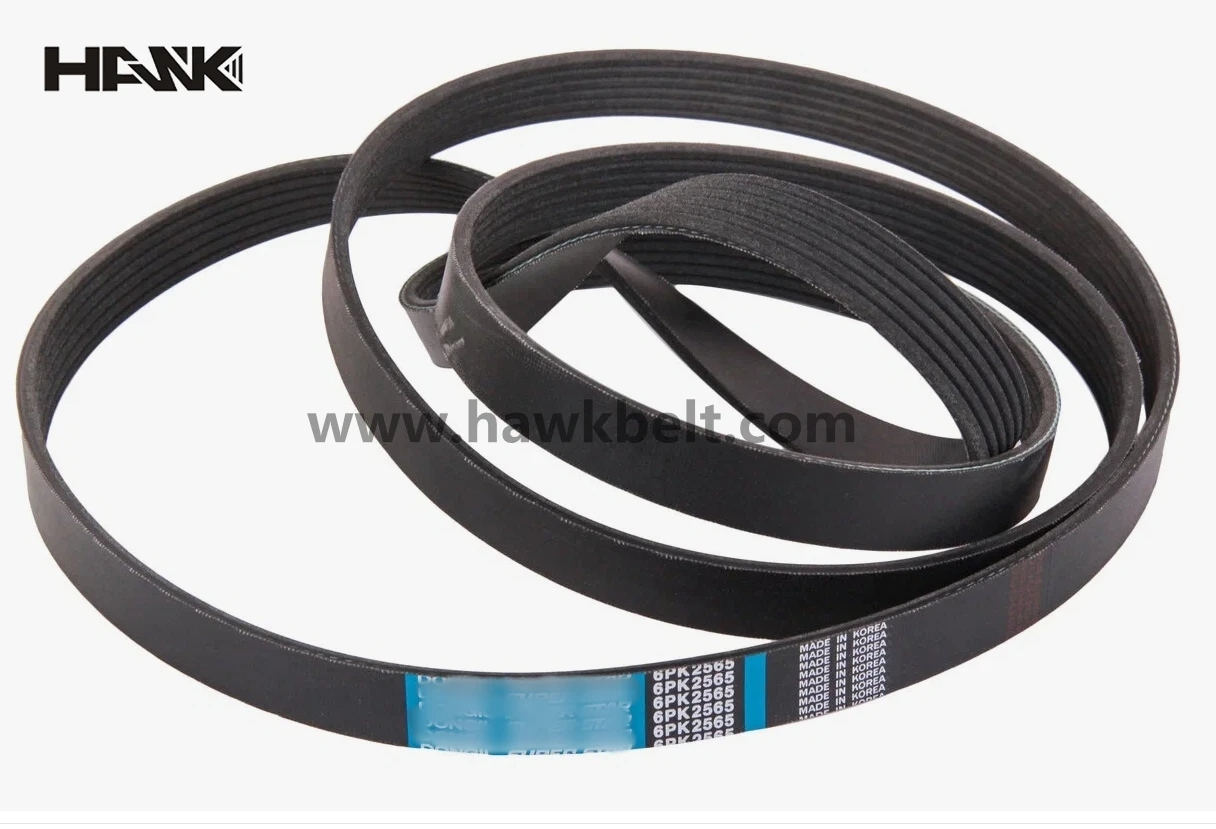
By the 2010s, the introduction of Ethylene Propylene Diene Monomer (EPDM) revolutionized the sector. The adoption of the motorcycle belt shifted toward high-friction, heat-resistant compounds, significantly reducing energy loss in small-displacement engines.

Currently, the market has entered the era of "Smart Geometry," where belt profiles are optimized for specific pulley dynamics. This technical iteration has allowed for higher torque transmission and lower noise levels, aligning with global automotive standards.

Future Development Trends

Nano-Composite Integration

The next 3 years will see the integration of carbon nanotubes into rubber matrices to increase wear resistance by 40% in harsh desert environments.

Eco-Friendly Biodegradable Polymers

Following global green trends, there is a shift toward sustainable elastomer production to reduce the environmental footprint of rubber manufacturing.

Predictive Wear Indicators

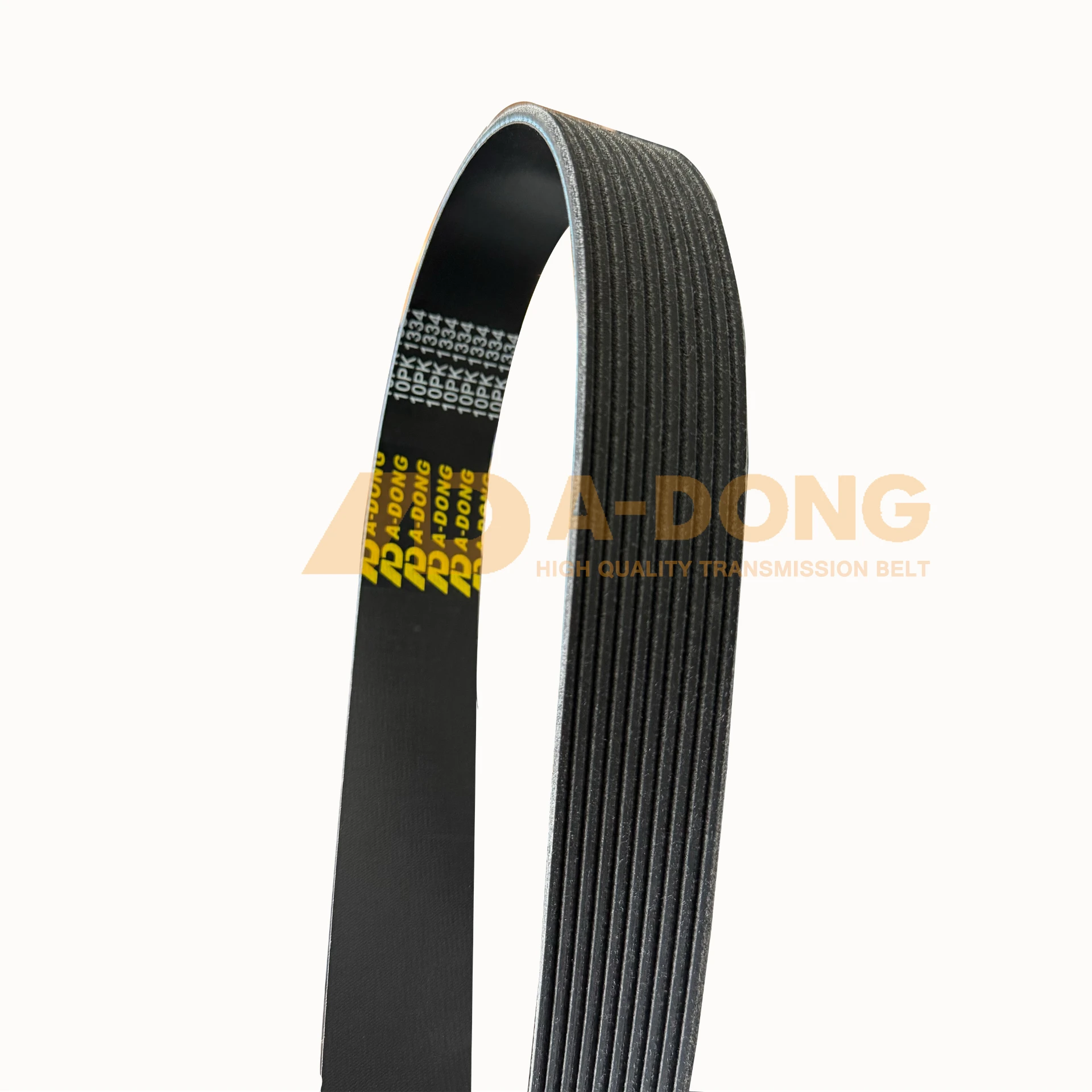
Integration of visual wear indicators directly into the belt ribs to allow technicians in Palestine to predict failure without dismantling the engine.

Industry Outlook and Future Projections

Strategic forecasting based on regional search trends and technical advancements.

Extreme Heat Resistance
Developing compounds that maintain elasticity at 120°C to suit the Palestinian summer.
Precision Tolerance
Reducing belt stretch by 15% through advanced aramid fiber reinforcement.
Hybrid Vehicle Compatibility
Specialized belts for stop-start engines that experience high frequency cycling.
Anti-Dust Coating
Teflon-infused surfaces to prevent grit accumulation from sandy roads.

Industry Outlook

Based on Google search trends in the Asia-Palestine region, there is a significant increase in queries related to "long-life rubber parts." This indicates a shift in consumer behavior from cheap, short-term replacements to value-driven, durable investments.

We project that the integration of smart manufacturing will allow for localized customization of belt lengths and profiles, further reducing the reliance on generic imports and improving the overall efficiency of the Palestinian transport network.

Localized Application Scenarios in Palestine

Real-world deployment of high-performance rubber components in regional contexts.

01. Urban Commuter Vehicles in Ramallah

Frequent stop-and-go traffic in congested urban areas creates high thermal stress. Our pk belt is used here to ensure alternator stability despite constant idling and heat soak.

02. Agricultural Machinery in the Jordan Valley

In high-humidity and high-temperature farming zones, the auto v belt is deployed in water pumps and irrigation machinery to resist moisture-induced rot and slippage.

03. Delivery Motorcycles in Gaza City

With the rise of courier services, the motorcycle belt must withstand high mileage on uneven road surfaces. Our reinforced rubber ensures minimal stretching over long distances.

04. Heavy-Duty Transport in Hebron

Industrial transport vehicles carrying heavy loads require a robust auto rubber timing belt to maintain precise valve timing under extreme torque conditions.

05. Public Transit Bus Fleets

For shared taxis and buses operating across cities, our belts are utilized to reduce maintenance downtime, ensuring that public transportation remains operational without frequent belt failures.

Brand Story

Global Development History of Xingtai Hawk Rubber and Plastic Products Co., Ltd.

Foundational Excellence

Established with a mission to solve the core problem of rubber degradation in industrial belts, we started by perfecting the vulcanization process for extreme durability.

Technical Innovation

We invested in R&D to introduce EPDM and aramid fibers, solving the pain point of belt stretching in high-torque automotive engines.

Global Expansion

Expanding our footprint to Asia and the Middle East, we tailored our product lines to meet the specific climatic demands of regions like Palestine.

Quality Certification

Achieving international ISO standards, we ensured that every rubber part leaving our factory meets rigorous stress-test benchmarks.

Sustainable Future

Today, we lead the industry in developing eco-friendly elastomers that reduce carbon emissions without compromising mechanical performance.

Common Questions on Rubber Belts in Palestine

Expert answers to the most frequent technical queries from regional distributors.

How does heat affect the lifespan of an alternator belt in Palestine?

High ambient temperatures cause rubber to harden and crack. Our belts use specialized EPDM compounds that remain flexible even under extreme thermal stress, extending the replacement cycle.

What is the main difference between a pk belt and a standard v-belt?

A pk belt features multiple smaller ribs, providing a larger surface area for grip and higher efficiency, whereas a v-belt uses a single wedge shape for high-torque, lower-speed applications.

Can an auto rubber timing belt be replaced without professional tools?

No, timing belts require precise tensioning and alignment. We recommend using certified timing tools to avoid engine desynchronization and potential valve damage.

Why do motorcycle belts wear out faster in sandy environments?

Sand particles act as an abrasive, grinding down the rubber surface. Our belts feature a reinforced outer layer to resist abrasion and prolong service life.

How often should an auto v belt be inspected in the Levant region?

Due to the dusty and hot climate, we recommend a visual inspection every 5,000 km to check for glazing, cracks, or fraying.

What are the signs that a pk belt needs immediate replacement?

Squealing noises during startup, visible cracks across the ribs, or a flickering battery light are clear indicators that the belt has lost tension or integrity.

Connect With Our Engineering Team

Looking for bulk supply or custom rubber specifications for your fleet in Palestine? Our experts are ready to assist you.

Contact Us Now

If you are interested in our products, you can choose to leave your information here, and we will be in touch with you shortly.