Mobile Phone
+8615369985502
Call Us
+8615369985502
E-mail
mike@hawkbelt.com

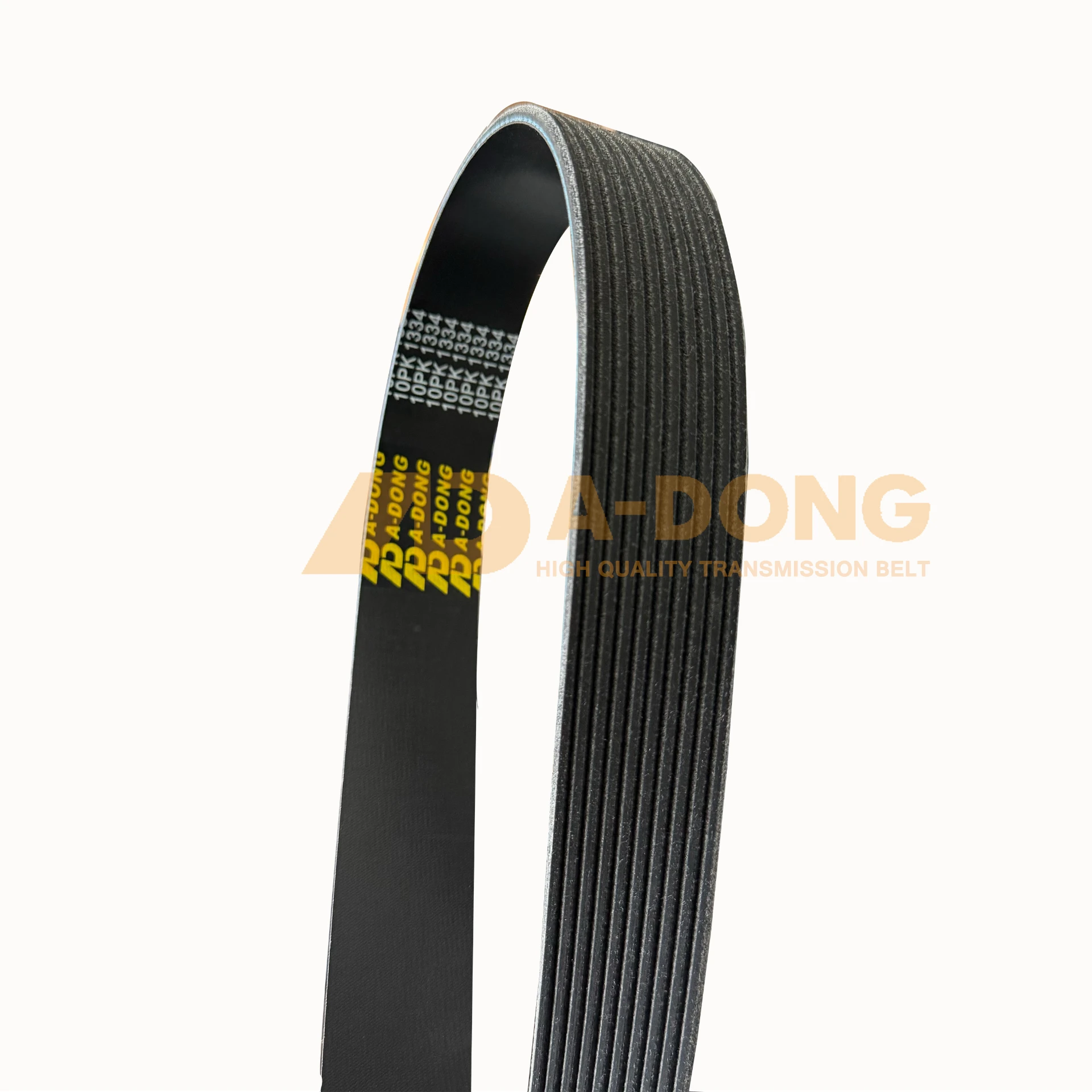
High-Performance pk belt Solutions for Oman's Automotive Market

Engineering durable rubber transmission components designed to withstand the extreme thermal demands of the Arabian Peninsula.

High-Performance pk belt Solutions for Oman's Automotive Market

Providing Oman's automotive industry with precision-engineered rubber parts, specializing in heat-resistant and high-torque belts for diverse vehicle fleets.

Current State of Rubber Parts Manufacturing in Oman

Analyzing the intersection of extreme climate and automotive reliability.

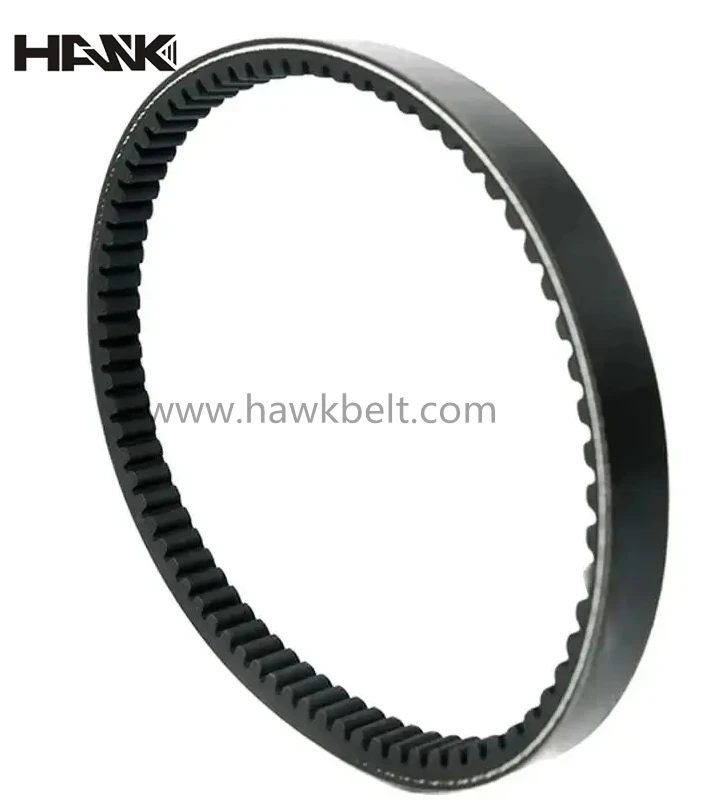
In Oman, the automotive sector faces severe challenges due to the hyper-arid climate and extreme summer temperatures. This environmental stress leads to accelerated degradation of rubber components, making the demand for a high-quality alternator belt critical for preventing vehicle breakdowns in remote desert regions.

The local market is currently transitioning from generic imports to specialized components. There is an increasing shift toward materials that offer higher thermal stability and ozone resistance, ensuring that an auto v belt can maintain tension and grip despite the fluctuations between daytime heat and nighttime cooling.

Logistically, Oman's strategic position as a gateway to the GCC has increased the volume of commercial transport, which in turn has spiked the requirement for industrial-grade rubber parts that reduce maintenance intervals and enhance fuel efficiency across long-haul fleets.
Evolution and Trajectory of Rubber Belt Technology

From basic rubber compounds to advanced synthetic polymers.

Market Development History

In the early 2000s, the Omani market relied heavily on standard neoprene belts. These components were prone to rapid hardening and cracking under the intense UV radiation of the Middle East, often requiring replacement every 20,000 kilometers.

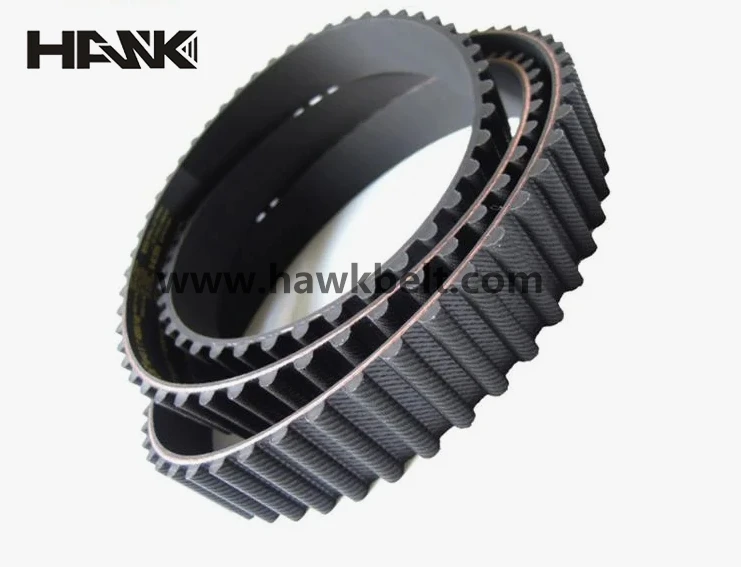
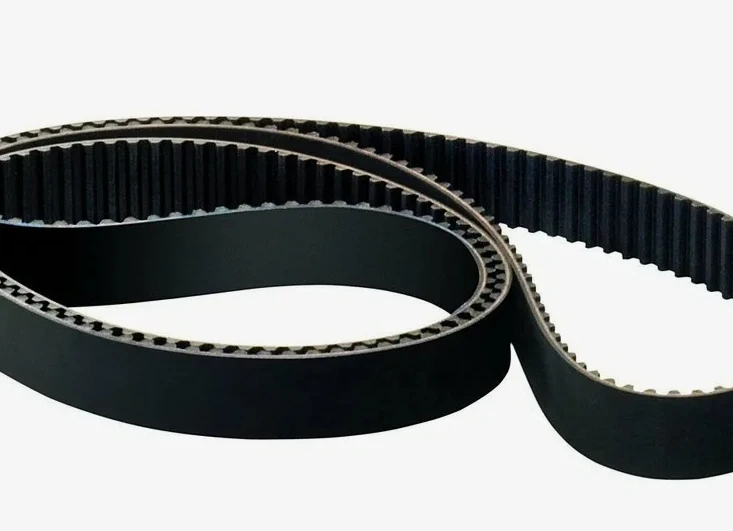
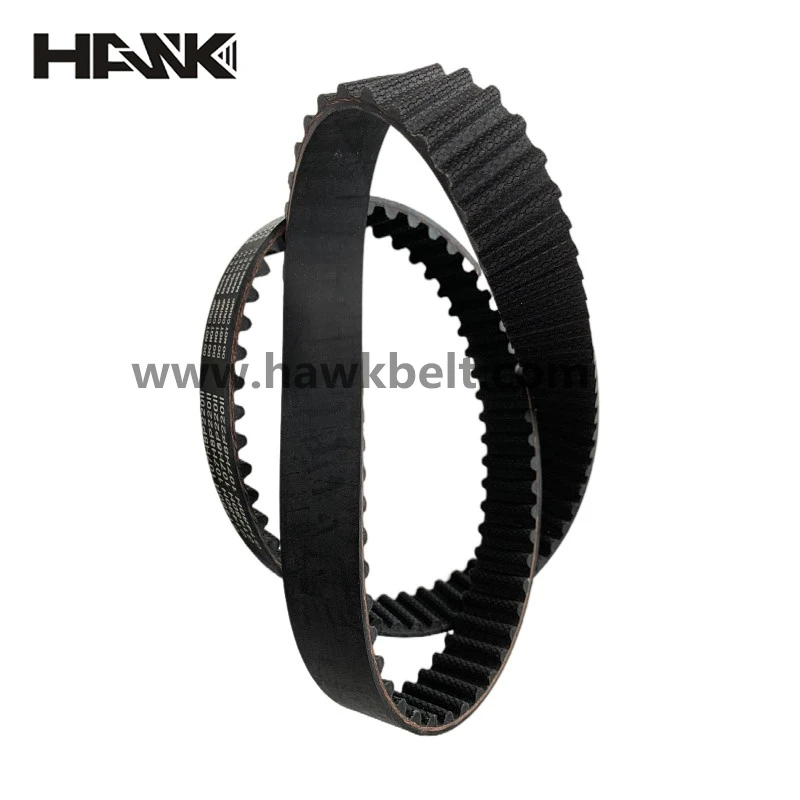
By 2010-2015, the introduction of EPDM (Ethylene Propylene Diene Monomer) revolutionized the industry. The adoption of the auto rubber timing belt with EPDM cores allowed for significantly better heat dissipation and crack resistance, extending the lifespan of engine synchronization systems.

From 2018 to the present, the focus has shifted toward precision geometry and hybrid materials. The integration of high-tensile cords has allowed belts to handle higher loads with less stretch, catering to the newer, more powerful engines entering the Omani market.

Future Development Trends

Nano-Composite Material Integration

The next 3 years will see the rise of nano-silica reinforced rubber, which will further increase the wear resistance of the motorcycle belt, specifically for the high-frequency stop-and-go traffic in Muscat.

Eco-Friendly Bio-Polymers

Following global sustainability trends and Oman's Vision 2040, there is a push toward recyclable synthetic rubbers that maintain high performance while reducing the carbon footprint of the manufacturing process.

Smart Wear Monitoring

Integration of conductive fibers within the belt structure is being explored to allow real-time tension monitoring, enabling predictive maintenance before a catastrophic belt failure occurs.

Industry Trends and Future Outlook for Oman

Strategic forecasting for the rubber parts sector in the GCC region.

Extreme Heat Adaptation
Developing compounds that remain flexible at 50°C+ to prevent premature crystallization.
Precision Engineering
Reducing vibration and noise levels through advanced rib profiling and tension control.
Supply Chain Localization
Establishing regional hubs to reduce lead times for critical engine rubber parts.
Hybrid Vehicle Compatibility
Adapting belt materials for the unique torque curves of hybrid propulsion systems.

Industry Outlook

The Omani rubber parts market is expected to grow by 4.2% CAGR over the next five years, driven by the modernization of the national logistics fleet and an increase in luxury vehicle imports that require high-specification transmission belts.

Search trends indicate a rising interest in "long-life rubber belts" and "heat-resistant automotive parts" within the region, suggesting that consumers are moving away from low-cost replacements toward high-durability, E-E-A-T compliant engineering solutions.

Local Application Scenarios in Oman

Real-world deployment of rubber parts in diverse Omani environments.

1. Desert Logistics & Heavy Duty Transport

Utilizing reinforced rubber belts in heavy-duty trucks traversing the Empty Quarter, where sand ingress and high ambient heat demand maximum abrasion resistance.

2. Urban Commuting in Muscat

Implementation of high-grip belts for motorcycles and city cars to handle frequent idling and rapid acceleration in humid coastal conditions.

3. Industrial Power Transmission in Sohar

Providing industrial-grade belts for manufacturing plants in the Sohar Industrial Port, focusing on continuous operation and minimal slip.

4. Luxury Vehicle Maintenance

Specialized timing and accessory belts for high-performance European vehicles prevalent in Muscat, requiring strict adherence to OEM specifications.

5. Agricultural Machinery in Al Batinah

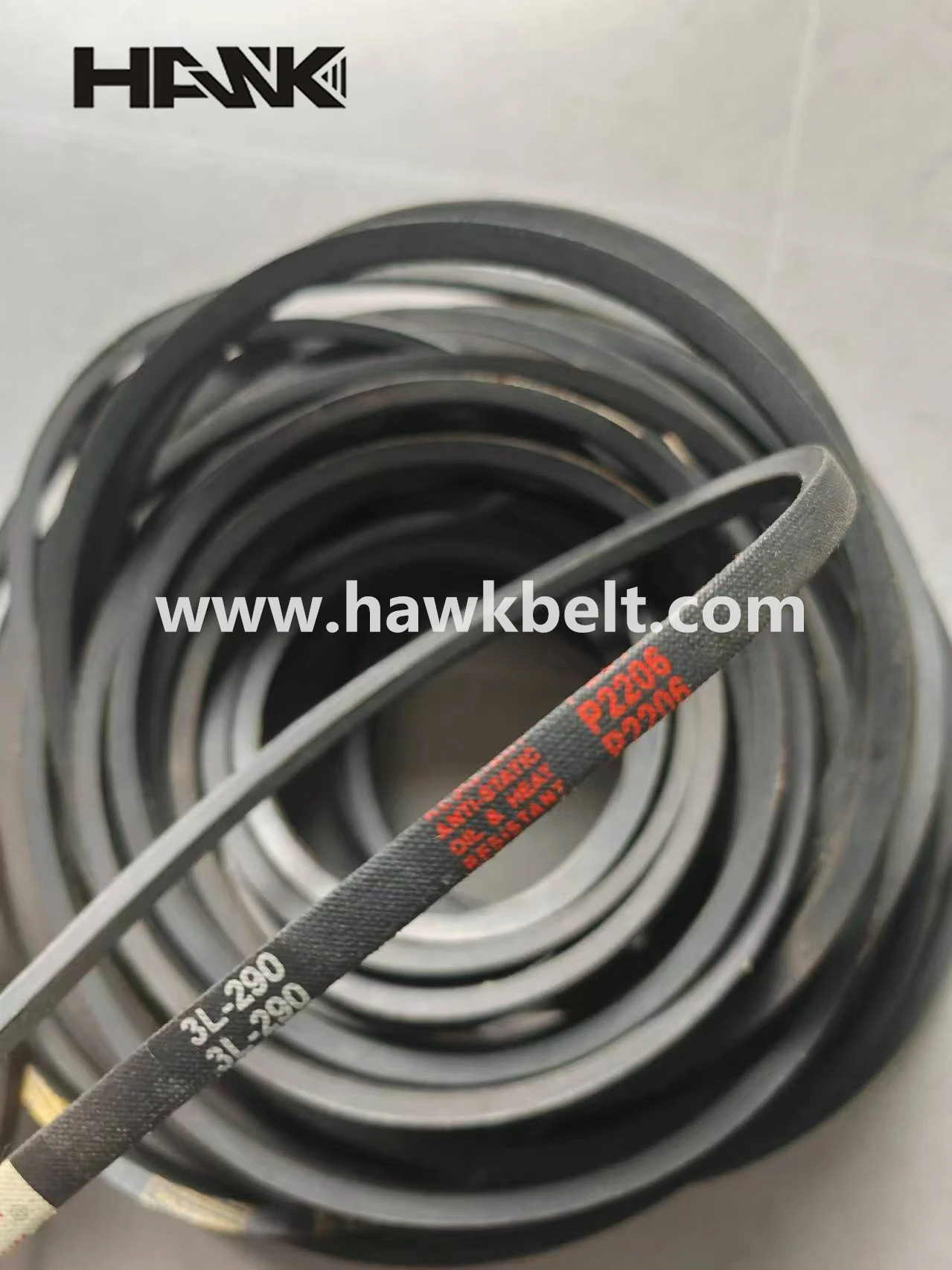
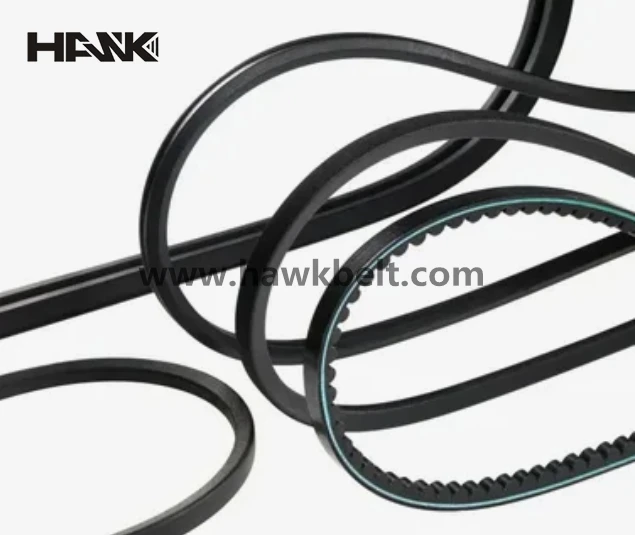
Applying durable V-belts to irrigation systems and farming equipment that operate in saline and dusty environments.

Brand Story

Global Development Journey of Xingtai Hawk Rubber and Plastic Products Co., Ltd.

Foundational Excellence

Established with a focus on industrial rubber, we began by solving the problem of rapid belt wear in heavy machinery through innovative polymer blending.

Technical Diversification

Expanded our portfolio to include automotive-grade precision belts, implementing rigorous quality control to meet international safety standards.

Global Market Expansion

Strategically entered the Middle Eastern market, adapting our rubber formulas to survive the extreme temperatures of regions like Oman.

R&D Innovation Leap

Invested in advanced synthetic material labs to develop belts that offer 30% longer life cycles than industry averages.

Sustainable Future Vision

Committing to the production of eco-friendly rubber parts without compromising the mechanical strength required for global automotive applications.

Common Questions Regarding Rubber Belts in Oman

Expert answers to technical queries regarding belt maintenance in arid climates.

How does the Oman heat affect my alternator belt lifespan?

Extreme heat causes rubber to oxidize and harden, leading to cracks. Using an EPDM-based belt significantly extends lifespan by providing better thermal stability.

What is the best replacement interval for an auto v belt in Muscat?

Given the humidity and heat, we recommend a professional inspection every 15,000 km and replacement every 50,000 km to avoid sudden failure.

Can a motorcycle belt withstand desert sand abrasion?

Yes, provided the belt is made from high-density synthetic rubber with anti-abrasive coatings designed for harsh environments.

Why is a pk belt preferred over traditional v-belts in modern cars?

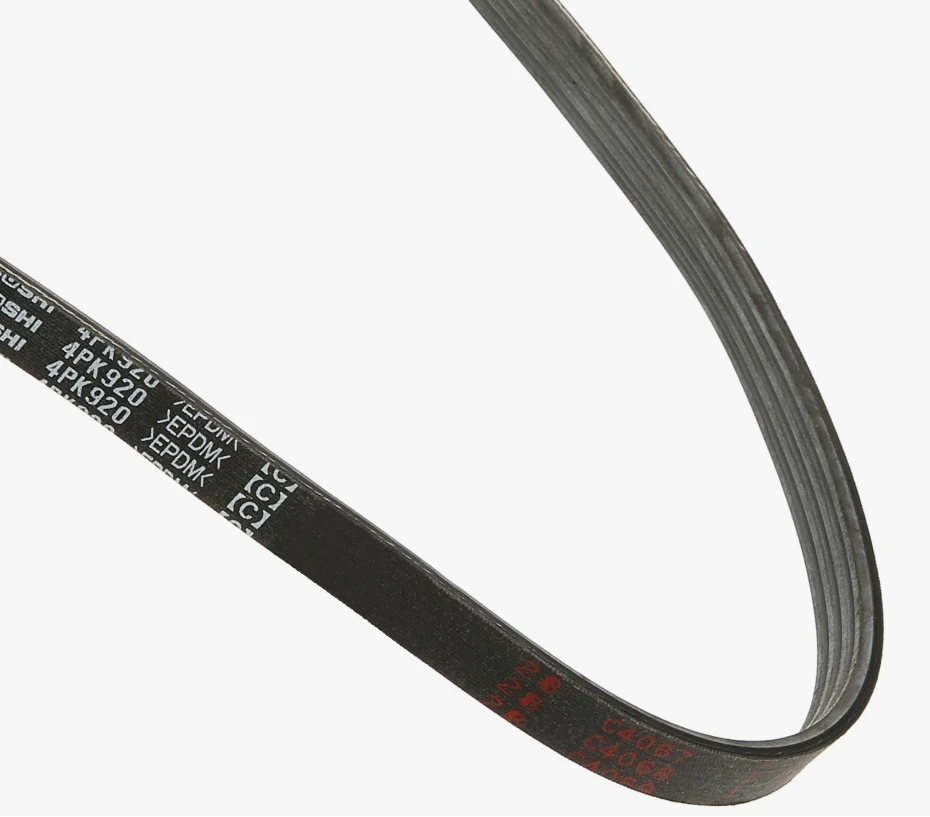
PK belts offer a larger surface area for power transmission, reducing slippage and increasing efficiency in multi-accessory drive systems.

What are the signs that my auto rubber timing belt needs replacement?

Look for visible glazing, fraying edges, or a rhythmic squealing sound during engine startup, which indicates loss of elasticity.

Do I need a specific grade of rubber belt for commercial trucks in Oman?

Absolutely. Commercial vehicles require high-tensile cords and heat-resistant compounds to handle the constant load and high operating temperatures.

Get Expert Rubber Part Solutions

Contact our technical team for high-performance belt customizations specifically engineered for the climate of Oman.

Contact Us Now

If you are interested in our products, you can choose to leave your information here, and we will be in touch with you shortly.