
Mobile Phone
+8615369985502
Call Us
+8615369985502
E-mail
mike@hawkbelt.com

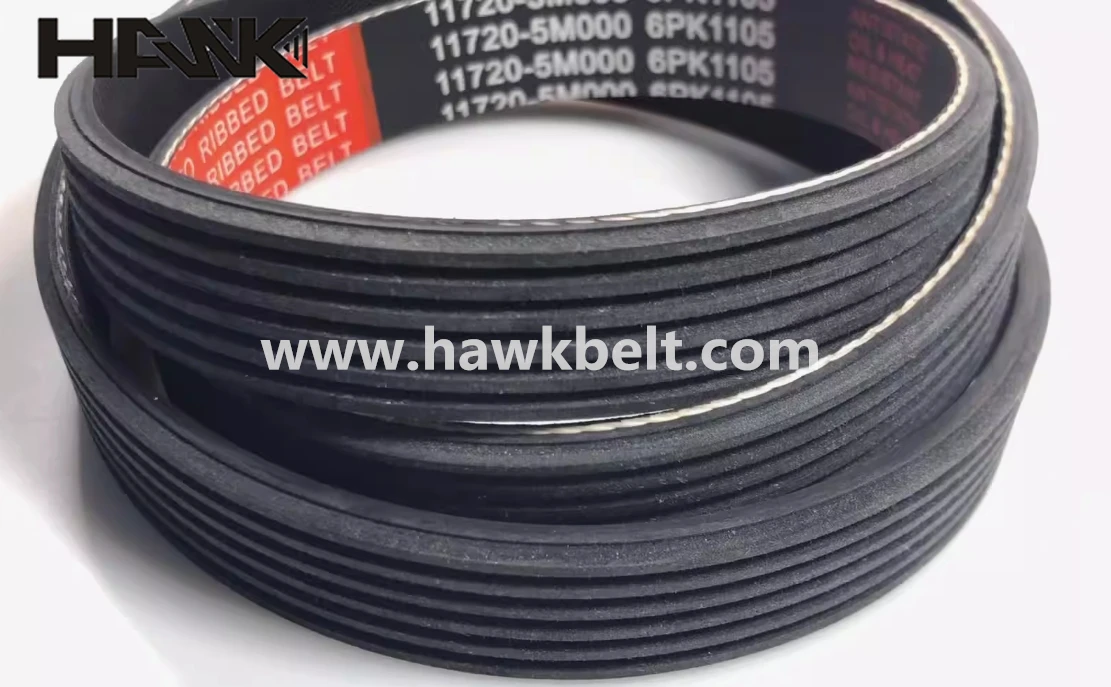
High-Performance pk belt Solutions for Norway's Automotive Sector

Engineering precision rubber components designed to withstand the extreme Arctic conditions of Norway, ensuring maximum durability and transmission efficiency.

High-Performance pk belt Solutions for Norway's Automotive Sector

Our advanced rubber parts manufacturing process provides the Norwegian market with industrial-grade belts that resist cracking in sub-zero temperatures and maintain tension under heavy loads.

Rubber Parts Manufacturing Status in Norway

Analyzing the challenges of elastomer performance in Nordic climates.

In Norway, the automotive rubber industry faces the unique challenge of extreme thermal cycling. The demand for a reliable alternator belt is heightened by the necessity for consistent electrical charging during long, freezing winters where battery efficiency drops significantly.

The local market is shifting towards high-specification materials. Standard rubber components often succumb to "cold crystallization," leading to premature failure. This has created a surge in demand for specialized auto v belt options that utilize EPDM (Ethylene Propylene Diene Monomer) for superior ozone and heat resistance.

Furthermore, Norway's aggressive push toward electrification is changing the landscape. While EVs reduce some needs, the remaining internal combustion and hybrid fleets require an auto rubber timing belt that can handle variable loads and high humidity common in coastal regions like Bergen and Oslo.
Evolution of Rubber Belt Technology in Norway

From traditional vulcanization to smart elastomer engineering.

Market Development History

During the 1980s and 90s, the Norwegian market relied primarily on basic neoprene-based belts. These traditional components provided basic functionality but lacked the flexibility required for the rapid temperature drops seen in the Norwegian highlands.

By the early 2000s, a technical pivot occurred. The introduction of reinforced fiber cords allowed for the development of the motorcycle belt and automotive drives that could resist stretching, significantly reducing the frequency of manual tension adjustments.

From 2010 to the present, the focus has shifted to "Low-Noise" and "Low-Emission" specifications. Modern manufacturing now integrates nano-silica fillers to enhance the grip and longevity of belts used in the demanding Norwegian terrain.

Future Development Trends

Bio-Based Elastomers

Integrating sustainable, bio-sourced polymers to align with Norway's strict environmental regulations and carbon-neutral goals.

Smart Tension Monitoring

Development of rubber belts with embedded conductive fibers that can alert drivers via OBD-II systems before a failure occurs.

Ultra-Low Temperature Resilience

Engineering molecular structures that remain flexible down to -50°C to eliminate "cold-start" slippage in Arctic circles.

Industry Trends & Future Outlook

Strategic forecasts for the rubber parts manufacturing sector in Northern Europe.

Green Manufacturing
Transitioning to closed-loop recycling for rubber waste to meet Norway's circular economy standards.
Material Hybridization
Combining carbon fibers with EPDM to increase tensile strength for heavy-duty industrial belts.
Digital Twins
Using AI to simulate belt wear under Norway's unique topography to optimize replacement intervals.
Precision Molding
Implementing 0.01mm tolerance molding to eliminate vibration in high-RPM automotive systems.

Industry Outlook

Based on Google search trends in Northern Europe, there is a growing volume of queries regarding "winter-proof automotive parts." This indicates a clear market gap for rubber components that do not harden in extreme cold, favoring manufacturers who prioritize material science over mass production.

We anticipate that the next 3-5 years will see a consolidation of the market around "Performance-as-a-Service," where belt manufacturers provide lifelong durability guarantees based on the specific mileage and climate data of the Norwegian region.

Localized Application Scenarios in Norway

Real-world deployments of our rubber solutions across diverse Norwegian environments.

01. Arctic Logistics Fleets

Deployment of reinforced belts in heavy-duty transport trucks operating in Tromsø, ensuring that the engine accessories remain functional at -30°C without slipping.

02. Fjord-Side Marine Engines

Specialized corrosion-resistant belts for coastal machinery in the fjords, where salt-spray and high humidity typically accelerate rubber degradation.

03. Mountainous Terrain Commuting

High-torque belt solutions for 4WD vehicles navigating the steep gradients of the Dovrefjell mountains, preventing belt stretch under extreme load.

04. Urban Oslo Electric-Hybrid Taxis

Low-noise belts designed for hybrid engines to maintain the quiet urban environment of Oslo while ensuring efficient energy recovery.

05. Nordic Adventure Motorcycles

Custom-engineered rubber drives for touring bikes traversing the Atlantic Road, optimized for long-distance durability and variable weather.

Brand Story

Global Development Journey of Xingtai Hawk Rubber and Plastic Products Co., Ltd.

Foundational Excellence

Established with a vision to solve the core problem of rubber fatigue, we began by mastering the art of high-pressure vulcanization for industrial parts.

Technical Breakthroughs

We invested heavily in EPDM research, allowing us to create belts that maintain elasticity in temperatures where standard rubber turns brittle.

Global Expansion

Recognizing the needs of the European market, we expanded our quality control to meet ISO and EU standards, entering the Nordic region.

Nordic Specialization

We developed a specific product line for Norway, focusing on extreme cold resistance and high-torque transmission for rugged terrains.

Sustainable Future

Today, we lead the industry in eco-friendly rubber manufacturing, ensuring our growth supports the planet's health.

Norway Rubber Parts FAQ

Expert answers to common questions regarding belt maintenance in cold climates.

How does extreme cold affect my alternator belt lifespan in Norway?

Extreme cold causes standard rubber to harden and crack. Our belts use specialized EPDM compounds that remain flexible, preventing the snapping and slippage common during Norwegian winters.

What is the best replacement interval for an auto v belt in Arctic conditions?

Due to higher thermal stress, we recommend inspecting your belt every 10,000 km and replacing it every 60,000 km to avoid unexpected failures in remote areas.

Can a high-quality auto rubber timing belt prevent engine damage during cold starts?

Yes. A high-quality belt resists "jumping teeth" during the initial high-friction start in freezing temperatures, ensuring precise valve timing and engine safety.

Are motorcycle belt drives suitable for Norwegian winter riding?

Absolutely, provided the belt is engineered for low-temperature flexibility. Our specialized belts avoid the brittleness that often plagues standard drives in winter.

Why is a pk belt preferred for modern European engines over traditional belts?

PK belts offer a higher power density and better grip through multi-rib design, which is essential for the complex accessory drives found in modern Norwegian vehicles.

How do I identify a failing rubber belt before it snaps?

Look for "glazing" (shiny spots), longitudinal cracks, or fraying edges. In Norway, listen for high-pitched squealing during cold starts, which indicates slippage.

Ready to Upgrade Your Drive System?

Contact our technical team today for customized rubber solutions engineered specifically for the demanding climate of Norway.

Contact Us Now

If you are interested in our products, you can choose to leave your information here, and we will be in touch with you shortly.